Metal detecting holidays in England with the World's most successful metal detecting club.
Twinned with Midwest Historical Research Society USA
Metal detecting holidays in England with the World's most successful metal detecting club.
Twinned with Midwest Historical Research Society USA
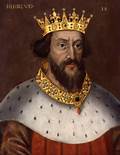
Henry 1st 1100-1135
|
||
Born around 1068, very little is known of Henry’s early life: as the youngest son of William the Conqueror he had never expected to be king. Inheriting the throne from his eldest brother William II, Henry embraced his new found role in an enthusiastic manner, introducing modernising reforms and centralising the powers of the crown. He was an educated and decisive ruler, being the only brother who was literate and fluent in English he earned himself the nickname Henry Beauclere, meaning good writer. His path to becoming king and his subsequent rule however was not without its challenges, which all began with his father’s death in 1087. In his inheritance, having lost one son to a hunting accident, William the Conqueror left his patrimonial lands of Normandy to his eldest son Robert. His younger son William Rufus was destined to receive England whilst Henry was given a considerable sum of money as well as his mother’s lands in Buckinghamshire and Gloucestershire. The brothers however were far from satisfied with the arrangement and continued to war with each other throughout their entire lives.
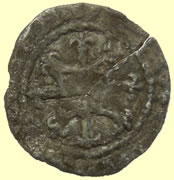
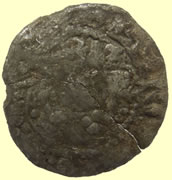
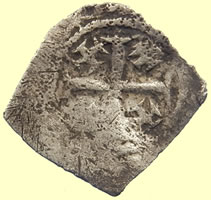
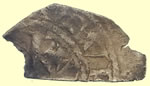
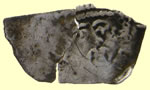
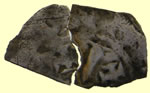
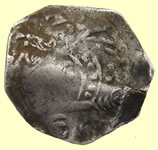
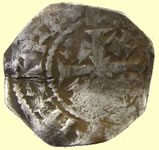
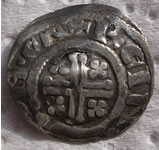
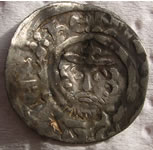
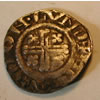
Rare 1100 AD Henry 1st hammered silver penny - Quadrilateral on cross fleury type
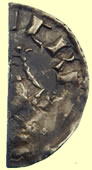
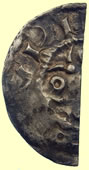
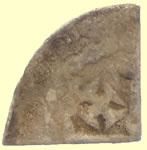
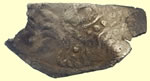
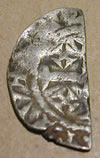
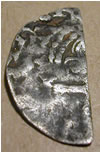
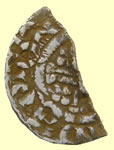
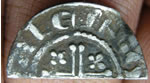
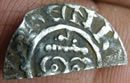
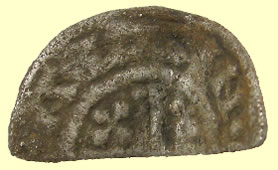
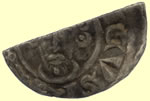
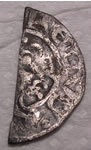
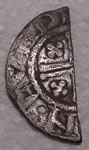
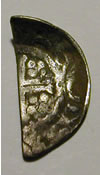
1100 AD Henry 1st hammered silver half penny - Quadrilateral on cross fleury type Sent to Fitzwilliam museum for ID and recording
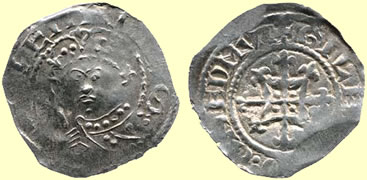
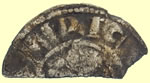
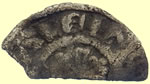
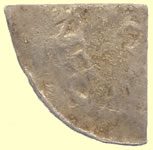
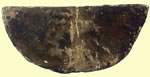
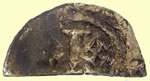
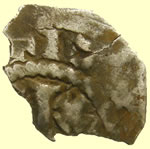
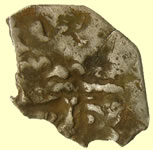
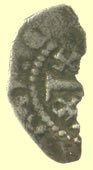
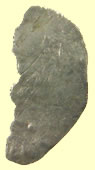
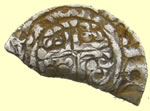
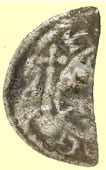
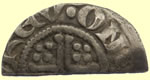
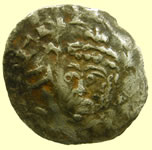
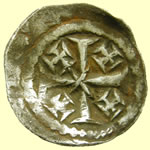
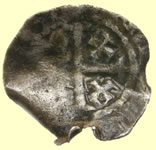
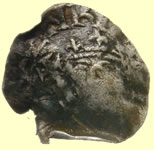
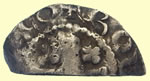
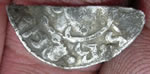
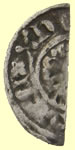
1100-1135 Henry 1st hammered silver half penny I have recorded this as EMC 2015.0089. It is a coin of Henry I type 4 (Annulets and Piles), uncertain mint and moneyer, reading [ ]O[ ]VPI[ ].
|
||
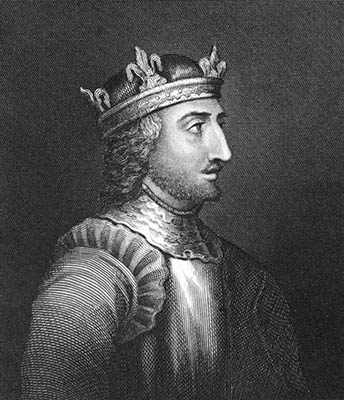
Stephen 1135 -1154
In 1135 Henry I’s death sparked off a succession crisis leading to a period known as The Anarchy which came to a head during the reign of Stephen of Blois. Stephen was crowned King of England on the 22nd December 1135, usurping his cousin and royal contender to the throne, Empress Matilda. As the daughter of Henry I she had expected to be queen, an arrangement already made clear by her father before his death. In the meantime, Henry I’s nephew, Stephen of Blois threw his hat into the ring, with the support of his brother, Henry of Blois who was also the Bishop of Winchester. Stephen, Matilda’s cousin, took the necessary steps to seize the crown, a task that could not have been easily achieved if it wasn’t for the support of the English Church and those in court.
|
||
 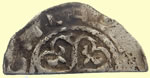 |
||
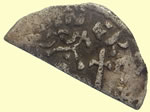
0.64g, 19.5mm
I have recorded this as EMC 2015.0271. It is a coin of Carlisle under Scottish occupation but in the name of Stephen: the obverse reads [ ]EFNERE+ and the reverse reads [ ]ONCAR[ ]. The moneyer would be Erebald ior Hudard. |
||
Henry II 1154-1189
|
||
Henry
II suffered from quarrels with Thomas Becket and his own family. Henry succeeded Stephen after invading England in 1153 to promote his claim after Stephen elbowed Henry's mother, Matilda, from the throne. As king, Henry ruled lands from Scotland to the Pyrenees. He extended these further through conquest, diplomacy and dynastic marriages; by 1170 he owned Western France, ruled parts of Ireland and had influence in Germany, Sicily and Castile. At home, his first task was to crush the unruly elements and restore firm government. Using his talented chancellor Becket, Henry wasted little time restoring order to the judicial system. The Assize of Clarendon (1166) established procedures of criminal justice, establishing courts and prisons for those awaiting trial. In addition, the assizes gave fast and clear verdicts, enriched the treasury and extended the King's control. Yet reforms provoked problems. In 1164 Henry reasserted his ancestral rights over the church. Now Archbishop of Canterbury, Becket refused to comply. An attempted reconciliation failed and, on returning from exile, Becket punished priests who had co-operated with Henry. The king, upon hearing the news, reportedly cursed, "Will no one rid me of this turbulent priest?" Four knights took his words literally and murdered Becket in Canterbury Cathedral in December 1170. Almost overnight the martyred Thomas became a saint. Henry reconciled himself with the church, but royal control over the church changed little. Finally Henry did penance at Canterbury and, with Becket out of the way, most of the disputed points were soon sorted out. Henry's four sons - Henry, Geoffrey, Richard and John - mistrusted each other and resented his policy of dividing land among them. In 1173 a rebellion erupted in England and Normandy over alleged favouritism, with further family disputes arising in 1181 and 1184. The King's attempt to find an inheritance for John led to opposition from both Richard and Philip II of France. Henry was defeated and forced to give way; news that John also had joined his enemies hastened the King's death near Tours in 1189. Tealby coinageIn 1158 a monetary reform was introduced in England which was of sufficient importance for the contemporary chroniclers to record that 'a new money was made, which was the sole currency of the kingdom.' This coinage is notorious for its ugly appearance, bad craftsmanship and careless execution. It continued till 1180, and is named after a large hoard which was found at Tealby, Lincolnshire, in 1807
1158 -1189 AD Henry II hammered silver penny ' Tealby' cross and crosslet type. 16.21mm x 18.23mm, 1.31g
1158 -1189 AD Henry II hammered silver penny ' Tealby' cross and crosslet type 1.14g, 19mm x 20mm Many thanks for this very helpful information about the find, which I have recorded as EMC 2015.0073.
1158 -1189 AD Henry II hammered silver farthing ' Tealby' cross and crosslet type
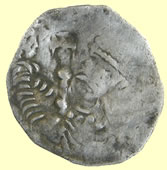
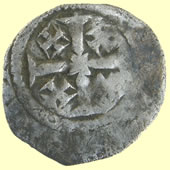
1158 -1189 AD Henry II hammered silver half penny ' Tealby' cross and crosslet type |
||
  |
  |
|
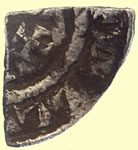
1158 -1189 AD Henry II hammered silver farthing ' Tealby' cross and crosslet type Sent to Fitzwilliam museum for recording The Tealby cut quarter is EMC 2015.0294. 10.1mm ,0.35g |
1163-1167 Henry II hammered silver penny -Tealby coinage - Cross and Crosslets Class C |
|
  |
  |
|
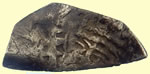
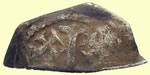
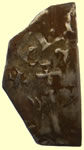
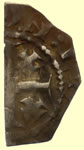
1158 -1189 AD Henry II hammered silver half penny ' Tealby' cross and crosslet type Sent to Fitzwilliam museum for recording Many thanks for these excellent new images of this find, which I have recorded as EMC 2015.0320. |
1158 -1189 AD Henry II hammered silver half penny ' Tealby' cross and crosslet type Telby cut half (EMC 2018.0081) is class C-F , Canterbury mint, uncertain moneyer. Dr Martin Allen |
|
|
|
|
1158-1180 AD Henry II Cross and Crosslet hammered silver penny - Tealby issue 1.31g, 19.54mm unrecorded bust type.
|
1158 -1189 AD Henry II hammered silver penny ' Tealby' cross and crosslet type |
|
  |
  |
|
1158-1180 AD Henry II Cross and Crosslet hammered silver penny - Tealby issue |
1158-1180 AD Henry II Cross and Crosslet hammered silver penny - Tealby issue | |
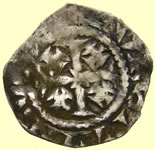 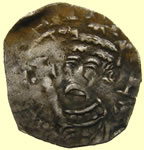 |
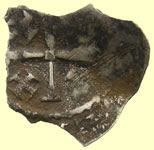 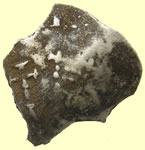 |
|
| 1158-1180 AD Henry II Cross and Crosslet hammered silver penny - Tealby issue | 1158 -1189 AD Henry II hammered silver penny ' Tealby' cross and crosslet type | |
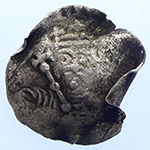 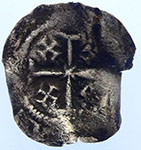 |
||
| 1158 -1189 AD Henry II hammered silver penny ' Tealby' cross and crosslet type | ||
Short Cross pellet issue
|
||
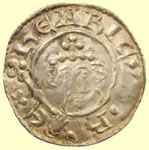
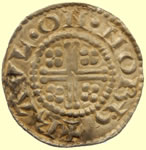
Amazing find, this 13thC hammered silver coin should not exist as both sides are a short cross with no obv bust You can however see that the obv side with the part HENRICVS REX legend had a bust originally but it was over struck again with the wrong short cross die. What is more interesting the rev side has also been double struck if you look closely at **.ON. legend What a unique coin |
||
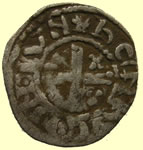 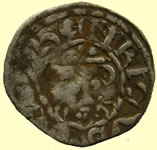 |
  |
|
1180- 1189 Henry II hammered silver short cross penny Class 1b Obv HENRICVS REX Rev HENRI ON LVD - Moneyer Henri of London mint |
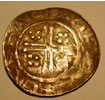
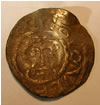
1180 - 1189 Henry II hammered silver short cross penny - Class 1b - pellet before Rex - No serifs to X- 2 left 5 right hair curls Obv hENRICVS.REX Rev + RAVL.ON.NORh - Moneyer Ravl of Northampton |
|
  |
  |
|
|
1180-89
Henry II class1 hammered silver penny |
1180-89
Henry II class1 hammered silver penny |
|
  |
  |
|
|
1180-89
Henry II class1 hammered silver penny |
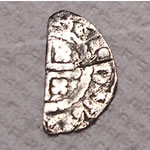
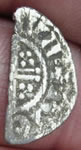
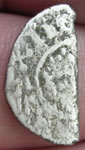
1180 -1199 Henry II hammered silver half penny |
|
  |
  |
|
|
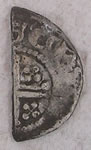
1180 -1199 Henry II hammered silver half pennies
|
1180 -1199 Henry II hammered silver half penny |
|
  |
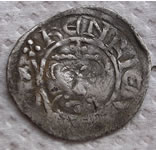 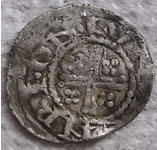 |
|
|
Possible
Henry II 1180 AD
|
1180-89 Henry II class1 hammered silver penny 1.30g,19.50mm obv HENRICUS REX |
|
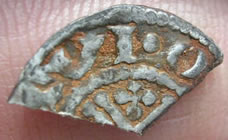 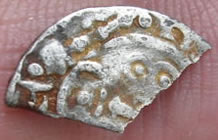 |
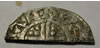 |
|
1180 -1189 Henry II hammered silver 1/4 penny - Class 1b-1c Rev HENRICVS REX Rev *AVI ON - Moneyer Davi London |
Henry II
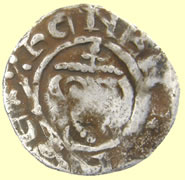
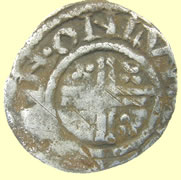
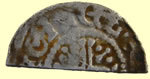
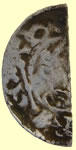
cut short-cross penny 1180 -1189 Henry of Canterbury mint |
|
  |
  |
|
1180 - 1189 Henry II hammered silver penny Class Ic 1.35g, 18.44mm Rev ** ON LVN** -London mint |
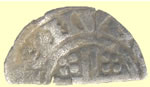
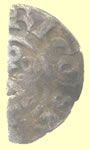
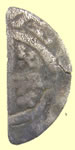
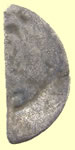
1180 Henry II hammered silver short cross half penny Class 1b Obv HENRICVS REX |
|
  |
  |
|
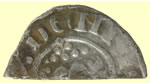
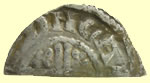
1180 -1199 Henry II hammered silver half penny - Class 3 0.44g, 16.25mm obv HENRIVS REX rev ***ENVS |
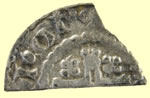
1180 -1199 Henry II hammered silver half penny |
|
  |
  |
|
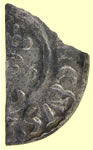
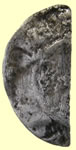
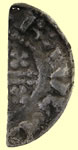
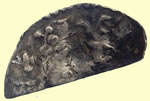
1180-1189 Henry II voided shorcross coinage hammered silver half penny - Class 1a 17.61mm, 0.63g Rev *** ON CAN - Canterbury mint |
1180 Henry II hammered silver short cross- cut half penny - Class 1a |
|
  |
  |
|
1180 Henry II hammered silver short cross half penny - Class 1b Obv HENRICVS REX Rev * RAVL.ON ** - Moneyer Ravl |
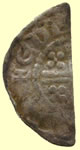
1154 Henry II hammered silver short cross half penny Obv CO+ROD - Moneyer Rodbert of Lincoln mint |
|
  |
  |
|
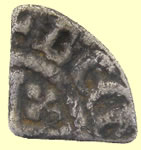
1180 AD Henry II hammered silver short cross cut halfpenny - Class 1b Rev ** + EDR ** Moneyer Edrich of Worchester mint |
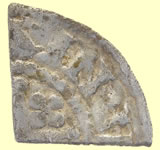
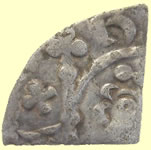
1180 Henry II hammered silver short cross farthing Obv HENRICVS REX Moneyer Gocelm - Winchester mint |
|
  |
  |
|
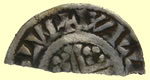
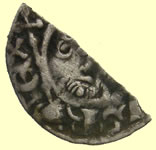
1180 Henry II hammered silver short cross farthing Class 1a-1b Obv HENRICVS REX Rev **AIN V - Moneyer Alain - London mint |
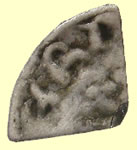
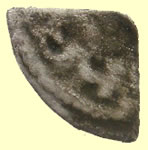
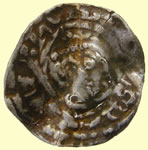
1180 Henry II hammered silver short cross half penny - Class 1b Obv HENRICVS REX Rev WILL **** RW Moneyer Willelm of York mint |
|
  |
 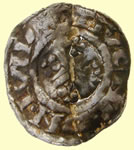 |
|
1180 Henry II hammered silver short cross qtr penny Moneyer Gilberd of Exeter mint |
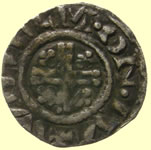
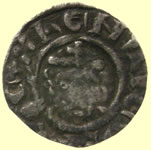
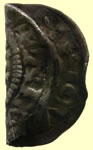
1189 Henry II hammered silver short cross penny - class2 Obv HENRICVS REX Rev ESTIVENE ON.LDND - Monyer Stivene of London mint |
|
  |
  |
|
1180-1189 Henry II hammered silver penny - Class Ib Rev WILLELM.ON. LV , Moneyer Willelm of London |
Taco'd 1180 Henry II hammered silver short cross coin - Class 1b Obv HENRICVS REX Rev +ALWARD.ON.LVND - Alward of London mint |
|
  |
||
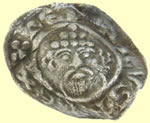
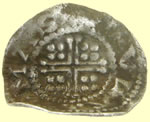
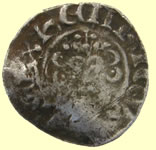
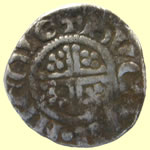
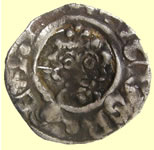
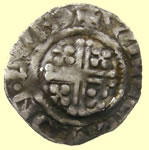
Brilliant find and our first ever Rhuddlan (Welsh) mint found - Cross is Cross pattee, a cross with pellet ends 1180 Henry II hammered silver short cross penny - Group 1 coin Obv HENRICVS REX Rev + TOMAS ON RVLA - Tomas of Rhuddlan mint (wales) |
||
  |
  |
|
1180 Henry II hammered silver short cross penny - Class 1b Obv HENRICVS REX Rev +hVGO.ON. NICOLE - Moneyer Hvgo of Lincoln mint 1.38g, 17.91mm |
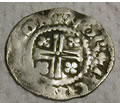
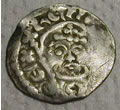
1180- 1189 Henry II hammered silver short cross penny - Class 1a Obv HENRICVS REX Rev WILLELM ON LVN - Moneyer Willelm of London mint |
|
  |
  |
|
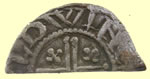
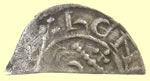
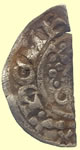
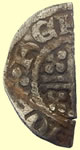
1180 - 1189 Henry II hammered silver short cross half penny - Class 1 Rev *LDWINE - Moneyer Goldwine |
||
  |
  |
|
1180 Henry II hammered silver voided short cross penny Class 1b Obv hENRICVS REX Obv .LVND + PR **S.ON - Moneyer Pieres of London mint |
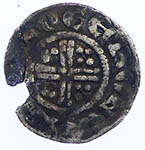
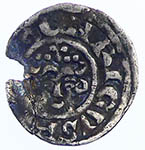
1180 -1189 Henry II hammered silver short cross half penny - Class 1 Obv X hENR *** Rev OR + REIN - Moneyer Reinald of Northampton mint |
|
  |
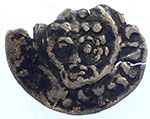 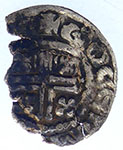 |
|
1180 Henry II hammered silver short cross penny - Class 1 Obv hENRICVS ** Rev ROGER ON EX - Moneyer Roger of Exeter mint |
1180-1189 Henry II hammered silver short cross Class 1 Obv **CVS REX Rev + GOCELM - Moneyer Gocelm of Winchester mint |
|
Richard 1st 1189-1199 |
||
 Richard
the Lion-Heart was famous for his exploits in the Third Crusade (1189-92),
during his ten-year reign he spent only some six months in England. Richard
the Lion-Heart was famous for his exploits in the Third Crusade (1189-92),
during his ten-year reign he spent only some six months in England.
The third son of Henry II, Richard possessed considerable political and military ability. However, like his brothers, he cared nothing for his family, joining them in the great rebellion against their father in 1173. In 1183 his brother Henry died, leaving Richard heir to the throne. With other lands in Normandy and Anjou, Henry II wanted him to give Aquitaine to his youngest brother, John. Richard refused and, in 1189, joined forces with Philip II of France against his father, hounding him to a premature death in July 1189. As king, Richard wanted only to lead the crusade prompted by Saladin's capture of Jerusalem in 1187. In 1190 he departed for the Holy Land. Richard arrived in June 1191 and the city fell the following month. In September his victory at Arsuf gave the crusaders possession of Joppa. Although he came close, Jerusalem, the crusade's main objective, eluded him. Moreover, fierce quarrels among the French, German and English contingents provided further troubles. After a year's stalemate, Richard made a truce with Saladin and started his journey home. Sailing home, bad weather drove him ashore near Venice. He was captured and imprisoned by Duke Leopold before being handed over to the German emperor Henry VI, who ransomed him for the huge sum of 150,000 marks. The raising of the ransom was a remarkable achievement. Richard was released in February 1194. He returned to England and was crowned for a second time. A month later he went to Normandy and his last five years were spent in warfare against Philip II. While besieging the castle of Châlus he was killed in 1199. |
||
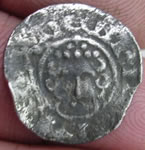 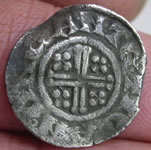 |
  |
|
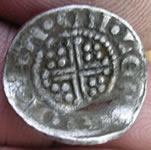
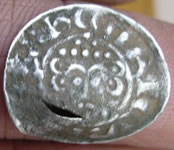
1189 - 1199 Richard 1st Hammered silver penny Class 4B Rev IOAN ON CANTE - Monyer IOAN - Canterbury Mint 1.16g, 18.10 |
1189 -1199 Richard 1st voided short crioss hammered silver penny - Class 5b Rev IOHAN .ON. LE(NE( - Moneyer Iohan , Kings Lynn Mint 2.05g, 18.77mm |
|
  |
  |
|
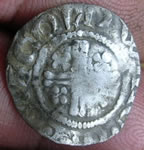
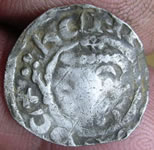
1190 AD Richard 1st hammered silver penny Class 3 Moneyer GOLDWINE LONDON |
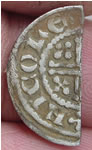
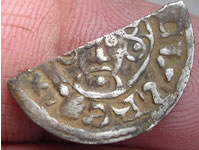
1189 AD Richard 1st short cross hammered silver cut halfpenny Class 4a 0.78g.19.23mm Moneyer NICOLE of YORK |
|
  |
  |
|
|
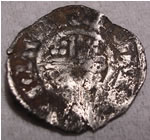
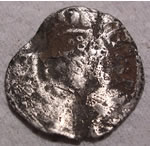
1190 AD Richard 1st hammered silver penny |
1190 AD Richard 1st hammered silver penny |
|
  |
  |
|
|
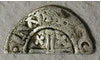
1189-1199 Richard 1st hammered silver half penny
|
1190 AD Richard 1st hammered silver penny |
|
 |
 |
|
|
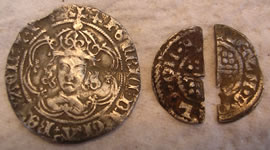
Henry VII
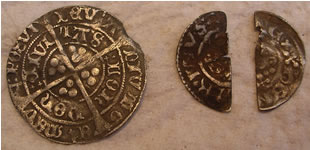
1487-8 full Groat Class IIIc with two half pennies of Henry III 1180
AD & Richard 1st 1189 AD
|
||
|
  |
|
|
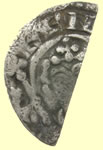
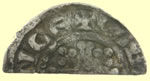
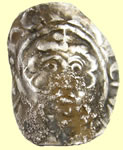
1189-1199 Richard 1st hammered silver half penny - Class 4a Obv HENRICVS REX Moneyer ALE(IN - Alein - Durham mint |
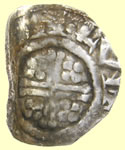
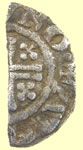
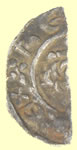
1194 Richard 1st hammered silver half penny Class 4a WILLELM - Winchester mint ***NC(E( |
|
  |
  |
|
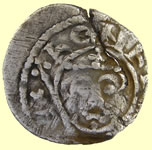
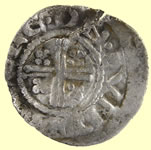
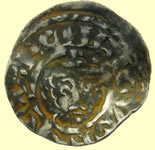
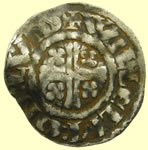
1189 - 1199 AD Richard 1st hammered silver penny - Class 4a - stops each side of on 17.01mm, 0.94g rev **ENE.ON.LVD - London mint - Moneyer Estevene |
1194 -1199 AD Richard 1st hammered silver cut half penny - Type 4a Moneyer ALE(IN (Alien of Durham mint) |
|
  |
  |
|
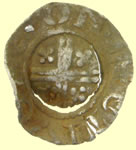
1189-99 Richard 1st hammered silver short cross penny Class 4a Obv HENRICVS REX Rev fVLKE( ON LVND -Moneyer Fvlke of London mint |
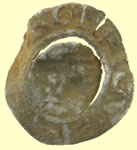
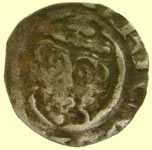
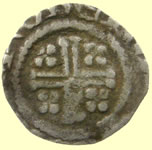
1190-1194 AD Richard 1st hammered silver shortcross penny - Class 3 Obv - HENRICVS REX Rev WILLELM.ON.LVD - Moneyer Willelm of London mint 1.33g, 19.94mm |
|
  |
  |
|
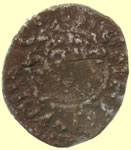
1194-1205 Richard 1st hammered silver short cross penny - Class 4b Rev STIVENE ON R ? Moneyer Stivene of London mint |
1189 Richard 1st hammered silver penny |
|
 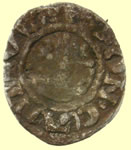 |
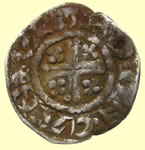 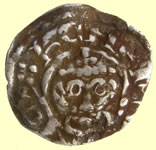 |
|
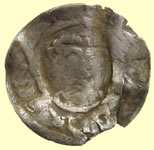
1189-1190 Richard 1st hammered silver voided short cross hammered silver penny Class 2 ('cooking' to remove horn silver crust ) Obv HENRICVS REX Rev VLARD ON CANT - Moneyer Vlard of Canterbury mint |
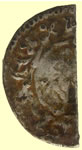
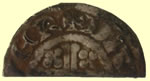
1189-1199 Richard 1st hammered silver short cross penny - Class 3 Obv HENRICVS REX Rev ON.CAN + WLARD - Moneyer Vlard of Canterbury mint |
|
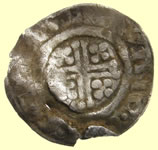  |
  |
|
1189-1199 Richard I short cross hammered silver penny Class 4b Obv HENRIVS REX Rev Moneyer Goldwine |
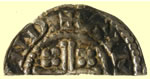
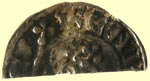
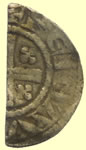
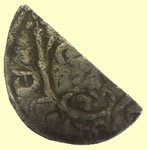
1189 Richard 1st hammered silver short cross half penny - Class 4 Rev VER+DA - Moneyer Davi of York Mint |
|
  |
  |
|
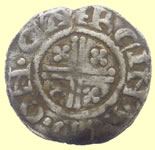
1189 Richard 1st hammered silver silver short cross halfpenny - Class 3-4a Obv hENRICVS REX Rev VND + AIM - Moneyer Aimer of London mint |
1189-1199 Richard 1st hammered silver short cross half penny Obv hENRICVS Rev + hERNAVD - Moneyer Hernavd of Canterbury mint |
|
  |
  |
|
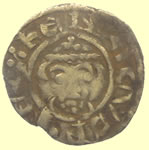
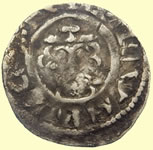
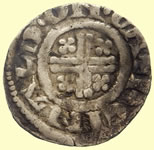
1189 Richard 1st hammered silver short cross penny - Class 3 Obv hENRICVS REX Rev REINAVD ON. CAN - Monyer Reinald of Canterbury mint |
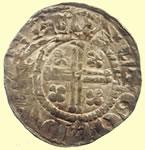
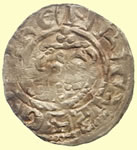
1189 Richard 1st hammered silver short cross penny - Class 3 Obv hENRICVS REX Rev + REINALD.ON.CA- Moneyer Reinald of Canterbury mint |
|
  |
  |
|
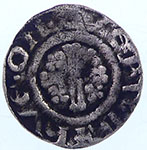
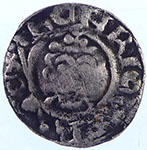
Double struck both sides 1189 Richard 1st hammered silver short cross penny- Class 3 Obv hENRICVS RE GO Rev + GOLDWINE *** - Moneyer Goldwine |
1190- 1194 Richard 1st hammered silver short cross penny - Class 3 Obv hENRICVS REX Rev + hVE.ON.EVER* - Moneyer HVE of York Mint |
|
John 1199 -1216
|
||
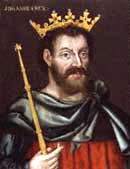 Three years later Richard was dead and John was king. War with France was renewed, triggered by John's second marriage. While asked to mediate between the rival families of Lusignan and Angoulême, he married the Angoulême heiress Isabella, who had been betrothed to Hugh de Lusignan. The Lusignans were not amused. A rebellion broke out and John was ordered to appear before his overlord in France, Philip II. He never showed up; war followed. By 1206, he had lost Normandy, Anjou, Maine and parts of Poitou. These failures were a damaging blow to John's prestige and he was determined to win them back. This required money. His government became increasingly ruthless and efficient in its financial administration. Taxes soared and he began to exploit his feudal rights ever more harshly. This heavy taxation bred increasing baronial discontent. An unsuccessful plot to remove him made matters worse. Negotiations between John and his barons failed and civil war broke out in May 1215. When the rebels seized London, John was compelled to negotiate further and, on 19th June at Runnymede, he accepted the baronial terms embodied in the Magna Carta, which ensured feudal rights and restated English law. This
settlement was soon rendered impractical by the more stubborn barons
and John's appeal to Pope Innocent. Innocent took his side and in the
ensuing civil war John laid waste to the northern counties and the Scottish
border. But he then had to face Prince Louis of France, who invaded
at the barons' request. John continued to wage war vigorously but died,
leaving the issues undecided. His death enabled a compromise peace that
restored the rebels and the succession of his son Henry III |
||
  |
  |
|
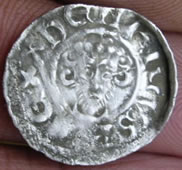
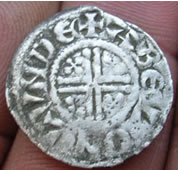
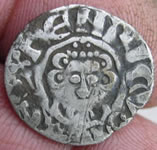
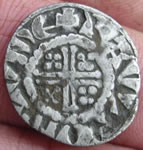
King John 1199 - 1216 hammered silver penny Class 6a2 Moneyer ABEL LVNDE - London mint |
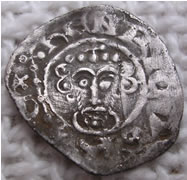
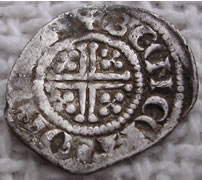
King John 1205 AD hammered silver penny Moneyer Beneit of London, class 5b |
|
  |
  |
|
1208/9 King John hammered silver shortcross penny - Class 6b2 Obv HENRICVS REX Rev RAVF ON LVNDE - Randvlf the moneyer - London mint 1.31g,18.16mm |
1199 AD
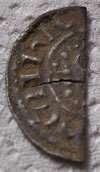
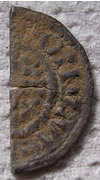
King John hammered silver shortcross cut half Class 5b
|
|
  |
  |
|
King John
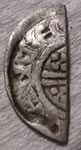
1199AD voided longcross hammered silver cut half penny 0.45g, 17.82mm
|
1199AD
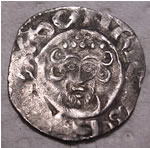
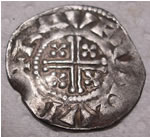
King John short cross hammered silver penny |
|
  |
  |
|
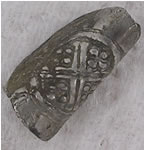
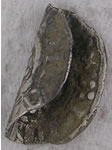
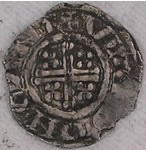
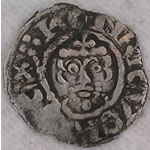
1199 AD King John short cross hammered silver penny- face side is mint Coin after straightening |
||
  |
|
|
1199
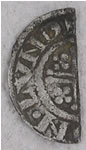
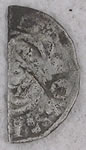
AD King John hammered silver half penny |
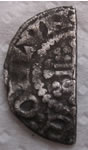
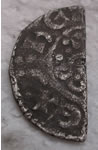
1204/5 AD King John hammered silver short cross Class 5 - 1.07g, 19.15mm |
|
  |
  |
|
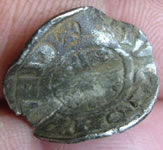
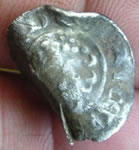
1204/5
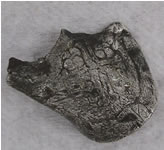
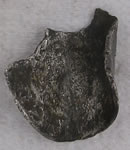
AD King John hammered silver short cross penny |
1199
King John hammered silver half penny |
|
  |
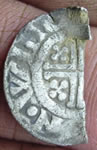 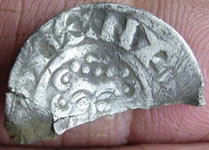 |
|
King John 1199 - 1216 hammered silver short cross penny Class 6c3 LVNDE - London mint obv HENRICVS REX rev ABEL ON LUNDE Moneyer Abel of London |
1199 King John voided short cross class 5c Moneyer Willelem London |
|
  |
 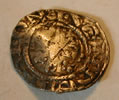 |
|
King John
short cross penny 1199-1216 ad Stivene on Lund |
King John
1205 AD hammered silver penny |
|
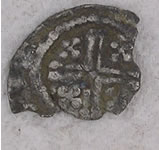 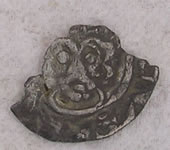 |
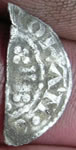  |
|
King John 1199 AD hammered silver penny |
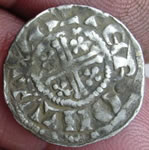
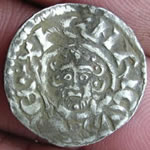
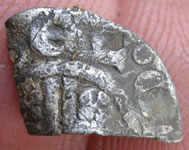
King John 1199 - 1216 hammered silver short cross half penny - Moneyer Iohan - Canterbury mint Class 5b |
|
  |
  |
|
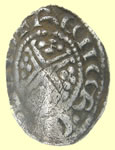
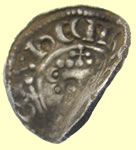
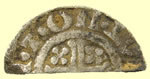
1208/9 King John hammered silver penny Class 6a2 Obv HENRICVS REX Rev +WALTE(R ON LV- Walter London 1.43g, 18.64mm |
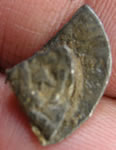
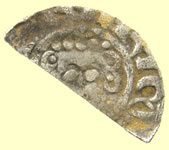
1199 King John hammered silver voided short cross cut half penny - nasty split so I cannot clean Obv. Rev Moneyer ABE(L ON LVND - Abel , London mint Class 5c |
|
  |
  |
|
1199 AD King John hammered silver penny - Class 5b2 Obv HENRICVS REX Obv RENER.ON. LVND Moneyer Rener - London mint 1.34g, 17.88mm |
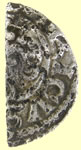
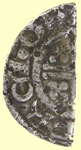
1199 AD King John hammered silver cut half penny Class 6a2 .***M.T.ON.LVD - Moneyer Willelm T of London |
|
|
  |
|
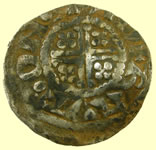
1204/5 King John hammered silver cut halfpenny Class 5a - E before sceptre Obv **** ald on *** 0.54g, 17.8mm |
1204/5 King John hammered silver half penny - Class 5b Obv HENRICVS REX Rev ****FRE(I. ON - Moneyer Gifrei of Norwich |
|
|
  |
|
1199-1216 King John hammered silver shortcross penny Class 5 5a to 5d Obc HENRICVS REX Rev RIC ***** LV - Moneyer Richard of London |
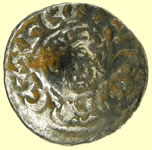
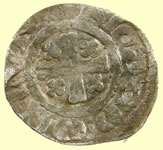
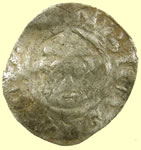
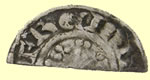
1204/5 John hammered silver short cross penny -Class 5c Obv HENRICVS REX Rev RAVF .ON. WIN -Moneyer Ravf of Winchester mint |
|
  |
  |
|
1199 King John hammered silver shortcross penny Obv HENRICVS REX Rev RICHARD ON LVND - Moneyer Richard of London |
1199 King John hammered silver short cross cut halfpenny - Class 5b Obv HENRICVS REX MONEYER Gifrie of Norwich |
|
  |
  |
|
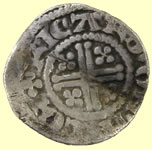
1199 King John hammered silver short cross penny Rev HEN/RIO/NLV/NDE - Moneyer Henri of London |
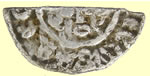
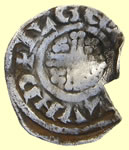
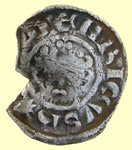
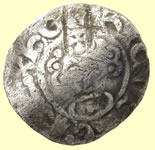
1199 King John haannered silver short cross cut halfpenny - Class 5 Ob HENRICVS REX Rev RICH **** LVN - Moneyer Richard of London |
|
  |
  |
|
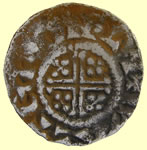
1199AD King John hammered silver short cross penny - 5b Obv HENRICVS REX Rev ILGE(B + LVND - Moneyer Ilger of London mint |
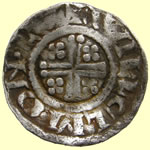
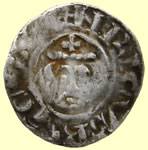
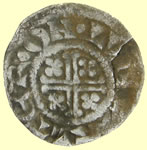
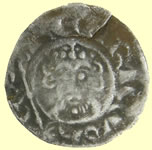
1119 King John hammered silver short cross penny - Class 5a Obv HENRICVS REX Rev RICARD ON NIC(OL Moneyer Ricard of Lincoln mint |
|
  |
  |
|
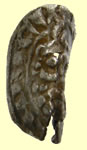
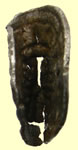
1199 John hammered silver short cross penny- Class 5c Obv HENRICVS REX Rev WALTEB ON.LVND Moneyer Walter of London |
Taco'd 1199 AD John hammered silver short cross penny |
|
  |
  |
|
1199 King John hammered silver shortcross penny - Class 5b Obv HENRICVS REX Obv WILLE(LML.ON.LVD - Moneyer Willelm of London mint |
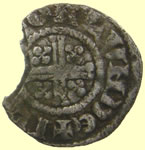
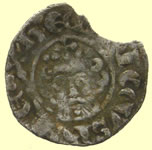
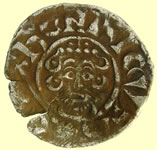
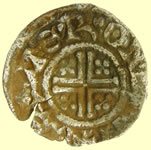
1204/5 King John hammered silver shortcross penny - Class 5c Obv HENRICVS REX Rev WALTER .ON.LVD |
|
  |
  |
|
1208-9 King John hammered silver short cross penny - Class 6c1 Obv HENRICVS REX Rev ***ON LVNDE+IG ** - Moneyer ILGER of London mint |
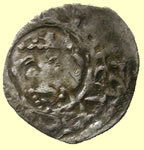
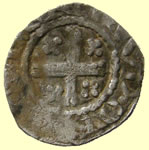
1199-1216 King John hammered silver short cross penny Class 5c Obv HENRICVS REX Rev WALTER.ON LVND+ Moneyer Walter of London mint |
|
  |
  |
|
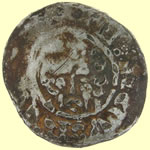
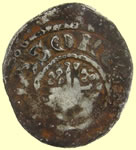
1204/5 King John hammered silver short cross penny Class 5 Obv HENRICVS REX Rev ANDREVD.ON. CANTR- Moneyer Andreu of Canterbury mint |
1199 King John hammered silver short cross penny Class 5b Obv HENRICVS REX Rev TOMAS ON EV** Moneyer Thomas of York mint |
|
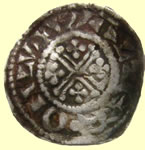 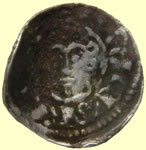 |
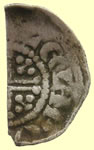 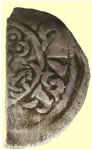 |
|
1204 King John hammered silver penny - Class 5a2 Obv WALTER.ON.LVD - Moneyer Walter of London |
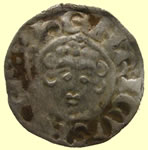
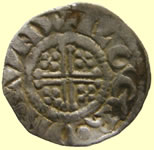
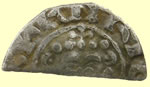
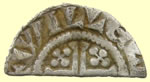
1199 John hammered silver short cross half penny - Class 5b | |
  |
  |
|
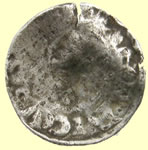
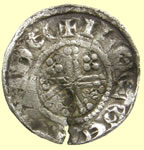
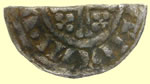
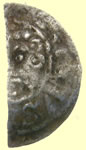
1199 John hammered silver penny - Class 5c Obv HENRICVS REX Rev ILGIER ON LVND - Moneyer Ilger of London mint |
1199 King John hammered silver short cross half penny - Class 5b Reb + Willel ** , Moneyer Willelm |
|
  |
  |
|
1199 John hammered silver penny - Class 5b2 Obv HENRICVS REX Rev ILGEIR ON LVNDE - Moneyer Ilger of London mint |
1199 John hammered silver half penny - Class 5 Obv HENICVS REX Rev ** AN ON W** - Moneyer Iohan of Winchester mint |
|
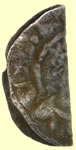 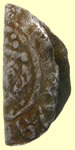 |
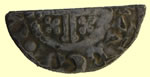 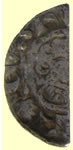 |
|
Taco'd 1208-9 John hammered silver voided short cross hammered silver penny Class 6 Obv HENRICVS REX |
1204-5 King John hammered silver short cross half penny- Class 5 Obv HENRICVS REX Rev +ABEL.ON. *** Moneyer Abel of London mint |
|
  |
  |
|
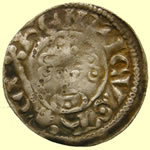
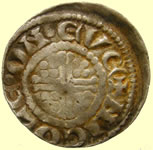
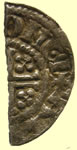
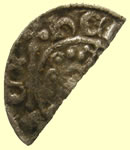
1194 -1214 John hammered silver short cross penny - Class 4 Obv HENRICVS REX Rev TVRKILL.ON.EV - Moneyer Tvrkill of York mint |
1204/5 John hammered silver short cross penny - Class 5c Obv HENRICVS REX Rev - *** ON LVNDEI - London mint |
|
  |
  |
|
1199 John hammered silver short cross penny Class 5b2 Obv hENRICVS REX Rev + NICOLE .ON.EVC - Moneyer Nicole of York mint |
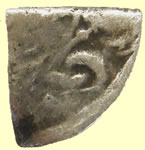
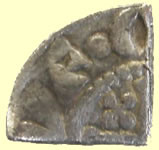
1199 John hammered silver silver short cross halfpenny - Class 5a Obv hENRICVS REX Rev ONGI + AL - Moneyer Alisandre of Ipswich mint |
|
  |
  |
|
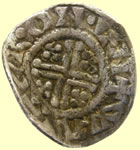
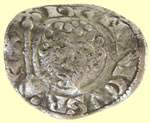
1199 John hammered silver short cross farthing - Class 4 to 5 Obv hENRICVS REX Rev VE.O - Moneyer Heve of Canterbury mint |
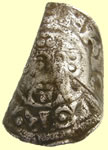
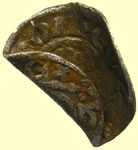
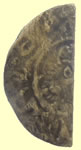
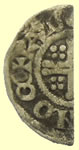
1204 John hammered silver short cross penny - Class 5 Rev hENRICVS REX Rev +WALTER.ON.LVN Moneyer Walter of London mint |
|
  |
  |
|
1204- 5 John hammered silver short cross penny - Class 5b - Egg wasted S Obv hENRICVS R.EX Rev .ON.EVE - York mint |
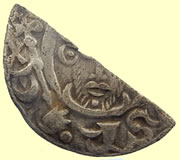
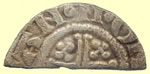
1199- 1216 John hammered silver short cross half penny - Class 5b Rev NOC+ AIL - Moneyer Ailwine of Oxford mint |
|
  |
  |
|
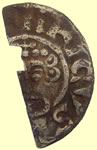
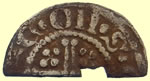
1199-1216 John hammered silver short cross half penny - Class 5b2 Obv HENRIC REX Rev AN.M. ON - Moneyer IOhAN M of Canterbury |
1204 John hammered silver short cross half penny - Class 5 Rev E.ON.S. - Moneyer Fv(o)lke of Bury St Edmunds mint |
|
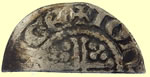 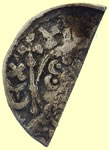 |
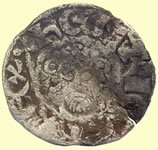 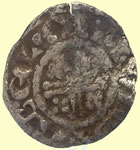 |
|
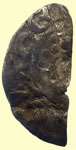
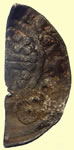
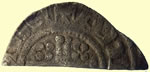
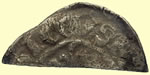
1199 John hammered silver short cross half penny Class 5 Obv hENRIC REX Rev CE+TOM - Moneyer Thomas of Chichester mint Thomas did not issue out of Chichester in ref books?? |
1199 King John hammered silver short cross penny - Class 5c - St Andrews cross Obv hENRICVS REX Rev ABEL.ON.LVND - Moneyer Abel of London mint |
|
  |
  |
|
1199 John hammered silver short cross half penny - Class 5 Obv hE Rev CA+CO - Moneyer Coldwine of Canterbury mint |
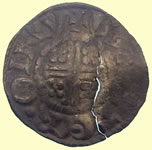
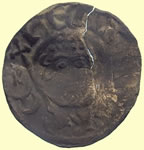
1199 John hammmed silver short cross half penny - Class 5 Obv RICVS R** Revv +AB - Monyer Abel of London |
|
  |
  |
|
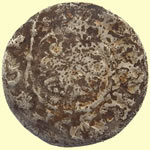
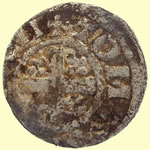
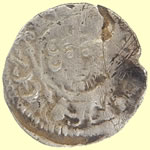
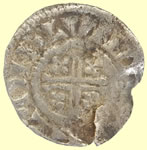
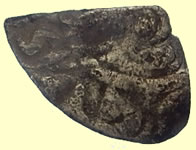
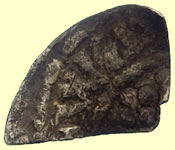
1199 John hammered silver short cross penny - Class 5c Obv hENRICVS REX Rev ON.LV + RALTER - Moneyer Ralter of London mint |
1199 John hammered silver short cross penny Obv hENRICVS REX Obv +TOMAS *** N- Moneyer Tomas, probably Canterbury mint class 5 |
|
  |
  |
|
1199 John hammerd silver short cross penny - class 5c Obv hENRICVS REX Rev ON LVND - London mint |
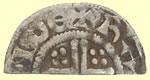
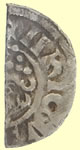
1199 John hammered silver short cross farthing - Class 5c -6c1 Rev WAL - Moneyer Walter |
|
  |
  |
|
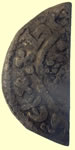
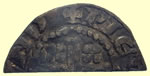
1199 King John hammered silver short cross penny - Class 5a-5b Obv RICVS R ** Rev ICE+RA - Moneyer Ravlf of Chichester mint |
1199 John hammered silver short cross half penny - Class5 Rev VND + RIC - Moneyer Richard of London mint |
|
  |
  |
|
1199 John hammered silver short cross halfpenny - Class 5 Rev ICE+SIM - Moneyer Simon of Chichester |
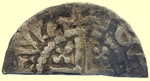
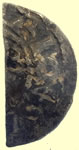
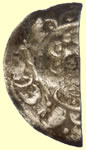
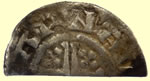
1199 John hammered silver short cross penny - Class 6 Obv hENRICVS REX Obv + SAMVEL ON CA - Moneyer Samvel of Canterbury mint |
|
  |
  |
|
1199 John hammered silver short cross half penny Moneyer Walter |
1199- 1216 John hammered silver short cross half penny - Class 5 Obv h*** REX ** Rev ARNAV - Moneyer Arnavd |
|
  |
  |
|
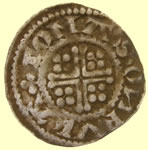
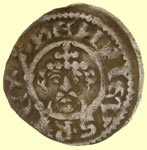
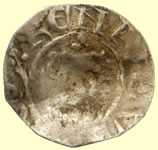
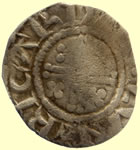
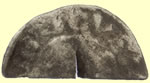
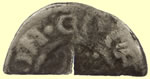
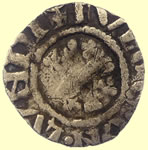
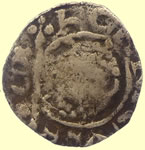
Stunning example of a Wales mint 1190 -1205 King John hammered silver short cross penny of the Rhuddlan mint - Class ii Obv HENRICVS REX Rev TOMAS.ON.RVLA - Moneyer Tomas of Rhuddlan Wales mint Short cross coins were produced during the period 1180-1215 at this mint |
1199-1216 John hammered silver short cross penny -class 5a2-Cross pommee in reverse inscription Obv HENRICVS REX Rev + RICARD T ON LVN - Moneyer Ricard T of London mint |
|
|
  |
|
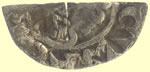
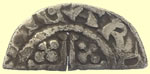
1199 John hammered silver short cross half penny - Class 5b Obv *ENRICVS REX Rev REV/ON C- Moneyer Andreu of Canterbury mint |
1199 John silver short cross half penny - Class 5b Obv *ENRICVS ** Rev ON.CICE - Chichester mint |
|
  |
  |
|
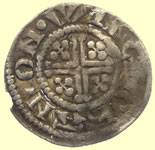
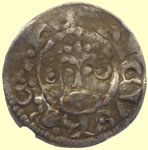
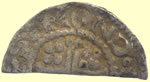
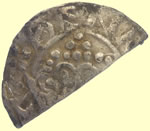
1199 - 1216 John hammered silver voided short cross penny - Class 5b Obv hENRICVS REX Rev IOhAN. ON .WINC- Moneyer Iohan of Winchester mint |
1199 John hammered silver short cross half penny - type 5 Rev RICARD -Moneyer Ricard |
|
  |
  |
|
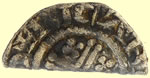
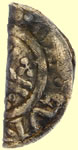
1190-1205 John hammered silver short cross half penny- Class ii Obv hENR**** Rev SIMOND.- Moneyer Simond of Rhuddlian mint |
1199 John hammered silver short cross penny Class 4 to 5b Obv hENRICVS REX Rev + FVLkE.ON.LVNDI - Moneyer Fvlke of London mint |
|
  |
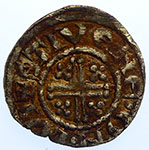 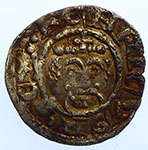 |
|
Taco'd 1199 John hammered silver short cross penny - Class 5 Rev +RICARD.ON.LVND - Moneyer Ricard of London mint |
1194-1204 John hammered silver short cross penny, Class 4a Obv hENRICVS REX Rev +STIVENE.ON.LVI - Moneyer Stivene of London mint (Class 2 -4b) |
|
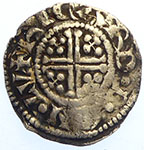 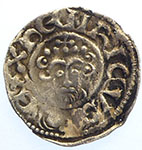 |
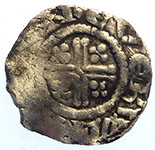 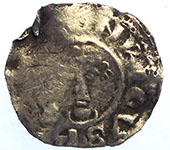 |
|
1199 John hammered silver short cross penny - Class 5b Obv hENRICVS REX Rev +RICARD.B.ON.LV - Moneyer Ricard B of London mint |
1199 John hammered silver short cross hammered silver penny Obv hENRICVS REX Rev *** ON.EVERWL+ - York mint |
|
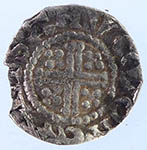 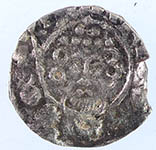 |
  |
|
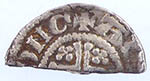
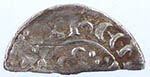
1199-1216 John hammered silver short cross penny - Class 5c Obv hENRICVS REX Rev +SAMVEL.ON.C ** - Moneyer Samvel of Canterbury mint |
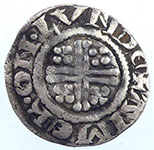
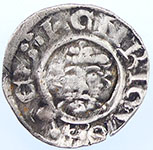
1199 John hammered silver short cross half penny - Class 5 Obv hEN*** Rev NC+AD - Moneyer Adam of Winchester mint |
|
  |
  |
|
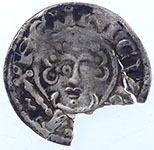
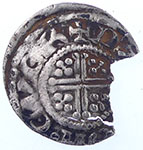
1190-1194 King John hammered silver short cross penny Class 3 Obv hENRICVS REX Rev + AIMER.ON.LVNDE - Moneyer Aimer of London mint |
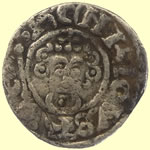
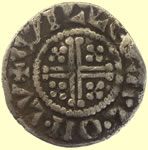
1199 King John hammered silver short cross penny - Class 5b Obv hENRICVS Rev +DA***.ON. EVER - Moneyer Davi of York mint |
|
  |
  |
|
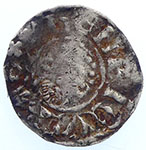
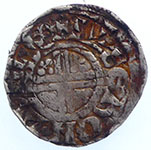
1205 King John hammered silver short cross penny - Class 5b Obv hENRICVS REX Rev WILLELM L.ON.LV - Moneyer Willelm L of London mint |
1199 King John hammered silver short cross penny- class 5 Obv hENRICVS REX Rev ILGER 0N LVNI - Moneyer Ilger of London mint |
|
  |
  |
|
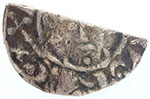
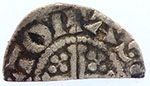
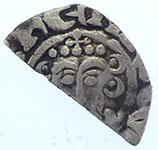
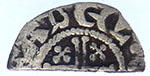
1199 John hammered silver short cross half penny Obv ** VS REX Rev TOMAS - Moneyer Tomas |
1199 John hammered silver short cross half penny - Class 5c Obv hENRICVS REX Rev **ABEL- Moneyer abel of London mint |
|
 |
||