Metal detecting holidays in England with the World's most successful metal detecting club.
Twinned with Midwest Historical Research Society USA
|
Romano/British
Artefacts |
|
In 55 B.C. the Roman general Julius Caesar conquered France (At the time the country was called Gaul, and the Romans called it Gallia). The Gauls fought hard against the Romans and had been helped by their friends in Britain. Caesar was upset by their assistance and decided to teach the Britons a lesson.
Julius Caesar made two attempts to invade Britain, first in 55 B.C. and then again in 54 B.C. Both times the British warriors and the rotten British weather made his army give up and return to Gallia. Nearly a hundred years later in 43 A.D. the Emperor Claudius sent another army to invade Britain. This time the Romans were successful, Roman Britain had begun! |
|
Romano British finds See new Roman finds index page |
|
New Roman/British silver coin page click here New seperate Roman gold coin page click here New separate Roman military artefact page click here New Roman mounts page click here |
Roman amphora jug handle
Possible Romano/British silver handle - reported as treasure to Colchester museum 11.84g, 33.36mm w x 41.46mm H x 7.24mm T |
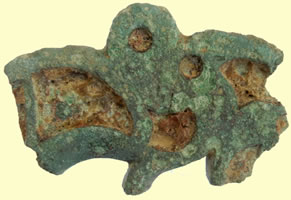
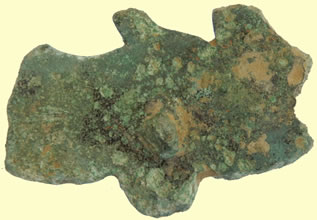
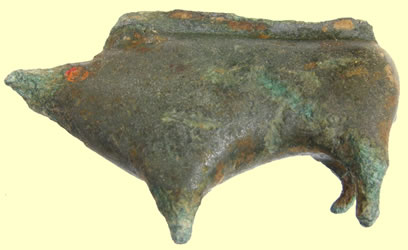
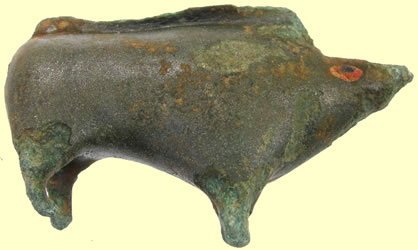
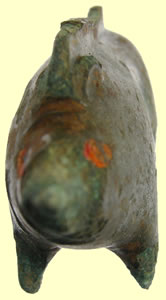
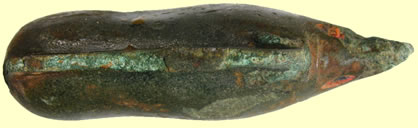
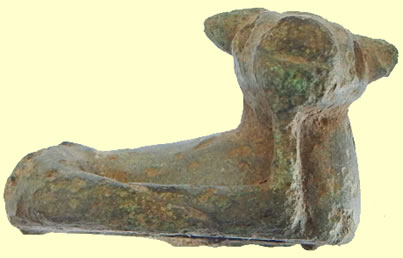
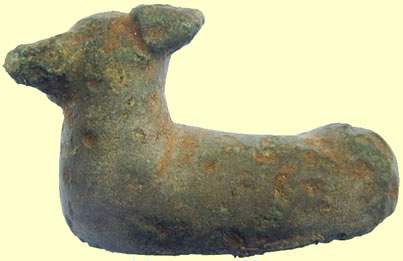
Stunningly beautiful - Romano/British bronze razor back pig/hog offering red enamelled eyes - 65.56mm L x 39.9mm H 148g
Roman 1st/2ndC copper alloy votive offering
|
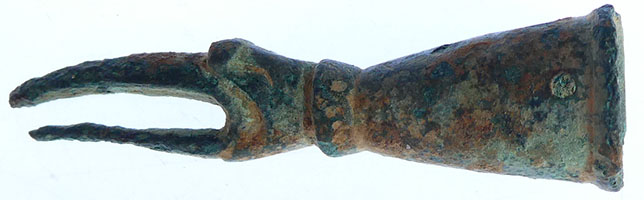
Roman animal headed fork
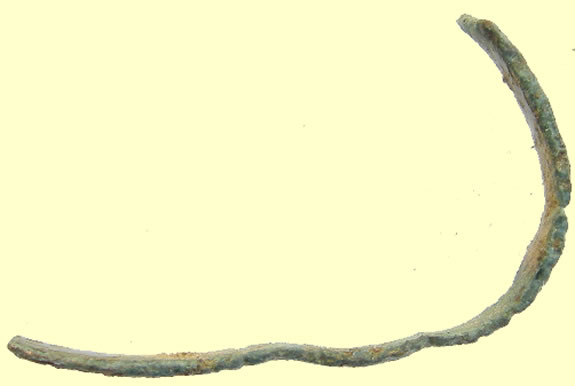
Roman bracelet |
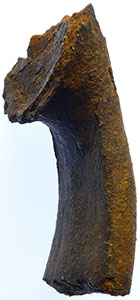
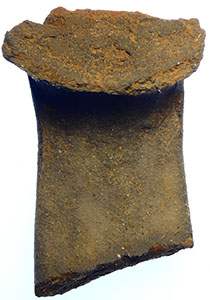
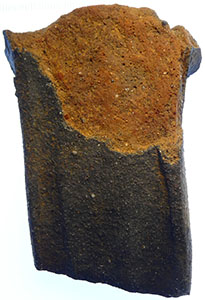

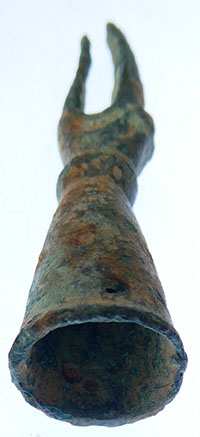
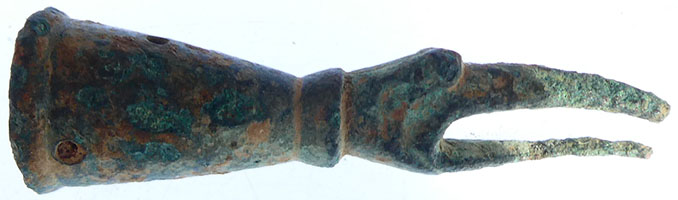
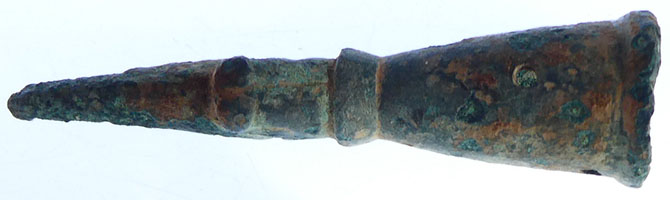

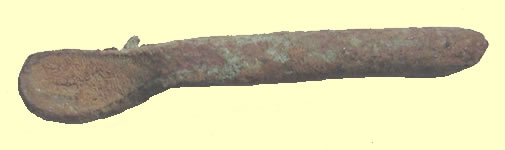
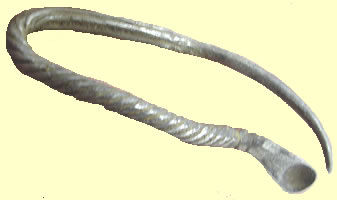
Ear wax scrapers
|
|||
|
|||
Tweezers
|
|||
Offerings |
|||
|
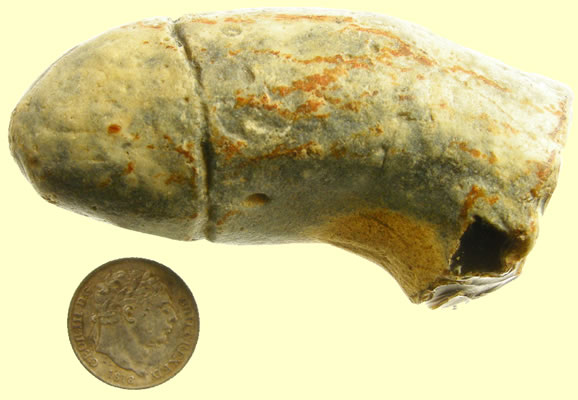
Full size Roman stone phallic ornament, George III sixpence for size - 72.5 mm L x 30.71mm W
|
|||
|
Romano/British
mount
38.68g,
55.64mm L x 15.43mm W x33.39mm H |
|||
  |
  |
||
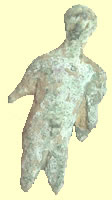
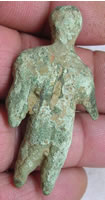
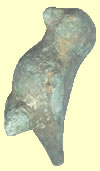
| Roman votive offering figurines | |||
 |
|
||
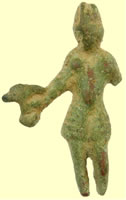
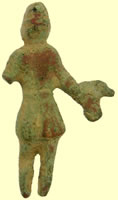
| Roman votive offering figurines | |||
Roman buckles and tongues |
|||
|
|||
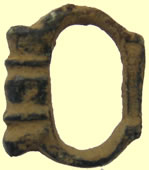
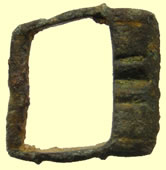
Roman - Cast copper alloy buckle tongue with half of it's loop broken. File marks are evident on the sides and underside. Three incised lines decorate a raised rectangle at the base of the loop - Ref Bishop 186 |
|||
Buckles
|
|||
|
|||
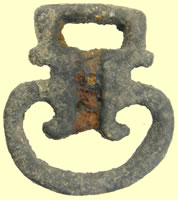
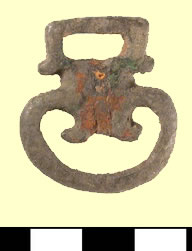
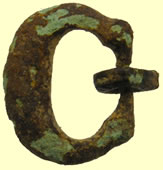
Previously thought to be 10thC Saxon with the classic circle decoration - currently with Colchester museum - ID'd as Roman period Roman strap fitting (with ring-and-dot decoration) 4.73g, 26.71mm L x 12.57mm W |
|||
   |
|||
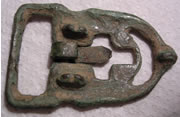
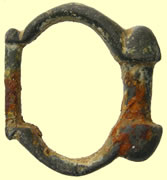
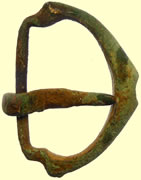
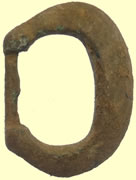
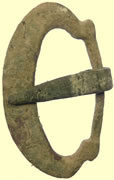
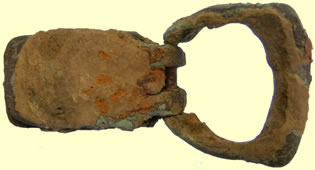
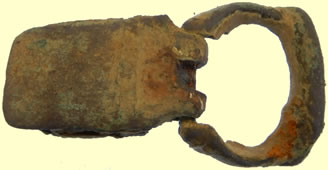
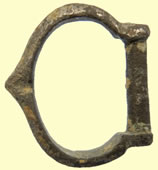
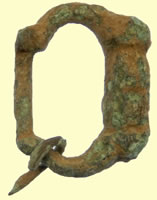
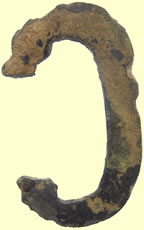
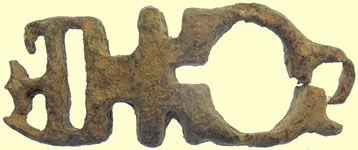
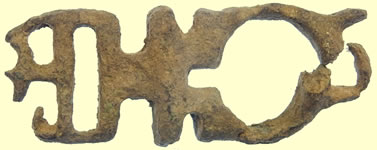
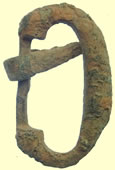
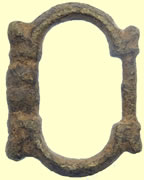
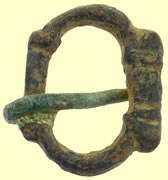
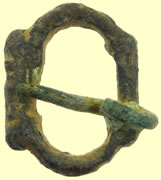
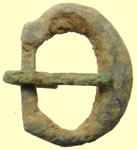
4thC Roman buckle - very unusual type with central iron mounting - seperate bar for attachment of belt 34.81mm L x 30.76mm ESS-F7E490 Roman military buckle An early Roman cast copper alloy buckle. A 'pelta' style buckle associated with the military equipment of the 1st and 2nd century AD, typically used on sword belts. The buckle frame is oval (30.43mm wide), with the terminals curving back in on themselves forming a decorative swirl. The bar is obscured by the pin which is iron and has rusted onto the bar. The remainder of pin has broken off. Attached to the oval frame is a smaller (20.17mm wide) rectangular frame with a grooved pin rest. The colour of the buckle is dark green with rusting around the pin. Cuddeford pages 8 and 9 has parallels, the closest of which is no. 4 on page 9.
|
|||
  |
 |
||
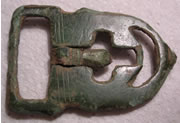
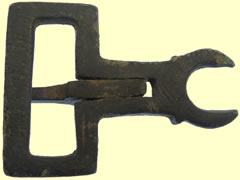
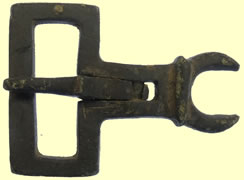
| Byzantine 4thC buckle | |||
  |
 |
||
 |
 |
 |
|
  |
 |
||
 |
  |
||
  |
|||
|
|||
Roman pendants |
|||
|
|||
Roman spear butt
|
|||
   |
|||
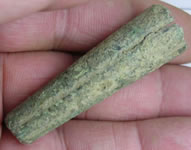
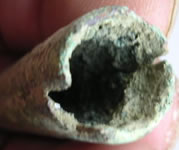
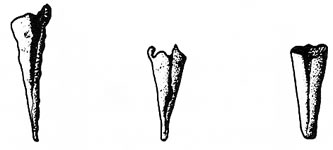
3rd C Roman spear butt – Osterburken type Ref Coulston - Drawing Roman 3rdC spear butts |
|||
Votive offerings and figurines |
|||
   |
|||
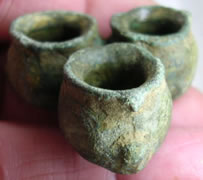
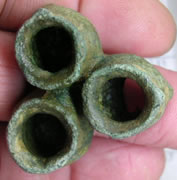
Roman bronze artefact 35.8g, 36.46mm W x 14.73mm H - votive offering pots |
|||
|
|||
Roman 1st/2ndC copper alloy votive offering |
|||
Roman lead sling shot/ballista |
|||
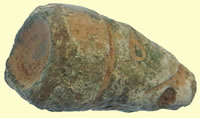
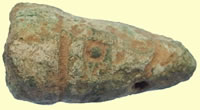
Roman lead sling shot 36.66mm L x 18.38mm dia, 62.16g |
|||
Roman harness loop junction - 2 rivet fixing |
|||
|
|||
Roman bronze beads |
|||
|
|||
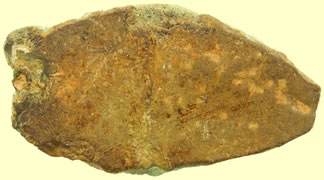
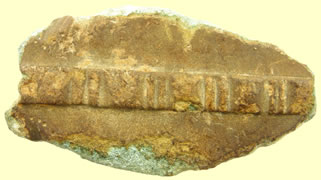
Roman strap ends |
|||
  |
|||
Roman bronze decorated Amphora strap end 44.38mm L x 23.89 W 17.23g |
|||
|
|
||
Roman bronze strap end |
Roman bronze strap end - rivet fixings |
||
|
|||
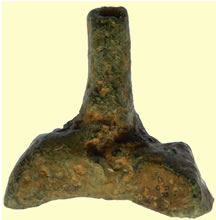
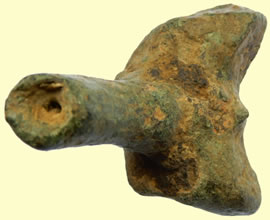
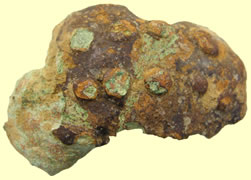
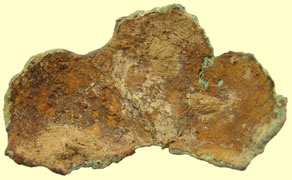
Interesting Roman piece - socketed end to support a shaft - medical implement ? - one for the museum |
|||
  |
|||
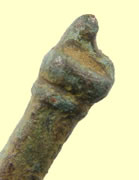
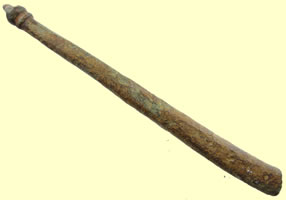
Roman decorated dagger quillion fragment - petal design 38.34 mm dia
|
|||
  |
|||
Roman weighing scale arm - dots indicate pound marks |
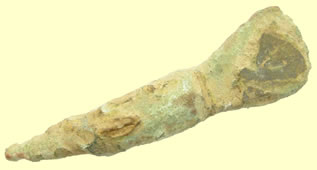
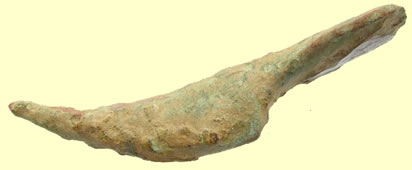
Romano/British mount |
||
  |
|||
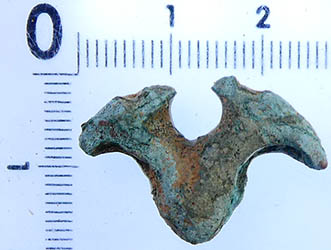
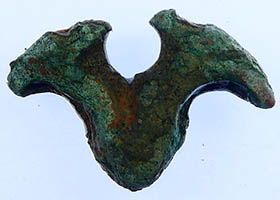
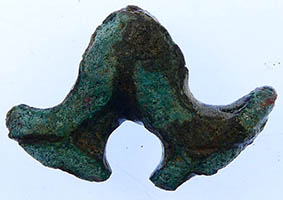
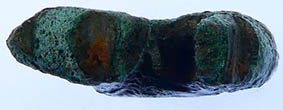
Roman bronze artefact - Looks like this is the bow part of a fibular brooch but I think it is a small Roman votive offering pot leg - researching it more |
|||
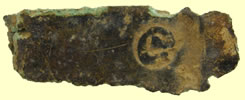 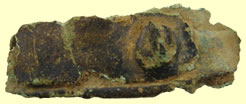 |
|||
Roman riveted plate |
|||
|
|||
Possible Roman balance arm
|
|||
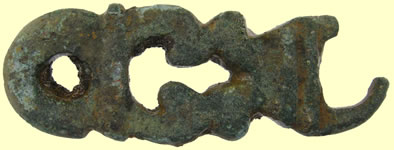
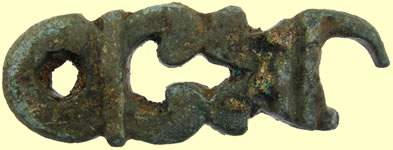
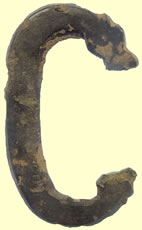
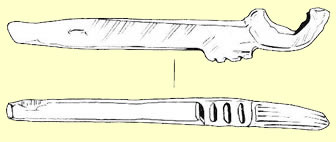
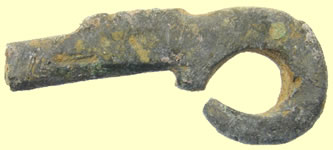
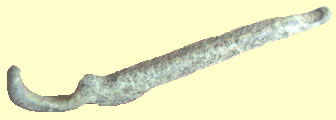
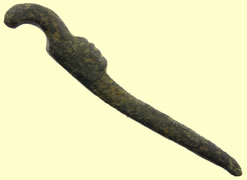
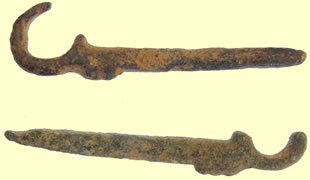
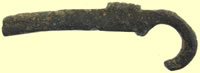
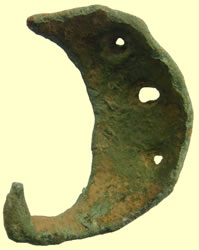
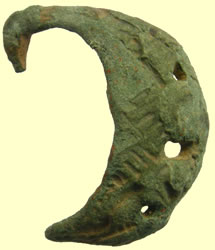
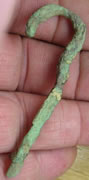
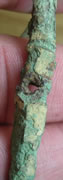
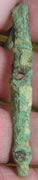
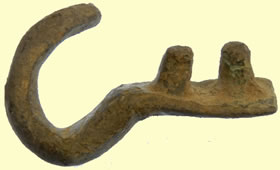
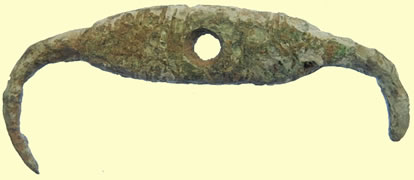
Roman cloak hook |
|||
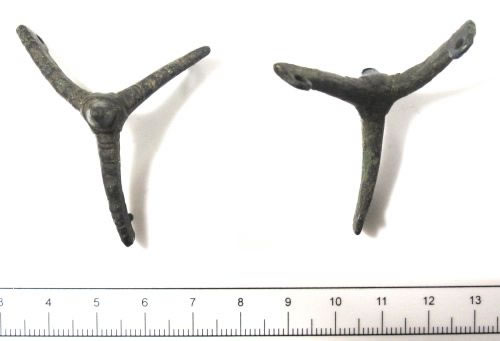
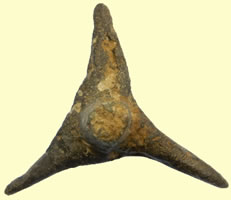
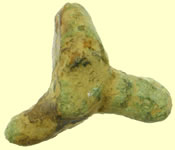
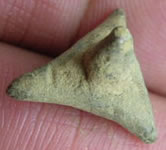
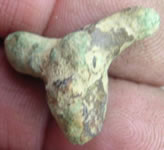
Unique ID: DUR-1079B4 Roman prick spur A copper alloy Roman prick spur probably dating to the fourth century AD. The spur is made up of three projecting arms with approximately 90 degrees between each arm. On two of the arms are small loops and a break suggesting one on the third arm. There is a hexagonal area in the centre of the three arms and this is where the spur is attached. The spur is cone shaped. On each of the arms there is incised linear decoration. Spurs such as this example are thought to be of a British type and have been found in fourth and fifth century contexts. Although spurs are primarily military in character it is not unusual to find spurs of this type in rural locations. Similar examples have been recorded on the PAS database: DENO-8FB8E3 and LIN-D3B115.
|
|||
|
|||
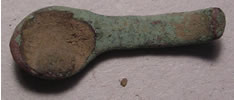
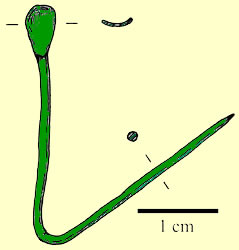
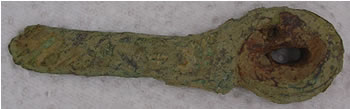
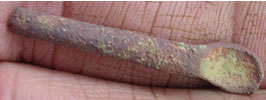

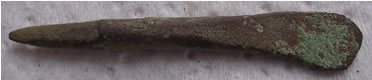
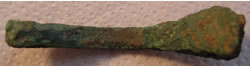
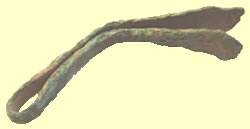
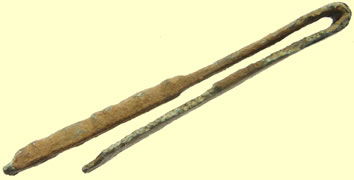
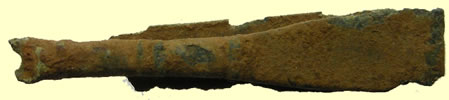


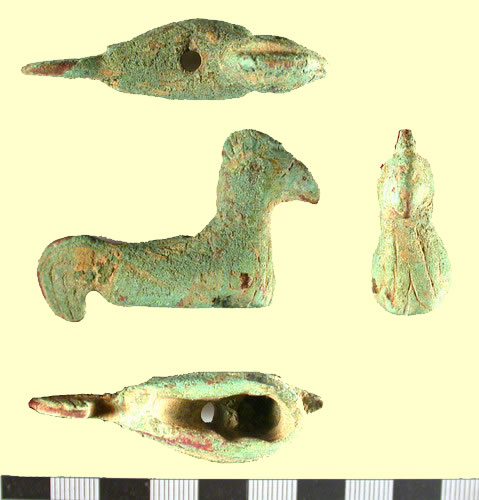
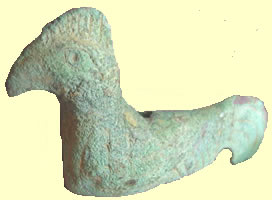
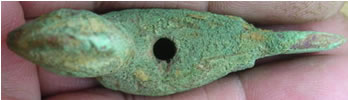
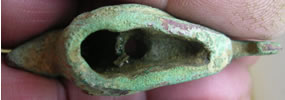

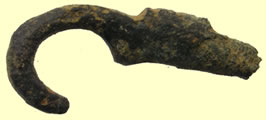

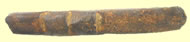
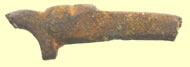
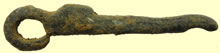
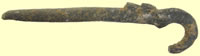
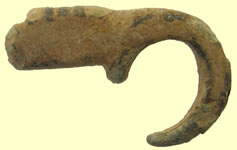


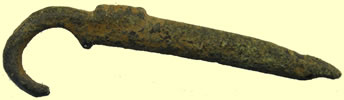

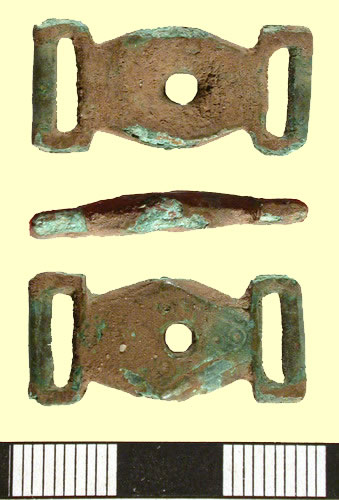
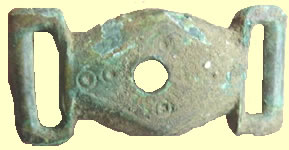
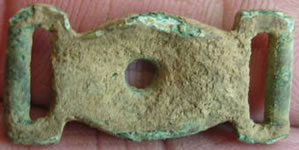
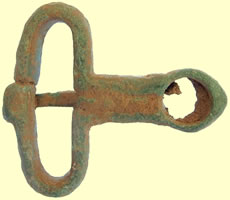
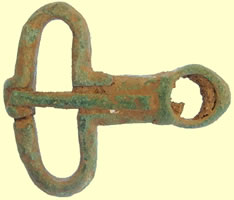
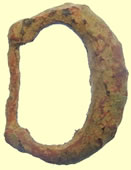
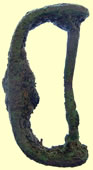
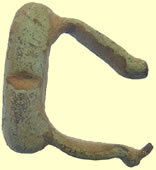
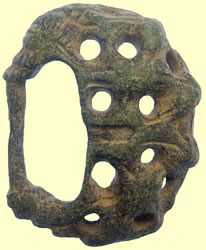
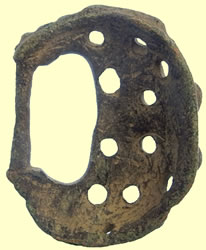
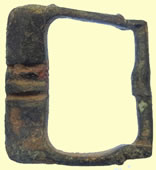
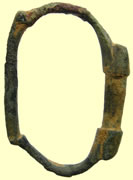
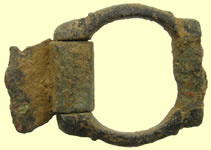
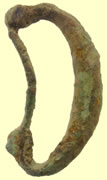
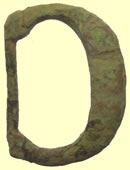
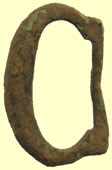
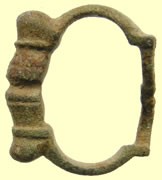
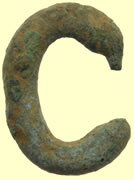
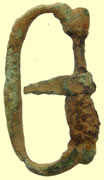
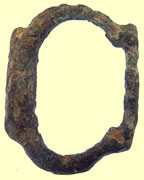
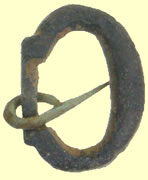
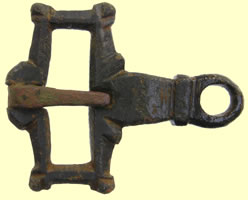
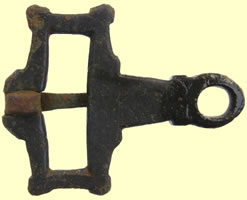
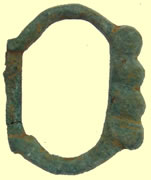
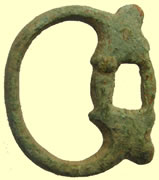
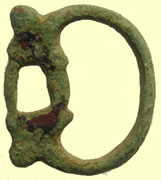
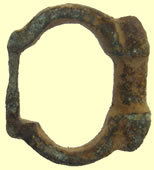
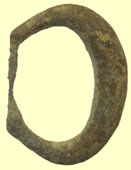
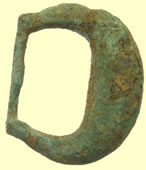
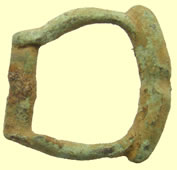
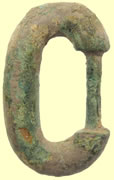
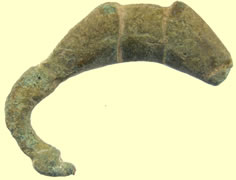
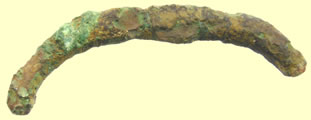
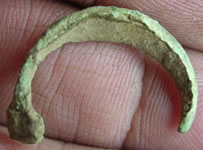
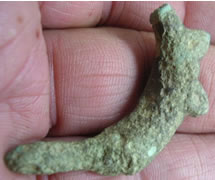
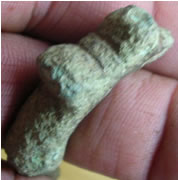
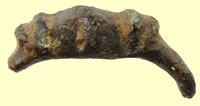
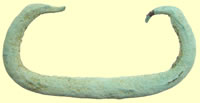
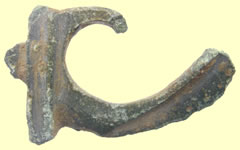
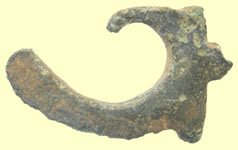
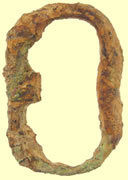
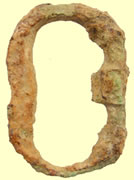
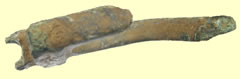

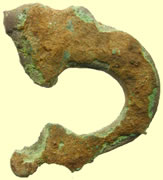
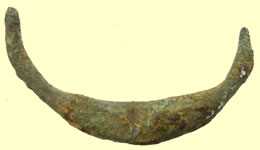
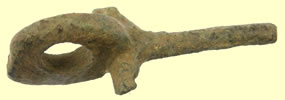
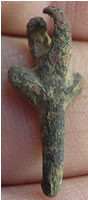
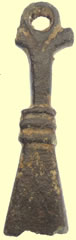
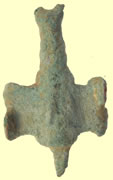
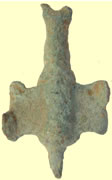
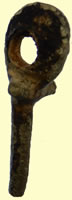
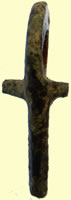
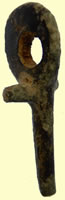
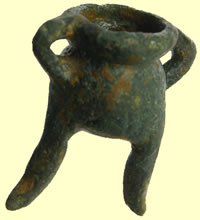
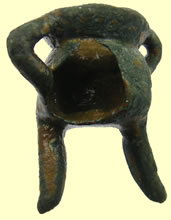
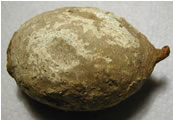
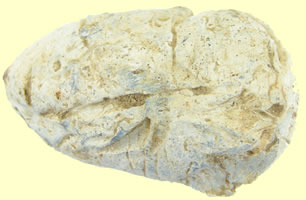
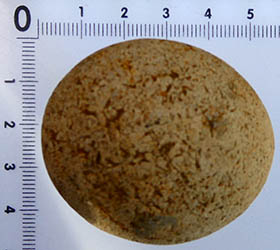
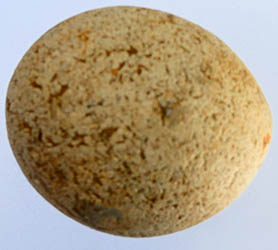

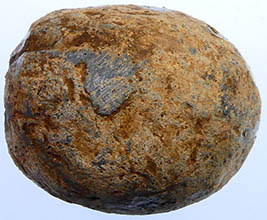
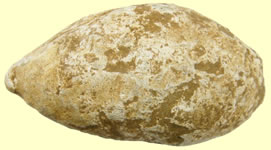
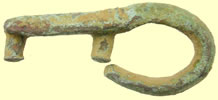
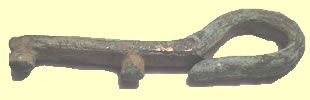
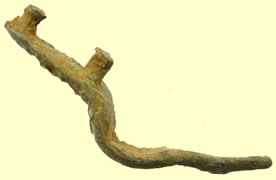
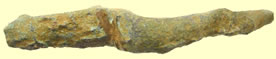
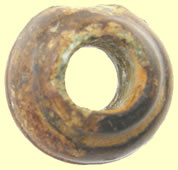


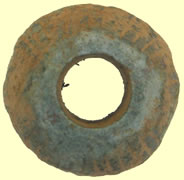
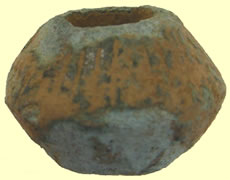
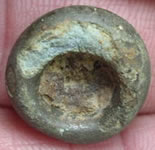
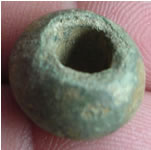
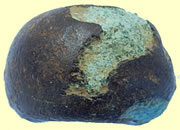
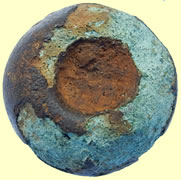

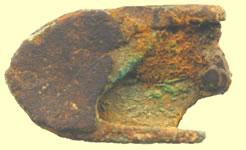
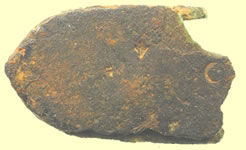
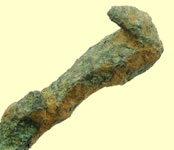
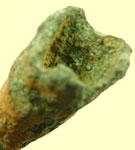
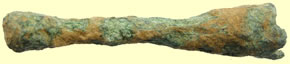
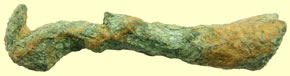
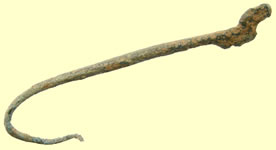

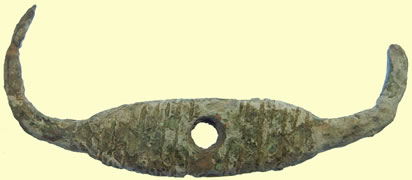
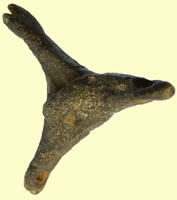
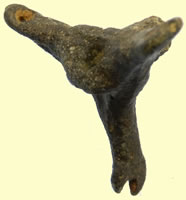
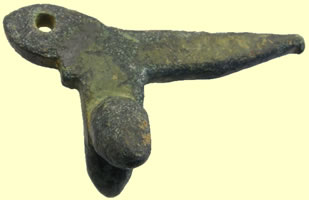
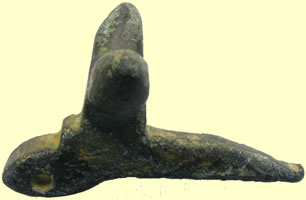
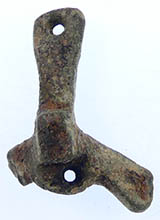
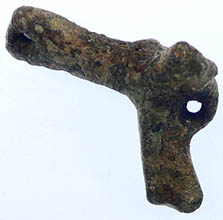
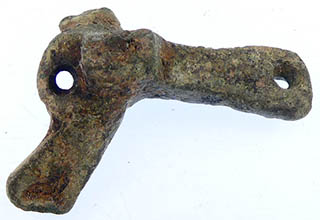
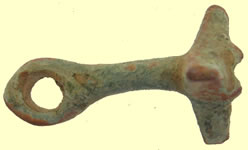
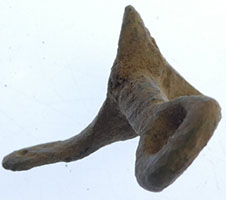
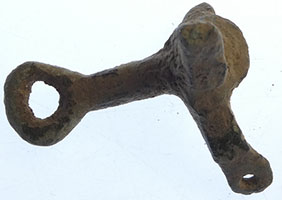
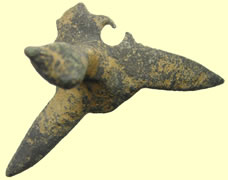
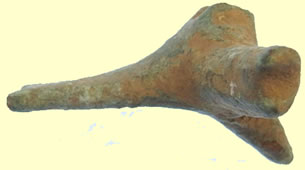
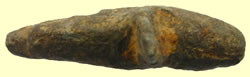
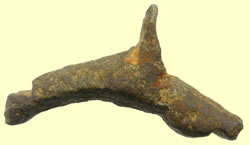

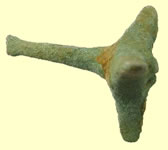
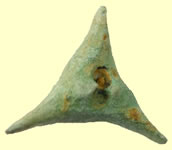
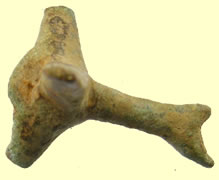
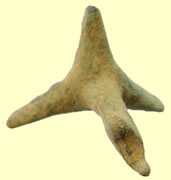
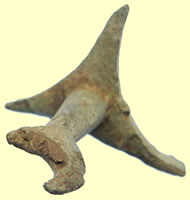
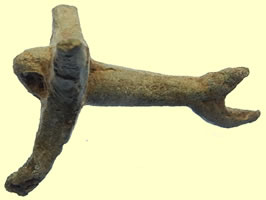
Huge chunk of ornate cast Roman bronze - possibly swivel harness stap fitting |
|||
|
|||
 |
|||
Huge Roman mount |
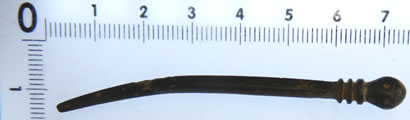
Roman pin |
Decorated Roman bronze finial |
|
Roman mount |
Roman baldric mount - yellow enamel and silver highlights remain |
2ndC Roman fibular brooch | |
 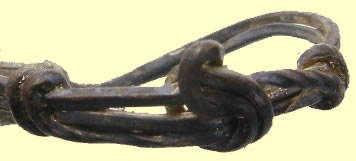 |
|||
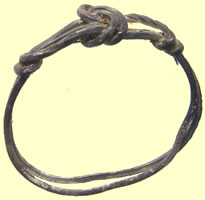
| Twisted silver wire ring - reported as potential treasure to museum | |||
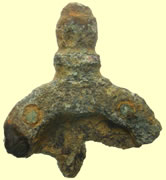 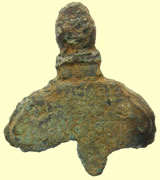 |
|||
| Roman hanging pendant - circule design | |||
|
|||
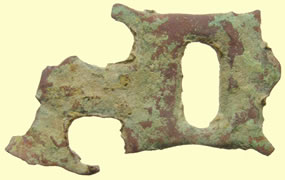
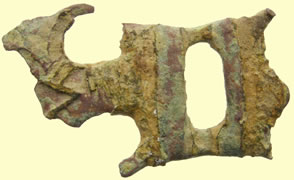
Interesting early item like a protected loop terret - offset wear means it is some type of strap guide
|
|||
  |
|||
|
|||
| Roman knopped bronze pin | |||
|
  |
||
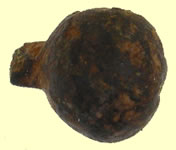
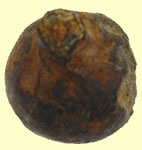
| Roman helmet trim | Roman pin head | ||
|
|||
 |
|||
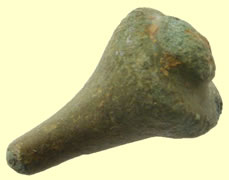
| 4th Roman buckle | Roman bronze mount | ||
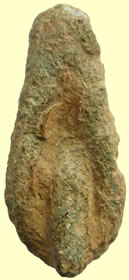 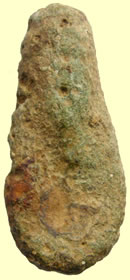 |
|||
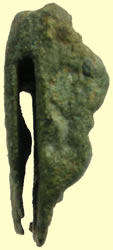
| Huge Roman bronze phallic pendant | Roman ornate buckle | ||
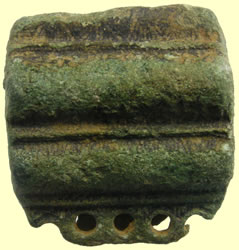 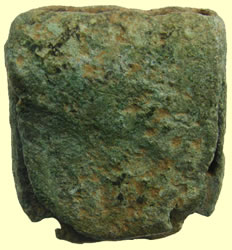  |
|||
| Large Roman bronze belt clasp | |||
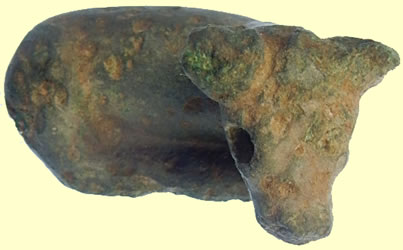
| Roman animal headed bucket mount | |||
|
|||
| 1st to 3rd C Roman key ring | |||
| Roman bronze terret ring | |||
  |
|||
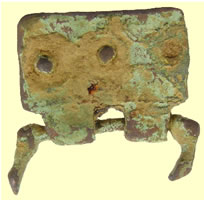
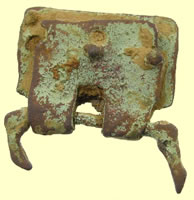
| Roman military buckle with integral chape | |||
 |
|||
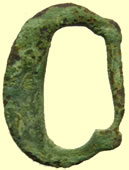
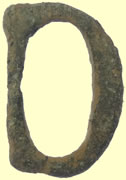
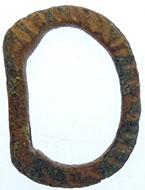
| Roman 'Delos' buckle frame | |||
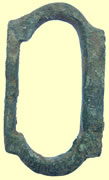
| Roman deleos buckle fragment | Roman plain loop buckle | ||
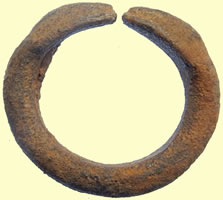
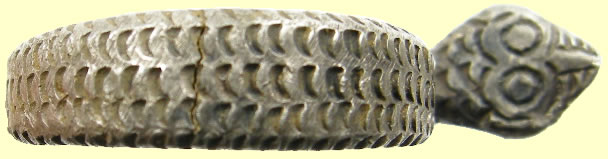
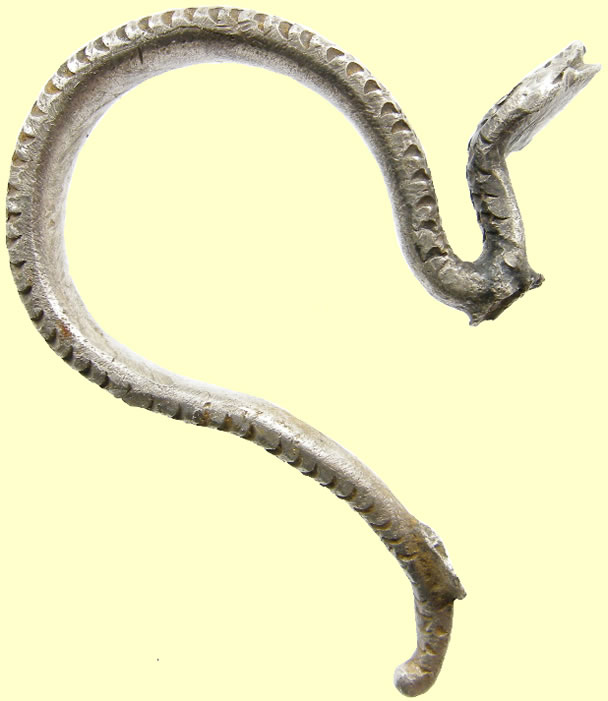
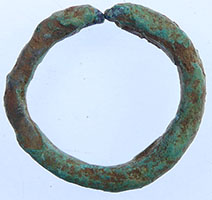
Iron Age snake headed finger ring |
|||
Roman bronze enameled widget - possible balance weight pivot - needs more research |
|||
Large Roman champlevé enamel inlay fragment- reminds me of Terret ring size Possible large zoomorphic brooch |
|||
Picture at the British museum A complete copper-alloy Roman pin of probable mid first to mid second century date
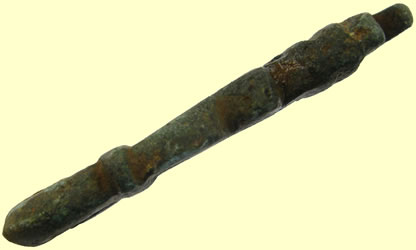
Roman decorated stick pin 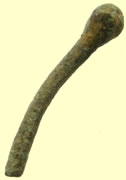
|
|||
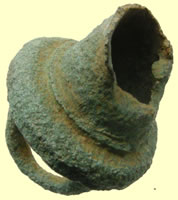
Unusual huge bronze pot foot - not the normal medieval type so possbly Roman - need to study my ref books |
|||
Roman prick spurs |
|||
|
|||
Dice |
|||
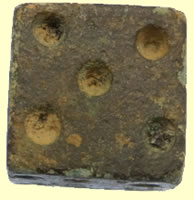
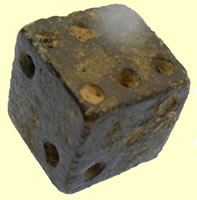
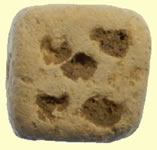
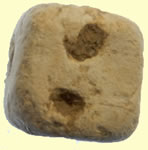
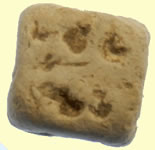
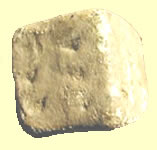
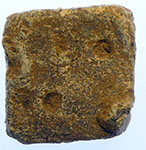
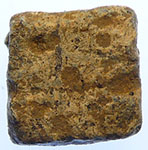
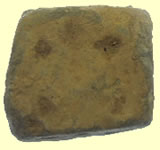
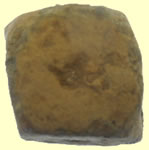
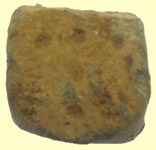
Roman bronze dice - opposite faces do not add up to 7
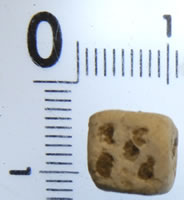
Tiny Roman lead dice
|
|||
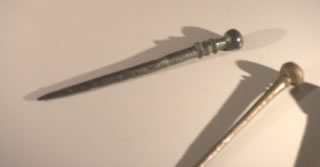
Roman pins |
|||
| Roman pin | |||
|
|||
Uknown Bronze widget ?
Unknown bronze Roman socketed mount ? |
|||
 |
|||
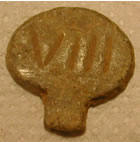
8 Scripila
coin weight |
|||
|
|
||
 |
 |
||
Celtic
brooch
|
Roman Apothecary
weight |
Roman
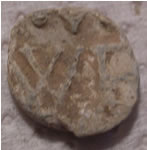
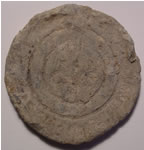
lead 3oz weight, 49.12 mm with III mark ref N.Biggs |
|
  |
 |
||
   |
|||
   |
 |
||
 |
 |
||