Metal detecting holidays in England with the World's most successful metal detecting club.20 years plus.
Twinned with Midwest Historical Research Society USA.
2026 March finds page
|
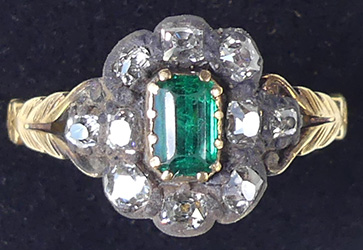
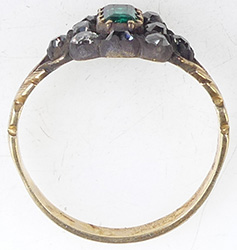
Pretty Victorian gold ring with stones - confirmed emerald and diamonds |
|||||||||||||||||||||||||
  |
|
||||||||||||||||||||||||
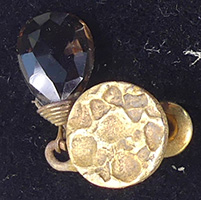
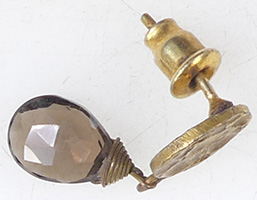
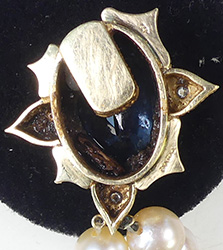
| Gold earing with stone | Silver ear ring | ||||||||||||||||||||||||
|
|
||||||||||||||||||||||||
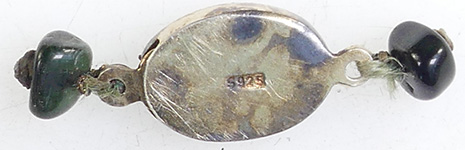
| Gold plated ear ring | Gold jewelery item- marked 925 | ||||||||||||||||||||||||
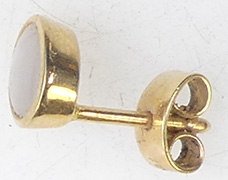 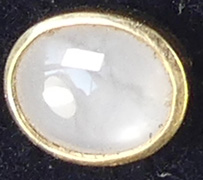 |
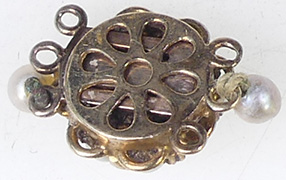 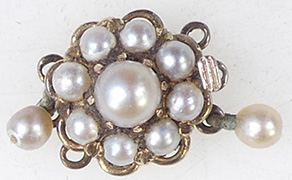 |
||||||||||||||||||||||||
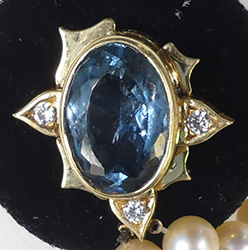
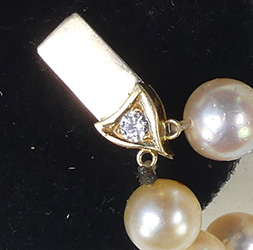
| Gold ear ring | Gold jewelery clasp | ||||||||||||||||||||||||
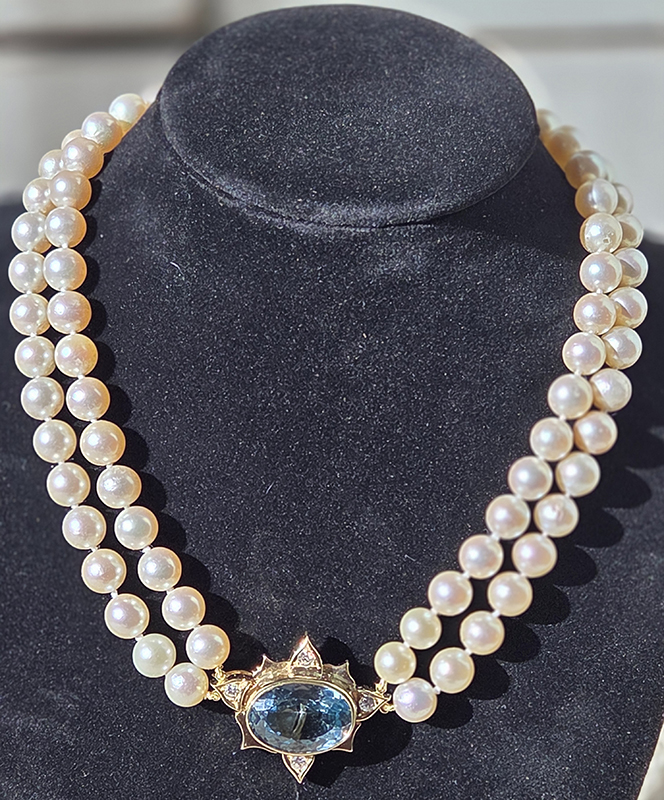
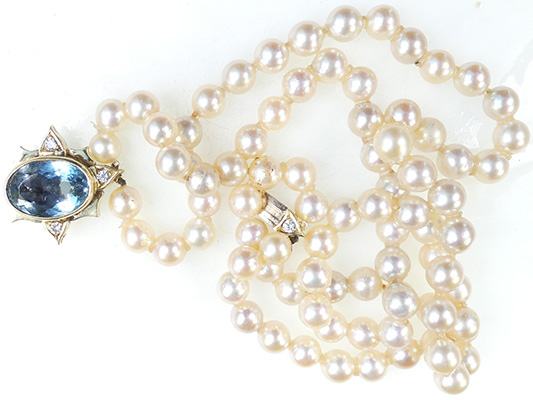
Necklace has now been restrung and is stunning double band type
Gold pendant with stones - tested as real peals - Full set of Continental hall marks - Crown 0.750 Maker JG |
|||||||||||||||||||||||||
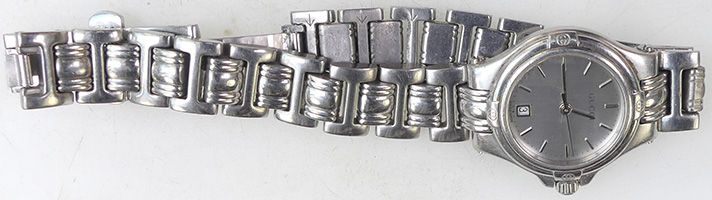
Guicci stainless steel watch |
|||||||||||||||||||||||||
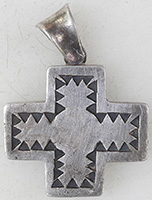 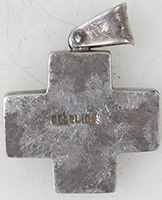  |
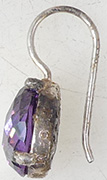   |
||||||||||||||||||||||||
| Sterling silver pendant | Silver ear ring | ||||||||||||||||||||||||
  |
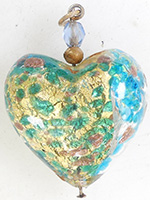 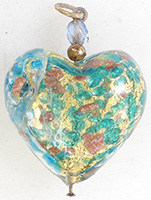 |
||||||||||||||||||||||||
| Silver ear ring | Enameled heart pendant | ||||||||||||||||||||||||
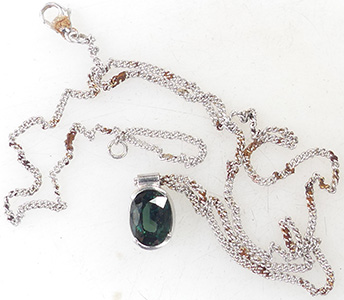 |
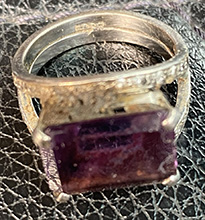 |
||||||||||||||||||||||||
| Silver necklace with stone | Thought this was a silver ring ! | ||||||||||||||||||||||||
   |
|||||||||||||||||||||||||
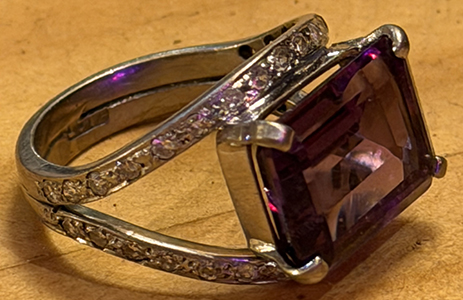
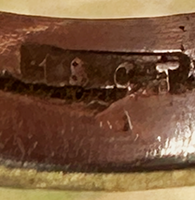
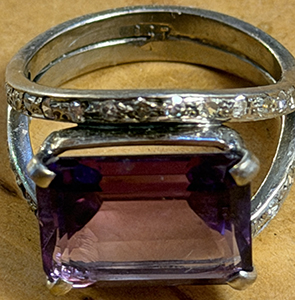
| Tested as 18 carat white gold ring with amethyst and diamonds | |||||||||||||||||||||||||
  |
  |
||||||||||||||||||||||||
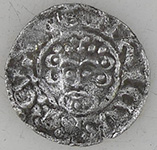
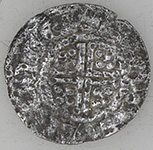
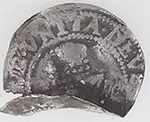
1199 John hammered silver voided short cross penny - Class5c Obv hENRICVS REX
|
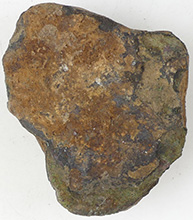
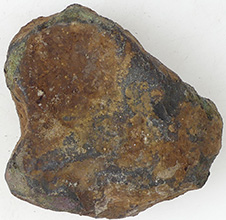
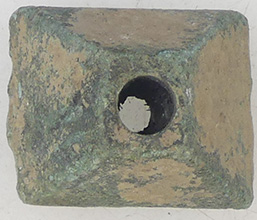
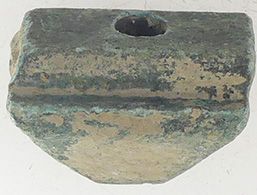
1300 BC Bronze age foundry hoard ingot - reported as hoard addendum 45 x 37 x 20.6 mm - 136g Ingot 20 |
||||||||||||||||||||||||
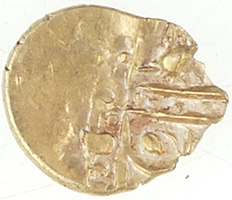
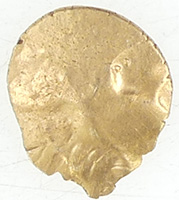
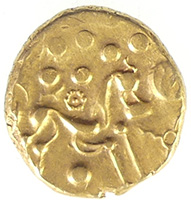
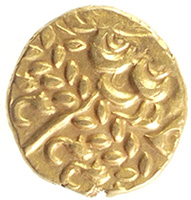
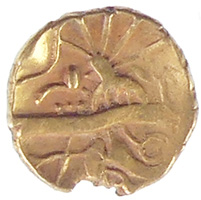
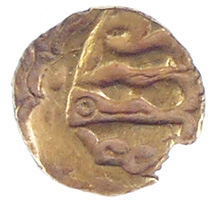
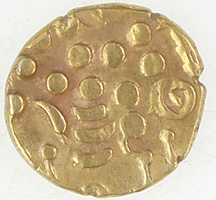
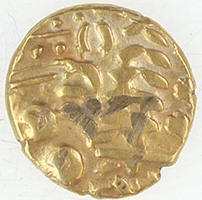
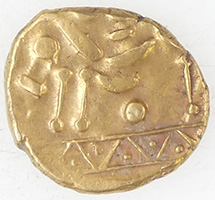
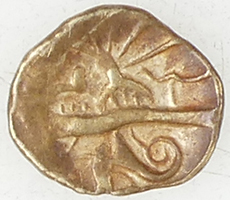
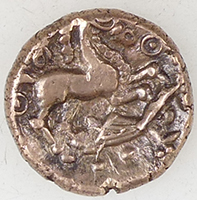
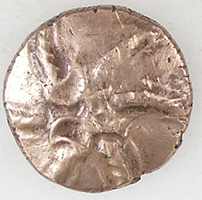
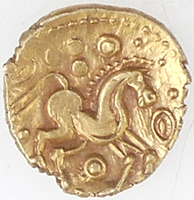
Trinovantes Gold Quarter Stater Clacton Cross 50-40BC very rare ABC2356, S41, VA1460 1.45g, 14.02 mm |
|||||||||||||||||||||||||
 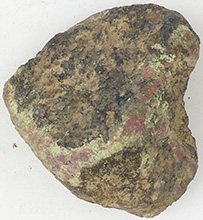 |
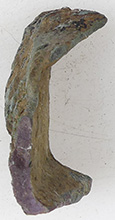 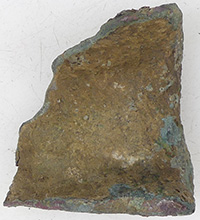 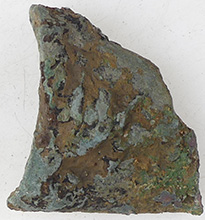 |
||||||||||||||||||||||||
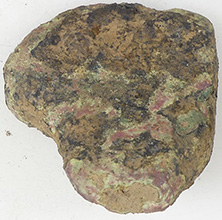
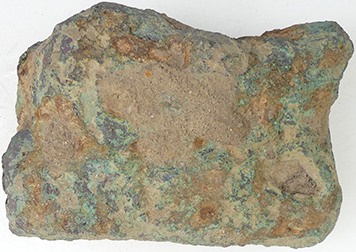
1300 BC Bronze age foundry hoard ingots- reported as hoard addendum 31.8 x 18 x 40 mm - 77g Ingot 21 |
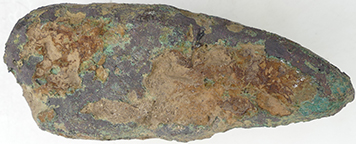
1300 BC Bronze age foundry hoard socketed axe fragment - reported as hoard addendum 25.3g, 30.2 x 32.09 x 15.2 mm Ingot 22 |
||||||||||||||||||||||||
  |
 |
||||||||||||||||||||||||
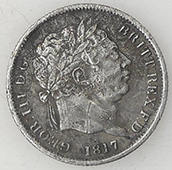
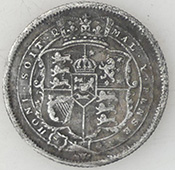
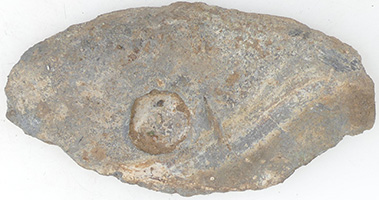
| 1817 George III milled silver shillings | 18thC lead sewing palm guard | ||||||||||||||||||||||||
  |
  |
||||||||||||||||||||||||
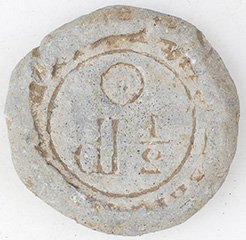
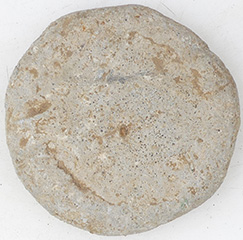
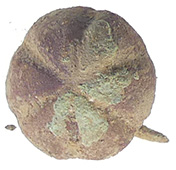
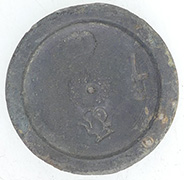
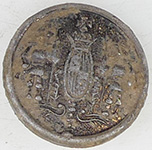
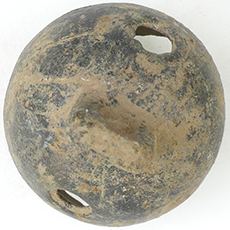
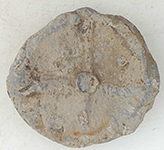
Never seen this type before - Huge post medieval 1/2 lb lead seal matrix Legend and makers symbol 45mm dia x 6.6mm T |
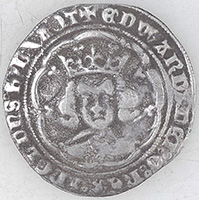
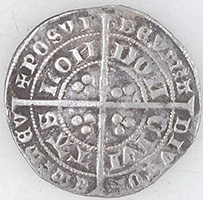
1363-1369 Edward III hammered silver groat - Treaty series - Mint mark Cross potent - double satire stops on rev Obv EDWARD DEI G REX ANGL DNS HYB Z AQT Rev CIVI/TAS/LON/DON - London mint |
||||||||||||||||||||||||
  |
 |
 |
|||||||||||||||||||||||
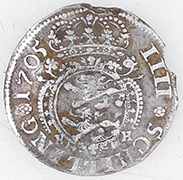
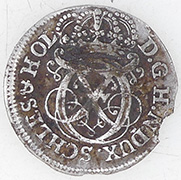
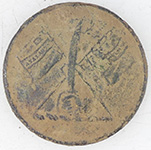
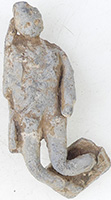
| 1705 Germans States Schleswig -Holstein-Gottorp 4 schillings milled silver coin | 19thC livery button | Lead toy soldier | |||||||||||||||||||||||
  |
 |
 |
|||||||||||||||||||||||
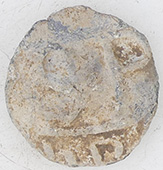
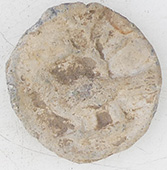
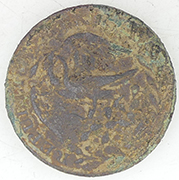
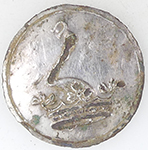
17thC lead token - Obv - bird facing left with tree Rev SP |
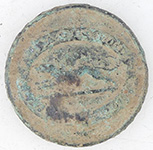
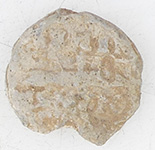
19thC livery button | Medieval lead token | |||||||||||||||||||||||
  |
 |
 |
|||||||||||||||||||||||
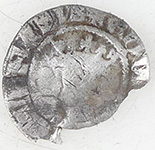
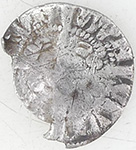
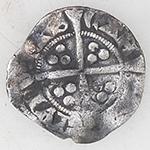
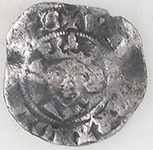
1279 Edward 1st hammered silver penny Obv +EDW***** hYB Rev n/DON/CIVI - London mint |
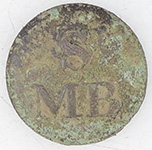
Unknown military button ? Obv SMB |
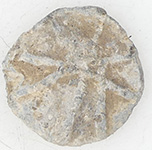
Medieval lead token | |||||||||||||||||||||||
 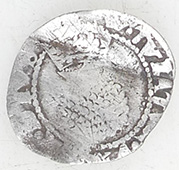 |
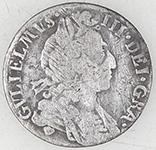 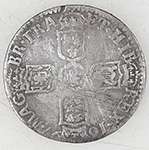 |
||||||||||||||||||||||||
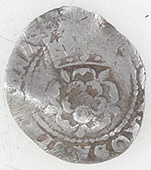
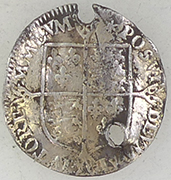
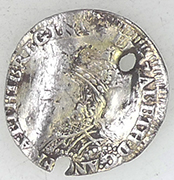
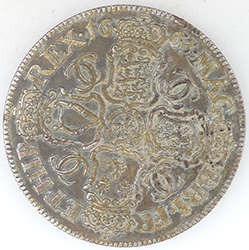
| 1603 James 1st hammered silver half groat | 1697 William III milled silver sixpence | ||||||||||||||||||||||||
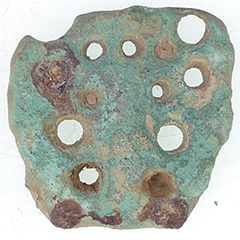
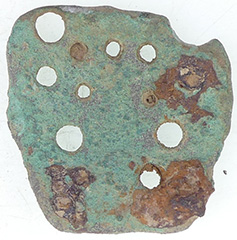
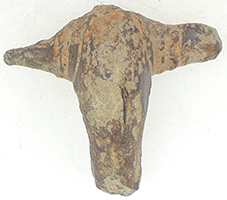
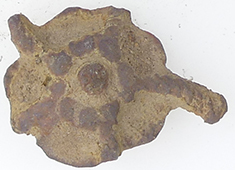
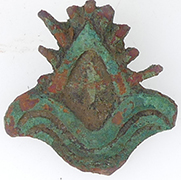
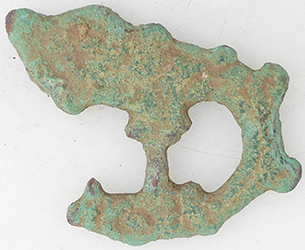
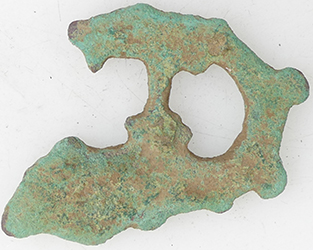
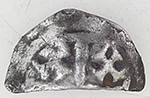
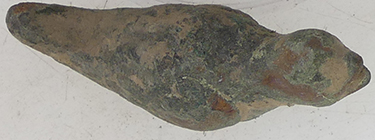
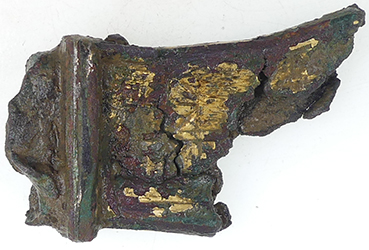
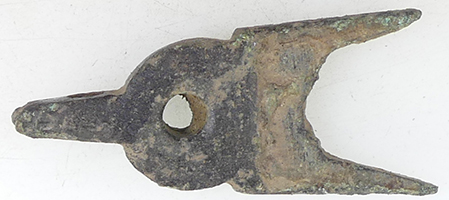
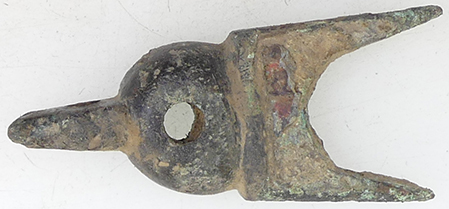
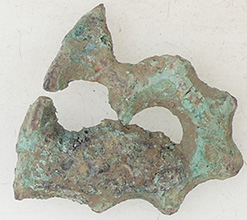
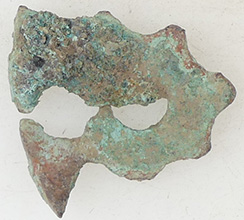
Late Early Medieval (Anglo-Scandinavian) cast copper alloy incomplete cheek piece from a harness fitting. See PAS ESS-C06D96 HARNESS FITTING (Certain)
Late Early Medieval (Anglo-Scandinavian) cast copper alloy incomplete cheek piece from a harness fitting. The fragment comprises a flat plate formed by a late Viking-inspired creature, its body curving to create ares of openwork. The incised lines of the creature's body including its oval eyes can be clearly seen. Most of one side is missing. The centrally-placed projecting arm for attachment to the leather harness strap is also missing and there are worn breaks. There are three semi-circular knops on the outer edge. The fragment is 48.6mm long, 36.98mm wide, 3.82mm thick and weighs 26.7 grams. For similar examples see Finds Research Group datasheet 39. ChronologyBroad period: EARLY MEDIEVAL
|
|||||||||||||||||||||||||
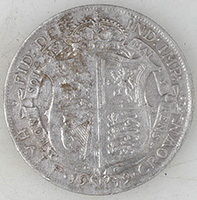  |
 |
 |
|||||||||||||||||||||||
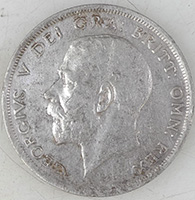
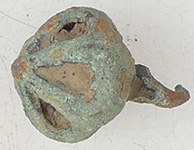
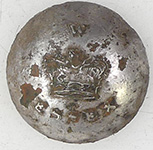
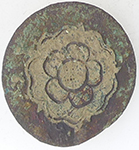
| 1919 George V milled silver half crown - 30 pence | 16thC Tudor fretwork buttons | 1794-1799 Essex regiment button- unrecorded type | |||||||||||||||||||||||
 |
 |
 |
|||||||||||||||||||||||
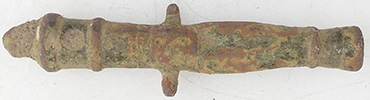
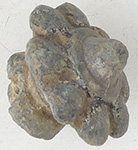
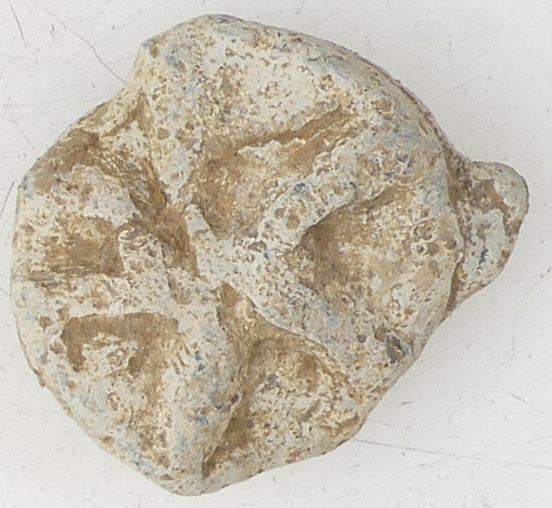
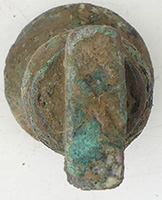
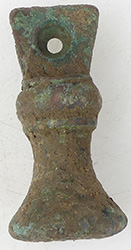
| 18thC toy cannon | Georgian lead tobacco jar lid handle | Medieval lead token | |||||||||||||||||||||||
  |
 |
 |
|||||||||||||||||||||||
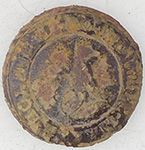
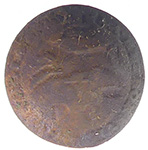
| Georgian bell type trade weight | 19thC hunting button | 5thC Dragoons button - Crimean War period | |||||||||||||||||||||||
  |
  |
||||||||||||||||||||||||
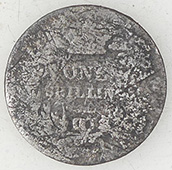
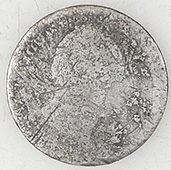
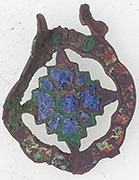
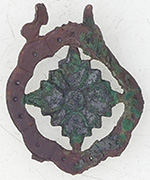
| 1825 William IV milled silver shilling | Victorian enameled badge | ||||||||||||||||||||||||
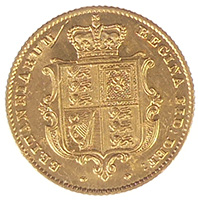
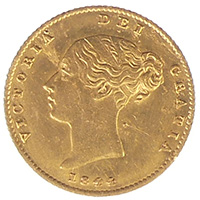
1844 Victoria milled silver gold half sovereign 4.0g, 19.32mm |
|||||||||||||||||||||||||
50 BC Celtic gold stater - Clacton G type - reported to museum 6.34g, 18.78 |
|||||||||||||||||||||||||
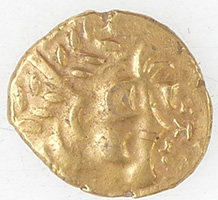
70 BC Great Waltham Celtic gold qtr stater- reported to museum 1.26g, 11.01mm It's a class 3 Great Waltham type quarter, no. 399 in Divided Kingdoms (same dies), essentially a slightly later and cruder version of the Ingoldisthorpe quarter, which is class 2 in the British Ab/Ac north-east Thames series. I list 14 other examples in DK but there are at least 15 now. John Sills |
|||||||||||||||||||||||||
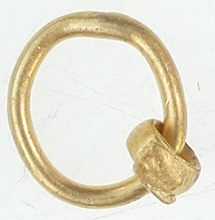
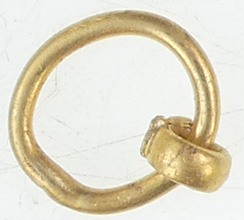
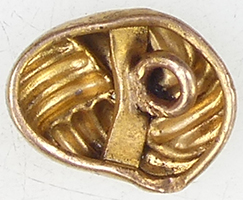
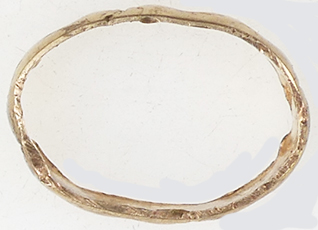
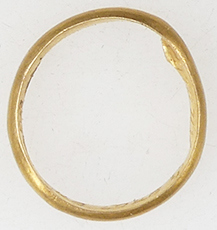
Ancient gold ring with 2nd mounting ring attached - reported a treasure to museum - found in a previous known Roman gold 'bell' toggle relic area 1.47g, 12.58 mm dia x 1.58mm T |
|||||||||||||||||||||||||
60BC Celtic gold stater - Westerham south- reported to museum 6.35g, 19.02g |
|||||||||||||||||||||||||
1750's George II milled gold guinea 1.91g, 23.2mm |
|||||||||||||||||||||||||
50 BC Celtic gold stater - Clacton type - reported to museum 6.27g, 19.47mm |
|||||||||||||||||||||||||
 |
 |
  |
|||||||||||||||||||||||
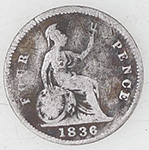
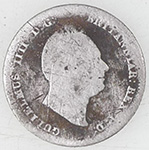
| Medieval sexfoil mount | Georgian trade weight | 1836 William IV milled silver four pence | |||||||||||||||||||||||
  |
  |
||||||||||||||||||||||||
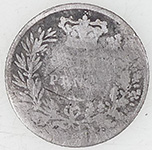
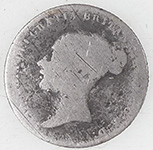
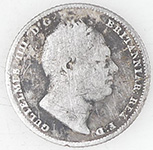
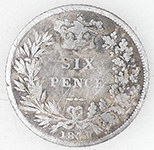
| 19thC Victoria milled silver sixpence | 1834 William IV milled silver six pence | ||||||||||||||||||||||||
  |
  |
||||||||||||||||||||||||
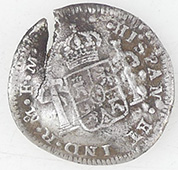
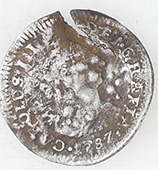
1787 Carolus III Spanish silver coin 2 Reales Coin From Mexico Mint.
|
Late Saxon stirrup mount - Class 10 pierced animal type - design is hidden within hollows by corrosion | ||||||||||||||||||||||||
 |
  |
||||||||||||||||||||||||
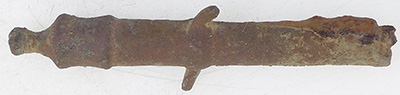
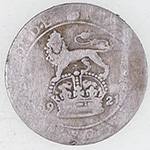
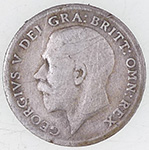
| 18thC toy cannon | 1921 George V milled silver sixpence | ||||||||||||||||||||||||
  |
  |
||||||||||||||||||||||||
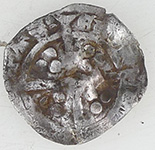
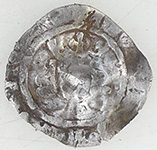
1279 Edward 1st hammered silver penny Rev TAS/EBO - Bristol mint |
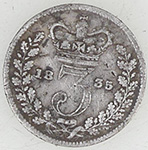
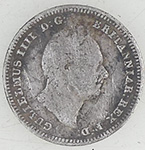
1835 William IV milled silver three pence | ||||||||||||||||||||||||
  |
  |
||||||||||||||||||||||||
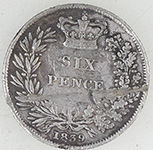
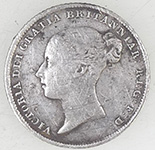
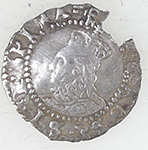
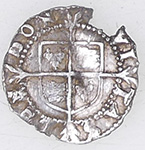
| 1839 Victoria milled silver sixpence | 16thC Elizabeth 1st hammered silver penny | ||||||||||||||||||||||||
  |
  |
||||||||||||||||||||||||
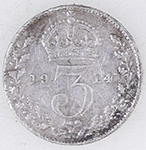
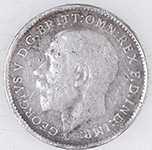
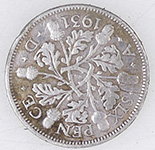
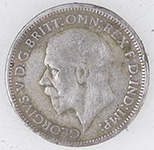
| 1914 George V milled silver three pence | 1931 George V milled silver sixpence | ||||||||||||||||||||||||
 |
 |
 |
|||||||||||||||||||||||
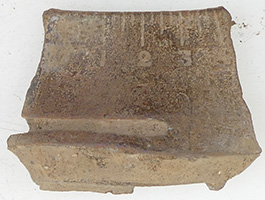
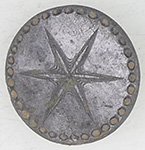
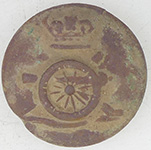
| WWII AA flack shell fragment | Georgian button | Post 1901 -1952 Kings Crown Royal Artillery button | |||||||||||||||||||||||
 |
 |
 |
|||||||||||||||||||||||
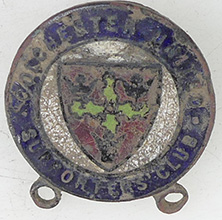
| 1949 Colchester United football supporters club enameled badge | RN Capt / Commander - 1812 RN Lieutenant - 1812 RN Midshipman - 1812 |
19th C 'Free for a blast' button | |||||||||||||||||||||||
 |
  |
||||||||||||||||||||||||
Boys Brigade button Stedfast |
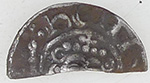
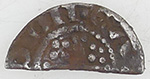
1199 John hammered silver short cross half penny | ||||||||||||||||||||||||
 |
 |
 |
|||||||||||||||||||||||
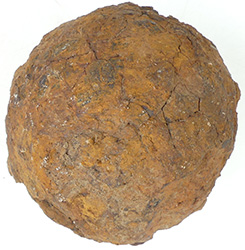
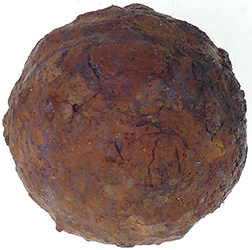
1640's Civil war iron cannon ball 280g, 1/2 Ib - 47.3mm dia |
20thC button |
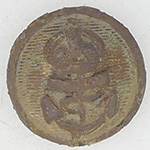
Kings crown |
|||||||||||||||||||||||
  |
 |
 |
|||||||||||||||||||||||
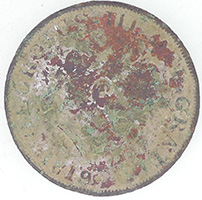
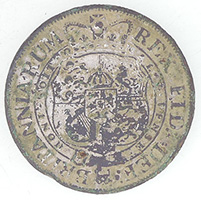
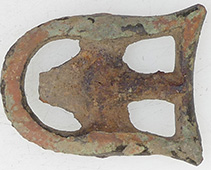
| 1819 George III milled silver half crown (30 pence) forgery | 1500-1700 mount | 1500-1650 buckle | |||||||||||||||||||||||
  |
 |
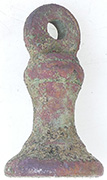 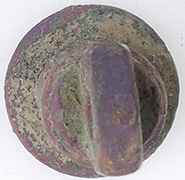 |
|||||||||||||||||||||||
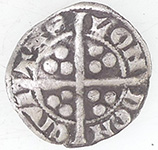
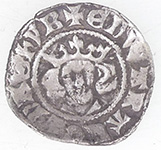
1279 Edward 1st hammered silver penny Obv +EDWAR ANGL DNS hYB Rev CIVI/TAS/LON/DON - London mint
|
Georgian fob seal holder | Georgian bell trade weight | |||||||||||||||||||||||
  |
  |
||||||||||||||||||||||||
485 million years old fossil
CephalopodsCephalopods, such as squid, octopods, nautiloids, ammonoids (see below), and belemnites, are mollusks with tentacles and beak-shaped mouths for catching prey. Some cephalopods such as belemnites and living cuttlefish have internal shells, while others have straight or coiled shells, such as those of ammonoids or nautiloids. Still other cephalopods, such as the octopus, have no shell. The mass extinction at the end of the Cretaceous (famous for eliminating the non-avian dinosaurs) also eliminated belemnites and ammonoids, which had been extremely diverse during the Mesozoic.
|
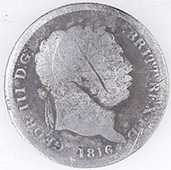
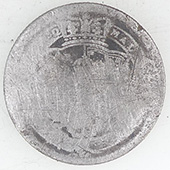
1816 George milled silver shilling | ||||||||||||||||||||||||
  |
 |
 |
|||||||||||||||||||||||
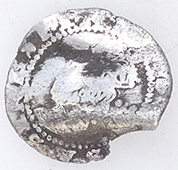
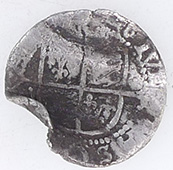
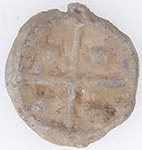
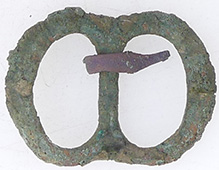
| 16thC Elizabeth hammered silver half groat | 15thC lead token | 1500-1650 buckle | |||||||||||||||||||||||
  |
 |
||||||||||||||||||||||||
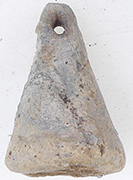
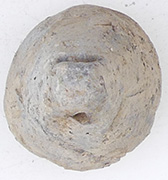
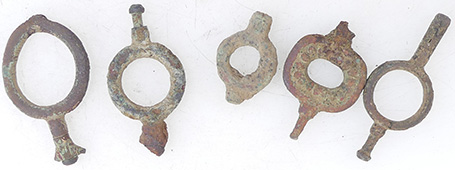
| Medieval lead hanging weight | Georgian watch winders | ||||||||||||||||||||||||
 |
  |
||||||||||||||||||||||||
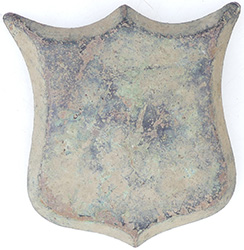
Shield mount - ChronologyBroad period: POST MEDIEVAL Period to: POST MEDIEVAL Date from: AD 1540 |
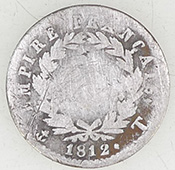
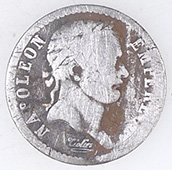
1812 Napoleon milled silver 1/2 France coin In 1812, Napoleon Bonaparte milled silver coins were produced both for the French Empire and the Kingdom of Italy, marking a period where France controlled large parts of Europe
.
1812 Silver Demi / Franc |
||||||||||||||||||||||||
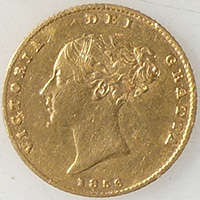
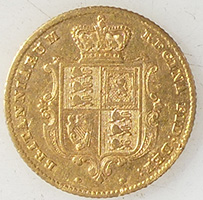
1856 Victoria milled gold half sovereign 3.96g, 19.27mm |
|||||||||||||||||||||||||
  |
|||||||||||||||||||||||||
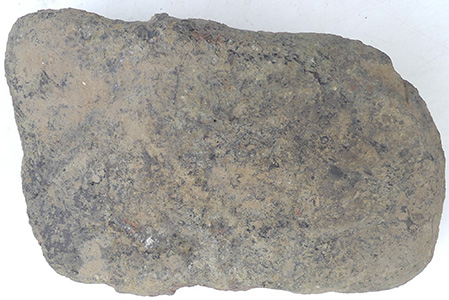
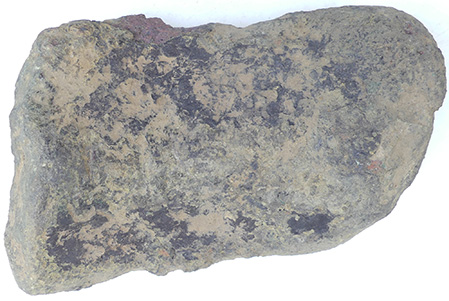
| Huge Medieval bronze pot foot | |||||||||||||||||||||||||
  |
|
||||||||||||||||||||||||
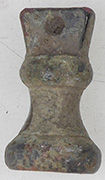
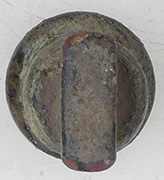
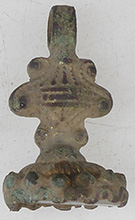
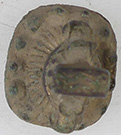
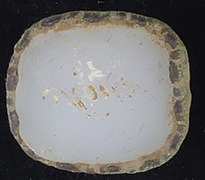
| 17thC William III milled silver sixpence - love token | C10th C Saxon harness strap distributer | ||||||||||||||||||||||||
  |
   |
||||||||||||||||||||||||
| Georgian bell type trade weight | Georgian fob seal | ||||||||||||||||||||||||
 |
 |
 |
|||||||||||||||||||||||
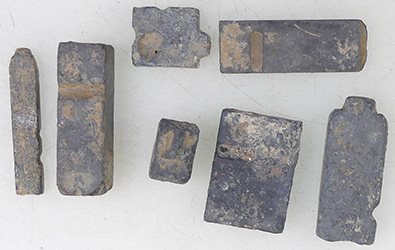
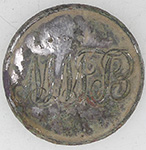
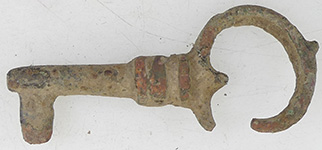
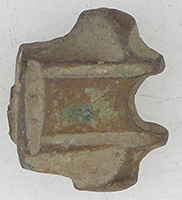
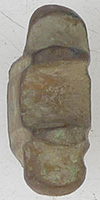
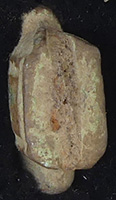
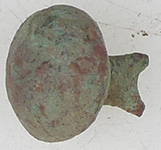
| 19thC printing press blocks | 19thC Monogrammed livery button | 15thC casket key | |||||||||||||||||||||||
   |
 |
 |
|||||||||||||||||||||||
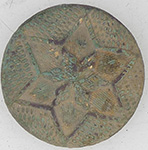
| Medieval knife pommel | 16thC Tudor button | Georgian button | |||||||||||||||||||||||
 |
  |
||||||||||||||||||||||||
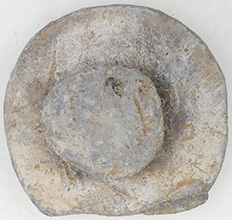
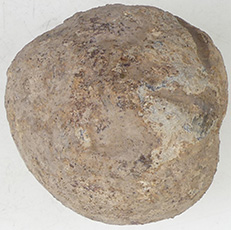
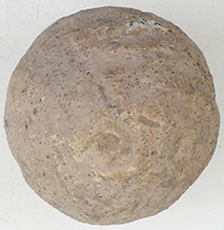
| Lead pot mend | Medieval lead shot | ||||||||||||||||||||||||
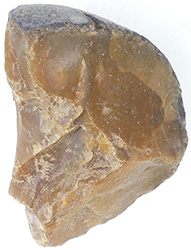
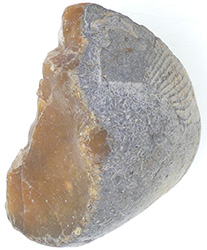
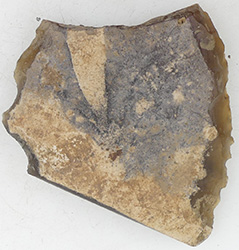
11000 BC flint scraper |
|||||||||||||||||||||||||
 |
 |
 |
|||||||||||||||||||||||
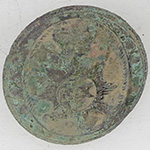
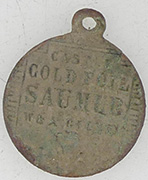
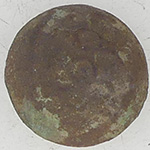
| The East Essex Militia were formed in 1759 and became the Essex Rifles Militia in 1853 during this period they had five styles of known button | Castle Gold Foil Saumur Brass Token Medallion W&A Gilbey W & A Gilbey Wine Merchants Brass Medallion Castle Gold Foil Saumur. Walter and Alfred Gilbey founded their wine business in London in 1857. |
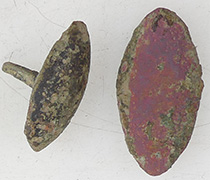
18thC Royal Artillery button | |||||||||||||||||||||||
 |
 |
 |
|||||||||||||||||||||||
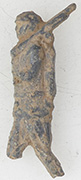
| 1500-1700 mount | Lead toy soldier | Medieval lead token | |||||||||||||||||||||||
  |
 |
 |
|||||||||||||||||||||||
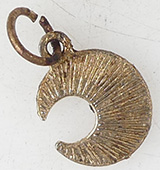
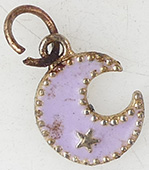
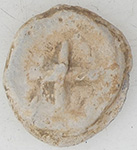
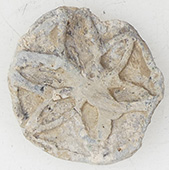
| Modern gold ear ring | Medieval lead token | 17thC lead token | |||||||||||||||||||||||
  |
  |
||||||||||||||||||||||||
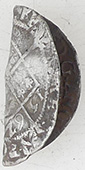
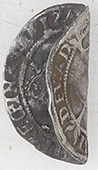
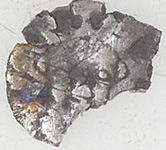
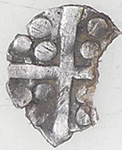
| 1562 Elizabeth 1st hammered silver half groat | Heavily clipped medieval long cross half penny | ||||||||||||||||||||||||
  |
 |
 |
|||||||||||||||||||||||
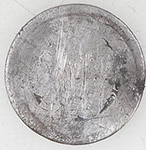
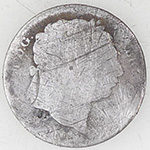
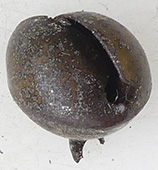
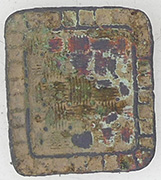
| 1816 George III milled silver sixpence | Medieval jester bell | Georgian mount | |||||||||||||||||||||||
  |
 |
 |
|||||||||||||||||||||||
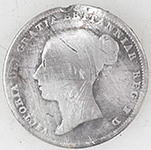
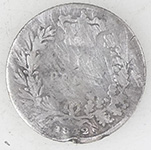
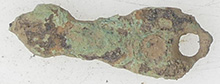
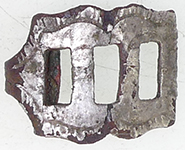
| 1842 Victoria milled silver sixpence | Roman mount | 18thC silver plated clog fastener | |||||||||||||||||||||||
  |
 |
||||||||||||||||||||||||
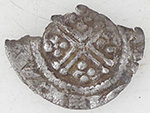
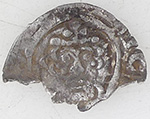
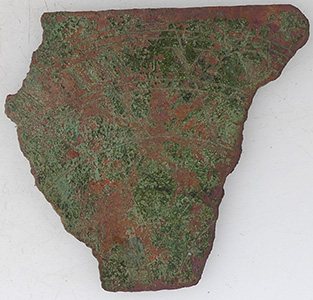
| 1216 Henry III hammered silver short cross penny | Huge copper sun dial face | ||||||||||||||||||||||||
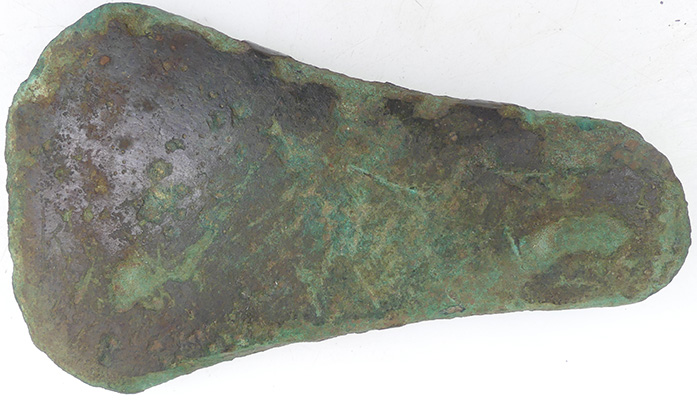
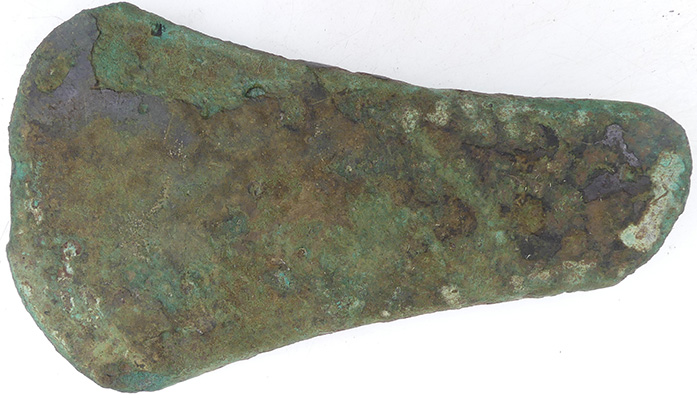
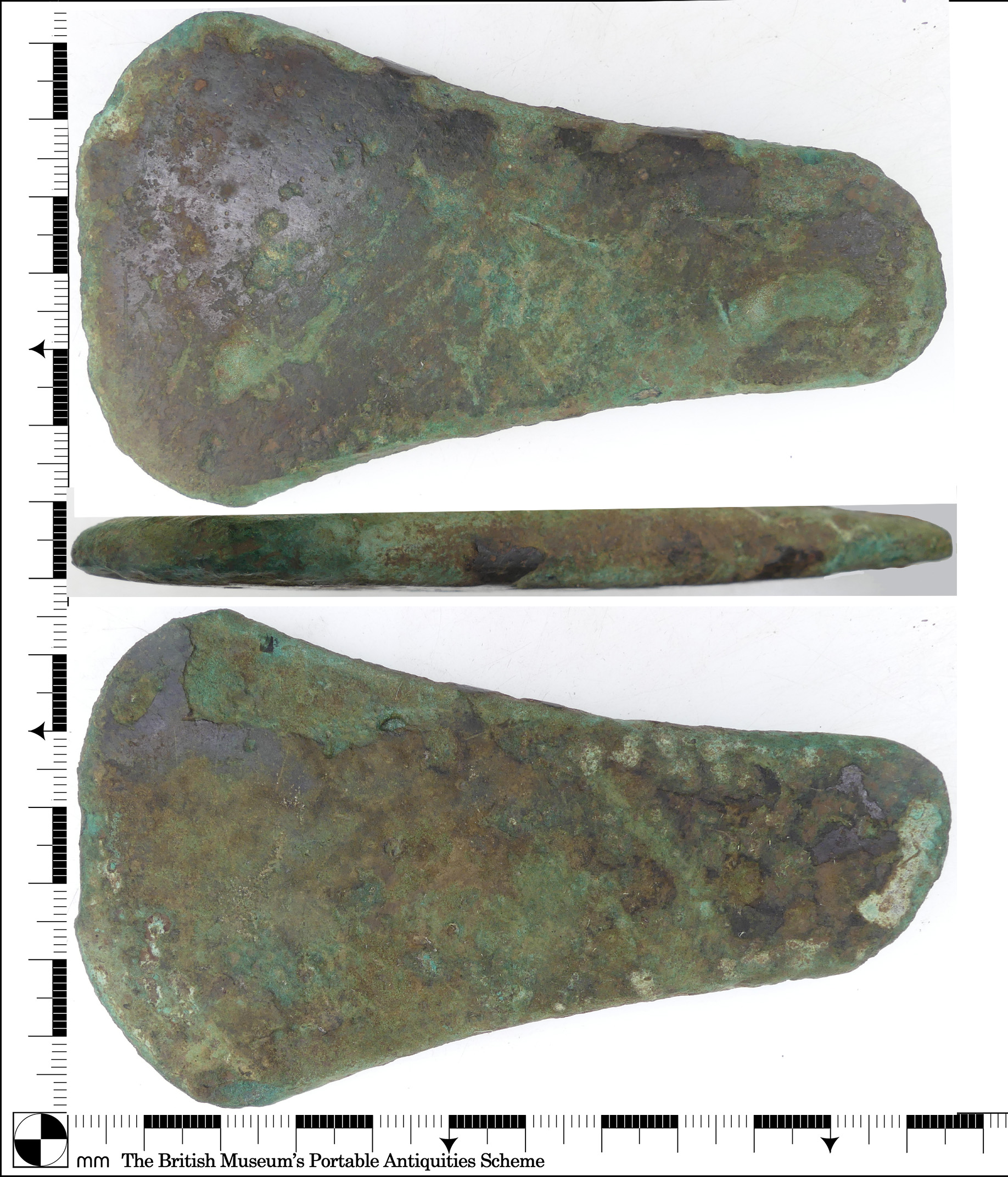
2000 BC Bronze Age flat axe 118mm L x 68mm W x 13mm T 368g Distinction: They represent the transition from stone tools to metal, often predating more sophisticated, flanged, or socketed axes. Unique ID: PUBLIC-D97ACA
Unique ID: PUBLIC-D97ACA Copper alloy (bronze) flat axe of Early Bronze Age dating (c. 2350 BC to c. 2050 BC).
The flat axe is broadly sub rectangular in shape with a splayed crescent shaped blade. In profile it is broadly lentoid, with slight tapering edges. The butt is relatively thin having a narrow rounded profile. The sides of the axe gently expand in width from the butt to the blade; in shape they are relatively curved. The sides of the blade expand to produce a crescentic blade edge . The tips of the crescent shaped blade have been damaged through either abrasion or wear, as has the blade edge itself. Casting 'flaws' or air bubbles are present over most of the surface of the flat axehead. The axe is a mid to dark green colour, with an uneven surface patina. Abrasion, caused by movement whilst within the ploughsoil, has resulted in a loss of some of the original surface detail. The axehead is best described as coming from the first phases of the Early Bronze Age and is comparable to (although not containing all the attributes of Migdale axes (many of these tend to have narrower butts which flare at the cutting edge). These axes all fit within the earliest phases of metal working in Britain, metalworking stage II, which corresponds to Needham's (1996) Period 2 circa 2350- 2050 CAL. BC. This means that they are dated, broadly, to the same period as Beaker pottery, barbed and tanged flint arrowheads, copper halberds and gold lunulae. Reference: Needham, S. (1996) Chronology and Periodisation in the British Bronze Age. Acta Archaeologia, vol 67, pp121-140 Schmidt, P.K. & Burgess, C.B. 1981. The Axes of Scotland and Northern England. Prahistorische Bronzefunde. Abteilung IX. Band 7. C.H. Beck'Sche Verlagsbuchhandlung, Munchen. p.46-47. Broad period: BRONZE AGE Subperiod from: Early Period from: BRONZE AGE Subperiod to: Early Period to: BRONZE AGE Date from: Circa 2350 BC Date to: Circa 2050 BC
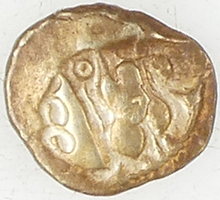
70 BC Great Waltham Celtic gold qtr stater- reported to museum 1.23g, 12.25mm It's a class 3 Great Waltham type quarter, no. 399 in Divided Kingdoms (same dies), essentially a slightly later and cruder version of the Ingoldisthorpe quarter, which is class 2 in the British Ab/Ac north-east Thames series. I list 14 other examples in DK but there are at least 15 now. John Sills
|
|||||||||||||||||||||||||
  |
  |
||||||||||||||||||||||||
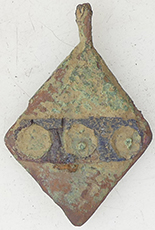
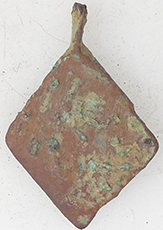
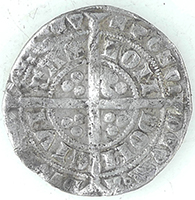
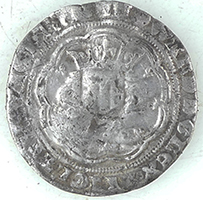
| Medieval enameled harness pendant | 1351-1361 Edward III hammered silver groat (4 pence) - pre treaty 3rd coinage Obv +EDWARD DG REX ANGLE Z FRANC HYB Rev CIVI/TAS/LON/DON |
||||||||||||||||||||||||
 |
  |
||||||||||||||||||||||||
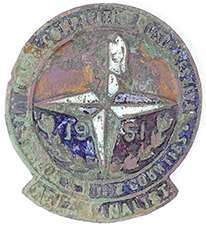
1951 Enameled badge National Competition Area finalist |
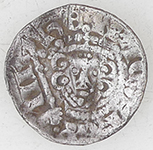
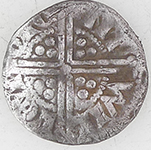
1247 Henry III milled silver voided long cross penny Obv hENRIC REX III Rev WIL/LEM/ONC/ANT - Moneyer Willem of Canterbury mint |
||||||||||||||||||||||||
  |
  |
||||||||||||||||||||||||
| 1625 Charles 1st hammered silver penny | Roman bronze ring - AIV in white enamel | ||||||||||||||||||||||||
  |
 |
 |
|||||||||||||||||||||||
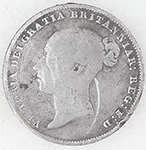
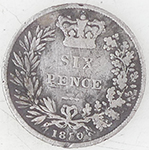
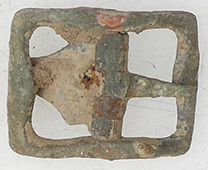
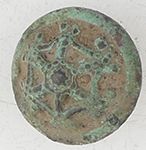
| 1850 Victoria milled silver sixpence | 1500-1700 buckle | Georgian button | |||||||||||||||||||||||
 |
  |
||||||||||||||||||||||||
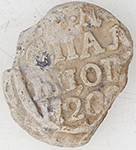
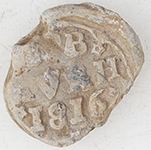
| Georgian watch winders | 1816 Russian lead bale seal | ||||||||||||||||||||||||
  |
 |
 |
|||||||||||||||||||||||
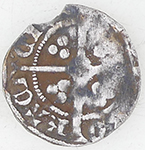
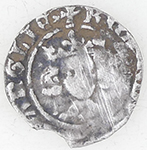
1377 -1399 Richard II hammered silver penny Class 1 III Obv + RICHARD ***** ANGLIE) Rev C*** /RACI - York mint |
1500-1700 mount | 16thC Tudor fretwork button | |||||||||||||||||||||||
  |
 |
 |
|||||||||||||||||||||||
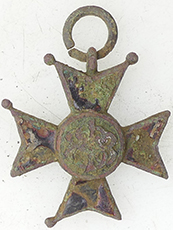
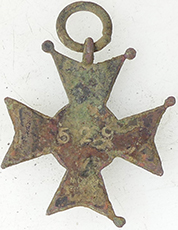
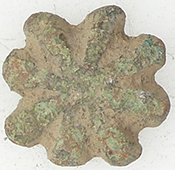
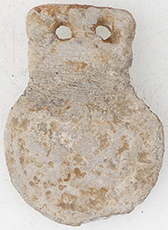
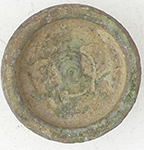
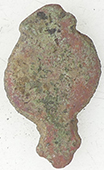
| Monogrammed enameled pendant/medal - No529 ? | 1500-1700 mount | Medieval mount | |||||||||||||||||||||||
  |
 |
 |
|||||||||||||||||||||||
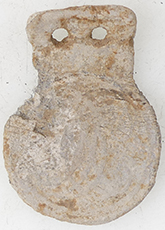
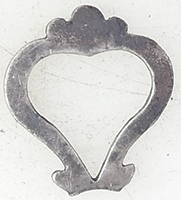
| Post medieval lead monogrammed and decorated mount | Post 1830 trade weight | 1500-1700 mount | |||||||||||||||||||||||
  |
 |
 |
|||||||||||||||||||||||
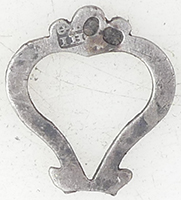
19thC George III duty paid bust and London mint hallmarks Maker EB IH |
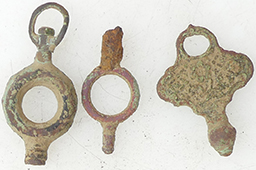
Georgian watch winders | One piece Navy buttons HONI SOIT QUI MAN Y PENSE PACKET Honi soit qui mal y pense (Old French: shame upon him who thinks evil of it) RN - Packet Service c.1800-1811 |
|||||||||||||||||||||||
  |
 |
 |
|||||||||||||||||||||||
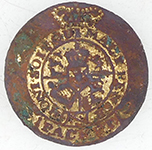
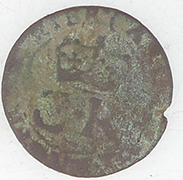
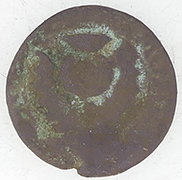
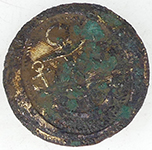
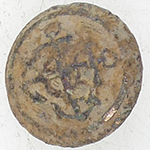
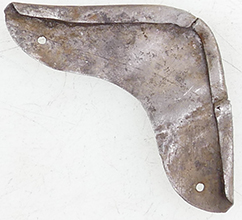
| Fascinating hammered copper coin -with Scottish Thistle on rev. Charles I (1625-1649) copper turner or half groat (two pence). Obverse: Crowned "CR". Legend: "CAR D G SCOT ANG FRA ET HIB R" (Charles by the grace of God King of Scotland England France and Ireland). Reverse: Thistle: "NEMO ME INPVNE LACESSET" (No one shall hurt me with impunity). |
RN Master buttons
RN Master - 1807-1825
|
RN Purser buttons
RN Purser - 1807 |
|||||||||||||||||||||||
  |
  |
||||||||||||||||||||||||
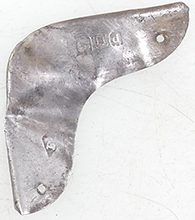
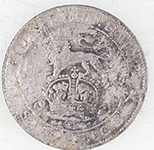
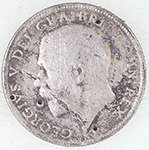
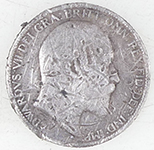
| 1899 Victorian silver edge trim - London mint date letter 'd' | 1921 George V milled silver sixpence | ||||||||||||||||||||||||
  |
  |
||||||||||||||||||||||||
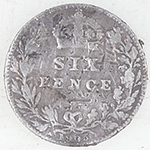
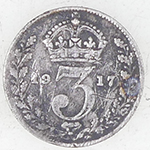
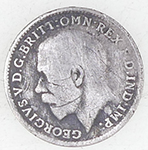
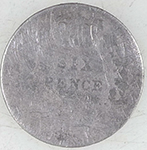
| 1903 Edward VII milled silver sixpence | 1917 George V milled silver three pence | ||||||||||||||||||||||||
  |
 |
 |
|||||||||||||||||||||||
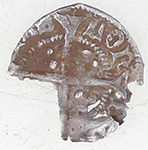
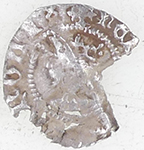
1422 to 1461 Henry VI hammered silver half penny- Fleury mint mark Double satire stops Obv +hEN**** ANGLI Rev AS/LON - London mint |
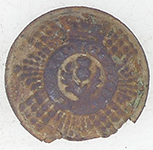
Scots Guards Cap Badge. Circa WWI "Nemo me impune lacessit" is a Latin phrase meaning "no one attacks me with impunity," and it's the motto of the Order of the Thistle, Scotland's highest order of chivalry |
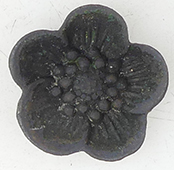
Post medieval mount | |||||||||||||||||||||||
  |
  |
||||||||||||||||||||||||
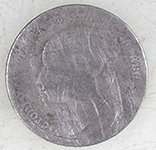
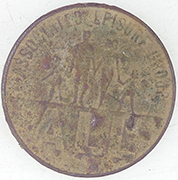
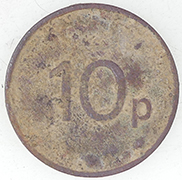
| 19thC Victoria milled silver sixpence | Associated leisure group 10p token | ||||||||||||||||||||||||
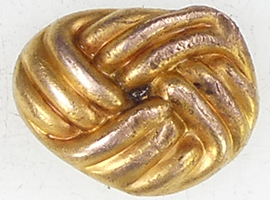
Interesting gold looking button ? - sent to museum for their views 1.36g, 14.79mm L x 11.5 mm W |
|||||||||||||||||||||||||
  |
 |
||||||||||||||||||||||||
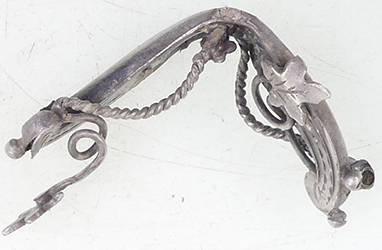
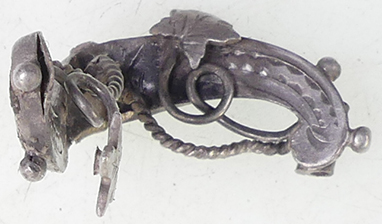
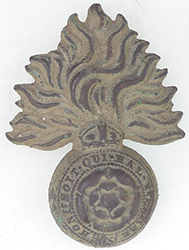
| 1886 Victorian silver brooch - Birmingham mint date letter 'm' | WW1 - A brass cap badge for The Royal Fusiliers (City of London Regiment) - Kings crown | ||||||||||||||||||||||||
 |
 |
 |
 |
||||||||||||||||||||||
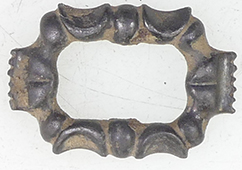
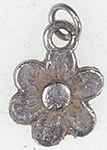
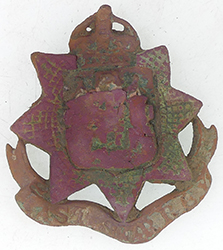
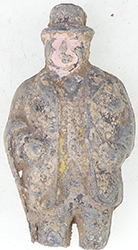
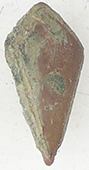
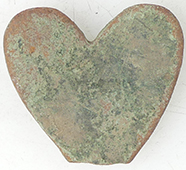
| Georgian shoe buckle | Silver charm | WW1 East Surrey regiment cap badge | Large lead figurine | ||||||||||||||||||||||
  |
 |
 |
|||||||||||||||||||||||
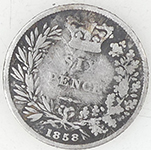
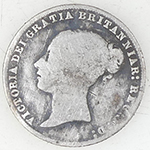
| 1858 Victoria milled silver sixpence | 1500-1700 mount | 1500-1700 mount | |||||||||||||||||||||||
 |
 |
 |
 |
||||||||||||||||||||||
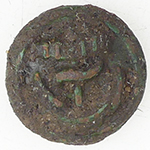
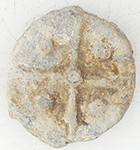
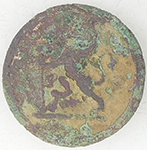
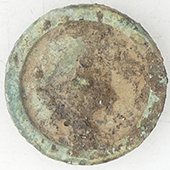
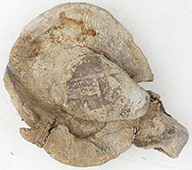
| 1900's Generic Merchant Navy Officers | 15thC lead token | 19thC livery button | Georgian trade weight | ||||||||||||||||||||||
 |
 |
 |
|||||||||||||||||||||||
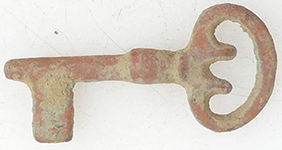
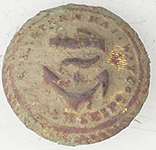
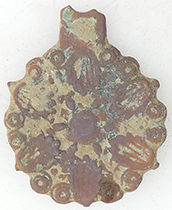
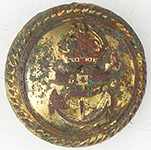
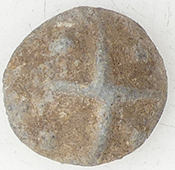
| 15thC casket key | Victorian Eastern Railway and Steam ship company button | Post medieval lead cloth seal | |||||||||||||||||||||||
 |
 |
 |
|||||||||||||||||||||||
| Post medieval harness hanger | RN Capt / Commander - 1901 Kings crown |
Medieval lead trade weight | |||||||||||||||||||||||
  |
 |
 |
|||||||||||||||||||||||
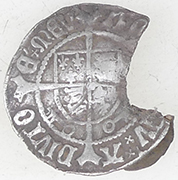
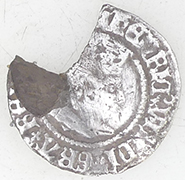
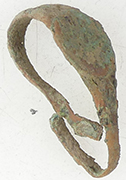
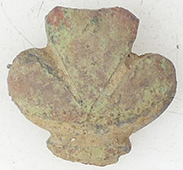
| 1508 Henry VII hammered silver half groat - Archbishop Bainbridge - cross keys below shield - Marlett mintmark - York mint | Georgian signet ring | 1500-1700 mount | |||||||||||||||||||||||
  |
  |
||||||||||||||||||||||||
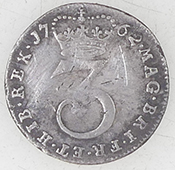
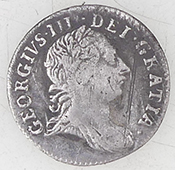
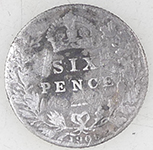
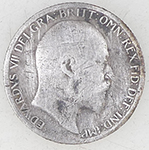
| 1762 George III milled silver three pence | 1906 Edward VII milled silver sixpence | ||||||||||||||||||||||||
  |
  |
||||||||||||||||||||||||
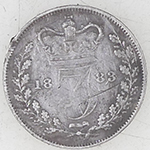
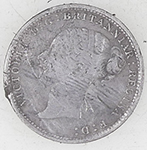
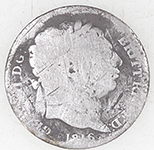
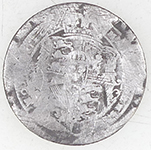
| 1883 Victoria milled silver three pence | 1816 George III milled silver sixpence | ||||||||||||||||||||||||
 |
 |
 |
 |
||||||||||||||||||||||
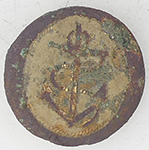
| RN Capt / Commander - 1787 RN Lieutenant - 1787 |
17thC lead token | 17thC sword hanger | Medieval lead token | ||||||||||||||||||||||
 |
 |
||||||||||||||||||||||||
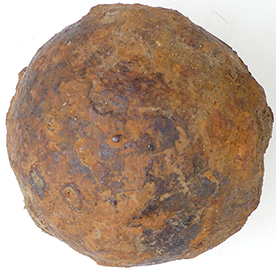
1640's Civil War iron cannon ball 43.5mm dia - 1.72inch 265g, 1/2 Ib |
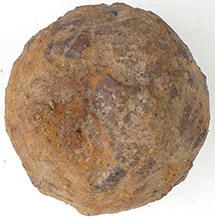
1640's Civil War iron cannon ball 34mm dia -1.3 inch 110g, 0.25 Ib |
||||||||||||||||||||||||
  |
 |
 |
|||||||||||||||||||||||
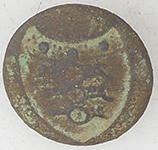
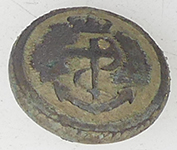
| 18thC silver clog fastener | 18thC Royal Artillery button | RN Capt / Commander - 1891 | |||||||||||||||||||||||
  |
 |
 |
|||||||||||||||||||||||
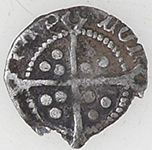
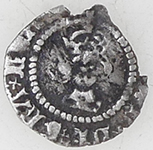
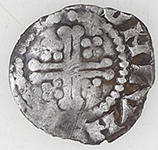
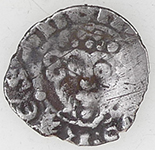
1509-26 Henry VIII hammered silver half penny - Cross fourchee -single arched crown Obv HENRIC DI GRA x**** Rev CIVI/TAS/LON/DON - London mint Rev TAS/LON - London mint |
16thC Tudor button | 18thC clog fastener | |||||||||||||||||||||||
  |
 |
 |
|||||||||||||||||||||||
1180 Henry II hammered silver short cross penny - Class 1 Obv hENRICVS REX Rev ON LVN - London mint |
The Great Eastern Railway button | RN Master buttons
RN Master - 1807-1825
|
|||||||||||||||||||||||
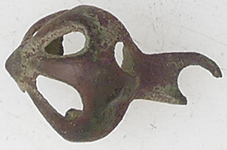
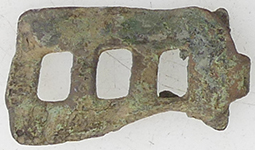
Late Early Medieval (Anglo-Scandinavian) cast copper alloy incomplete cheek piece from a harness fitting. See PAS ESS-C06D96 HARNESS FITTING (Certain)
Late Early Medieval (Anglo-Scandinavian) cast copper alloy incomplete cheek piece from a harness fitting. The fragment comprises a flat plate formed by a late Viking-inspired creature, its body curving to create ares of openwork. The incised lines of the creature's body including its oval eyes can be clearly seen. Most of one side is missing. The centrally-placed projecting arm for attachment to the leather harness strap is also missing and there are worn breaks. There are three semi-circular knops on the outer edge. The fragment is 48.6mm long, 36.98mm wide, 3.82mm thick and weighs 26.7 grams. For similar examples see Finds Research Group datasheet 39. ChronologyBroad period: EARLY MEDIEVAL |
|||||||||||||||||||||||||
1158 -1189 AD Henry II hammered silver penny ' Tealby' cross and crosslet type half penny |
|||||||||||||||||||||||||
  |
 |
 |
|||||||||||||||||||||||
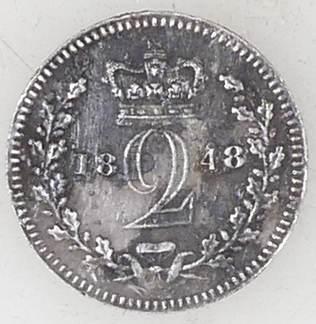
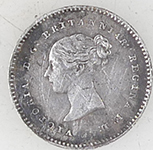
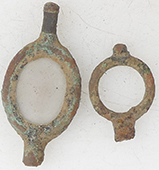
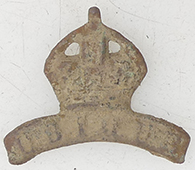
| 1848 Victoria milled silver two pence | Georgian watch winders | WWII Army lapel badge | |||||||||||||||||||||||
  |
 |
 |
|||||||||||||||||||||||
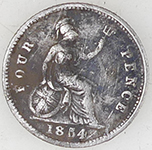
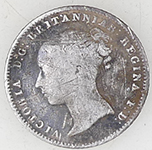
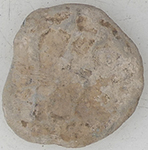
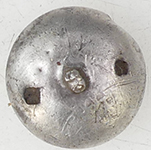
| 1854 Victoria milled silver four pence | 17thC lead token | Georgian silver button | |||||||||||||||||||||||
  |
 |
 |
|||||||||||||||||||||||
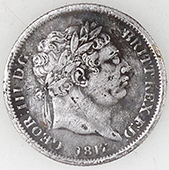
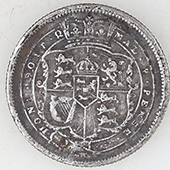
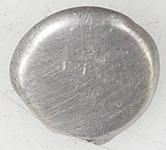
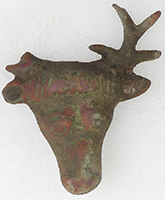
| 1817 George III milled silver shilling | 18thC silver button | Georgian mount | |||||||||||||||||||||||
 |
 |
||||||||||||||||||||||||
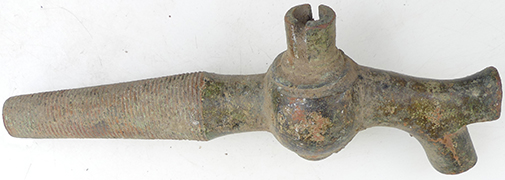
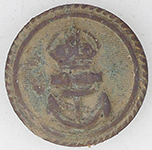
| Post medieval barrel tap | 1901 to 1952 Royal Navy button | ||||||||||||||||||||||||
 |
 |
||||||||||||||||||||||||
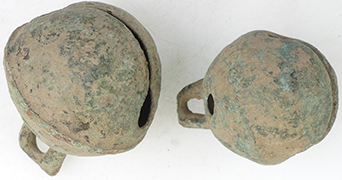
| 18thC crotal bells |
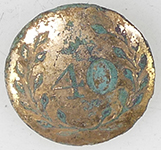
Description: 40 within laurel wreath. Category: Regular Army; Type of button: Convex 20mm; Metal: Copper Alloy Gilt; Backmark: T SHAW LONDON; Date: c1820-c1830 The 40th (2nd Somersetshire) Regiment of Foot was an infantry regiment of the British Army, formed in 1717 and amalgamated into The Prince of Wales's Volunteers (South Lancashire Regiment) in 1881 Notes: An officers example of a design that remained in use both for both officers and other ranks until 1881. The 40th Regt of Foot were the 2nd Somersetshire Regt of Foot between 1782-1881. |
||||||||||||||||||||||||
16thC gilded silver Tudor mount - reported as treasure to museum |
|||||||||||||||||||||||||
  |
  |
||||||||||||||||||||||||
1614-25 James 1st hammered copper farthing Type 3c Mint mark key General type Obv. IACO D G MAG BR (IT) Rev. FRA ET HIB REX |
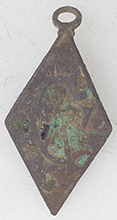
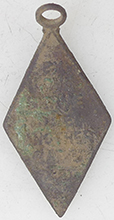
Victorian YWCA Young Womens Christian Association
pendant
'Love server one another' |
||||||||||||||||||||||||
  |
 |
 |
|||||||||||||||||||||||
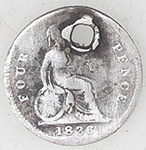
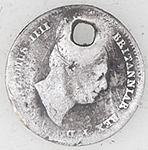
| 1836 William IV milled silver four pence | Unknown 18thC Royal Navy button | Georgian harness pendant | |||||||||||||||||||||||
  |
 |
 |
|||||||||||||||||||||||
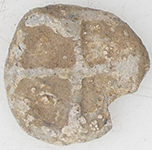
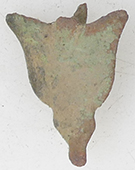
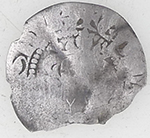
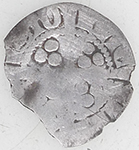
| 1216 Henry III hammered silver short cross penny | 15thC lead token | 1500-1700 mount | |||||||||||||||||||||||
  |
 |
 |
|||||||||||||||||||||||
1279 Edward 1st hammered silver penny ISTO/LLIE - Bristol mint |
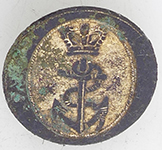
RN Capt / Commander - 1787 RN Lieutenant - 1787 |
15thC lead token | |||||||||||||||||||||||
  |
|||||||||||||||||||||||||
| 16thC gilded silver Tudor mount - reported as treasure to museum | |||||||||||||||||||||||||
Georgian watch winders |
|||||||||||||||||||||||||
Medieval badge
|
|||||||||||||||||||||||||
  |
  |
||||||||||||||||||||||||
1279 Edward 1st hammered silver penny Obv +EDWAR ANGL DNS hYB Rev CIVI/TAS/CAN/TOR - Canterbury mint |
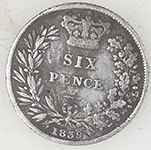
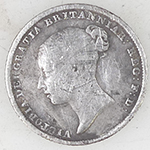
1839 Victoria milled silver sixpence | ||||||||||||||||||||||||
  |
  |
||||||||||||||||||||||||
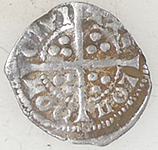
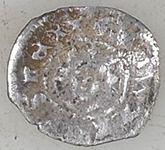
| 19thC Victoria milled silver one pence | 1279 Edward 1st hammered silver half penny - Type 28 inner circles both sides Obv +EDWARDVS REX Rev CIVI/TAS/LON/DON - London mint |
||||||||||||||||||||||||
  |
  |
||||||||||||||||||||||||
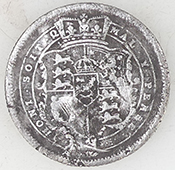
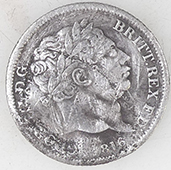
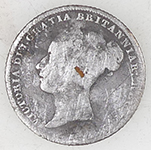
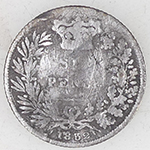
| 1816 George III milled silver shilling | 1852 Victoria milled silver sixpence | ||||||||||||||||||||||||
  |
  |
||||||||||||||||||||||||
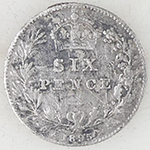
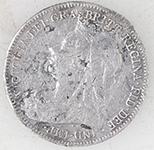
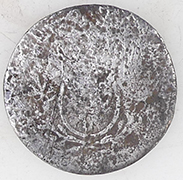
| 1895 Victoria milled silver sixpence | 18thC French Louis XV milled silver coin | ||||||||||||||||||||||||
Bronze Age ingot 498g -29.3mm L x 20.2mm W x 11.7.mm T |
|||||||||||||||||||||||||
 |
 |
 |
|||||||||||||||||||||||
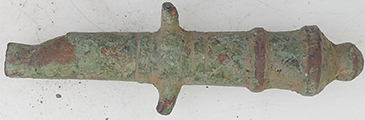
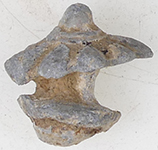
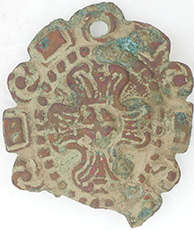
| 18thC toy cannon | Georgian lead tobacco jar lid handle | Georgian mount | |||||||||||||||||||||||
   |
|||||||||||||||||||||||||
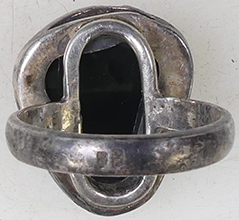
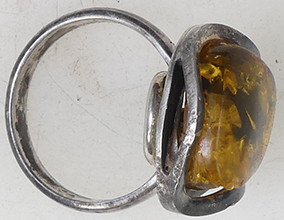
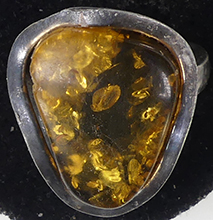
Art Deco looking silver ring with stone Maker RO |
|||||||||||||||||||||||||
  |
 |
 |
|||||||||||||||||||||||
| 18thC silver clog fastener | 17thC lead token | 15thC lead token | |||||||||||||||||||||||
  |
 |
 |
|||||||||||||||||||||||
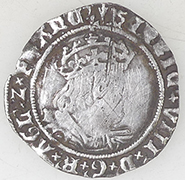
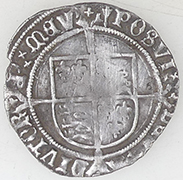
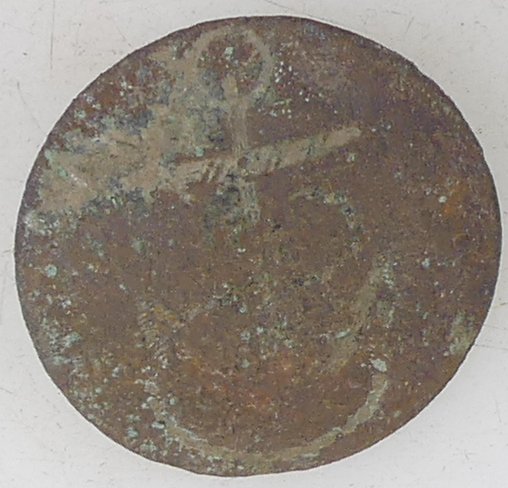
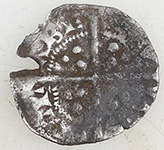
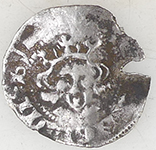
| 1526-44 Henry VIII hammered silver groat - Arrow mint mark | Capt / Commander - 1774-1787 RN Master & Mate - 1787-1807 RN Surgeon - 1787-1805 |
Medieval lead token | |||||||||||||||||||||||
  |
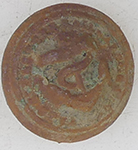 |
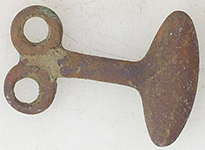 |
|||||||||||||||||||||||
1296-1318 Edward 1st hammered silver penny Rev VILL/ABE - Berwick upon tweed mint |
Victorian Eastern Railway and Steam ship company button | ||||||||||||||||||||||||
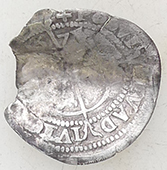 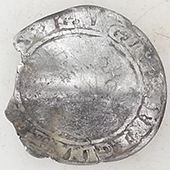 |
 |
 |
|||||||||||||||||||||||
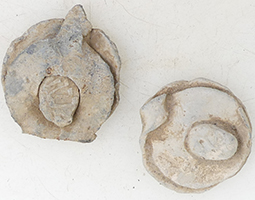
| 1575 Elizabeth 1st hammered silver half groat | 1500-1700 mount | Post medieval lead cloth seal | |||||||||||||||||||||||
  |
 |
 |
|||||||||||||||||||||||
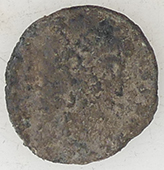
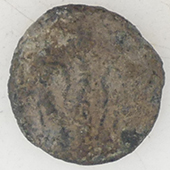
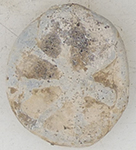
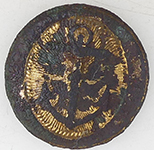
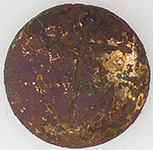
| Mid 4thC House of Constantine roman bronze - 2 soldiers standing | Medieval lead trade weight | RN Capt / Commander - 1787 RN Lieutenant - 1787 |
|||||||||||||||||||||||
  |
 |
||||||||||||||||||||||||
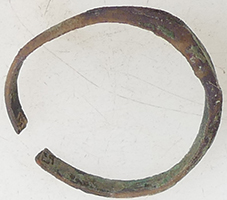
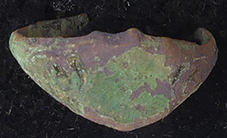
| Georgian signet ring | Capt / Commander - 1774-1787 RN Master & Mate - 1787-1807 RN Surgeon - 1787-1805 |
||||||||||||||||||||||||
  |
 |
||||||||||||||||||||||||
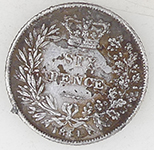
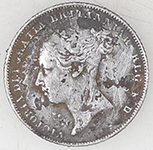
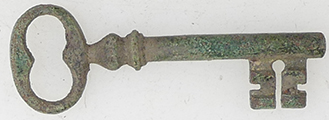
| 1851 Victoria milled silver sixpence | Georgian key | ||||||||||||||||||||||||
  |
  |
||||||||||||||||||||||||
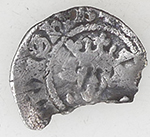
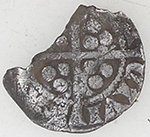
1279 Edward 1st hammered silver penny Obv **DND hYB + Rev CIVI/TAS |
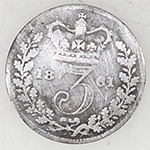
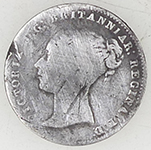
1861 Victoria milled silver three pence | ||||||||||||||||||||||||
  |
  |
||||||||||||||||||||||||
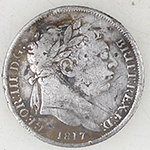
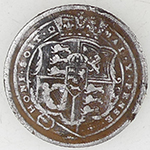
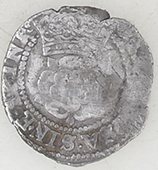
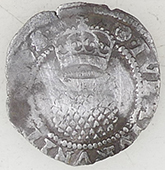
| 1817 George III milled silver sixpence | 1605-6 James 1st hammered silver half groat - Rose mint mark | ||||||||||||||||||||||||
  |
 |
 |
|||||||||||||||||||||||
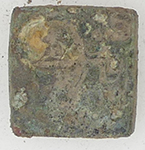
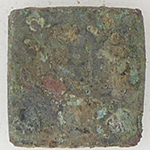
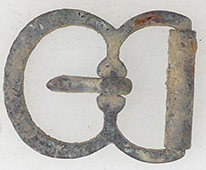
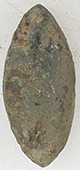
| 18thC apothecary weight | 1500-1700 buckle | 1500-1700 mount | |||||||||||||||||||||||
  |
  |
||||||||||||||||||||||||
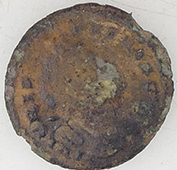
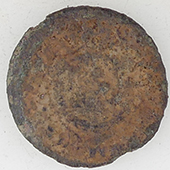
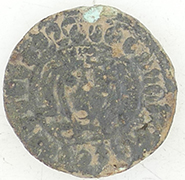
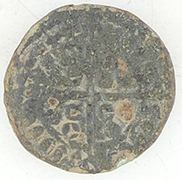
| Constantine I "The Great" (307-337) - this AE3's reverse has "D N CONSTANTINI MAX AVG" around a small wreath in which is the Vota vow "date"- "VOT / XX" | C 1321 -1343 English long cross and pellets jetton | ||||||||||||||||||||||||
45 BC to 25BC Addedomarus Celtic gold stater - Trinovantian tribe- reported to museum 5.4g, 16.7mm |
|||||||||||||||||||||||||
  |
  |
||||||||||||||||||||||||
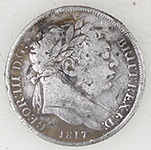
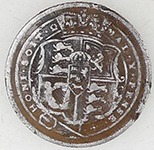
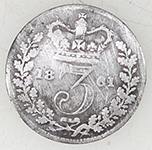
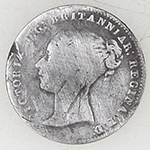
| 1817 George III milled silver sixpence | 1861 Victoria milled silver three pence | ||||||||||||||||||||||||
 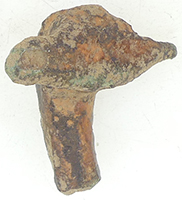 |
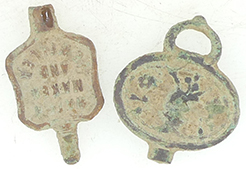 |
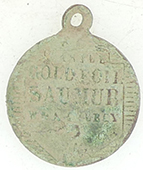 |
|||||||||||||||||||||||
| 2ndC Roman fibular brooch | Georgian watch winders | Castle Gold Foil Saumur Brass Token Medallion W&A Gilbey W & A Gilbey Wine Merchants Brass Medallion Castle Gold Foil Saumur. Walter and Alfred Gilbey founded their wine business in London in 1857. |
|||||||||||||||||||||||
 |
 |
||||||||||||||||||||||||
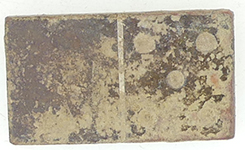
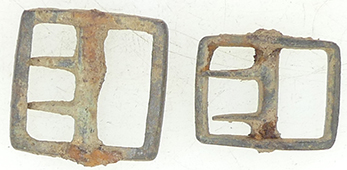
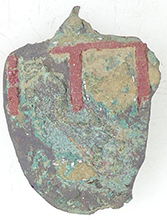
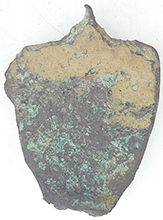
| Georgian domino | 19thC buckle | ||||||||||||||||||||||||
  |
  |
||||||||||||||||||||||||
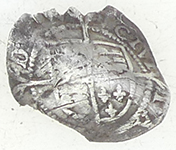
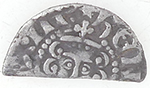
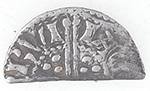
| 16thC Elizabeth 1st hammered silver penny | Medieval enameled heraldic pendant | ||||||||||||||||||||||||
  |
  |
||||||||||||||||||||||||
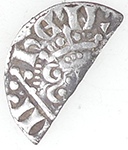
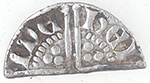
1247 Henry III hammered silver voided long cross half penny Rev RWI/IAC - Moneyer Jacob of Norwich mint |
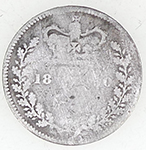
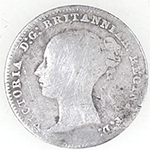
1247 Henry III hammered silver voided long cross half penny Rev LDE/HEI - Moneyer Henri of London mint |
||||||||||||||||||||||||
  |
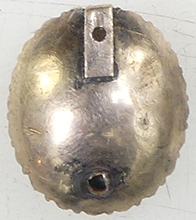 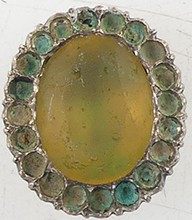 |
||||||||||||||||||||||||
| 1850 Victoria milled silver three pence | Victorian rose gold brooch 1.45g, 13.8mm H |
||||||||||||||||||||||||
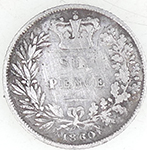
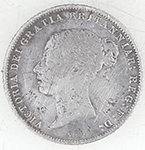
BC Roman silver coin - needs 'cooking' to remove crust |
|||||||||||||||||||||||||
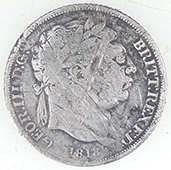 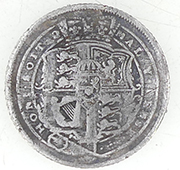 |
  |
||||||||||||||||||||||||
| 1818 George III milled silver shilling | 1860 Victoria milled silver sixpence | ||||||||||||||||||||||||
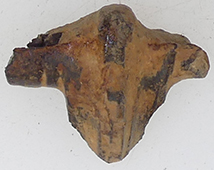
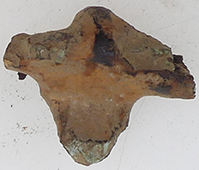
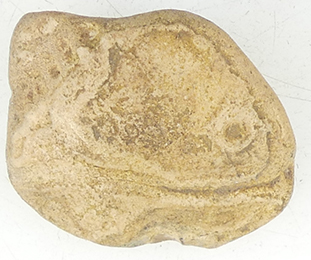
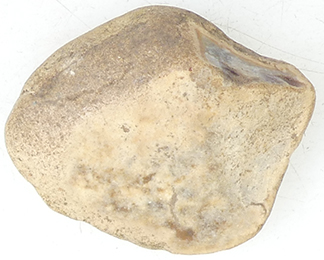
Fish head fossil ? |
|||||||||||||||||||||||||
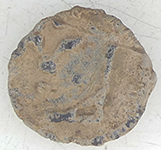
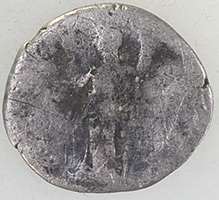
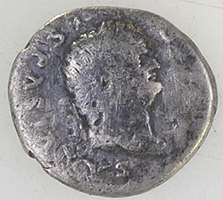
2ndC Roman silver coin sent for ID You have a denarius of Vespasian here, ca.CE. 78-79 |
|||||||||||||||||||||||||
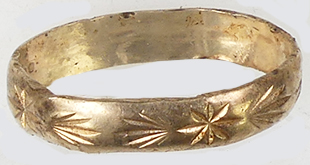
17th/18thC decorated gold ring - reported as potential treasure to museum 2.35g, 22.2mm |
|||||||||||||||||||||||||
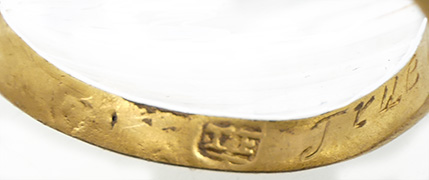
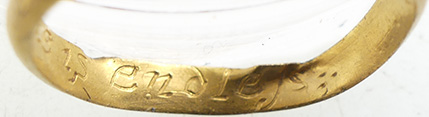
17thC gold posy ring - 'Love is endlejs' - Love is endless Maker TF 0.7g, 18.2mm |
|||||||||||||||||||||||||
 |
 |
 |
|||||||||||||||||||||||
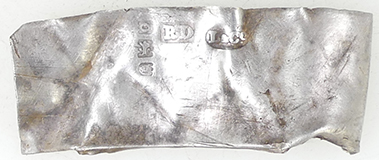
1909 Victoria silver trim - London date letter O Maker RD and L&Co |
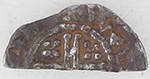
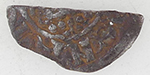
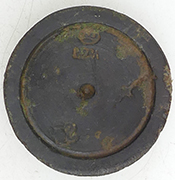
Medieval lead token | Huge 18thC cow bell | |||||||||||||||||||||||
  |
 |
||||||||||||||||||||||||
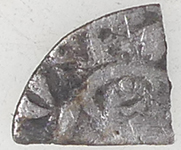
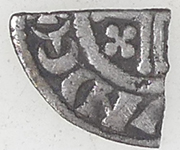
1216 Henry III hammered silver short cross half penny Rev + WA |
Interesting trade weight with WM below crown - not seen that cipher before so this is a William IV | ||||||||||||||||||||||||
  |
  |
||||||||||||||||||||||||
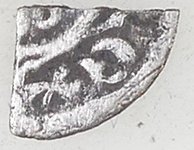
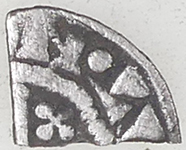
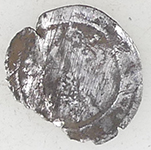
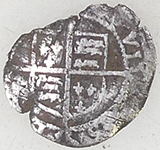
1216 Henry III hammered silver short cross farthing Rev VNDE - London mint |
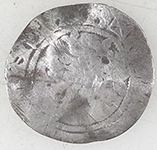
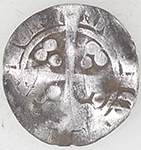
1216 Henry III hammered silver short cross farthing | ||||||||||||||||||||||||
  |
  |
||||||||||||||||||||||||
| 16thC Elizabeth 1st hammered silver penny | 1279 Edward 1st hammered silver penny Rev CIVI/TAS/LON/DON - London mint |
||||||||||||||||||||||||
  |
  |
||||||||||||||||||||||||
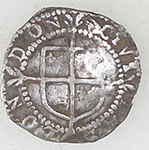
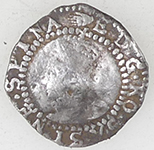
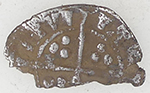
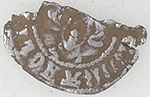
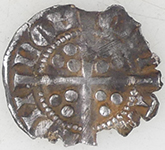
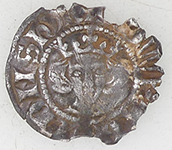
| 1590-2 Elizabeth 1st hammered silver penny - hand mint mark | 1279 Edward 1st hammered silver penny Obv *** AR ANGL |
||||||||||||||||||||||||
  |
  |
||||||||||||||||||||||||
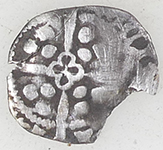
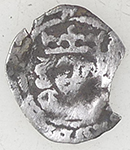
1279 Edward 1st hammered silver penny Obv + WA*** DNS hYB Rev LON/DON - London mint |
1422-61 Henry VI hammered silver penny - Cross pellet Quadrefoil with cross at centre of the reverse cross - York mint |
||||||||||||||||||||||||
  |
 |
 |
|||||||||||||||||||||||
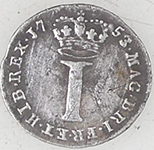
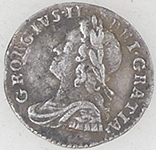
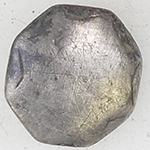
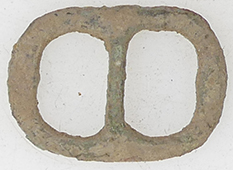
| 1753 George II milled silver penny | 18thC silver button | 1500-1700 buckle | |||||||||||||||||||||||
  |
 |
 |
|||||||||||||||||||||||
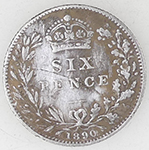
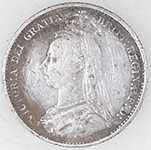
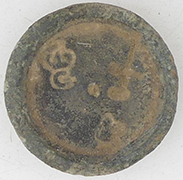
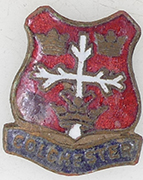
| 1890 Victoria milled silver sixpence | Georgian trade weight - Crow G cipher | Colchester enameled badge | |||||||||||||||||||||||
  |
|
||||||||||||||||||||||||
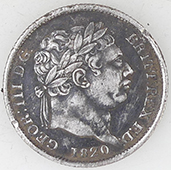
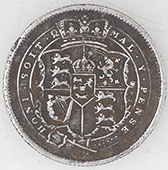
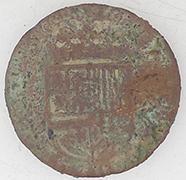
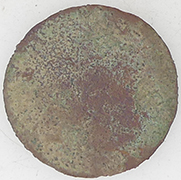
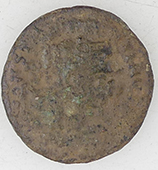
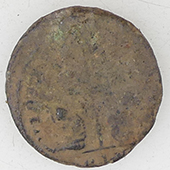
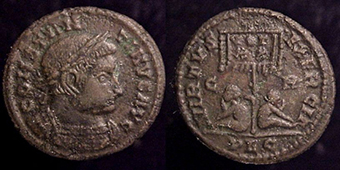
| 1820 George III milled silver shilling | |Mid 4thC Roman bronze coin - sent for ID This is a billon centenionalis of Constantine I ("The Great" 307-337 C.E.) this type was minted ~ 320-321 C.E. |
||||||||||||||||||||||||
  |
  |
||||||||||||||||||||||||
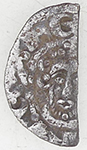
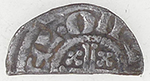
| 18thC Dutch copper coin | 1216 Henry III hammered silver short cross half penny | ||||||||||||||||||||||||
  |
  |
||||||||||||||||||||||||
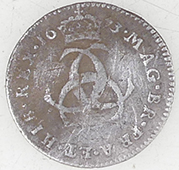
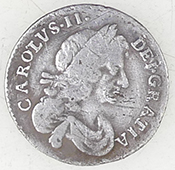
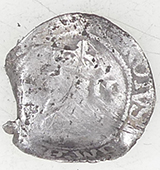
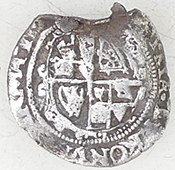
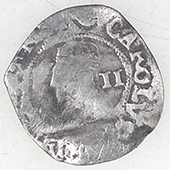
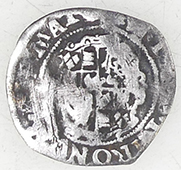
| 1673 Charles II milled silver three pence | 1625 Charles 1st hammered silver half groat | ||||||||||||||||||||||||
  |
  |
||||||||||||||||||||||||
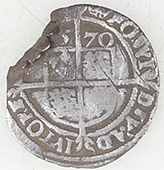
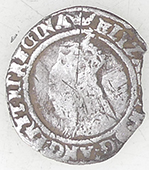
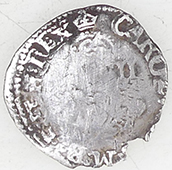
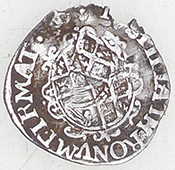
| 1570 Elizabeth 1st hammered silver three pence | 1625 Charles 1st hammered silver half groat | ||||||||||||||||||||||||
  |
 |
 |
|||||||||||||||||||||||
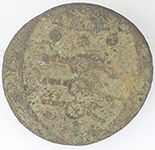
1635-6 Charles 1st hammered silver half groat- Crown mint mark Double struck obverse |
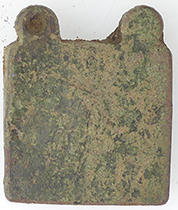
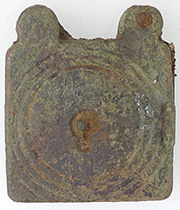
Tudor mount | 18thC Royal Artillery button | |||||||||||||||||||||||
  |
 |
||||||||||||||||||||||||
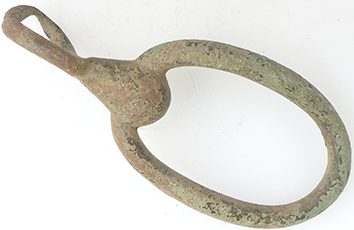
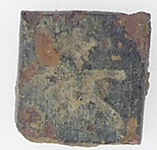
| Georgian padlock | 17thC sword hanger | ||||||||||||||||||||||||
  |
 |
 |
|||||||||||||||||||||||
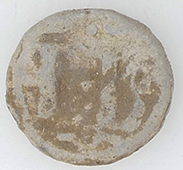
| 18thC apothecary weight | Victorian 1/4 oz trade weight | 17thC lead token | |||||||||||||||||||||||
  |
 |
 |
|||||||||||||||||||||||
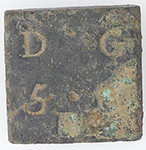
18thC 5 pennyweight and 6 grains coin weight Obv DG 56 |
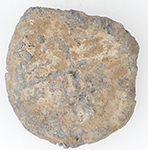
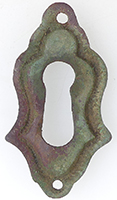
17thC lead token | Victorian key hole escutcheon | |||||||||||||||||||||||
  |
 |
 |
|||||||||||||||||||||||
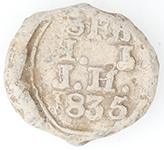
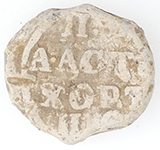
| 1835 Russian lead bale seal | RN Master button
RN Master - 1807-1825 |
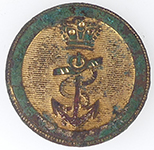
RN Capt / Commander - 1812 RN Lieutenant - 1812 RN Midshipman - 1812 RN Volunteer Gr.I - 1812 |
|||||||||||||||||||||||
  |
 |
||||||||||||||||||||||||
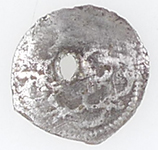
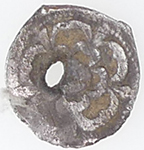
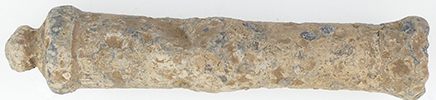
| Tiny 1625 Charles 1st hammered silver half penny - rose both sides, no legend type - 10.19mm, 0.32g | Huge 18thC lead toy cannon | ||||||||||||||||||||||||
  |
 |
 |
|||||||||||||||||||||||
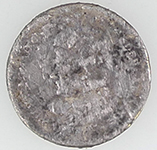
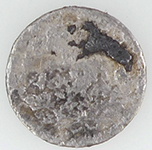
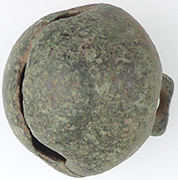
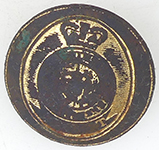
| Unknown Continental silver coins | 18thC crotal bell | Unknown Royal Navy button | |||||||||||||||||||||||
   |
 |
||||||||||||||||||||||||
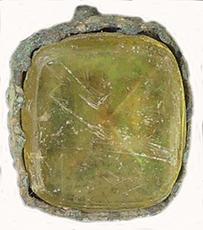
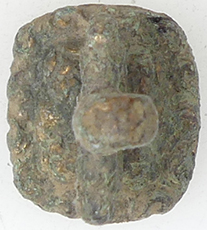
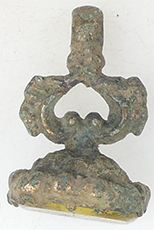
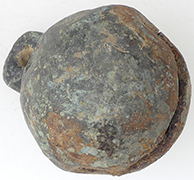
| Georgian fob seal | 18thC crotal bell | ||||||||||||||||||||||||
Bronze Age sword end fragment 33mm W x 30.3 mm L x 6.5mm T
|
|||||||||||||||||||||||||
  |
 |
 |
|||||||||||||||||||||||
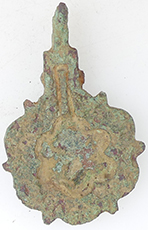
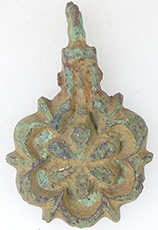
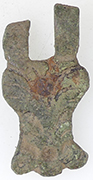
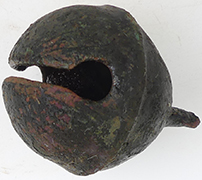
| Medieval harness pendant | 17thC sword belt fitting | 18thC crotal bell | |||||||||||||||||||||||
 |
 |
  |
|||||||||||||||||||||||
| 1500-1700 mount | 18thC Royal navy silver button | Medieval hammered silver long cross farthing | |||||||||||||||||||||||
  |
|||||||||||||||||||||||||
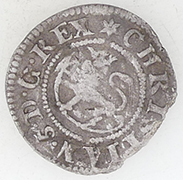
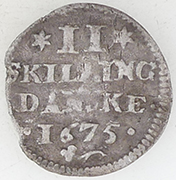
1675 Norway Christian V milled silver 2 skilling ObverseCrowned norwegian lion holding an axe, facing left in a beaded ring. Surrounded by inscription. Beaded ring on the rim. Script: Latin Lettering: CHRISTIAN·5·D·G·REX 🟌 Translation: Christian V, by the Grace of God, King. ReverseValue and date on four lines. Mintmark below the date. Beaded ring on the rim. Script: Latin Lettering: Translation: 2 Danish Skilling.
|
|||||||||||||||||||||||||
  |
  |
||||||||||||||||||||||||
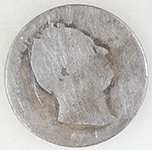
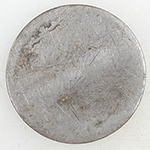
| 19thC Victoria milled silver sixpence | 1830's William IV milled silver sixpence | ||||||||||||||||||||||||
  |
 |
 |
|||||||||||||||||||||||
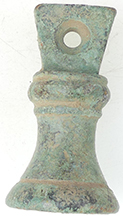
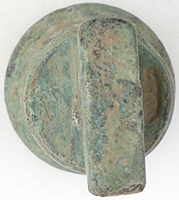
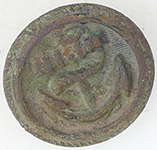
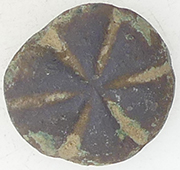
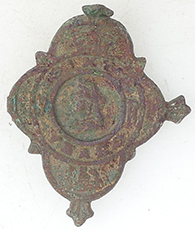
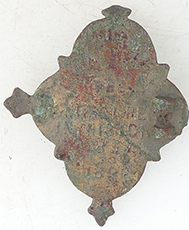
| Georgian bell type trade weight | 1900 Generic Merchant Navy button | Medieval sexfoil mount | |||||||||||||||||||||||
 |
 |
 |
 |
||||||||||||||||||||||
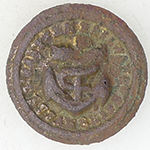
Queen Victoria - '60 year' medallion 1837 - 1897 |
15thC lead token | Victorian Eastern Railway and Steam ship company button | |||||||||||||||||||||||
 |
 |
 |
|||||||||||||||||||||||
| 18thC toy cannon | 15thC lead token | 15thC lead token | |||||||||||||||||||||||
  |
  |
||||||||||||||||||||||||
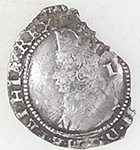
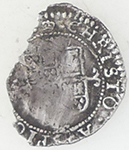
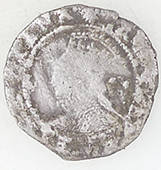
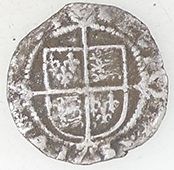
Unknown Charles 1st hammered silver penny No beard - different crown mint mark not in ref books the "no beard" or clean-shaven look generally corresponds to specific early types or specific depictions within the Tower Mint Group A or C issues (1625–1649). [1, 2, 3, 4] |
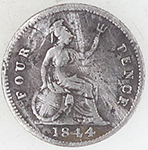
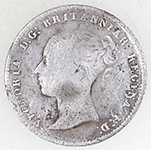
1844 Victoria milled silver four pence | ||||||||||||||||||||||||
  |
 |
 |
|||||||||||||||||||||||
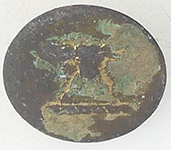
| 1584 - 6 Elizabeth 1st hammered silver half groat - Escallop mint mark | 17thC lead token | Georgian trade weight | |||||||||||||||||||||||
 |
 |
 |
|||||||||||||||||||||||
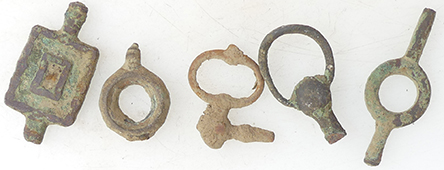
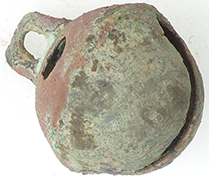
| Georgian watch winders | 19thC livery button | 18thC crotal bell | |||||||||||||||||||||||
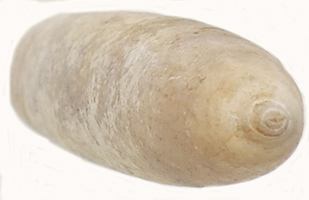
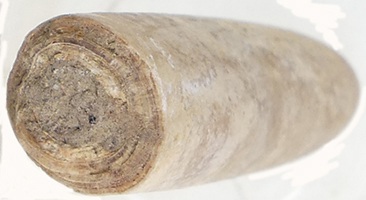
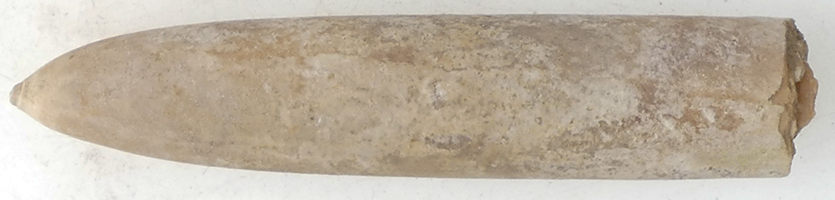
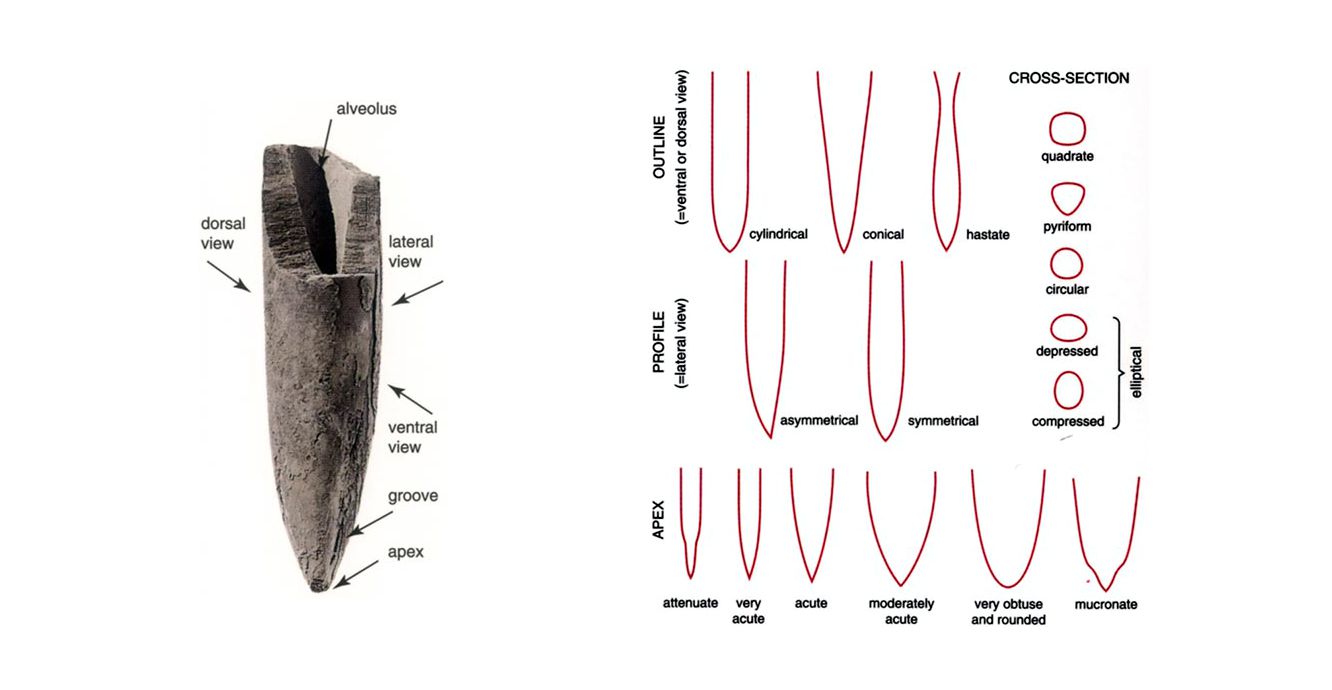
200 million year old squid fossil
Belemnites lived during the periods of Earth history known as the Jurassic and Cretaceous; together, these represent a time interval of about 135 million years. The Jurassic Period began about 201 million years ago and the Cretaceous Period ended about 66 million years ago. The belemnites became extinct at the end of the Cretaceous Period, at roughly the same time as the dinosaurs disappeared. However, we know a lot about them because they are commonly found as fossils, formed when the remains of traces of the animal became buried by sediments that later solidified into rock. |
|||||||||||||||||||||||||
|
|
||||||||||||||||||||||||
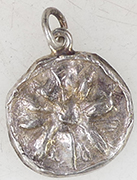
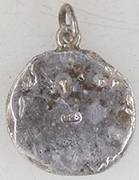
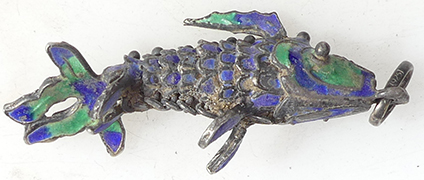
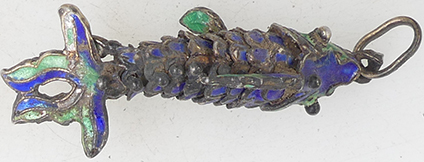
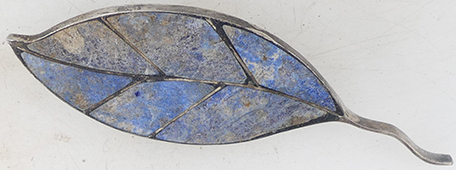
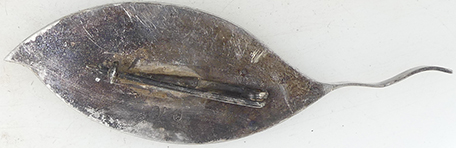
| 20thC enameled silver fish charm | 20thc enameled silver leaf brooch | ||||||||||||||||||||||||
  |
 |
 |
|||||||||||||||||||||||
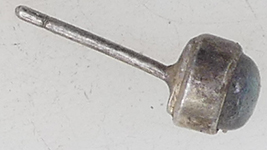
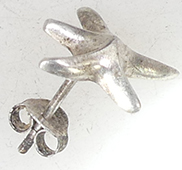
| 20thC 0.925 silver pendant | Victorian silver ear ring with stone | Silver ear ring | |||||||||||||||||||||||
|
  |
||||||||||||||||||||||||
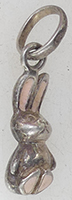
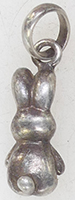
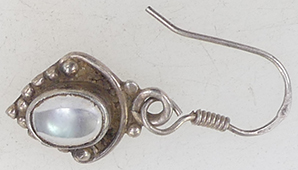
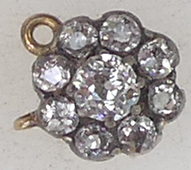
| Victorian silver ear ring with stone | 20thC Silver bunny charm | ||||||||||||||||||||||||
 |
  |
||||||||||||||||||||||||
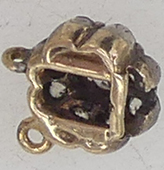
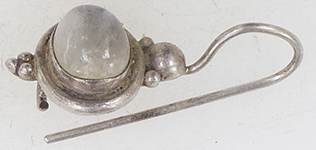
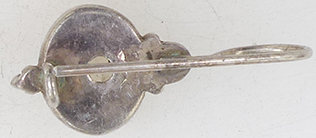
| Silver ear ring | Victorian gold clasp with diamonds | ||||||||||||||||||||||||
 |
 |
 |
|||||||||||||||||||||||
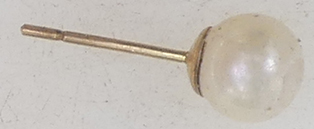
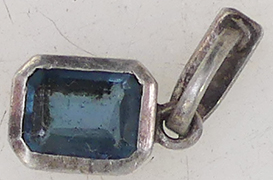
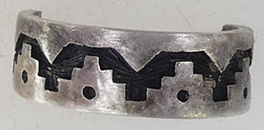
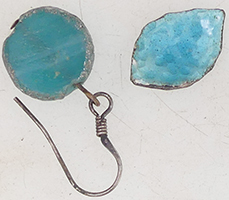
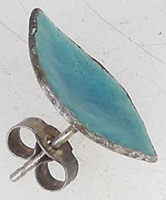
| Gold ear ring with peal | Victorian silver ear ring | 20thC silver ear ring | |||||||||||||||||||||||
  |
 |
 |
|||||||||||||||||||||||
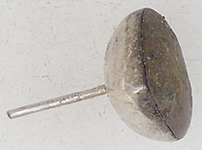
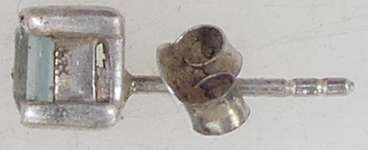
| 20thC silver ear rings | 20thC silver ear ring | 20thC silver ear ring | |||||||||||||||||||||||
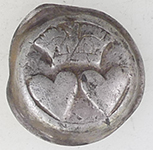
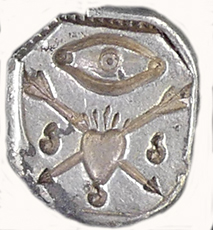
Stunning 17thC Charles II silver seal matrix "Crowned bleeding-heart motifs and associated designs are seen to represent marital fidelity and love, and in some contexts religious and political (Royalist) beliefs." |
|||||||||||||||||||||||||
  |
  |
||||||||||||||||||||||||
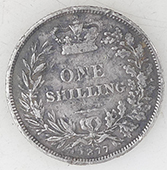
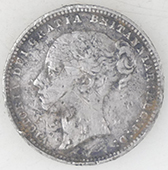
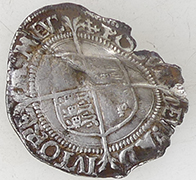
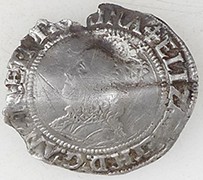
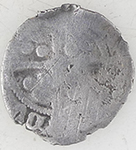
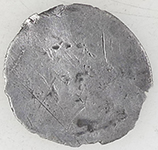
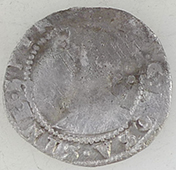
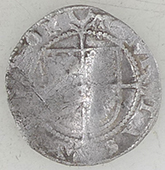
| 1877 Victoria milled silver shilling | 1560-1 Elizabeth 1st hammered silver groat - Cross Crosslet | ||||||||||||||||||||||||
  |
  |
||||||||||||||||||||||||
| Medieval hammered silver penny - DVR - Durham mint | 1582-4 Elizabeth 1st hammered silver half groat- A mint mark | ||||||||||||||||||||||||
 |
 |
  |
|||||||||||||||||||||||
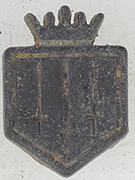
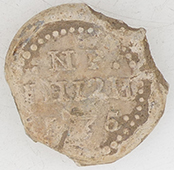
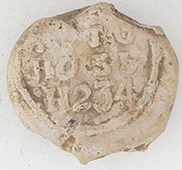
| 1500-1700 mount | Post medieval shield mount | 1775 Russian bale seal | |||||||||||||||||||||||
  |
  |
||||||||||||||||||||||||
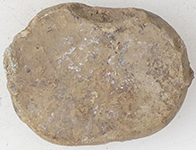
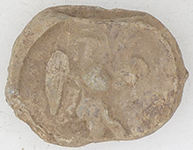
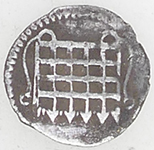
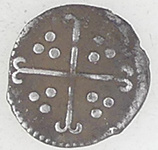
| Post medieval lead bale seal | 1582-1600 Elizabeth hammered silver half penny - no mint mark | ||||||||||||||||||||||||
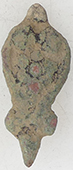
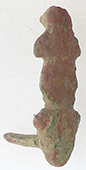
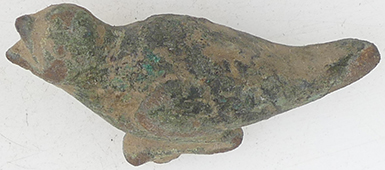
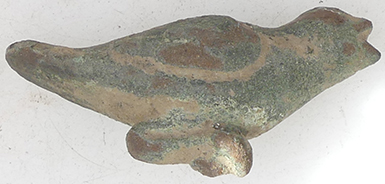
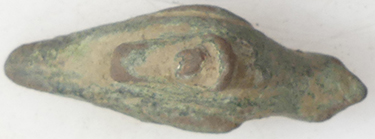
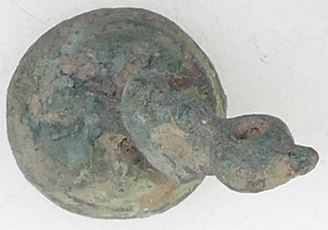
Roman bird mount |
|||||||||||||||||||||||||
  |
  |
||||||||||||||||||||||||
1279 Edward 1st hammered silver farthing Obv **EDW **** Rev CIVI/ |
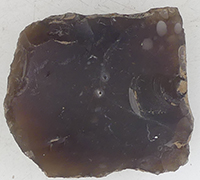
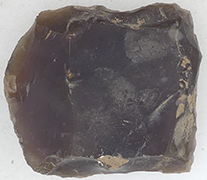
18thC musket flint | ||||||||||||||||||||||||
  |
  |
||||||||||||||||||||||||
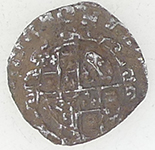
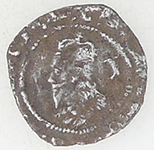
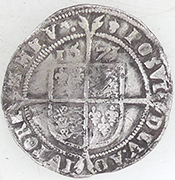
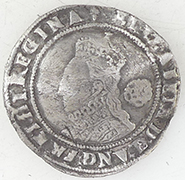
| 1625 Charles 1st hammered silver penny | 1573 Elizabeth 1st hammered silver sixpence -acorn mint mark | ||||||||||||||||||||||||
  |
  |
||||||||||||||||||||||||
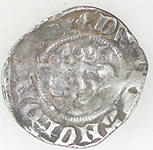
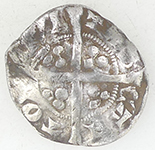
1279 Edward 1st hammered silver penny Obv EDW***ANGL DBS hYB Rev CIVI/TAS/CAN/TOR - Canterbury mint |
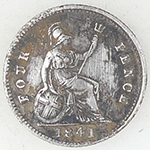
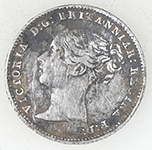
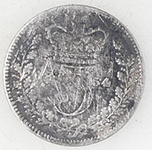
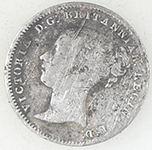
1841 Victoria milled silver four pence | ||||||||||||||||||||||||
  |
  |
||||||||||||||||||||||||
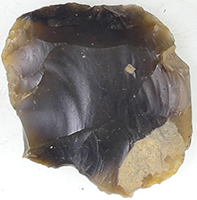
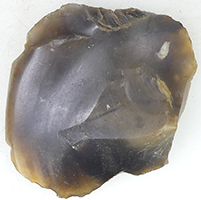
| 1854 Victoria milled silver three pence | 11,000 BC flint scraper | ||||||||||||||||||||||||
Amazing coin - earliest silver coin ever made by a milling machine - 1561-1571 Elizabeth 1st milled silver half groat - 6 pointed star mint mark Elizabeth I (1558-1603), silver milled coinage by Elloye Mestrelle, undated earliest pre-production issue (1560-61),crowned bust left in elaborate dress and ruff, bust type A entirely within legend, initial mark mullet both sides, outer toothed circle and legend surrounding both sides, * ELIZABETH. D. G. ANG. FRAN. ET. HIB. REGINA, rev. long cross fourchée over quartered shield of arms, POSVI DEVM. AD IVTORE M. MEVM, The abbreviated Latin legends translate as on the obverse "Elizabeth by the Grace of God, Queen of England, France and Ireland"; and on the reverse "I have made God my helper." The mint mark of mullet (five-pointed star) was reserved only for use on the pre-production patterns, the currency milled pieces using the six-pointed mint mark of star. Though no original indentures or documentation survives for the production during the milled coinage by Mestrelle, writers Borden and Brown worked out in 1983 the sequence of dies used for the milled coinage, this represents the beginning being an example of the first milled coin ever produced in this country, the earliest issue struck in either December 1560 or January 1561. Elloye Mestrelle likely arrived from Paris with his family in 1559, and along with his sibling Philip was already a skilled engraver. It is thought that he came to England to sell his skills to the Mint, as the Queen was concentrating her energy into the recoinage, having ascended the throne the year before. He may well have lost employment engraving in France, as the first mention of him is in a pardon by Queen Elizabeth of 24th March 1561 where he is forgiven for any treasons, felonies or offences before his arrival at the Mint dating before 1st March 1559. He seems to have secured a contract during 1560 at the Mint and was known to be acquiring materials for his machinery in June of that year. |
|||||||||||||||||||||||||
 |
 |
 |
|||||||||||||||||||||||
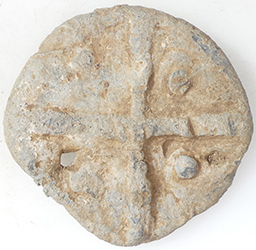
| 19thC 'Republic' button | 15thC lead token | Huge Medieval lead trade - long cross and pellet type 4oz (1/4 Ib) - 56mm dia |
|||||||||||||||||||||||
  |
  |
||||||||||||||||||||||||
| 1603 James 1st hammered silver penny | 18thC 2 pennyweight and 16 grains coin weight | ||||||||||||||||||||||||
 |
  |
||||||||||||||||||||||||
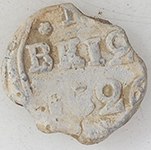
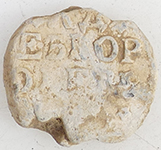
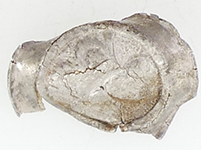
| 17thC Charles II marriage silver button - reported as treasure to museum | 1826 Russian lead bale seal | ||||||||||||||||||||||||
 |
 |
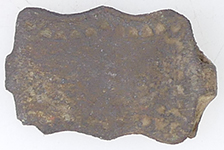 |
|||||||||||||||||||||||
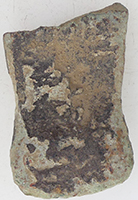
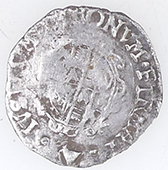
| 17thC Charles II marriage silver button - reported as treasure to museum | Medieval bronze pot foot | 18thC clog fastener | |||||||||||||||||||||||
  |
  |
||||||||||||||||||||||||
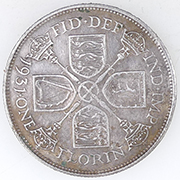
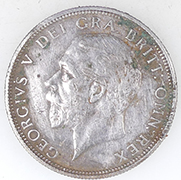
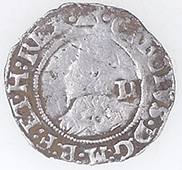
| 1931 George V milled silver florin (24 pence) | 1641-3 Charles 1st hammered silver half groat -triangle in circle mint mark | ||||||||||||||||||||||||
 |
 |
 |
|||||||||||||||||||||||
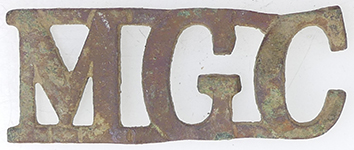
| WWII Machine Gun Corp lapel badge | Capt / Commander - 1774-1787 RN Master & Mate - 1787-1807 |
19thC livery button | |||||||||||||||||||||||
  |
 |
 |
|||||||||||||||||||||||
| 1216 Henry III hammered silver short cross farthing | 19thC livery button | 19thC livery button | |||||||||||||||||||||||
 |
 |
 |
|||||||||||||||||||||||
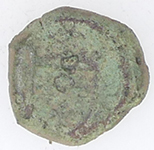
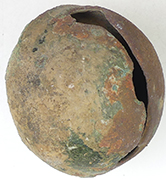
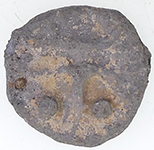
| 1475 AD 'Sun in shield' Bronze uniface coin weight for the 'ecu au soleil' French gold coin | 18thC crotal bell | Medieval lead token | |||||||||||||||||||||||
 |
 |
||||||||||||||||||||||||
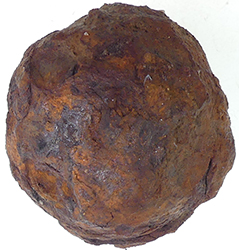
1640's Civil War iron cannon ball - 32 mm dia 111g , 3.9oz- Standard 1/4 lb shot |
1640's Civil War iron cannon ball - 33mm dia 104g, 3.7oz - Standard 1/4lb shot |
||||||||||||||||||||||||
  |
 |
 |
|||||||||||||||||||||||
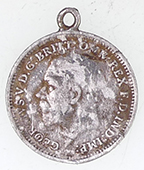
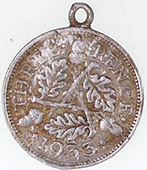
| 1933 George V milled silver three pence pendant | RN Purser - 1807 In use 1807 - 1825 In Gilt |
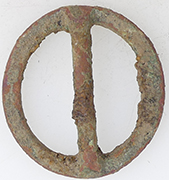
1500-1700 buckle | |||||||||||||||||||||||
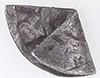
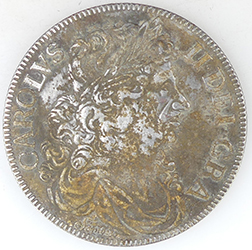
1663 Charles II milled silver petition crown forgery (60 pence) 24g, 40mm
|
|||||||||||||||||||||||||
The Petition Crown was a pattern coin produced in 1663 by Thomas Simon, a celebrated English medallist and coin-designer. The coin was submitted directly by the artist to King Charles II as a personal 'petition' against the contemporary coins designed by the Flemish brothers John and Joseph Roettiers, and for the further Royal consideration that only Simon's designs be used for all future specie now that machine-made currency had been adopted universally for the production of British coinage.
|
|||||||||||||||||||||||||
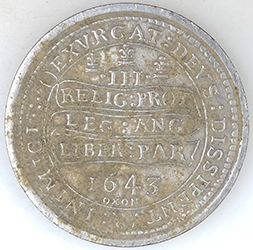
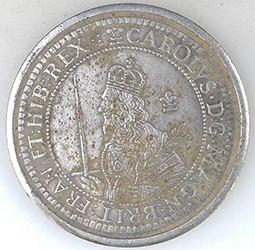
Charles 1st 1643 Crown - forgery silver plated brass (60 pence)
22.5g, 39mm |
|||||||||||||||||||||||||
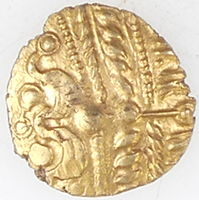
70BC uninscribed 'Q' Gold - 'Remi 'Type Celtic gold qtr stater - reported to museum 1.26g, 12.3mm |
|||||||||||||||||||||||||
  |
  |
||||||||||||||||||||||||
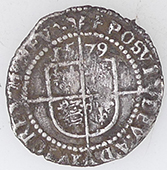
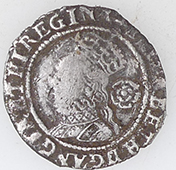
| 1579 Elizabeth 1st hammered silver three pence | 1216 Henry III hammered silver short cross half penny | ||||||||||||||||||||||||
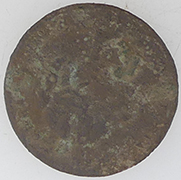
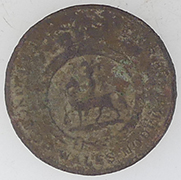
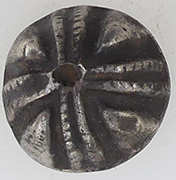
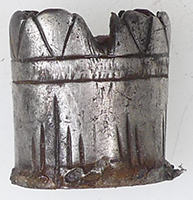
Possible rare 15th C silver thimble with an openwork top and small, circular, manually produced indentations- reported as potential treasure Museum ID below
PENDANTUnique ID: SWYOR-0F58CC
A silver ferrule probably from a pendant, probably of late medieval to post medieval date, about AD 1400 - 1600. It is an oval cylinder of sheet silver, closed at one end, from which a loop projects. The other end is hollow, and white material can be seen inside. The loop is worn, suggesting it was for suspension, hence the object type being pendant. It appears to have been soldered to the end of the silver cap. The flat end of the ferrule is decorated with four groups of parallel incised lines, all springing from the centre. The lines are graduated in height, the longest in the centre of each group and the shortest at the edges. The sides of the ferrule are vertical. A groove round the top may be incised, or may mark where the end was soldered to the sides. The sides are decorated with four groups of lines, similar to those of the top, all descending from the top. At the open end are three incised border lines. The outer two have oblique lines between them. Beyond these, are chevrons pointing towards the open end of the pendant, each filled with hatched lines. The open edge is bent slightly inwards and has at least 6 notches, dividing the metal into tabs. These would have held the missing mounted object. Inside the tube, recessed by 3.8mm, is a soft and powdery white substance with a rough surface of grooves radiating from the centre. This may be a cement to hold the missing setting. The metal part of the object is 18.4mm long. It is 10.7mm wide and 8.6mm thick. The loop has an internal diameter of 3.3mm. 2g. The function of this object is uncertain. It is too narrow to be a ferrule from a swagger stick, and seems too wide to be from a pencil or an earring, though it could be from a larger piece of jewellery. It could also be a knife end cap. It is unclear what material missing from the setting would leave a radiating imprint in the adhesive. The cement may have been keyed to improve the fixing. It could be missing a gem, coral, or organic setting such as a tooth or an ivory element. The decoration of the metal probably suggests a late Medieval to early Post Medieval date. Compare the decoration of short incised lines with the engraved lines on NLM-C04B47 (2021 T470), a silver ferrule dated to AD 1450 - 1550. Compare also NARC-8E95A7 (2020 T412) which is a silver pendant with a mounted tooth. The object could also be an amulet or baby's teething pendant or rattle that had coral mounted in the setting. Compare an example in the Walters Art Museum (accession number 57.1992) which is dated AD 1475 - 1550. It has a silver ferrule containing a piece of white coral (Suspended white coral amulet | The Walters Art Museum). |
|||||||||||||||||||||||||
  |
  |
||||||||||||||||||||||||
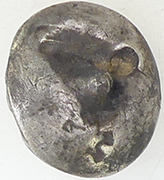
| Victorian Wales model token | Very interesting silver button with star hall or makers mark on rear Could be 16th/17thC treasure so sent to museum for their views |
||||||||||||||||||||||||
  |
 |
 |
|||||||||||||||||||||||
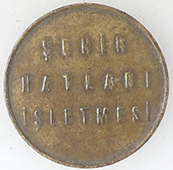
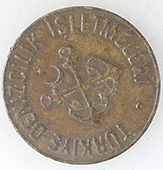
| Maritime Transport Token - Şehir Hatları İşletmesi Denizcilik Bankası
Script: Latin Lettering: DENİZCİLİK BANKASI T.A.O. |
15thC lead token | 1500-1700 mount | |||||||||||||||||||||||
 |
 |
 |
 |
||||||||||||||||||||||
| 19thC livery button | Royal Navy Lieutenant - 1748 RN Flag Officer - 1748 |
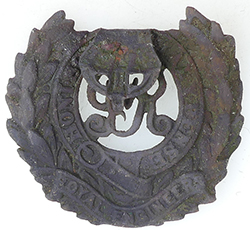
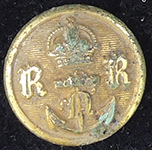
WWII Royal Engineers cap badge | Small WW1 WW2 Sweetheart Brooch RNR button on Gold Bar
Crown Anchor RNR Kings crown |
||||||||||||||||||||||
  |
  |
||||||||||||||||||||||||
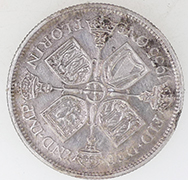
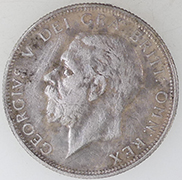
| 2ndC Roman fibular brooch | 1935 George V milled silver florin (24 pence) | ||||||||||||||||||||||||
|
 |
 |
|||||||||||||||||||||||
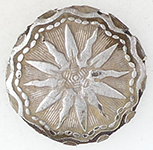
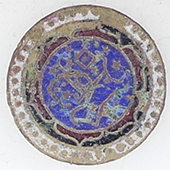
| Post medieval gilded harness fitting | 20thC alloy hunting button | Victorian enameled button | |||||||||||||||||||||||
  |
  |
||||||||||||||||||||||||
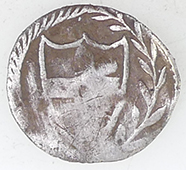
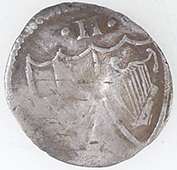
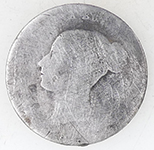
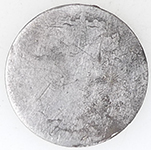
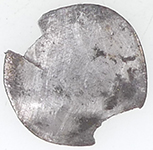
| 1649 Commonwealth hammered silver half groat | 19thC Victoria milled silver sixpence | ||||||||||||||||||||||||
  |
  |
||||||||||||||||||||||||
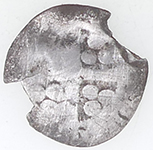
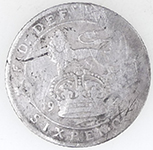
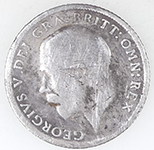
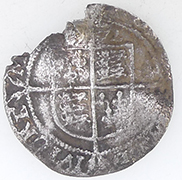
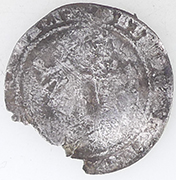
| Medieval hammered silver long cross penny | 1914 George V milled silver sixpence | ||||||||||||||||||||||||
  |
 |
||||||||||||||||||||||||
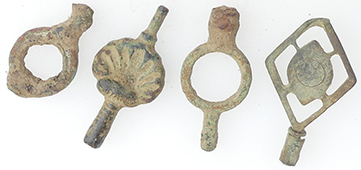
| 1571 Elizabeth 1st hammered silver sixpence | Georgian watch winders | ||||||||||||||||||||||||
 |
 |
 |
|||||||||||||||||||||||
1640's Iron cannon ball 184.8g, 6.5 oz - 38mm -1.5inch |
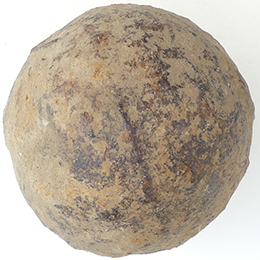
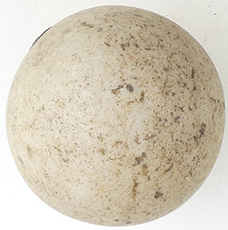
16thC stone cannon ball 20.4g, 25.7mm - 1inch |
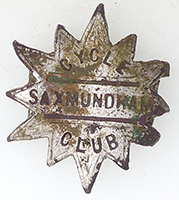
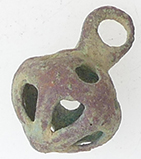
20thC Saxmundham Cycle club | |||||||||||||||||||||||
  |
 |
 |
|||||||||||||||||||||||
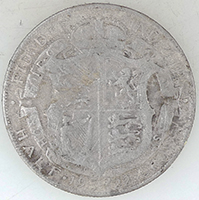
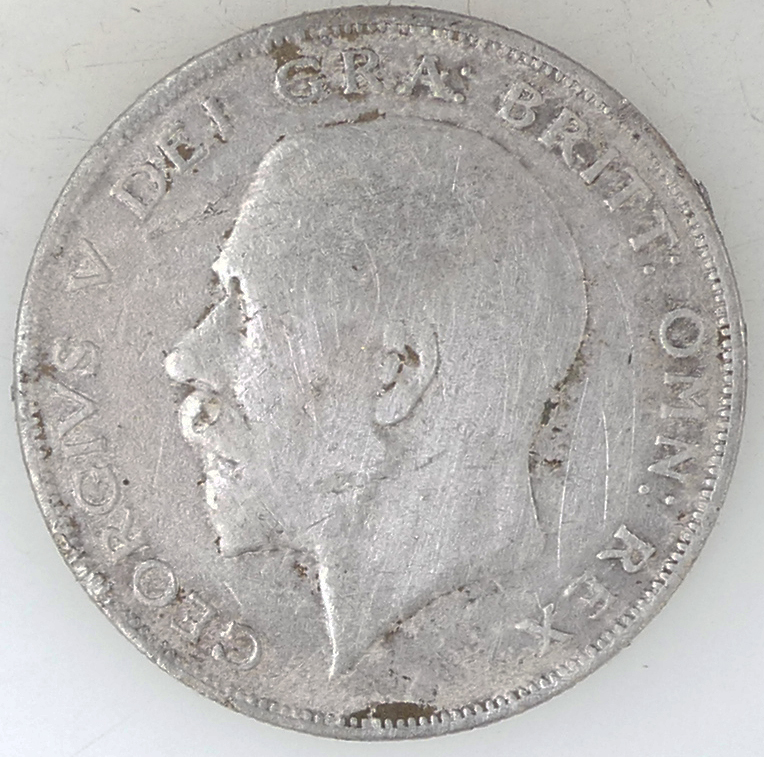
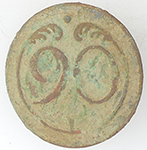
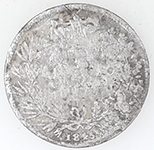
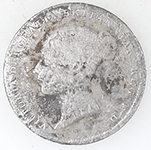
| 1922 George V milled silver half crown (30 pence) | French Napoleonic 90th regiment of the line | 16thC Tudor button | |||||||||||||||||||||||
  |
 |
 |
|||||||||||||||||||||||
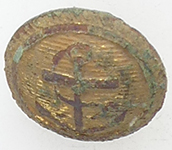
| 1845 Victorian milled silver sixpence | 18thC Royal Navy silver button | RN Capt / Commander - 1787 | |||||||||||||||||||||||
 |
 |
  |
|||||||||||||||||||||||
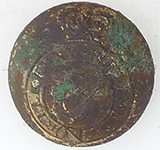
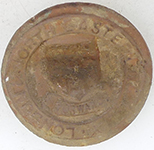
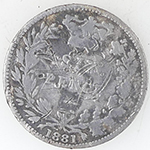
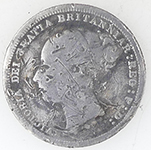
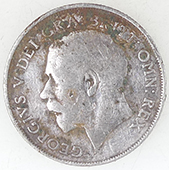
| Irish 1856-81 Kilkenny Regiment button | London North Eastern railway button | 1887 Victoria milled silver sixpence | |||||||||||||||||||||||
Medieval gilded buckle chape |
|||||||||||||||||||||||||
  |
 |
 |
|||||||||||||||||||||||
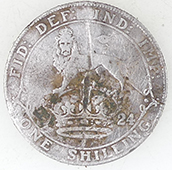
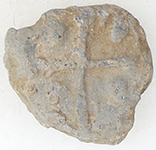
| 1924 George milled silver shilling | Medieval lead token | ||||||||||||||||||||||||
  |
  |
||||||||||||||||||||||||
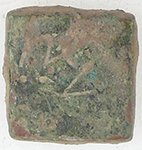
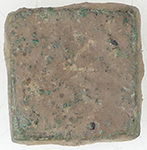
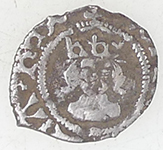
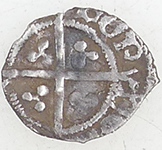
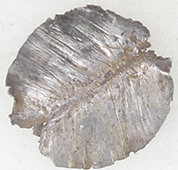
| 18thC apothecary weight | 1509-26 Henry VIII hammered silver farthing | ||||||||||||||||||||||||
  |
  |
||||||||||||||||||||||||
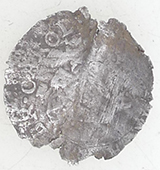
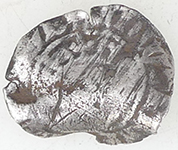
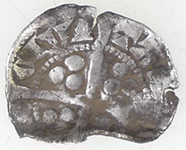
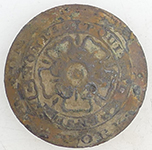
| Unknown legend on a 17thC Charles hammered silver half groat - Obv BR.CAROLUS | 1279 Edward 1st hammered silver penny Obv +EDWAR *****yB RevCIVI/TAS *** |
||||||||||||||||||||||||
  |
 |
 |
|||||||||||||||||||||||
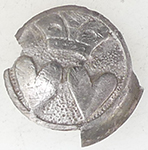
| 1634 Charles 1st hammered copper rose farthing | Georgian silver faced button | Unknown Army button | |||||||||||||||||||||||
 |
  |
||||||||||||||||||||||||
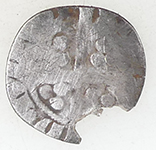
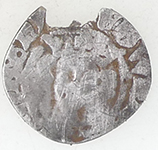
| 17thC Charles II silver button - reported as treasure | 1279 Edward 1st hammered silver penny Obv EDWR**** Durham mint |
||||||||||||||||||||||||
 |
 |
 |
 |
||||||||||||||||||||||
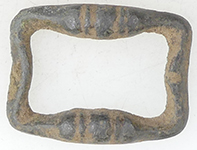
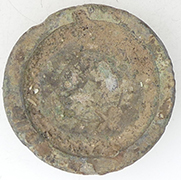
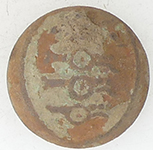
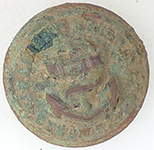
| Georgian buckle | Georgian | 18thC Royal Artillery button | Victorian Eastern Railway and Steam ship company button | ||||||||||||||||||||||
  |
 |
 |
|||||||||||||||||||||||
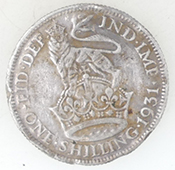
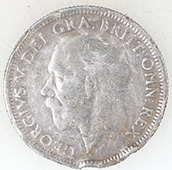
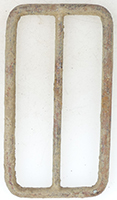
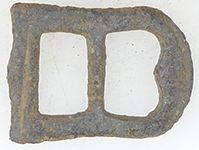
| 1931 George V milled silver shilling | Post medieval baldric buckle | 1500-1700 buckle | |||||||||||||||||||||||
 |
 |
  |
|||||||||||||||||||||||
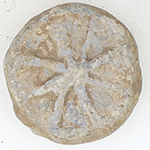
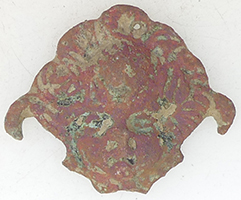
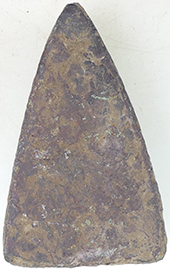
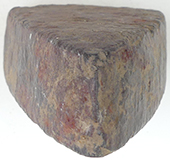
| 15thC lead token | Georgian cherub mount | Post medieval standing prism trade weight | |||||||||||||||||||||||
 |
 |
 |
|||||||||||||||||||||||
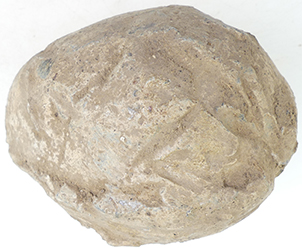
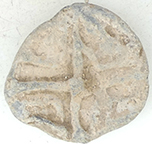
| Roman lead ballista shot | 1500-1700 mount | 15thC lead token | |||||||||||||||||||||||
  |
  |
||||||||||||||||||||||||
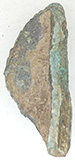
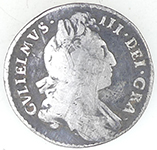
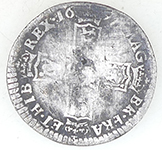
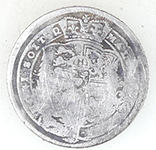
| 2ndC Romney fibular brooch fragment | 1697 William III milled silver sixpence | ||||||||||||||||||||||||
  |
 |
 |
|||||||||||||||||||||||
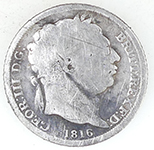
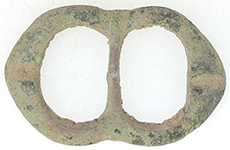
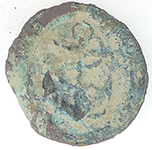
| 1816 Georgian milled silver sixpence | 1500-1700 buckle | RN Capt / Commander - 1787 RN Lieutenant - 1787 |
|||||||||||||||||||||||
  |
 |
 |
|||||||||||||||||||||||
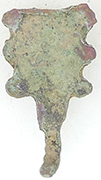
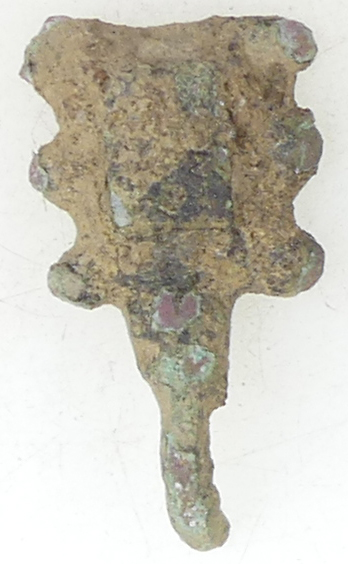
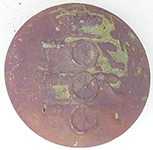
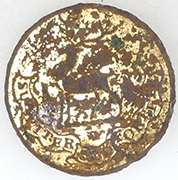
| 15thC Tudor clothing fastener | 18thC Royal Artillery button | 19thC livery button | |||||||||||||||||||||||
  |
  |
||||||||||||||||||||||||
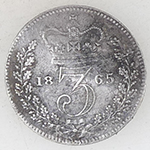
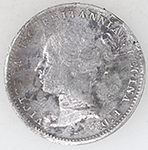
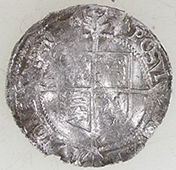
| 1865 Victoria milled silver three pence | 1578 - 1579 Elizabeth 1st hammered silver half groat - Greek cross mint mark | ||||||||||||||||||||||||
  |
  |
||||||||||||||||||||||||
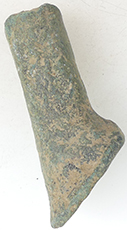
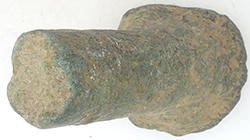
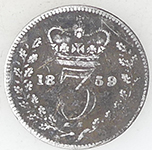
| Medieval bronze pot foot | 1859 Victoria milled silver three pence | ||||||||||||||||||||||||
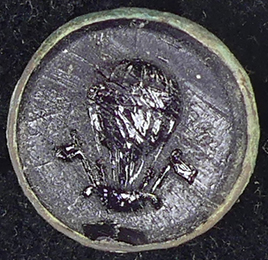
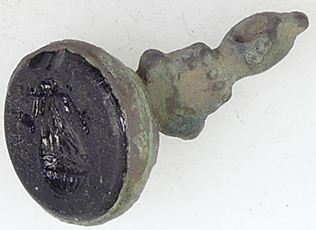
Georgian fob seal - balloon impression |
|||||||||||||||||||||||||
  |
 |
 |
|||||||||||||||||||||||
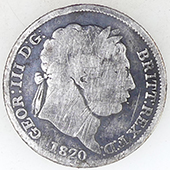
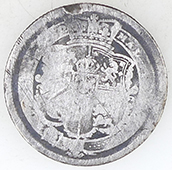
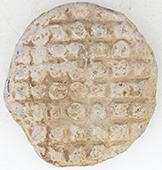
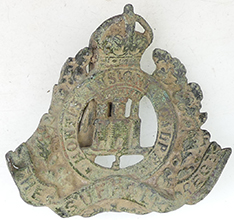
| 1820 George III milled silver shilling | 17th C lead token | WWI The Suffolk Regiment cap badge | |||||||||||||||||||||||
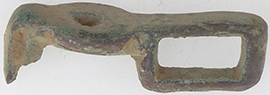
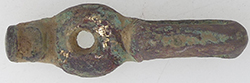
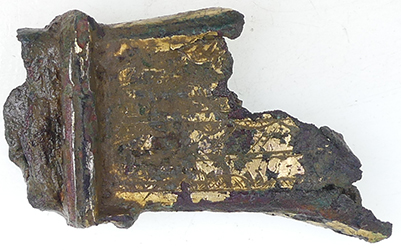
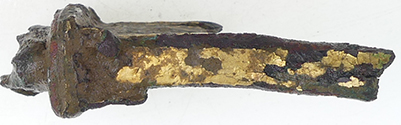
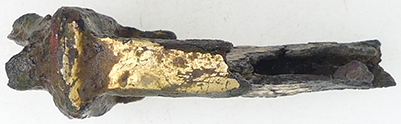
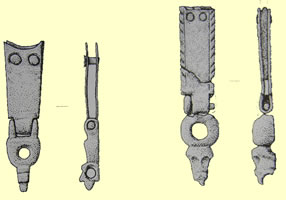
Medieval book clasp
The distinguishing feature of this book format is its long extension of the leather cover |
|||||||||||||||||||||||||
  |
 |
 |
|||||||||||||||||||||||
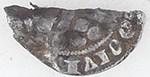
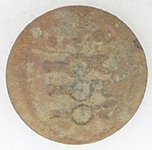
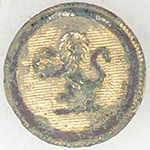
| 1279 Edward 1st hammered silver half penny | 18thC Royal Artillery button | Before 1807 Honourable East India Company | |||||||||||||||||||||||
 |
 |
  |
|||||||||||||||||||||||
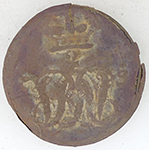
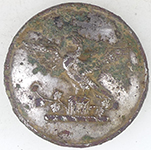
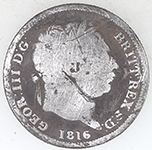
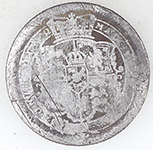
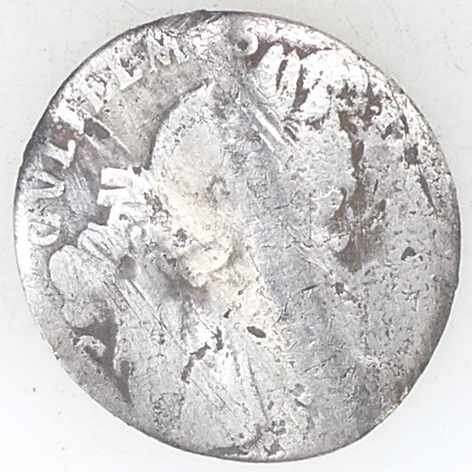
| Unknown military button | 19thC livery button | 1816 George III milled silver sixpence | |||||||||||||||||||||||
  |
  |
||||||||||||||||||||||||
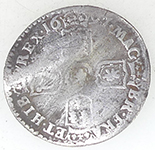
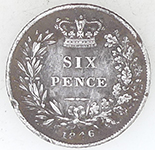
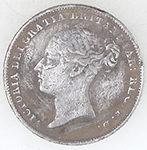
| 1697 William III milled silver sixpence love token | 1846 Victoria milled silver sixpence | ||||||||||||||||||||||||
  |
  |
||||||||||||||||||||||||
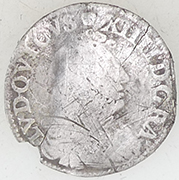
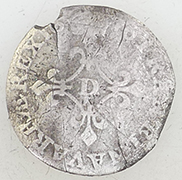
1676 French silver coin4 sols of "Traitants" - Louis XIV
ObverseBust of Louis XIV, bare headed, draped on the right with long wig. Script: Latin Lettering: LVDOVICVS• •XIIII• D• GRA• Unabridged legend: LVDOVICVS•XIIII•DEI•GRATIA• Translation: Louis XIV, by the Grace of God... Engraver: François Warin ReverseCrown above fleur-de-lis cross; mint mark in center. Script: Latin Lettering: Unabridged legend: Franciae et Navarrae Rex Translation: ... King of France and Navarre. Engraver: François Warin EdgePlain Mints
|
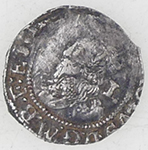
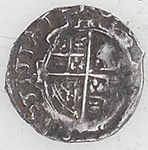
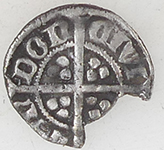
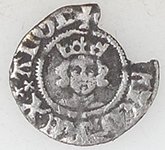
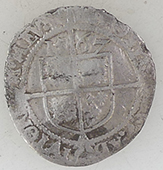
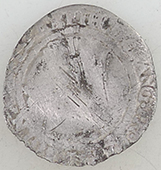
1310-14 Edward II hammered silver halfpenny Type 12a Obv +***ARD REX x ANGI' Obv CIVI/***/LON/DON - London mint |
||||||||||||||||||||||||
  |
 |
 |
|||||||||||||||||||||||
| 1565 Elizabeth 1st hammered silver half groat | Georgian lead tobacco jar lid handle | 1500-1700 mount | |||||||||||||||||||||||
  |
  |
||||||||||||||||||||||||
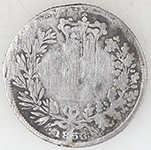
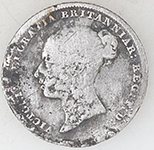
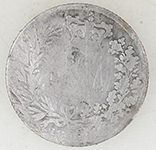
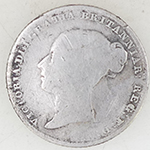
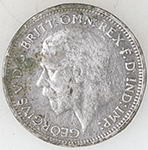
| 1853 Victoria milled silver sixpence | 1856 Victoria milled silver sixpence | ||||||||||||||||||||||||
  |
  |
||||||||||||||||||||||||
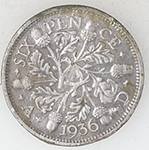
| 1936 George V milled silver sixpence | 1851 Victoria milled silver three pence | ||||||||||||||||||||||||
 |
 |
 |
 |
||||||||||||||||||||||
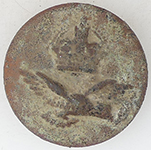
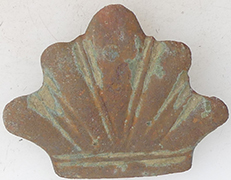
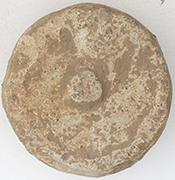
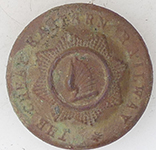
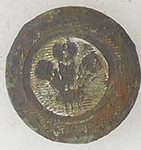
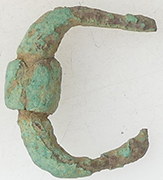
| WWII Royal Flying coin button | 1500-1700 mount | Post medieval lead trade weight | The great eastern railways button | ||||||||||||||||||||||
 |
 |
  |
|||||||||||||||||||||||
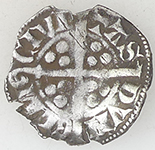
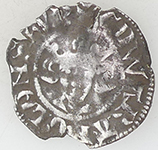
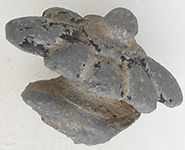
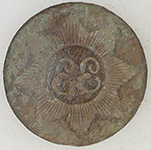
| Prince of Wales feathers button | Roman buckle | 1327 Edward III hammered silver penny Obv +EDWAR ANGL DNS hYB Rev CIVI/TAS/DVN/ELME/ -Durham mint |
|||||||||||||||||||||||
 |
 |
 |
|||||||||||||||||||||||
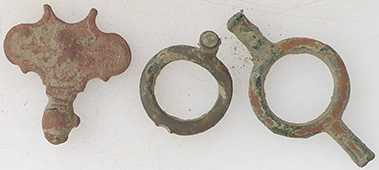
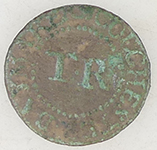
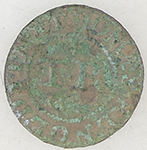
| Georgian watch winders | Georgian lead tobacco jar lid handle | The East Essex Militia were formed in 1759 and became the Essex Rifles Militia in 1853 during this period they had five styles of known button of which this is the fourth, so date wise you can go 1760-1853 or probably for this style c1810 | |||||||||||||||||||||||
  |
 |
||||||||||||||||||||||||
17thC hammered copper trade farthing - Thomas Reynolds, bays maker of Colchester |
c10thC Saxon harness cheek piece | ||||||||||||||||||||||||
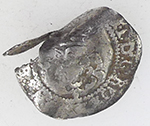
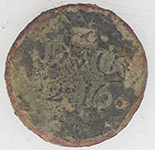
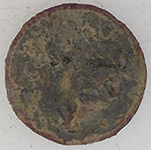
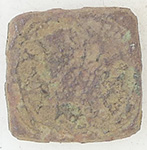
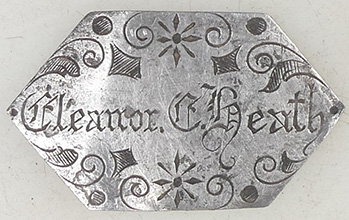
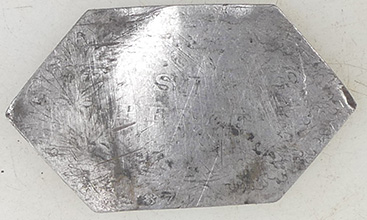
Facinating relic - was this made out of sixpence ? Obv Eleanor.E.Heath Rev Six pnece- 1871 |
|||||||||||||||||||||||||
16thC dagger pommel |
|||||||||||||||||||||||||
 |
  |
||||||||||||||||||||||||
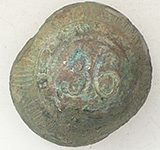
2nd of this type we have found This is a fascinating one piece silvered unrecorded button find - The Button is the 36th Regiment of foot with the legend 'Leicester Regiment'. The Leicester Regiment were the 17th Regiment of foot ? and fought with Cornwallis at York town. Officer - 1800-1830 |
1578 Dutch low countries Antwerp hand coin weight Obv Hand Rev King standing with sceptre |
||||||||||||||||||||||||
 |
  |
||||||||||||||||||||||||
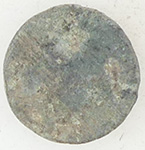
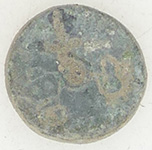
French Napoleonic 56th foot artillery button - one piece
Bouton d'officier du 1er regiment à pied et des compagnie d'ouvriers et d'armuriers de l'artillerie 1804-1811 |
Medieval angel coin weight | ||||||||||||||||||||||||
  |
  |
||||||||||||||||||||||||
Georgian trade weight Crowwn G cipher |
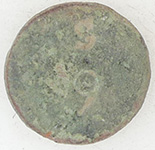
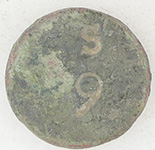
1770's 9 shilling coin weight Obv S9 |
||||||||||||||||||||||||
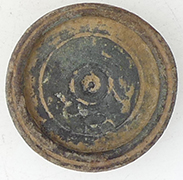
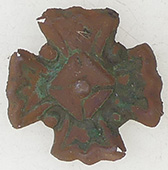
Late Early Medieval (Anglo-Scandinavian) cast copper alloy incomplete cheek piece from a harness fitting. The fragment comprises a flat plate formed by a late Viking-inspired creature, its body curving to create ares of openwork |
|||||||||||||||||||||||||
 |
 |
 |
|||||||||||||||||||||||
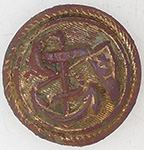
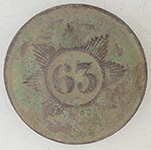
| Medieval mount | Unknown Navy button - merchant line | 63rd Regiment of foot Description: 63 incised within eight pointed star. Category: Regular Army; Type of button: Flat 22mm ; Metal: Copper Alloy silvered; Backmark: I McGOWAN GERRARD ST LONDON Date: c1800-1820 An officers example to the 63rd unusally with incised rather than raised numerals, known as the 63rd Regt of Foot 1758-1782 and then West Suffolk 1782-1881. |
|||||||||||||||||||||||
 |
  |
||||||||||||||||||||||||
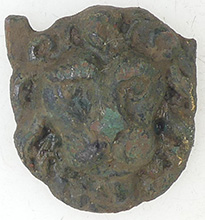
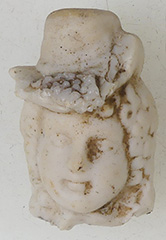
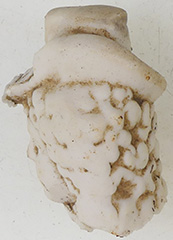
| Victorian mount | Georgian porcelain head | ||||||||||||||||||||||||
  |
  |
||||||||||||||||||||||||
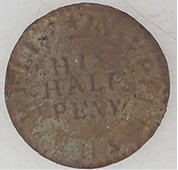
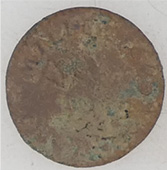
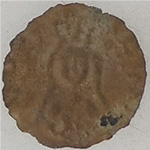
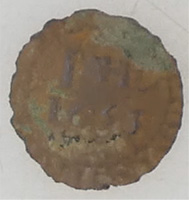
| 1666 ‘His half peny’ hammered copper trade half penny | 1653 Jeremy Erds of Manningtree Essex hammered copper trade farthing | ||||||||||||||||||||||||
  |
  |
||||||||||||||||||||||||
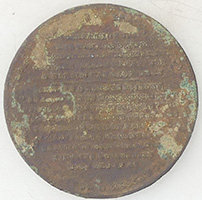
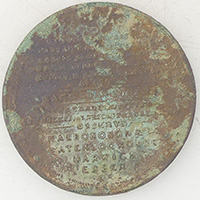
19th-century mercantile token or advertising medallion issued by a prominent drapery and grocery business named Waterloo House in Harwich, Essex The medallions are often struck in copper or brass and feature the business name and lists of goods traded (e.g., nutmeg, ginger, clover, cocoa, and raw sugars) on the reverse, used by the trade and public alike for retail transactions |
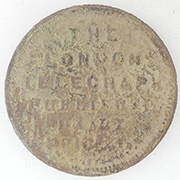
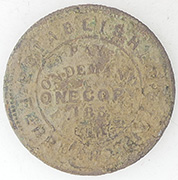
1860 The London Telegraph published token 'Pay on demand one copy' The London District Telegraph Company : Established in 1859 to route cheap local messages across the capital for a flat rate of 6d, this specific network began heavily utilizing and publishing distinctive adhesive message stamps between 1860 and 1861. These items functioned as physical prepaid tokens to clear messages quickly through local stations |
||||||||||||||||||||||||
 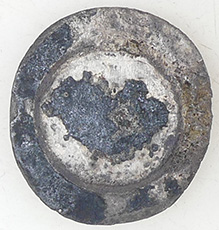 |
|||||||||||||||||||||||||
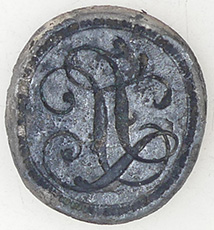
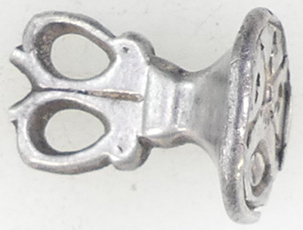
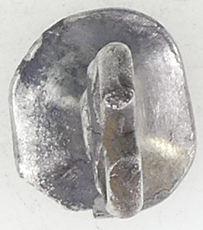
| Georgian silver seal matrix | |||||||||||||||||||||||||
Post medieval knife pommel |
|||||||||||||||||||||||||
Medieval silver pin T2012 T492 |
|||||||||||||||||||||||||
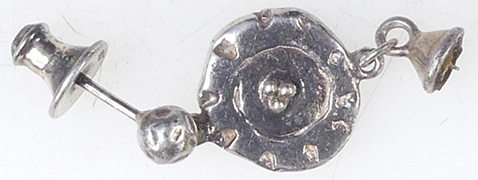
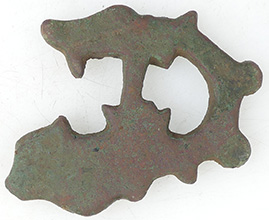
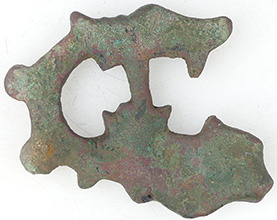
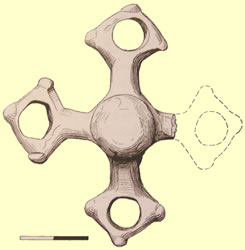
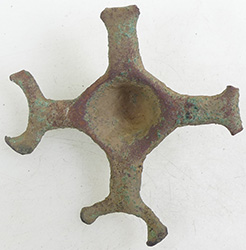
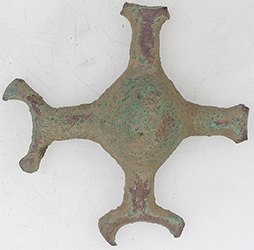
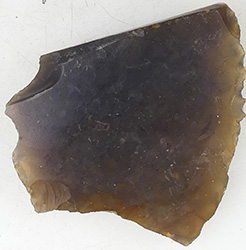

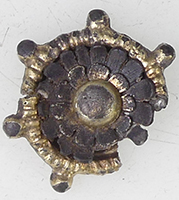
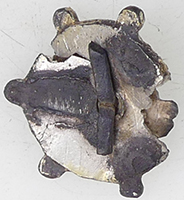
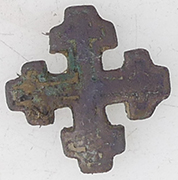
 'A badge for a Knight of the Order of the Holy Sepulchre in bronze and dating somewhere around C13/14th possibly very slightly later . This is a very scarce item and it relates to The Equestrian Order of the Holy Sepulchre of Jerusalem being a Catholic chivalric order of Knighthood that traces its roots to Godfrey of Bouillon, principal leader of the First Crusade. According to reliable sources in the Vatican and Jerusalem, it began in historical reality as a mixed clerical and lay confraternity (association) of pilgrims which gradually grew around the most central of the Christian holy places in the Middle East, the Holy Sepulchre or the tomb of Jesus Christ.This would have been a pin for a member of the order , there is a mark on the reverse where the original pin would have been fixed '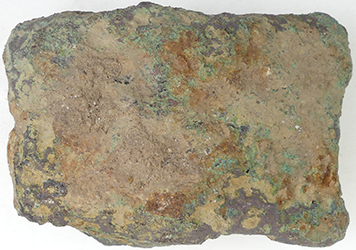




|
|