
Metal detecting holidays in England with the World's most successful metal detecting club.20 years plus.
Twinned with Midwest Historical Research Society USA.
2026 Sept finds page
|
600 AD Saxon silver sceat- sent for ID and recording 1.21g, 10.64mm EMC 2026.0274. This is Series E, variety G3, which is a continental coinage.
|
|||||||||||||||||
|
  |
||||||||||||||||
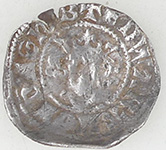
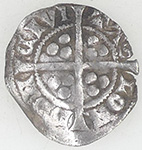
1242-7 Henry III hammered silver short cross penny - Class 8b3 Obv hENRICVS REX Rev NICHOLE ON LVN - Moneyer Nichole of London mint |
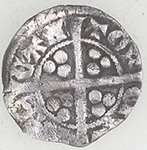
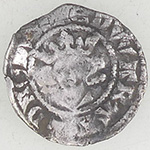
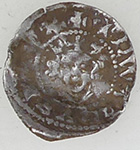
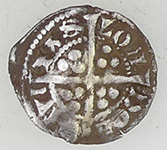
1279 Edward 1st hammered silvver penny Obv +EDWAR ANGL DNS hYB Rev CIVI/TAS/LON/DON - London mint |
||||||||||||||||
  |
  |
||||||||||||||||
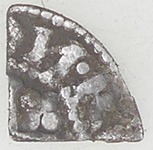
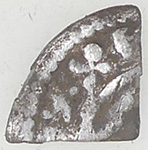
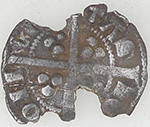
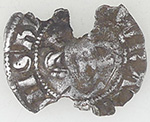
| 1216 Henry III hammered silver short cross farthing | 1279 Edward 1st hammered silvver penny Obv +EDWAR ANGL DNS hYB Rev CIVI/TAS/CAN/TOR - Canyerbury mint |
||||||||||||||||
  |
  |
||||||||||||||||
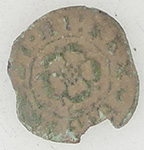
| 1634 Charles 1st hammered copper rose farthing | Guinea coin weight |
||||||||||||||||
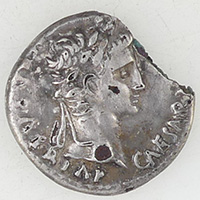
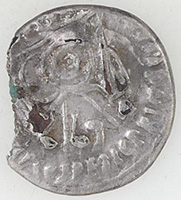
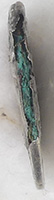
Brilliant example of a Roman silver contenporary forgery - sent to ID Silver over a copper core These are copies that have a precious metal surface layer over a base-metal core. The most common examples are silver plated denarii of the 1st to 3rd centuries AD. They can often be detected when the surface layer becomes cracked, or flakes away, revealing the copper-alloy core beneath. Sometimes corrosion of the underlying core will appear as bubbles or lumps on the surface and occasionally the surface will be completely removed leaving just the core. Plated imitations are normally lighter than the coins that they copy. 27 BC until his death in AD 14 - This fourree is of the "Gaius & Lucius" denarius reverse type - possibly the most commonly seen denarius of Augustus. |
|||||||||||||||||
Unrecorded 21st regiment button 'LASWAREE' |
|||||||||||||||||
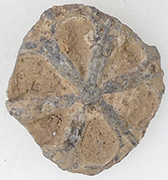
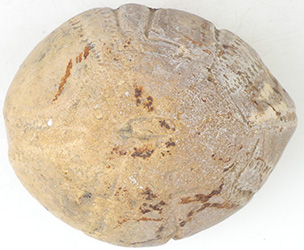
450 million year old fossils Sea Urchin EchinoidEchinoids (sea urchins and sand dollars) are echinoderms, related to sea stars and crinoids. All echinoderms have external skeletons made of numerous plates of the mineral calcite (a form of calcium carbonate), and a unique water vascular system that drives most of their motion. Echinoids have rounded or flattened shells, called tests, which bear numerous spines. Tiny tube feet, connected to the water vascular system, extend through holes in the test and allow the animals to move on or within the sea floor. All echinoids exhibit the characteristic five-fold symmetry of echinoderms. |
|||||||||||||||||
  |
 |
 |
|||||||||||||||
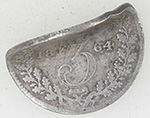
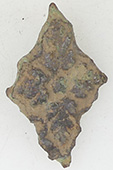
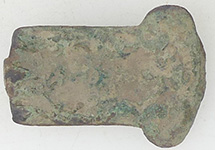
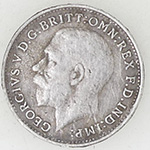
| 1864 Victoria milled silver three pence | 1500-1700 mount | 18thC clog fastener | |||||||||||||||
  |
  |
||||||||||||||||
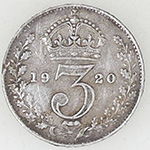
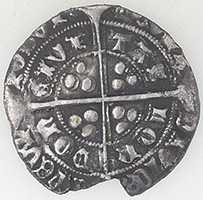
| 1920 George V milled silver three pence | 1279 Edward 1st hammered silvver penny Obv +EDWR ANGL DNS hYB Rev CIVI/TAS/LON/DON - London mint |
||||||||||||||||
  |
  |
||||||||||||||||
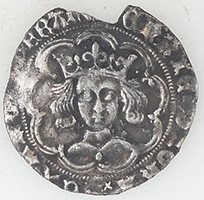
1422- 27 Henry VI hammered silver groat Obv hENRIC DI GRA REX ANGLIE Z FRANC Rev CIVI/TAS/LON/DON - London mint |
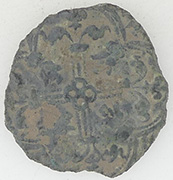
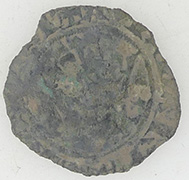
1340 AD French Jetton Crown introduced in 1340 by Philip VI (1328-50) Royal Crown with 3 rosettes across body of crown Rev Triple banded straight cross fleuretty AV |
||||||||||||||||
  |
 |
||||||||||||||||
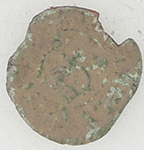
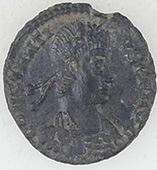
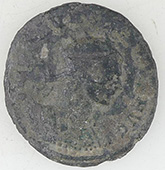
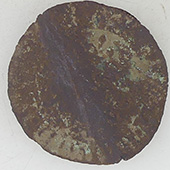
4thC Roman bronze coin - sent for ID This piece is a reduced centenionalis of Constantius II (337-362 CE) It was issued in approximately 348 CE, this was part of the last gasp of centenionalis coinage immediately before the introduction of the majorina-based coinage (the most common reverse of the early majorina coinage types are the FEL TEMP REPARATIOs, with a scene of a soldier spearing an unfortunate fallen horseman)
|
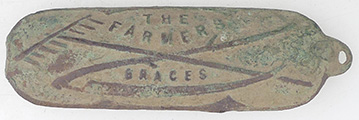
The Farmers Braces Novelty trouser suspenders featuring farming themes or heavy-duty workwear braces used in agriculture . |
||||||||||||||||
 |
  |
||||||||||||||||
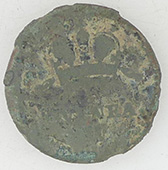
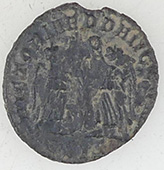
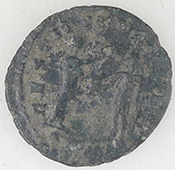
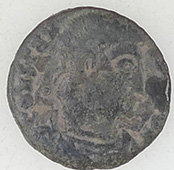
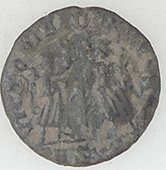
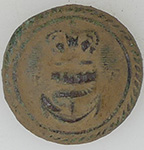
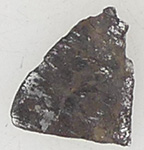
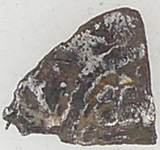
| 18thC Royal Navy silver button | The legends are rather tough to be certain about with this much crud adhering, but my best guess is a billon antoninianus of Aurelian (270-275 CE) with the RESTITVTOR ORBIS reverse (or similar - I'm sure about the RESTITVTOR - less so about ORBIS - and Aurelian had quite a number of somewhat similar reverses in which he's the restitutor of various things.) The reverse shows Victory standing right, holding wreath and palm and Aurelian, standing left, receiving the wreath from Victory and holding a long scepter. I can't be certain about the mint mark, but it might be Cyzicus (XXI [A] ) If this all is accurate, the date is ~ 274/5 CE Could be RIC V 369 Mark |
||||||||||||||||
  |
  |
||||||||||||||||
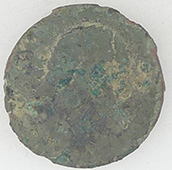
4thC Roman bronze coin - sent for ID Appears to be a billon reduced centenionalis of Constans Augustus (337-350 CE). Mark |
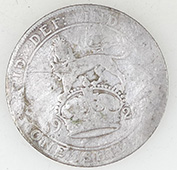
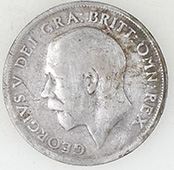
1920 George V milled silver shilling | ||||||||||||||||
  |
  |
||||||||||||||||
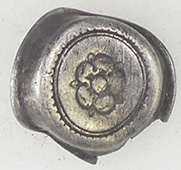
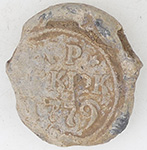
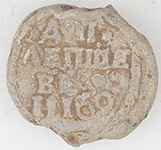
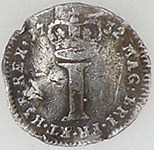
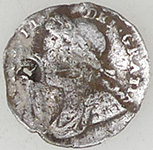
| 1779 Russian lead bale seal | 1732 George II milled silver penny 12.03mm,0.44g |
||||||||||||||||
1859 Victoria milled gold half sovereign 4g, 19.12mm |
|||||||||||||||||
18thC George III milled gold half guinea 4g,21.5mm |
|||||||||||||||||
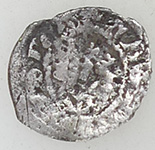 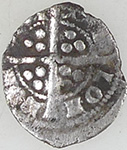 |
Medieval farthing comparison for size
|
||||||||||||||||
1300-1310 Edward 1st hammered silver farthing- type 28 Rev CIVI/TAS/LON/DON - London mnt 0.315g, 11.72mm |
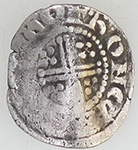
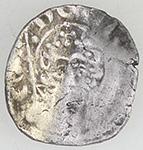
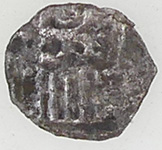
Smalloest hammered silver coin I have ever seen. Lettering reminds me of a Saxon silver penny - sent off for EMC's views 0.21g.8.56mm |
||||||||||||||||
  |
  |
||||||||||||||||
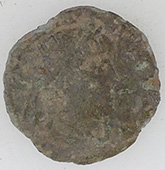
1216 Henry III hammered silver short cross pennyClass 7b Obv hENRICVS REX Rev FR ON C *** Moneyer Ioan of Canterbury mint |
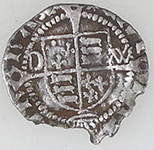
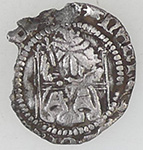
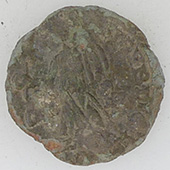
1526–1529 Henry VIII, Penny, first coinage, Durham (Bp. Wolsey), sovereign type, m.m. spur rowel, rev. CIVITAS DVRRAM, D W beside shield (Whitton p.211 (iv); N.1778; S.2333), | ||||||||||||||||
  |
|
||||||||||||||||
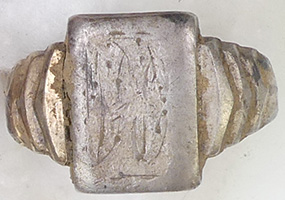
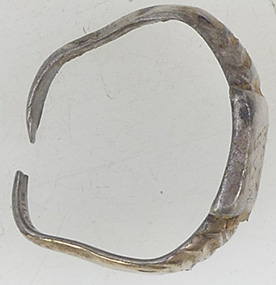
| 4thC Roman bronze sent for ID | Victorian gilded silver signet ring | ||||||||||||||||
 |
 |
|
|||||||||||||||
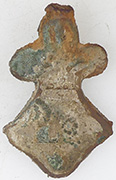
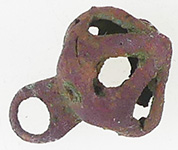
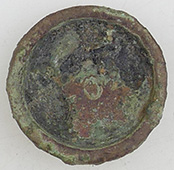
| 1500-1700 mount | 17thC lead mount | c10thC Saxon zoomorphic strap end | |||||||||||||||
 |
 |
 |
|||||||||||||||
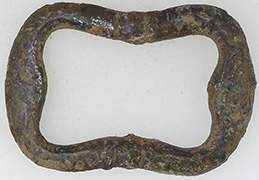
| 1600-1700 buckle | 16thC Tudor fretwork button | Victorian 1oz trade weight | |||||||||||||||
  |
  |
||||||||||||||||
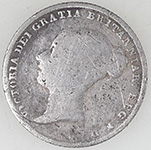
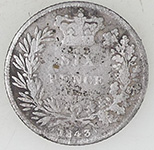
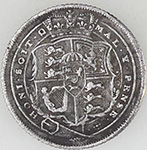
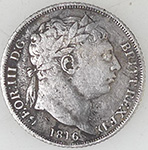
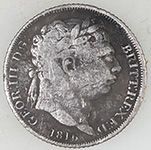
| 1843 Victoria milled silver sixpence | 1816 George III milled silver sixpence | ||||||||||||||||
 |
 |
 |
 |
||||||||||||||
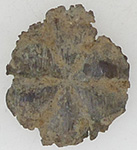
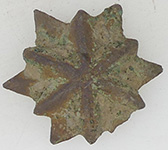
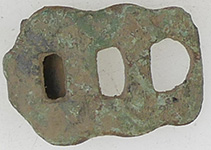
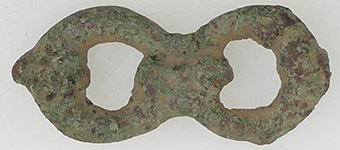
| Medieval sexfoil mount | Medieval mount | 18thC clog fastener | Georgian brooch | ||||||||||||||
  |
 |
||||||||||||||||
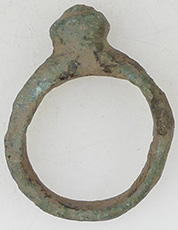
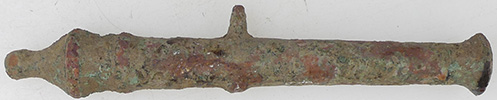
| Roman bronze ring | 18thC toy cannon | ||||||||||||||||
 |
 |
  |
|||||||||||||||
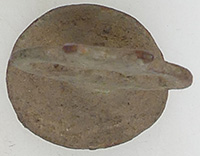
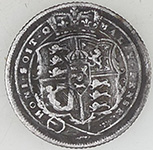
One piece Navy buttons HONI SOIT QUI MAN Y PENSE PACKET Honi soit qui mal y pense (Old French: shame upon him who thinks evil of it) RN - Packet Service c.1800-1811 |
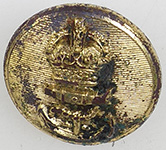
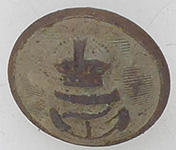
RN Capt / Commander - 1901 Kings crown |
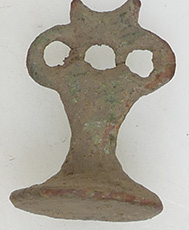
17thC seal matrix | |||||||||||||||
  |
  |
||||||||||||||||
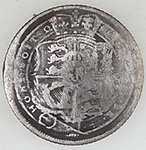
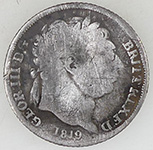
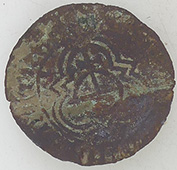
| 1819 George III milled silver sixpence | 1586 Hans Krauwinckel German Rose Orb jetton | ||||||||||||||||
  |
  |
||||||||||||||||
1310 -14 Edward 1st hammered silver farthing - type 30k - Reverse error AX- New issue inner circles both sides Obv +EDWARDVS REX AX Rev CIVI/TAS/LON/DON - London mnt |
1819 George III milled silver sixpence | ||||||||||||||||
 |
|||||||||||||||||
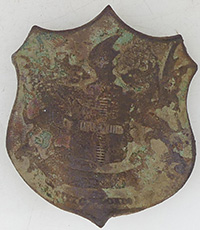
| Victorian Corporation shield | |||||||||||||||||
700 AD Saxon silver sceat- sent for ID and recording 1.17g, 11.47mm Thanks for the images of this find, which I have recorded as EMC 2026.0285. This is Series F, Metcalf variety b(ii). Series F is a coinage of south-east England dated between c. 700 and 710/15. Martin |
|||||||||||||||||
C7thC Saxon gold and garnet pendant - 0.7g, 12.9mm L - reported as treasure
The 7th Century object was found by a metal detector near Diss in south Norfolk. |
|||||||||||||||||
  |
|||||||||||||||||
Mid 2nd C BC Gallo- Belgic A type 175 BC Celtic gold qtr stater 1.6g, 12.87mm |
|||||||||||||||||
  |
|||||||||||||||||
70 BC Morini boat tree Celtic gold qtr stater - reported to museum 1.55g, 9.25mm |
|||||||||||||||||
  |
  |
||||||||||||||||
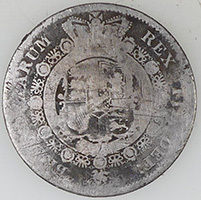
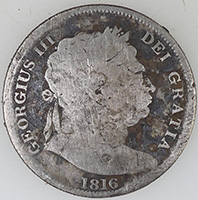
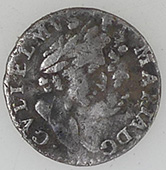
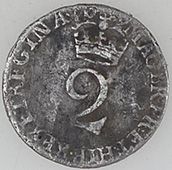
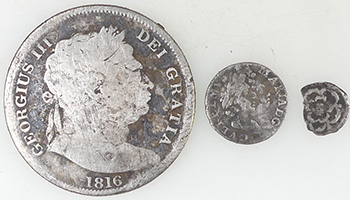
| 1816 George III milled silver half crown- 30 pence | 1689 William and Mary milled silver two pence | ||||||||||||||||
  |
 |
||||||||||||||||
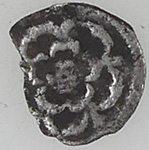
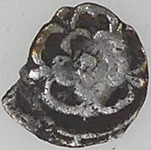
| 1625 Charles 1st hammered silver half penny - rose both sides no legend type | Size comparion from large to tiny | ||||||||||||||||
  |
 |
 |
|||||||||||||||
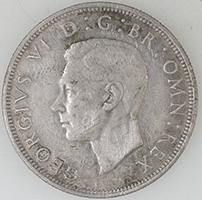
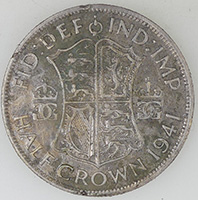
| 1941 George VI milled silver half crown - 30 pence | 1900 Genric merchant navy button |
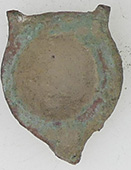
Victoria crown 1843- 1890 |
|||||||||||||||
  |
  |
||||||||||||||||
| 17thC William III milled silver sixpence - love token | 16thC Tudor clothing fastener with religious inscription IHS | ||||||||||||||||
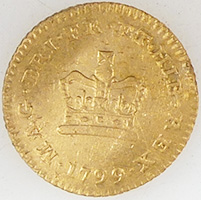
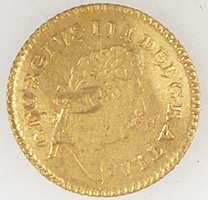
1799 George III milled gold third guinea 2.81g, 17.06mm |
|||||||||||||||||
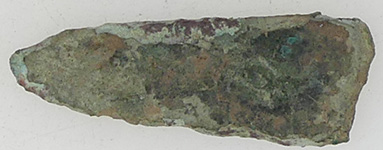
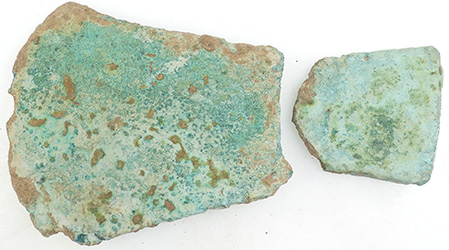
2000 BC Bronze Age flat axe Large fragment 71mm W x 79mm L Samll fragment 41.3mm W x 42.5 mm L Total 317g, |
|||||||||||||||||
  |
 |
 |
|||||||||||||||
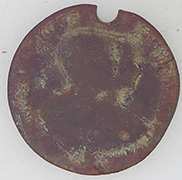
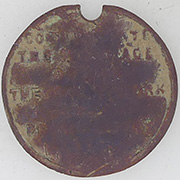
| Copper medallion | RN Capt / Commander - 1901 Kings crown |
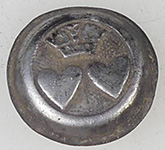
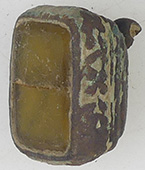
17thC Charles II silver button reported as treasure | |||||||||||||||
  |
  |
||||||||||||||||
| 1640 Civil wa lead gunpowder measure and cap | Georgian fob seal | ||||||||||||||||
  |
  |
||||||||||||||||
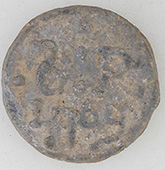
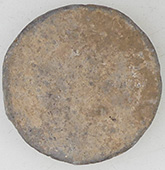
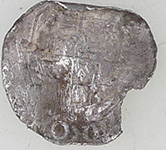
| 1765 dated lead trade token | 1625 Charles 1st hammered silver penny | ||||||||||||||||
  |
 |
 |
|||||||||||||||
15thC Venetian hammered silver soldino Obv: MICHAEL STEN' DVX (Michele Steno, Doge). Doge standing left, holding standard.
|
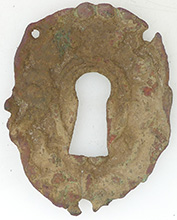
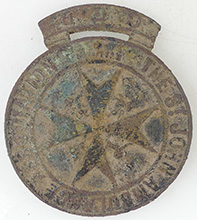
Georgian key hole surround | St John ambulance brigade badge | |||||||||||||||
  |
  |
||||||||||||||||
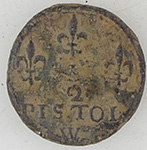
Louis XIV (1634-1715) - British made coin weigh for the Louis d'or gold coin ., known as a pistol or pistole 2 pistol coin weight Three Lis not in a shield type |
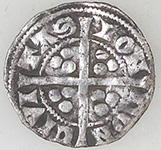
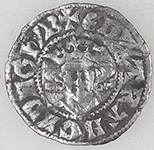
1279 Edward 1st hammered silver penny Obv +EDWAR ANGL DNS hYB Rev CIVI/TAS/LON/DON |
||||||||||||||||
  |
  |
||||||||||||||||
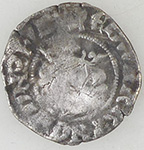
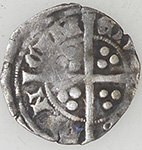
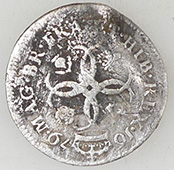
1279 Edward 1st hammered silver penny Obv +EDWAR R ANGL DNS hYB Unknown reverese - possible continental imitation |
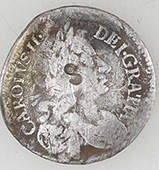
1679 Charles II milled silver four pence | ||||||||||||||||
 |
 |
  |
|||||||||||||||
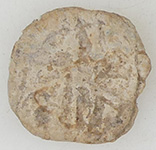
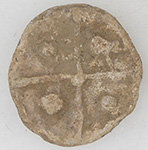
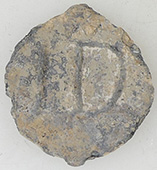
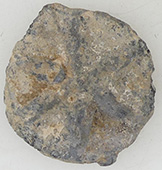
| 15thC lead token | 15thC lead token | 17thC lead token | |||||||||||||||
 |
 |
 |
|||||||||||||||
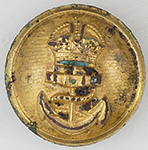
RN Capt / Commander - 1901 Kings crown |
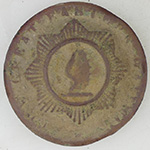
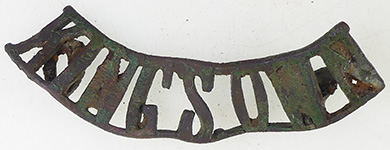
Great Easter4n railways button | WWI Kings Own regiment lapel badge | |||||||||||||||
Tiny Romano/British decorated votive flat axe 7.415g, 24mm L x 20.1mm W x 5mm T |
|||||||||||||||||
  |
  |
||||||||||||||||
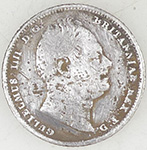
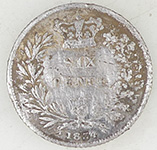
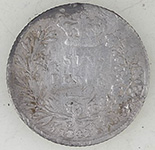
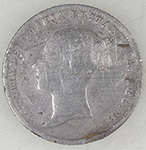
| 1834 William IV milled silver sixpence | 1841 Victoria milled silver sixpence | ||||||||||||||||
 |
 |
  |
|||||||||||||||
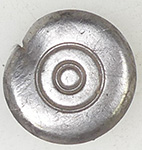
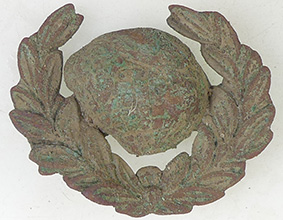
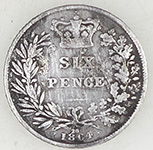
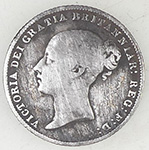
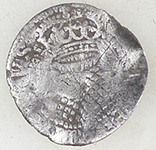
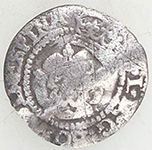
| Georgian silver button | Royal Marines collar badge | 1864 Victoria milled silver sixpence | |||||||||||||||
  |
  |
||||||||||||||||
| 1603 James 1st hammered silver penny | German States Prussia 1778-A 1/48 Thaler Friedrich II KM# 327 Silver Coin | ||||||||||||||||
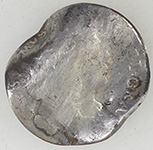 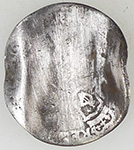 |
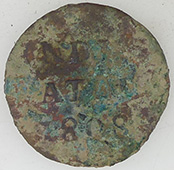 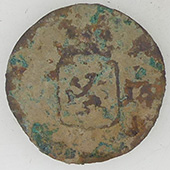 |
||||||||||||||||
| 17thC William III milled silver sixpence - love token | 1808 Louis Napoleon, King of Holland - Netherlands East Indies 1/16th of a Guilder | ||||||||||||||||
  |
 |
 |
|||||||||||||||
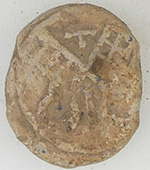
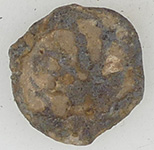
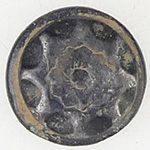
| Post lead bale seal | 17thC lead token | Georgian button | |||||||||||||||
  |
  |
||||||||||||||||
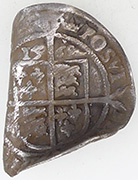
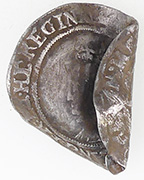
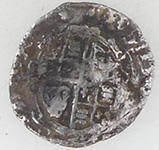
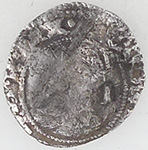
| 1569 Elizabeth 1st hammered silver sixpence | 1625 Charles 1st hammered silver penny | ||||||||||||||||
  |
  |
||||||||||||||||
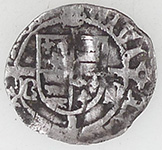
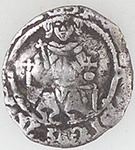
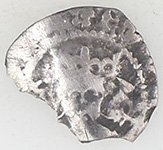
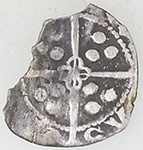
1485 Henry VIII hammered silver sovereign penny Arch Sherwood - Durham RD by shiled |
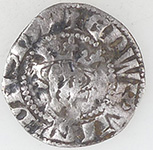
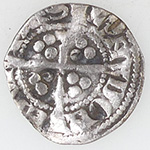
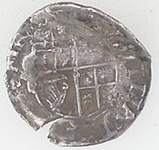
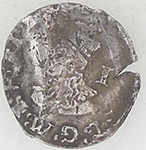
1279 Edward 1st hammered silver penny Obv +EDWAR ANGL DNS hYB Rev CIVI/TAS/LON/DON - London mint |
||||||||||||||||
  |
  |
||||||||||||||||
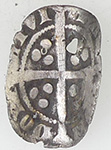
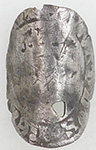
1461 Edward IV hammered silver penny York mint - Quadrefoil and pellet at centre of reverse cross |
1625 Charles 1st hammered silver penny | ||||||||||||||||
  |
  |
||||||||||||||||
1279 Edward 1st hammered silver penny Obv + EDWARDVS REX *** Rev CIVI/TAS/LON/DON - London mint
|
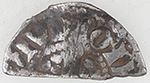
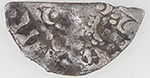
1247 Henry III hammered silver shortcross halfpenny | ||||||||||||||||
  |
 |
 |
|||||||||||||||
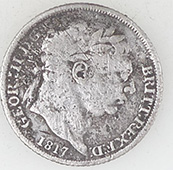
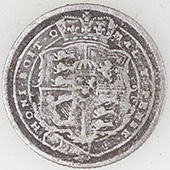
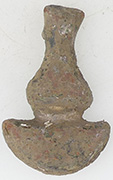
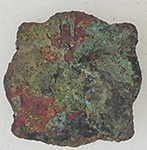
| 1817 George III milled silver shilling | 1500-1700 mount | 1500-1700 mount | |||||||||||||||
 |
 |
  |
|||||||||||||||
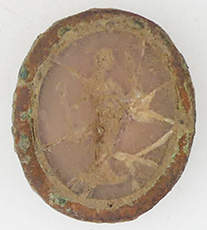
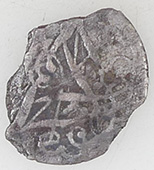
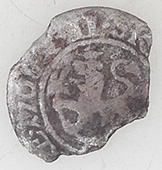
| 1500-1700 mount | Georgian fob seal - man standing facing right | 1703 King Frederik IV Norwegian post medieval silver hammered 2 Skilling | |||||||||||||||
  |
  |
||||||||||||||||
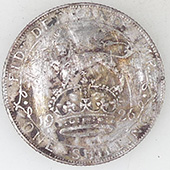
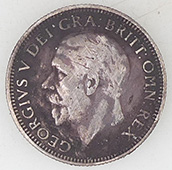
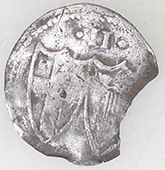
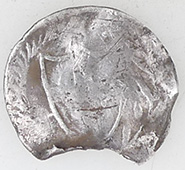
| 1926 George V milled silver sixpence | 1649 Commonwealth hammered silver half groat | ||||||||||||||||
  |
  |
||||||||||||||||
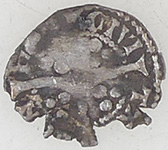
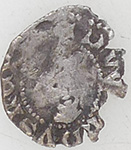
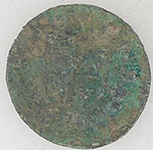
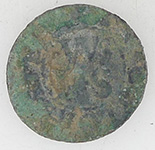
1279 Edward 1st hammered silver farthing Obv EDWARDVS REX *** Obv CIVI/TAS/ |
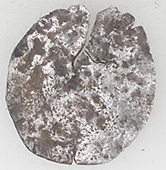
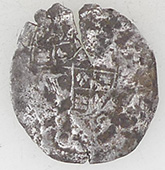
1625 Charles 1st hammered silver half groat | ||||||||||||||||
  |
 |
||||||||||||||||
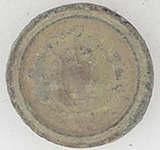
17thC Jonas Whale baker of Colchester hammered copper trade farthing Rev IWS Norweb 1234a
|
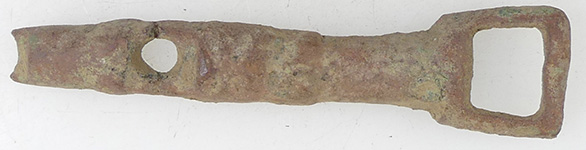
Medieval cross hatched decorated strap fitting | ||||||||||||||||
 |
 |
  |
|||||||||||||||
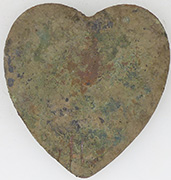
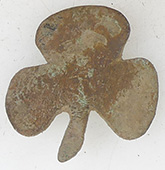
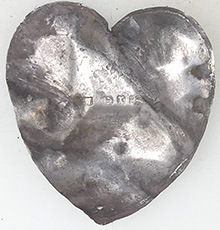
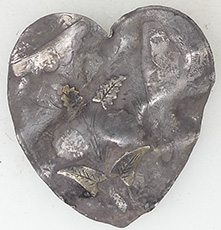
| Georgian trade weight | Post medieval shamrock mount | 1891 silver heart - Birmingham mint | |||||||||||||||
 |
|
||||||||||||||||
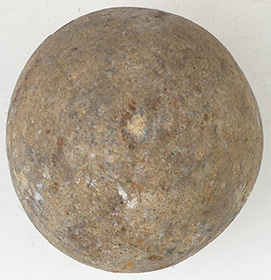
| 16thC stone cannon ball | Gilded silver decorated band | ||||||||||||||||
 |
  |
||||||||||||||||
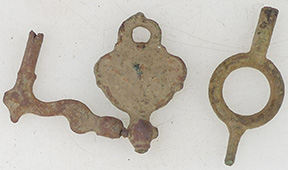
| Georgian watch winders | 1500-17700 hooked mount | ||||||||||||||||
 |
  |
||||||||||||||||
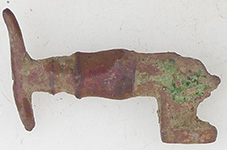
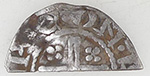
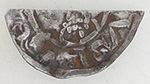
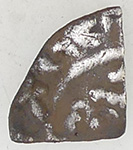
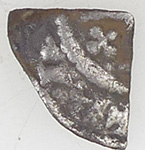
| 15thC casket key | 1216 Henry III hammered silver short cross half penny | ||||||||||||||||
  |
  |
||||||||||||||||
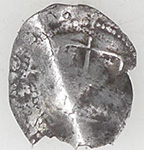
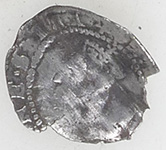
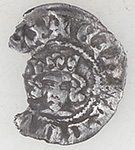
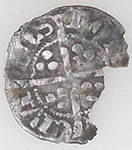
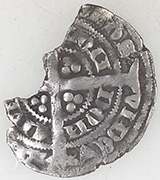
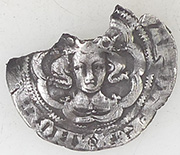
| 1576-8 Elizabeth 1st hammered silver penny - Greek cross mint mark | 1216 Henry III hammered silver short cross farthing | ||||||||||||||||
  |
  |
||||||||||||||||
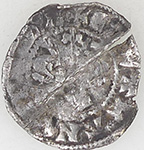
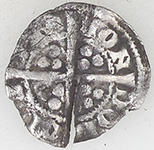
1279 Edward 1st hammered silver half penny Obv + EDWARDVS ** Rev CIVI/TAS/LON ** London mint |
1327-1377 Edward III hammered silver groat Obv EDWARVS D G REX ANGL** Annulate stops Rev CIVI/TAS/LON/DON - London mint |
||||||||||||||||
|
  |
||||||||||||||||
Victorian gold cufflink marked 9 carat gold 0.69g, 21.66mm |
1279 Edward 1st hammered silver penny Obv + EDWAR ANGL DNS hYB Rev CIVI/TAS/LON/DON - London mint |
||||||||||||||||
  |
  |
||||||||||||||||
| 19thC Victoria milled silver three pence | 1820 George III milled silver shilling | ||||||||||||||||
  |
  |
||||||||||||||||
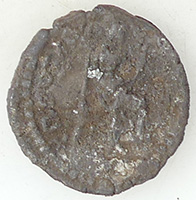
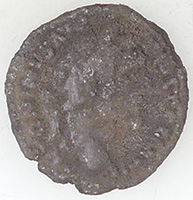
| Medieval hammered silver farthing | 2ndC Roman silver coin - sent for ID | ||||||||||||||||
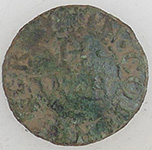
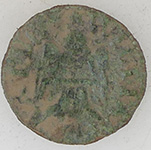
Two piece set made up from the grooved base and the small grinding tool 1stC BC to 1stC AD Celtic Woad cosmetic grinder - boat shaped The grinder was used to pulverise vegetable material such as woad in the preparation of dyes. These are also known as perfume or cosmetic grinders. During the Celtic period in Britain a biennial herb called Isatis Tinctoria; was cultivated for the blue dye that could be obtained from it when crushed. This plant is also known as woad. The dye would then be applied to the skin |
|||||||||||||||||
|
|||||||||||||||||
  |
|||||||||||||||||
17thC William Hartley of Colchester hyammered copper trade farthing Ref Norweb 1182 |
|||||||||||||||||
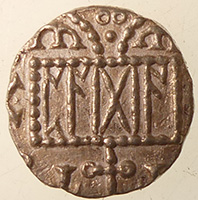
1.22g, 11.51mm - sent for recording and ID Early Anglo-Saxon period (c.600-c.775), Thrymsa coinage (c.600-c.675), Post-Crondall types (c.655-c.675). |
|||||||||||||||||
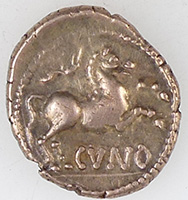
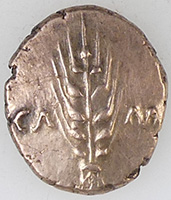
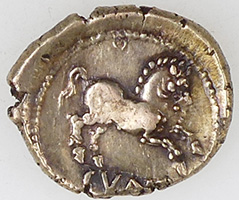
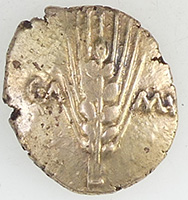
Mega rare 10-14 AD Cunobelin Celtic gold stater Classic A Ark Stem type 5.39g, 18.33mm |
|||||||||||||||||
Rare 10-14 AD Cunobelin Celtic gold stater Class 7d Classic A Crescent. (ABC 2801; BMC-; VA-) #569 in the Divided Kingdoms Ref book 5.41g, 18.27mm |
|||||||||||||||||
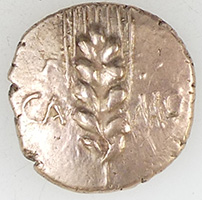
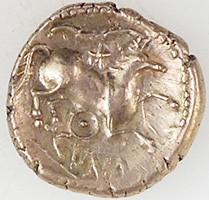
10-140 AD Cunobelin Celtic gold stater 5.33g, 17.68mm |
|||||||||||||||||


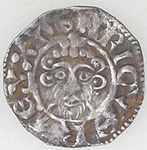
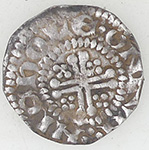


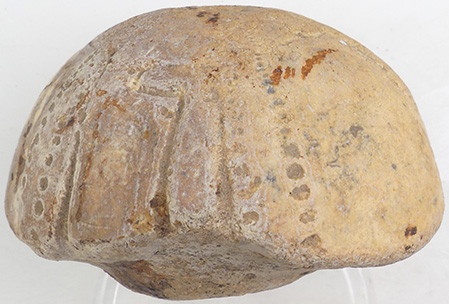
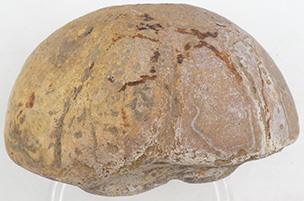


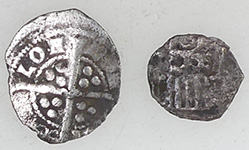
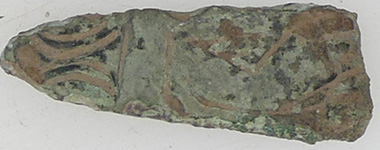



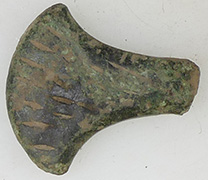
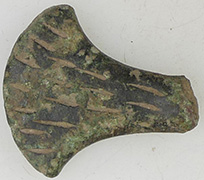
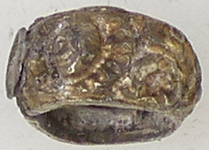
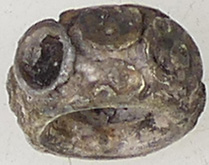
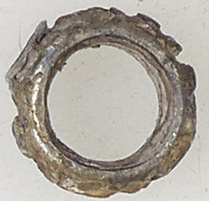
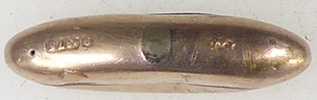
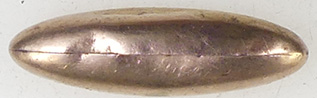
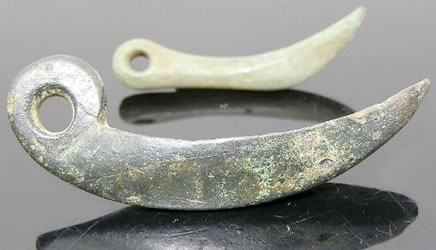
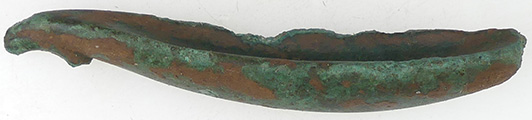
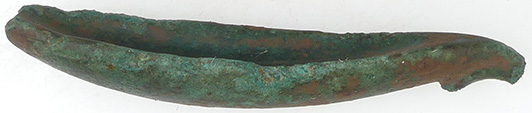


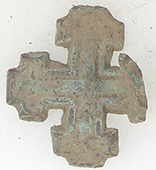
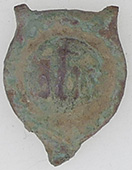
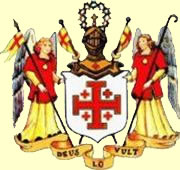 'A badge for a Knight of the Order of the Holy Sepulchre in bronze and dating somewhere around C13/14th possibly very slightly later . This is a very scarce item and it relates to The Equestrian Order of the Holy Sepulchre of Jerusalem being a Catholic chivalric order of Knighthood that traces its roots to Godfrey of Bouillon, principal leader of the First Crusade. According to reliable sources in the Vatican and Jerusalem, it began in historical reality as a mixed clerical and lay confraternity (association) of pilgrims which gradually grew around the most central of the Christian holy places in the Middle East, the Holy Sepulchre or the tomb of Jesus Christ.This would have been a pin for a member of the order , there is a mark on the reverse where the original pin would have been fixed '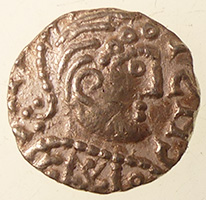

|