
Metal detecting holidays in England with the World's most successful metal detecting club.20 years plus.
Twinned with Midwest Historical Research Society USA.
2026 Oct finds page
|
|
|||||
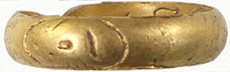
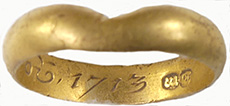
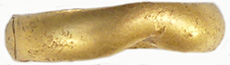
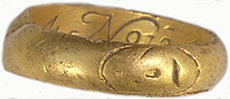
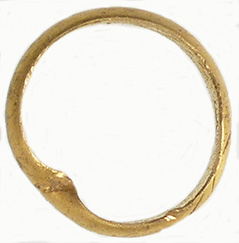
1713 gold mourning ring -maker WE - reported as treasure to museum 'JR 24 Nov 1713' 3.89gt, 19.65mm |
|||||
 |
 |
  |
|||
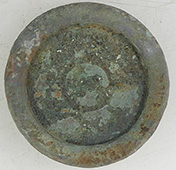
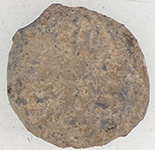
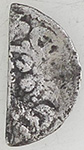
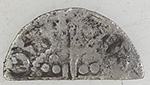
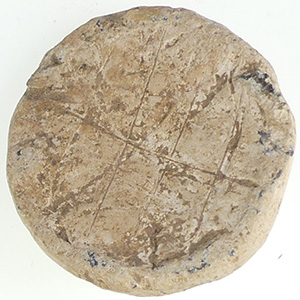
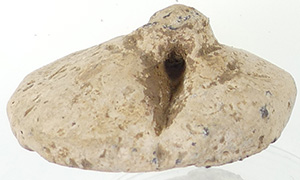
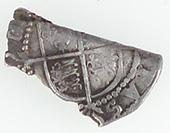
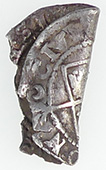
| Georgian trade weight | 15thC lead token | 1247 Henry III hammered silver voided long cross half penny | |||
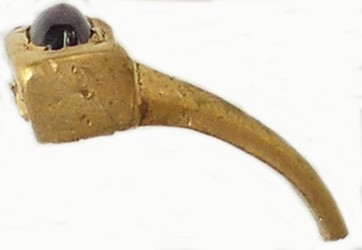
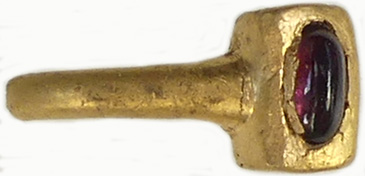
c13thC Medieval gold ring with garnet - reported as treasure to museum 2.24g, 7.57mm T x 16.88mm L |
|||||
 |
 |
 |
|||
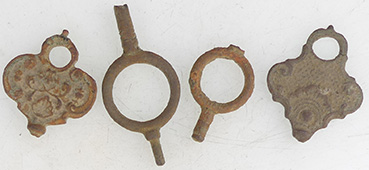
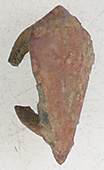
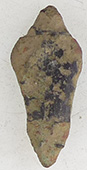
| Georgian watch winders | 1500-1700 mount | 1500-1700 mount | |||
  |
  |
||||
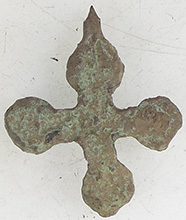
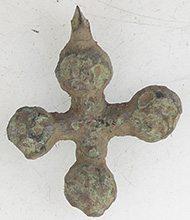
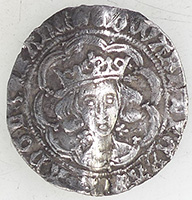
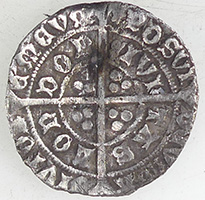
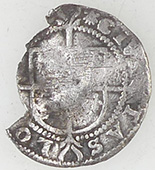
| Medieval hanress pendant | 1464-70 Edward IV hammered silver groat - Type Vb Quatrefoils by neck Obv EDWARD D G REX ANGL Z FRANC Rev POSVI DEVM ADIVTORE MEVM (outer) Rev CIVI/TAS/LON/DON - London mint Satires by neck |
||||
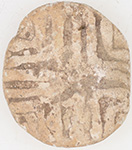
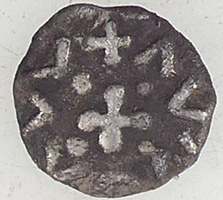
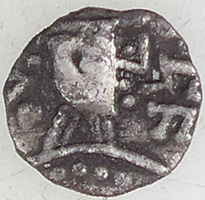
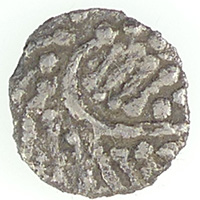
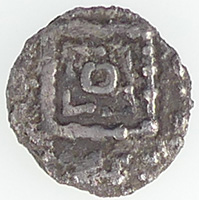
600 AD Saxon silver sceat - sent for ID 1.1g, 12.07mm |
|||||
Medieval barrel spout |
|||||
  |
  |
||||
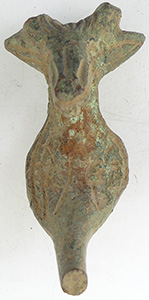
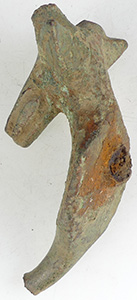
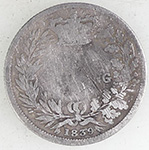
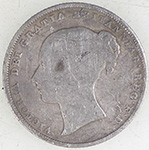
| Huge Post medieval stag head hooked mount | 1839 Victoria milled silver sixpence | ||||
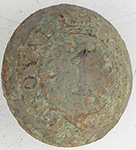 |
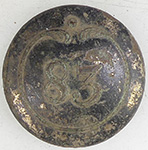 |
||||
Description: Crown over 1 with LOYAL SUFFOLK YEOMANRY on buckled strap Category: Yeomanry Cavalry; Type of button: Flat 20.5mm; Metal: Copper Alloy, silver plated ; Backmark: None ; Date: 1803-1815 |
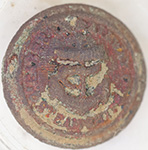
French Infantry Button 83rd Line Regiment Circa 1803-1814 |
||||
 |
 |
 |
 |
||
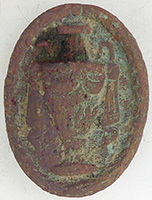
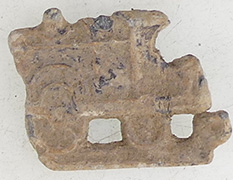
| 1500-1700 mount | 19thC livery button | Georgian mount | Lead toy train | ||
  |
 |
||||
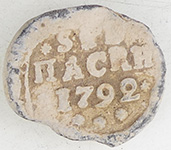
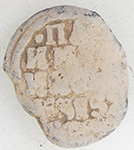
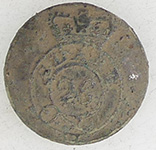
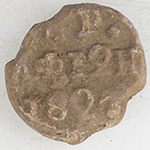
| 1792 Russian lead bale seal | Unknown style of the 26th Regiment of Foot button The 26th Regiment of Foot (later known as the Cameronians ) was a Scottish infantry regiment of the British Army active from 1689 until 1881 , when it amalgamated with the 90th Regiment of Foot to form the Cameronians (Scottish Rifles). |
||||
  |
|||||
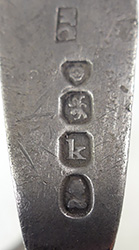
| 1825 London mint -duty paid bust date letter K - maker WC | |||||
 |
 |
 |
 |
||
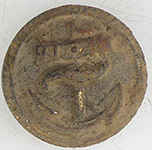
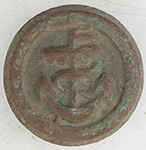
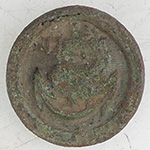
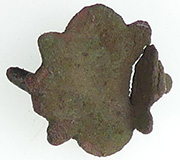
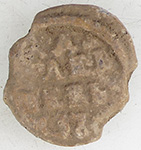
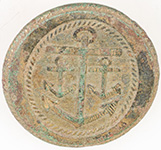
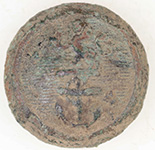
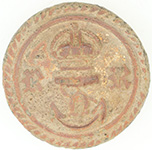
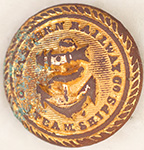
| 1900's Generic merchant navy button | 1900's Generic merchant navy button | 1900's Generic merchant navy button | 1500-1700 mount | ||
  |
  |
||||
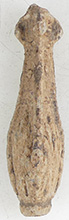
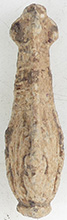
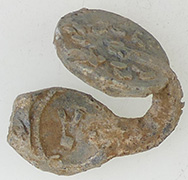
| 1827 Russian lead bale seal | Very interesting lead pendant ?? | ||||
600 AD Saxon silver sceat - sent for ID 0.99g, 12.04mm |
|||||
  |
 |
 |
|||
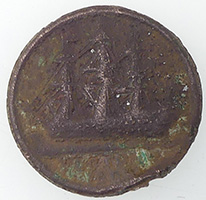
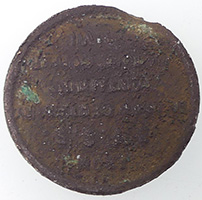
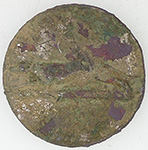
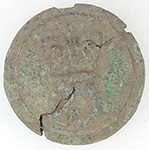
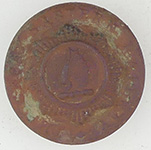
Interesting copper coin with three masted sailing ship design 1897 HMS Foudroyant Nelson’s Flag Ship Medallion Struck From The Ships Copper.
|
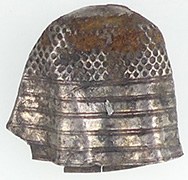
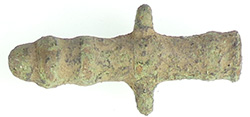
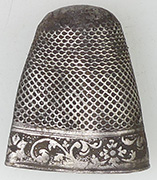
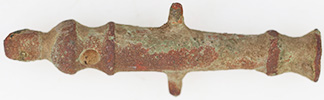
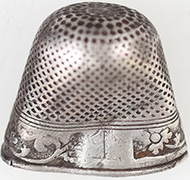
Victoria silver thimble | 18thC toy cannon | |||
   |
|||||
| Medieval lead hanging weight | |||||
Georgian nut cracker |
|||||
  |
  |
||||
| 16thC Elizabeth 1st hammered silver half groat | Georgian bell type trade weight | ||||
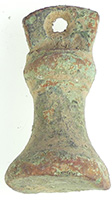
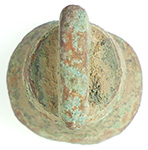
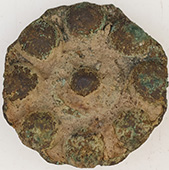
Largest 16thC bronze seal matrix I have ever seen - complete and unbroken This was a serious standing desk seal Impression is a Tudor rose centre with 6 large petals Measures 29.4 mm dia x 35mm H-weighs 45g |
|||||
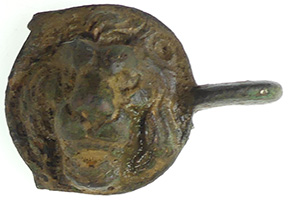
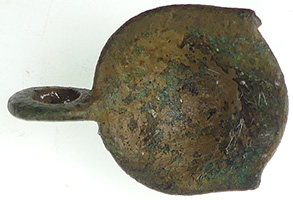
Roman bronze vessel mount |
|||||
  |
  |
||||
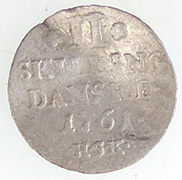
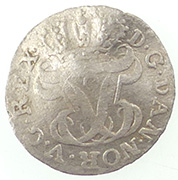
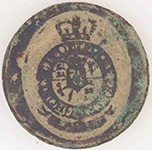
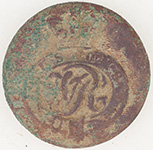
1761 two silver skillings Denmark Frederick IV 1699-1730 ObverseCrowned mirrored monogram of King Frederik V surrounded by inscription, beaded ring on the rim. Script: Latin Lettering: Unabridged legend: Fridericus V Dei Gratia Daniae Norvegiae Vandalorum Gothorum Rex Translation: Frederik V, by the grace of God, King of Denmark, Norway, the Wends and the Goths.
|
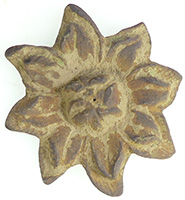
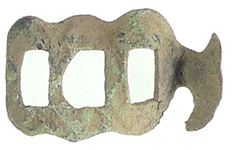
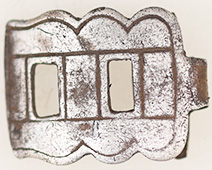
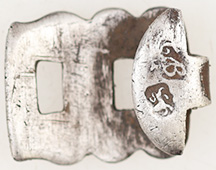
Victorian belt clasp | ||||
 |
 |
 |
|||
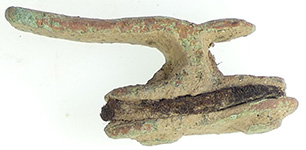
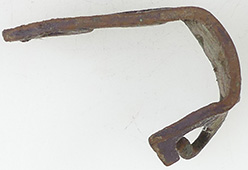
| Georgian mount | 18thC clog fastener | 18thC bayonet frog | |||
  |
 |
 |
|||
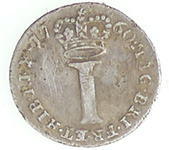
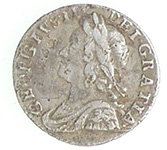
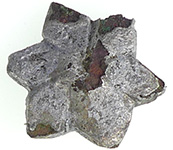
| 1760 George II milled silver maundy penny | Medieval mount | 19thC livery button | |||
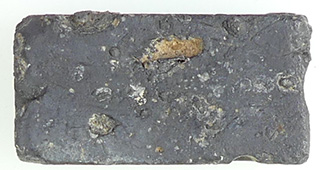
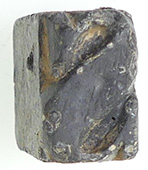
19thC printing press block |
|||||
  |
 |
 |
|||
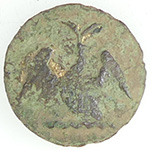
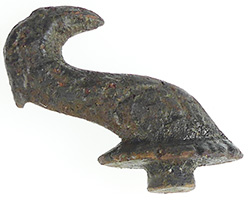
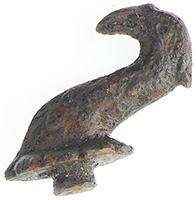
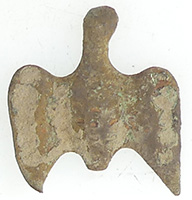
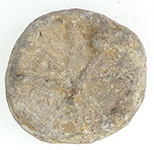
| Post medieval mount | Copper eagle mount | 15thC lead token | |||
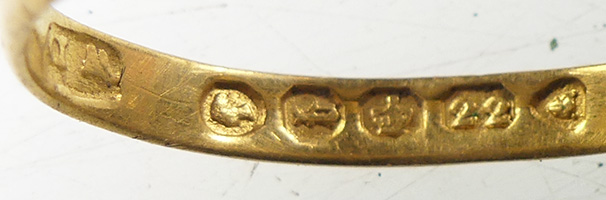
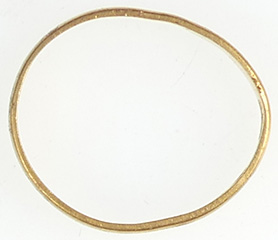
Beauty 1843 Victorian 22 carat gold ring - London assay office, bust paid bust Maker WD |
|||||
  |
 |
||||
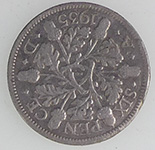
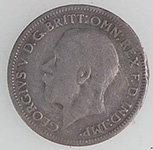
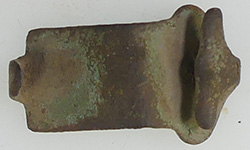
| 1935 George V milled silver sixpence | 18thC clog fastener | ||||
  |
  |
||||
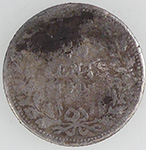
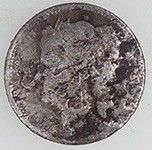
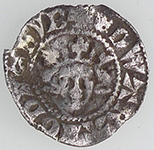
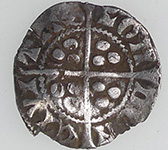
| 1901 Canada - Victoria 10 cents coin | 1279 Edward 1st hammered silver penny Obv +EDWAR ANGL DNS hYB Rev CIVI/TAS/LOND/DON - London mint |
||||
  |
  |
||||
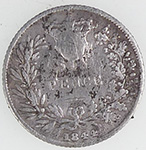
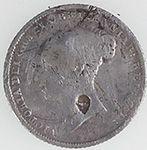
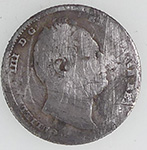
| 1844 Victoria milled silver sixpence | 1834 William IV milled silver four pence | ||||
  |
  |
||||
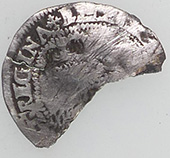
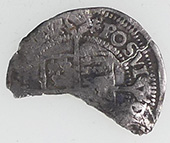
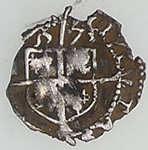
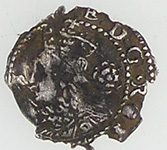
| 1560-1 Elizabeth 1st hammered silver halg groat - Cross crosslet mintmark | 1575 Elizabeth 1st hammered silver penny | ||||
 |
 |
 |
 |
||
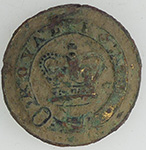
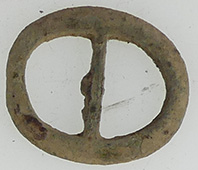
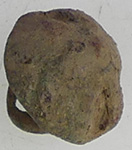
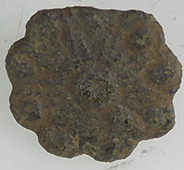
| Royal regiment button ? | 1500-1700 buckle | 16thC Tudor button | 16thC mount | ||
 |
 |
 |
|||
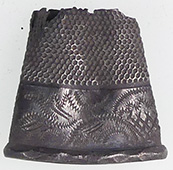
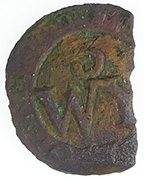
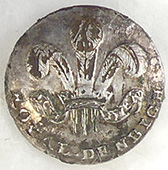
| Victorian silver thimble | 3rd West Yeomanry mount | The Royal Denbigh Rifles (historically the Denbighshire Militia ) was an auxiliary infantry regiment from Denbighshire, Wales , with origins tracing back to 1662 Origins & Role: Formed as a home-defense militia unit in Denbighshire, it later transitioned into a rifle-armed regiment and served in various domestic and international campaigns, including a contingent in France during the Napoleonic Wars |
|||
 |
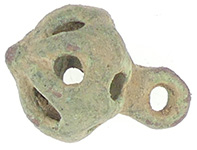 |
|
|||
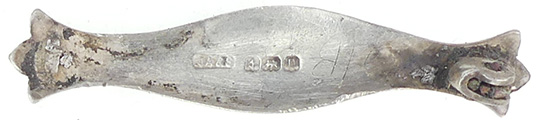
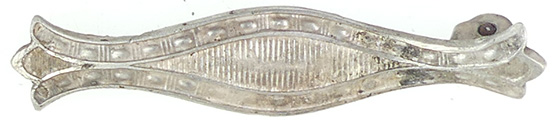
| 18thC Royal Navy button | 16thC Tudor fretwork button | 1912 Birmingham silver brooch - maker JA&S
|
|||
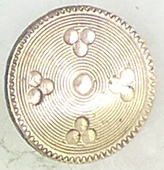
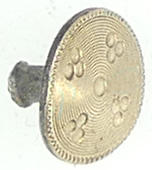
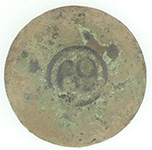
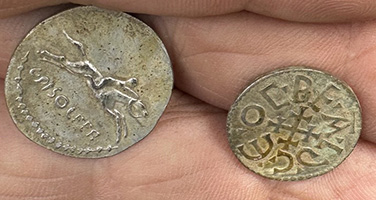
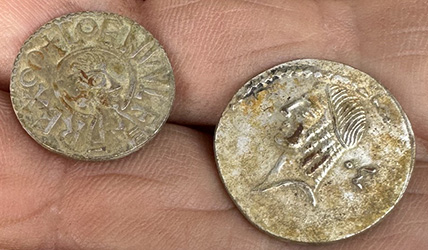
Not funny, some one put these modern fakes out on our fields - If we ctach them they are banned from the club |
|||||
  |
  |
||||
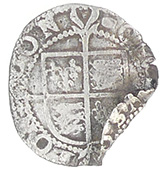
| Victorian gold stud | Elizabeth 1st hammered silver half groat - Tun mint mark | ||||
  |
  |
||||
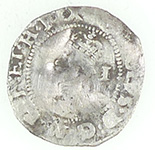
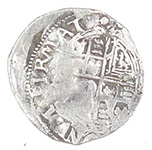
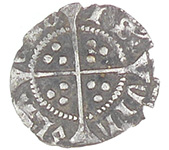
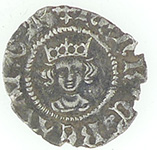
| 1625 Charles 1st hammered silver penny | 1430- 1431 Henry VI hammered silver half penny Rosette- Mascle issue Obv + hEnRIC* REX◊ AnG Rev VIL/LA CAL/IS - Calais mint |
||||
  |
  |
||||
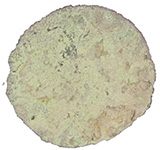
| 1558 Elizabeth 1st hammered silver groat | 17th C Richard Cox of Colchester hammered copper trade farthing | ||||
 |
  |
||||
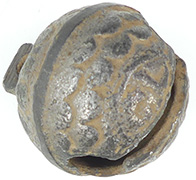
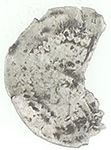
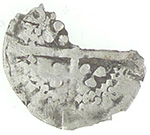
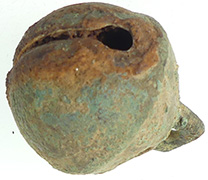
| 18thC Fish scale crotal bell | Medieval hammered silver long cross penny | ||||
  |
 |
||||
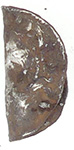
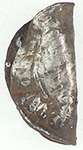
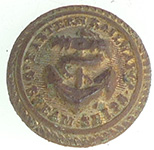
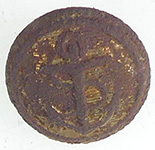
| Taco'd Medieval hammered silver long cross penny | THE 69th REGIMENT OF FOOT Officer - 1770-1782 |
||||
 |
 |
 |
|||
| 18thC crotal bell | Victorian Gt Eastern Railway and steam ship | RN Capt / Commander - 1787 | |||
  |
  |
||||
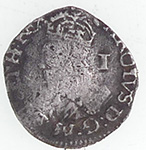
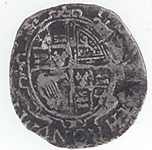
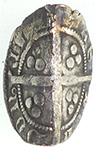
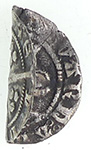
| 1625 Charles 1st hammered silver penny | 1279 Edward 1st hammered silver penny Rev CIVI/TAS/LON/DON |
||||
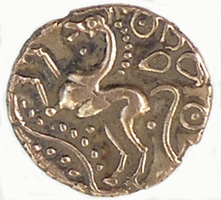
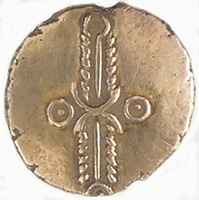
25BC Celtic gold qtr stater 1.3g, 12.38mm |
|||||
  |
  |
||||
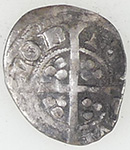
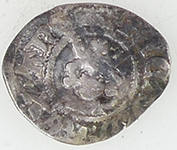
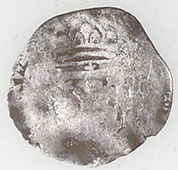
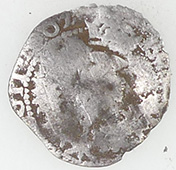
1377-1399 Richard II hammered silver half penny Obv + RICARD REX x ANGL Obv CIVI/TAS/LON/DON - London mint |
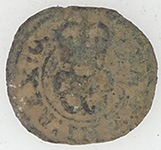
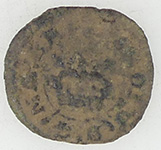
1602 James VI of Scotland hammered silver Eighth Thistle Merk ( 20 pence) Obv IACOBUS 6 D.G.R.SCOTORUM - James VI by the grace of god king of the Scots Rev REGEM IOVA PROTEGIT 1602 - Jehovah protects the King 1602 |
||||
  |
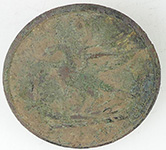 |
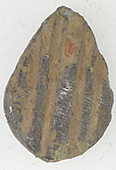 |
|||
| 1634 Charles 1st hammered copper rose farthing | 19thC livery button | Medieval mount | |||
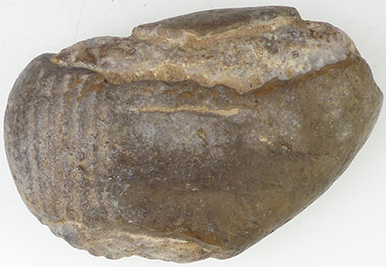 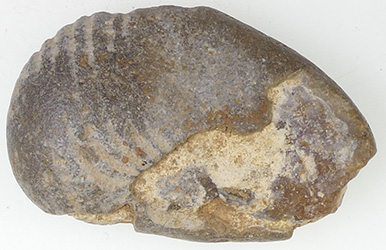 |
|||||
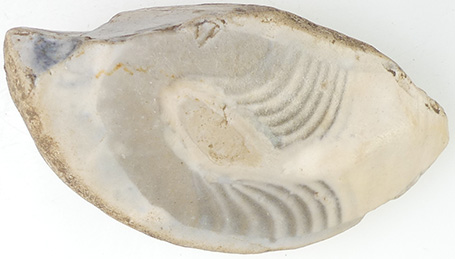
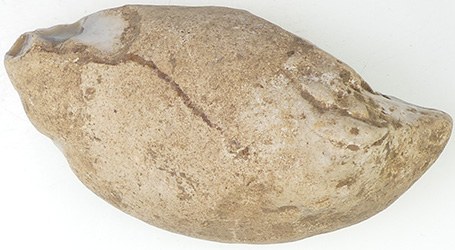
530 million year old fossilCephalopodsCephalopods, such as squid, octopods, nautiloids, ammonoids (see below), and belemnites, are mollusks with tentacles and beak-shaped mouths for catching prey. Some cephalopods such as belemnites and living cuttlefish have internal shells, while others have straight or coiled shells, such as those of ammonoids or nautiloids. Still other cephalopods, such as the octopus, have no shell. The mass extinction at the end of the Cretaceous (famous for eliminating the non-avian dinosaurs) also eliminated belemnites and ammonoids, which had been extremely diverse during the Mesozoic. |
|||||
  |
|||||
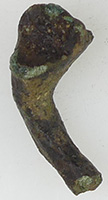
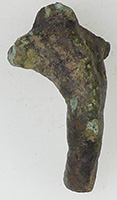
| Interesting fossil ? | |||||
 |
 |
  |
|||
| 19thC livery button | Victoria silver thimble | 2ndC Roman fibular brooch | |||
  |
 |
||||
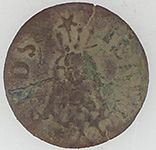
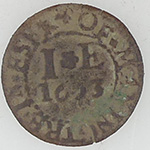
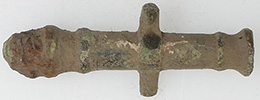
| 1653 Jeremy Erds of Manningtree Essex hammered copper trade farthing | 18thC toy cannon | ||||
 |
 |
 |
 |
||
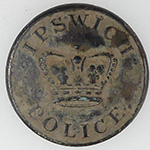
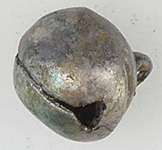
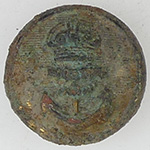
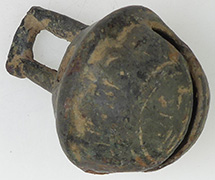
| Victorian Ipswich police button | Medieval jester bell | RN Capt / Commander - 1901 Kings crown |
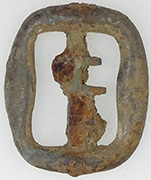
Georgian buckle | ||
  |
 |
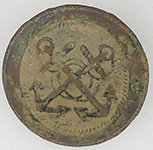 |
|||
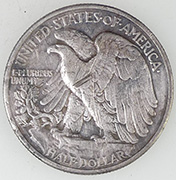
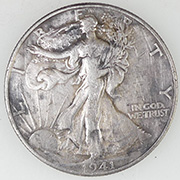
| 1941 USA milled silver half dollar | 18thC crotal bell | RN Purser - 1807 In use 1807 - 1825 In Gilt |
|||
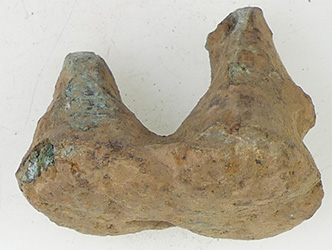 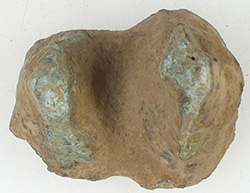 |
|||||
| Roman bronze terret fitting | |||||
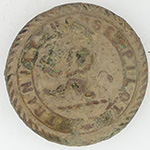 |
 |
 |
|||
| Trinity House UK Lighthouse Authoruty Pilot's Tunic Button In use 1900 - 1930s "Trinity House Pilot" |
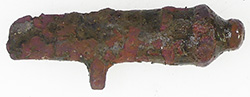
1500-1700 mount | 18thC toy cannon | |||
 |
 |
 |
|||
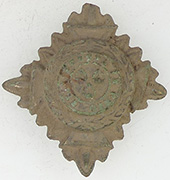
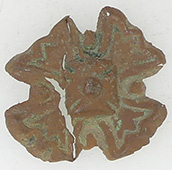
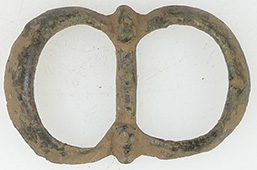
| WWI - Army officers rank pip | 1500-1700 mount | 1500-1650 buckle | |||
  |
  |
||||
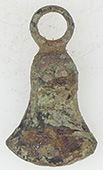
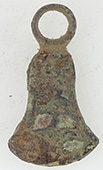
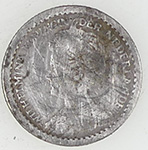
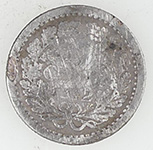
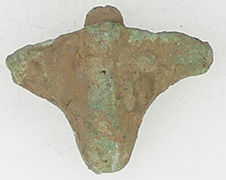
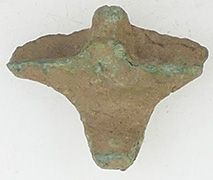
| Post medieval pendant | 1932 Queen Wilhelmina Dutch 25 cents silver coin | ||||
  |
  |
||||
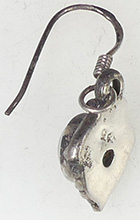
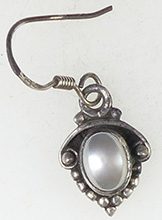
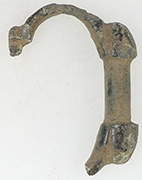
| 2ndC Roman fibular brooch | Victorian silver ear ring | ||||
  |
  |
||||
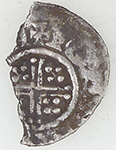
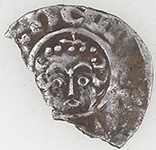
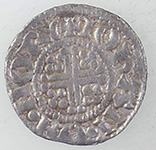
1216 Henry III hammered silver short cross penny Moneyer Iohan |
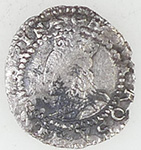
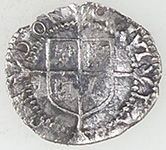
1587-9 Elizabeth 1st hammered silver penny - Crescent mint mark | ||||
  |
  |
||||
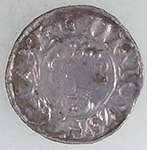
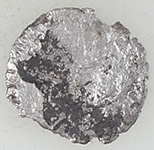
1204 John hammered silver short cross penny Obv hENRICVS REX Rev + IOHAN.ON.NORV - Moneyer Iohan at Norwich mint |
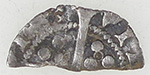
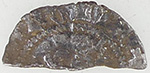
Medieval hammered silver long cross half penny | ||||
  |
  |
||||
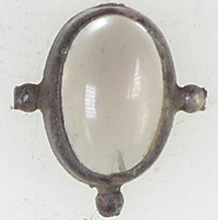
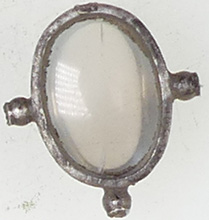
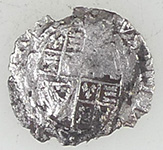
| Silver bezel with stone | 1625 Charles 1st hammered silver penny | ||||
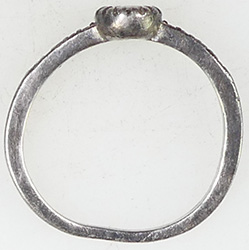
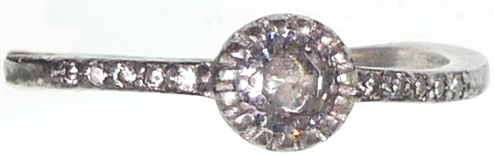
1.39g, 20.27mm Beauty silver ring with diamonds - looks initially like medieval style but has a number inside the band. I had to use a high power microscope to read them T & CO - 8431925 Appears to be a vintage Tiffany silver ring but the number does not produce anything on google. Serial or Design Numbers: Tiffany pieces rarely use 7-digit numeric codes like 8431925 as a product SKU or design style reference. Serial Numbers / Numbers: Longer numeric strings or internal stock numbers on older or specific pieces can sometimes be inventory, workshop, or sizing marks rather than a public catalog item number. I will need to check the number again under my scope |
|||||
  |
 |
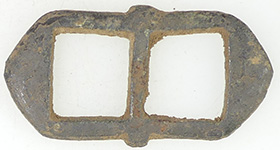 |
|||
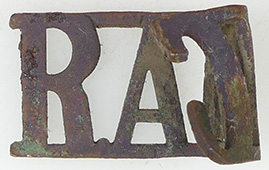
| WWII Royal Army medieval corp lapel badge | Roman buckle | 1500-1700 mount | |||
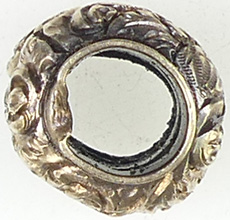 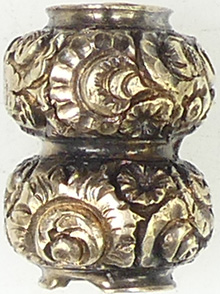 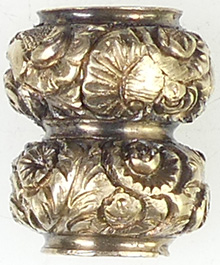 |
|||||
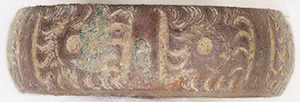
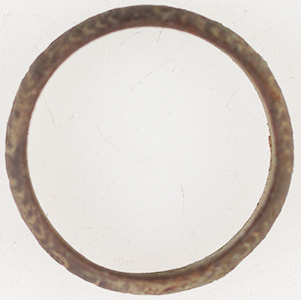
Victorian heavy decorated gold band 5.1g, 14.4mm L x 10.9 mm dia |
|||||
Roman strap end ? |
|||||
  |
 |
 |
|||
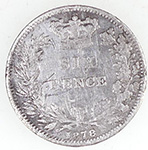
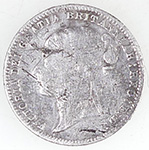
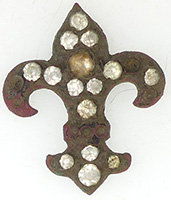
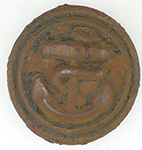
| 1878 Victoria milled silver sixpence | Post medieval mount | 1900's Generic merchant navy button | |||
  |
 |
 |
|||
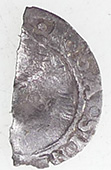
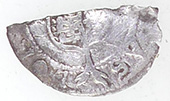
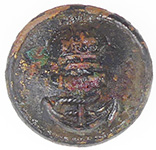
| 16thC Elizabeth 1st hammered silver half groat | RN Capt / Commander - 1901 Kings crown |
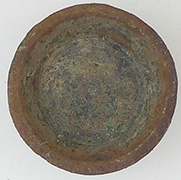
Unmarked cup trade weight | |||
  |
|||||
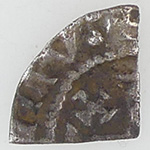
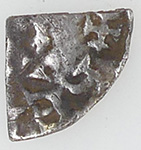
| 1158 -1189 AD Henry II hammered silver farthing ' Tealby' cross and crosslet type | |||||
  |
  |
||||
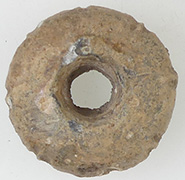
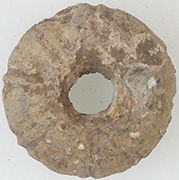
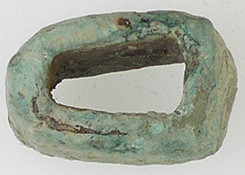
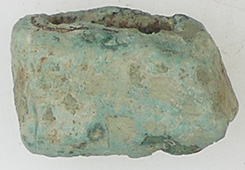
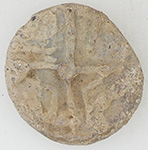
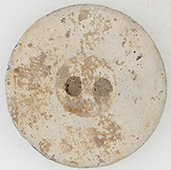
| Medieval decorated lead spindle whorl | Roman knife quillion | ||||
 |
 |
  |
|||
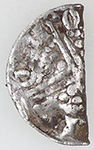
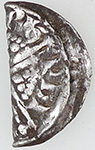
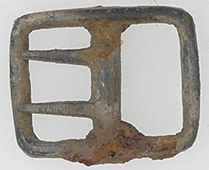
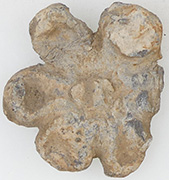
| 15thC lead token | Post medieval lead hem weight | 1247 Henry III hammered silver voided longcross penny | |||
  |
 |
 |
|||
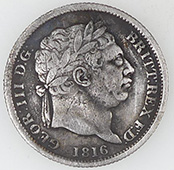
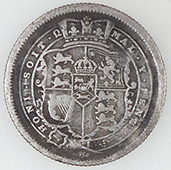
| 1816 George III milled silver shilling | 19thC buckle | 17thC lead mount | |||
 |
 |
  |
|||
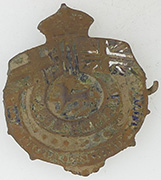
| 18thC crotal bell | Junior Imperial Constitutional League For Empire Enamel Badge A circular lapel badge consisting of yellow metal. The central detail shows a lion statant surrounded by a blue enamel border that reads "FOR EMPIRE", with a second larger blue enamel border that reads "JUNIOR IMPERIAL & CONSTITUTIONAL LEAGUE". Above the central detail is the flag of the St George's cross, coloured with white and red enamel, and the Union Jack, coloured with red, white and blue enamel. The flags are surmounted by a King's crown coloured with red enamel. ON the reverse is a buttonhole fastening. The 'Junior Imperial and Constitutional League' was formed in 1906 with objectives to encourage practical political work and organisation among the young Conservatives in Britain.
|
18thC large decorated crotal bell with stag horns makers mark | |||
 |
 |
 |
|||
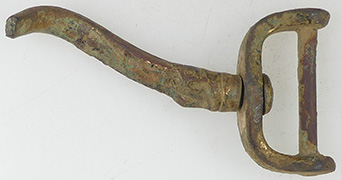
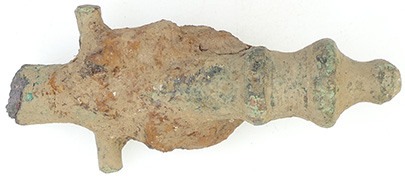
| Complete post medieval lead alnage cloth seal | THE 31ST REGIMENT OF FOOT. c 1855 / After 1881 :- 1st Battalion The East Surrey Regiment | Unknown gilded harness widget | |||
  |
 |
||||
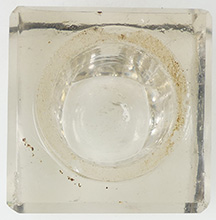
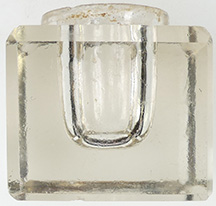
| Victorian glass ink well | Biggerest 18th C toy cannon I have seen - over 70 mm L | ||||
  |
 |
 |
|||
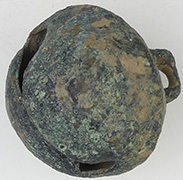
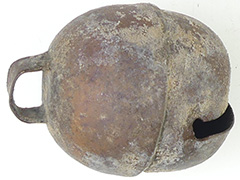
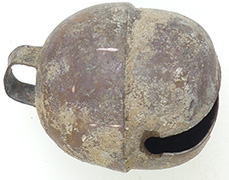
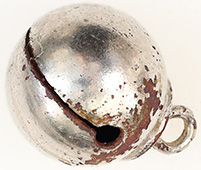
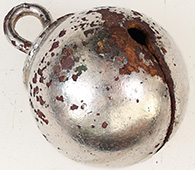
Sheet-metal crotal bell Alongside the early cast crotals, copper and copper-alloy bells of sheet metal were produced. The body of these is made in two halves, formed by hammering the sheet into shaped moulds, and joined together, after inserting the iron ‘pea’, with a lead/tin solder. On the very earliest of this type, the loop was made of circular-section wire, which was inserted through a small hole in the top of the bell and its ends splayed in the manner of a modern split-pin. Slightly later, a narrow strip of sheeting was used instead of wire, and was either fitted in the same way, or formed into a ring and soldered to the top of the bell as on the example illustrated. Bells of this type have been recovered from secure contexts that span the date range circa mid-13th to mid-15th century. They are also found in a wide range of sizes, at least from 13mm to 34mm diameter, suggesting a variety of different uses. (Cf. MoL, Dress Accessories, 1644-1667; B Read, History Beneath Our Feet. p.55, No.2; Mitchiner, Medieval & Secular Badges, 350.) |
RN Capt / Commander - 1901 Kings crown |
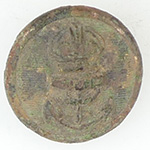
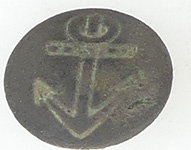
Capt / Commander - 1774-1787 RN Master & Mate - 1787-1807 RN Surgeon - 1787-1805 RN Purser - 1787-1807 RN Warrant Officer - 1787-1860 RN Midshipman - 1787-1812 RN Volunteer Gr.I - 1787-1812 RN Instructors - 1727-1842 RN Engineer 1st Cl. - 1837-1841 Var. 01 . . . 1774 - 1860 In use 1774 - 1860 |
|||
  |
  |
||||
| 1580- 1 Elizabeth 1st hammered silver penny - Latin cross | 2ndC Roman bronze coin- sent for ID | ||||
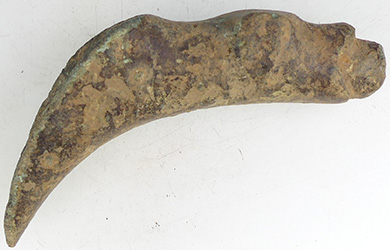
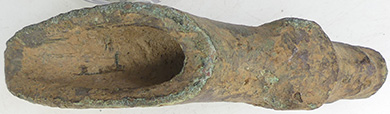
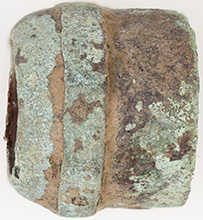
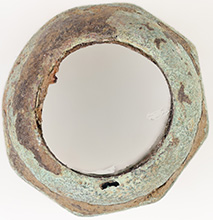
c 800 BC Bronze Age socketed axe |
|||||
  |
 |
 |
|||
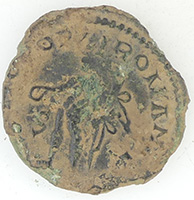
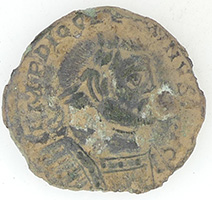
| 2ndC Roman bronze coin - sent for ID | 15thC lead token | 18thC Navy silver cuff link | |||
 |
  |
||||
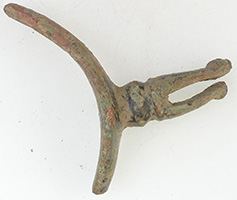
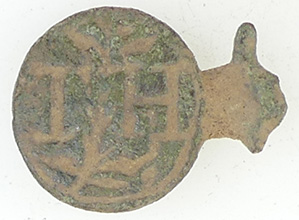
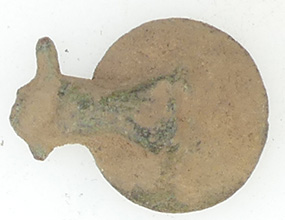
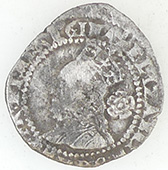
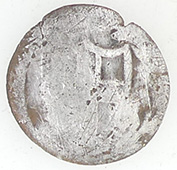
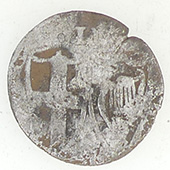
| Georgian spur | Medieval traders seal matrix - HT | ||||
  |
  |
||||
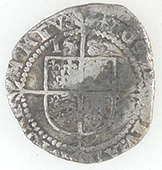
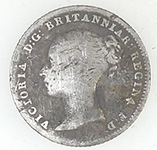
| 1582 Elizabeth 1st hammered silver three pence | 1649 Commonwealth hammered silver two pence | ||||
  |
  |
||||
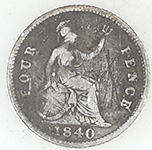
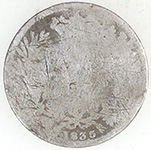
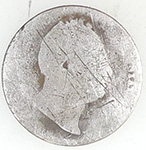
| 1840 Victoria milled silver four pence | 1835 William IV milled silver sixpence | ||||
  |
 |
||||
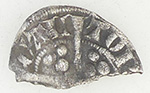
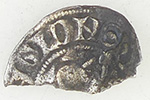
1279 Edward 1st hammered silver half penny Rev CAN/TOR - Canterbury mint |
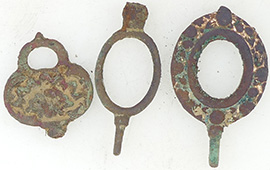
Georgain watch winders | ||||
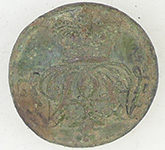
Crusty BC Roman silver coin |
|||||
 |
 |
  |
|||
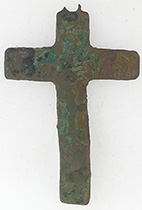
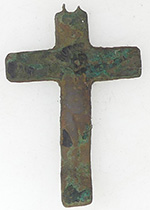
| Military button | 1500-1700 mount | Medieval crucifix | |||
  |
  |
||||
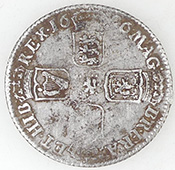
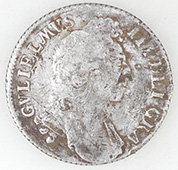
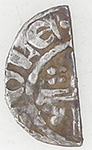
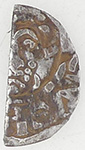
| 1696 William III milled silver shilling | 1216 Henry III hammered silver shortcross half penny | ||||
  |
  |
||||
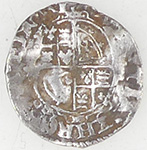
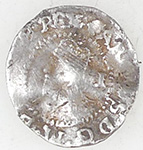
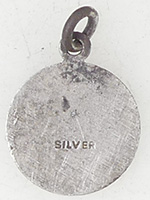
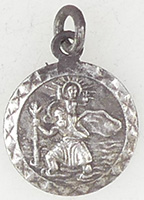
| 1625 Charles 1st hammered silver penny | Victorian St Christopger pendant - 'Silver' | ||||
 |
 |
||||
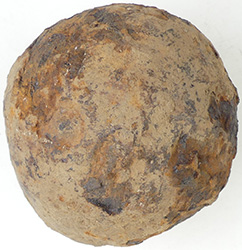
| 1640's Civil War cannon ball 203g 7.15oz , 38mm |
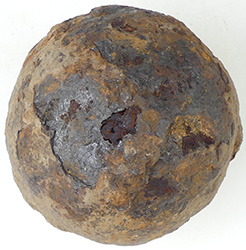
1640's Civil War cannon ball 189g, 6.6oz,37mm |
||||
 |
 |
 |
 |
||
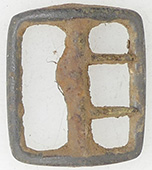
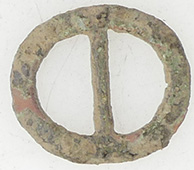
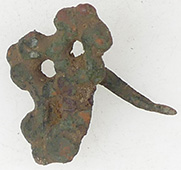
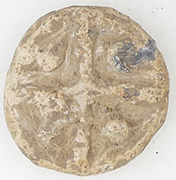
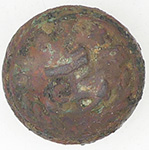
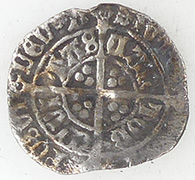
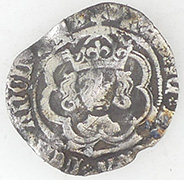
| 19thC buckle | 1500-1700 buckle | Medieval mount | 15thC lead token | ||
 |
 |
  |
|||
| Medieval lead trade weight | RN Capt / Commander - 1787 RN Lieutenant - 1787 |
1485-1509 Henry VII hammered silver half groat Two arches jewelled - no lis to 7 tressures Obv + hENRIC DI GRA REX ANGLIE ZF Rev CIVI/TAS/CAN/TOR -Canterbury mint |
|||
 |
 |
 |
 |
||
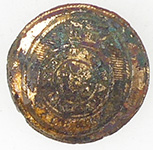
One piece Navy buttons HONI SOIT QUI MAN Y PENSE PACKET Honi soit qui mal y pense (Old French: shame upon him who thinks evil of it) RN - Packet Service c.1800-1811 |
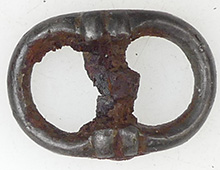
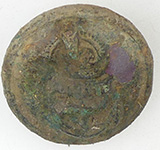
Georgian buckle | RN Capt / Commander - 1901 Kings crown |
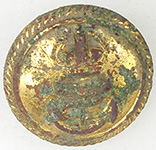
RN Capt / Commander - 1901 Kings crown |
||
 |
 |
||||
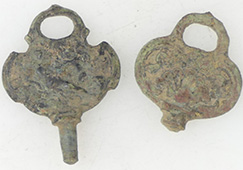
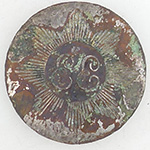
| Georgian watch winders | The East Essex Militia were formed in 1759 and became the Essex Rifles Militia in 1853 during this period they had five styles of known button of which this is the fourth, so date wise you can go 1760-1853 or probably for this style c1810 | ||||
  |
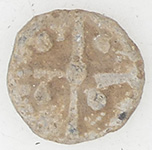 |
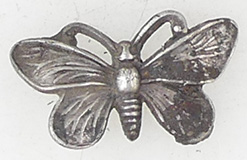 |
|||
18thC George III coin weight 2 Pennyweight and 14 grain coin weight - half gold guinea |
15thC lead token | Victorian silver charm | |||
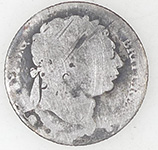  |
 |
||||
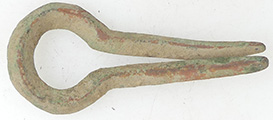
| 1816 George III milled silver sixpence | Georgian Jew's harp | ||||
 |
  |
||||
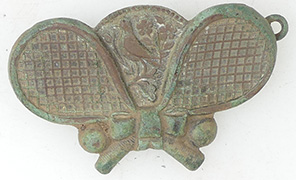
| 1900's tennis bat brooch | 1216 Henry III hammered silver shortcross half penny | ||||
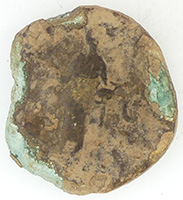
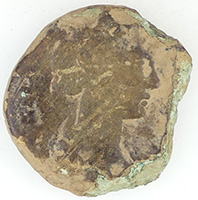
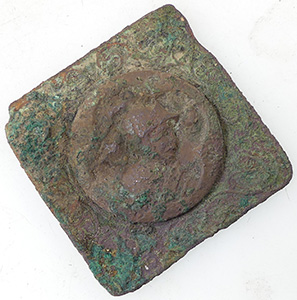
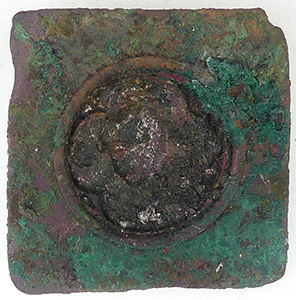
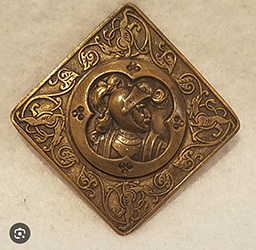
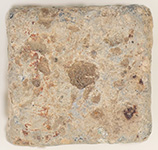
This was a totally crusty lump but it looked like it had detail in the middle. I quickly nuked it and was suprised to see a Roman helmeted head facing right in the middle. Needs more research but this could be a Roman mount off a uniform ? 33mm sq x 3.3mm T - 8,2g
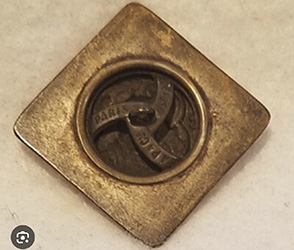
Virg Phill found an ID on this item This is a Antique Square Tinted Brass Button with The Head of King Arthur and a Multiple Dog Border Design, The shank is Attached to a Three Part Mounting with, "A.P. &C, Paris Depose.". It is 1-3/4" Diagonally. NBS Large- |
|||||
  |
  |
||||
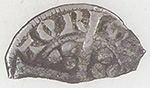
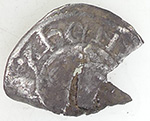
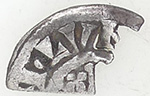
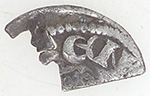
1279 Edward 1st hammered silver penny Obv **NGL DNS hY * Rev TOR/CI*** - Canterbury mint |
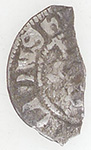
1216 Henry III hammered silver shortcross penny Obv hENRIC *** Rev ON.LVN - London mint |
||||
  |
 |
 |
|||
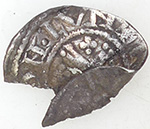
1216 Henry III hammered silver shortcross half penny Obv EN**** Rev ** N.LVN - London mint |
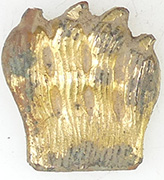
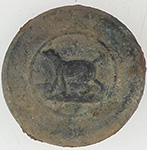
Victorian gilded paw brooch | 19thC hunting button | |||
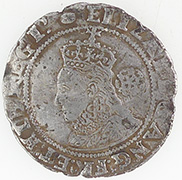 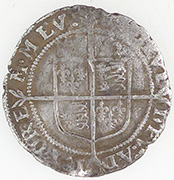 |
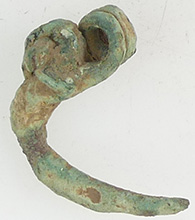 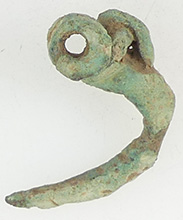 |
||||
| 1592-5 Elizabeth 1st hammered silver sixpence - Tun mint mark | 2ndC Roman fibular brooch | ||||
  |
 |
 |
|||
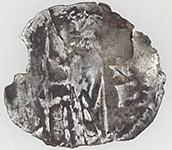
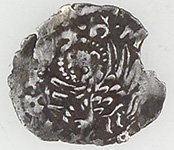
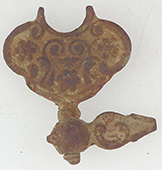
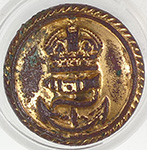
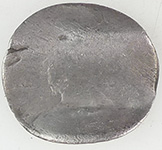
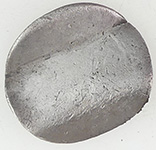
Doge Michele Steno (1400-1413).
|
1500-1700 buckle | Great Eastern railways button | |||
 |
 |
  |
|||
| Georgian watch winder | RN Capt / Commander - 1901 Kings crown |
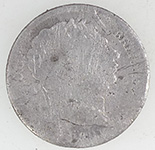
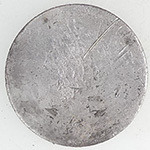
1700's Queen Anne milled silver love token | |||
  |
 |
 |
|||
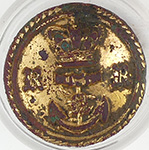
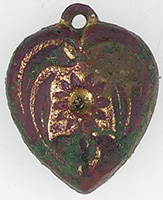
| 1818 George III milled silver sixpence | Victorian Sweetheart Brooch RNR button on Gold Bar
Crown Anchor RNR Queens crown |
Victorian gilded locket | |||
 |
  |
||||
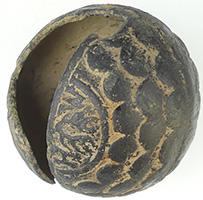
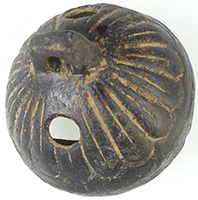
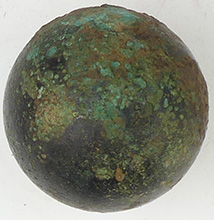
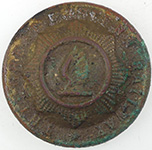
Interesting bronze ball Context: If found with a metal detector near an old gunpowder works, mill site, or historic estate, it is likely a mill grinding ball. 50.5g, 22.16mm |
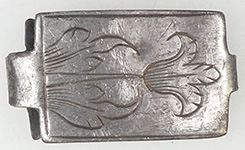
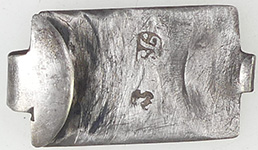
18thC decorated silver clog fastener | ||||
  |
 |
 |
|||
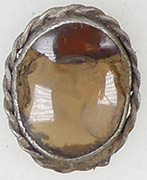
| 1584-6 Elizabeth 1st hammered silver half groat - Escallop mint mark | Great Eastern railways button | Georgian silver bezel | |||
  |
  |
||||
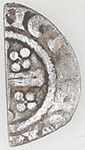
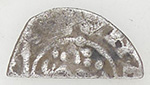
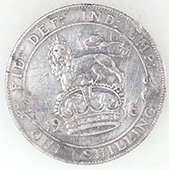
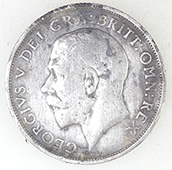
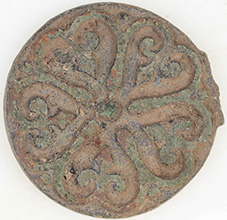
| 1216 Henry III hammered silver short cross half penny | 1916 George V milled silver shilling | ||||
  |
 |
||||
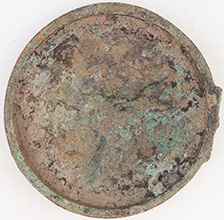
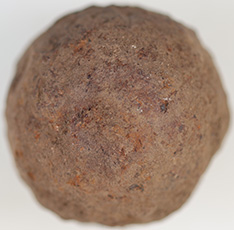
| Georgian lid | 1640's Iron cannon ball 223g,7.85 oz (1/2 lb) 39.5mm, 1.6 inch |
||||
  |
 |
||||
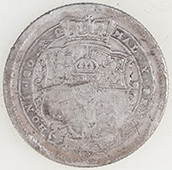
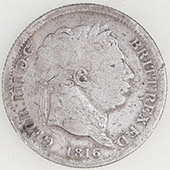
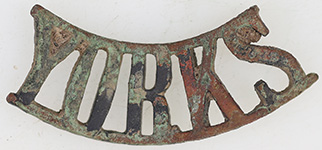
| 1816 George III milled silver shilling | WWI Yorkshire regiment lapel badge | ||||
 |
 |
 |
|||
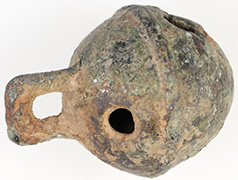
| 18thC crotal bell | Georgian silver ear ring | 18thC clog fastener | |||
|
  |
||||
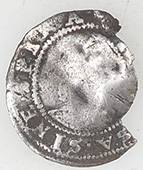
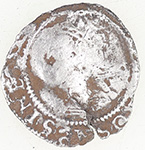
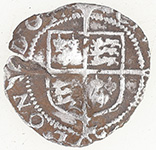
| 16thC Elizabeth 1st hammered silver sixpence | 16thC Elizabeth 1st hammered silver penny | ||||
 |
 |
 |
|||
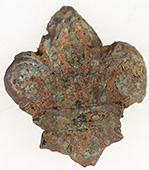
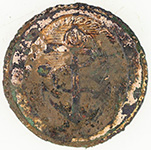
| Medieval mount | RN Capt / Commander - 1787 RN Lieutenant - 1787 |
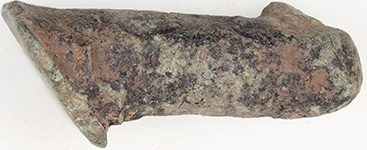
Medieval bronze pot leg | |||
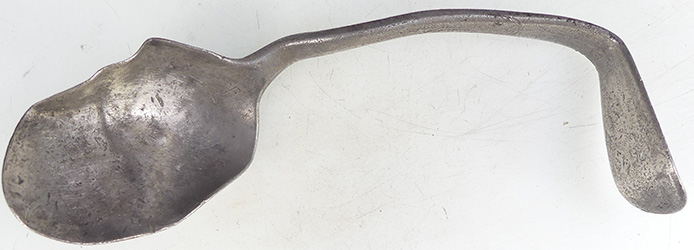
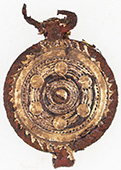
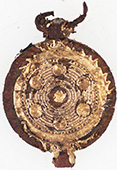
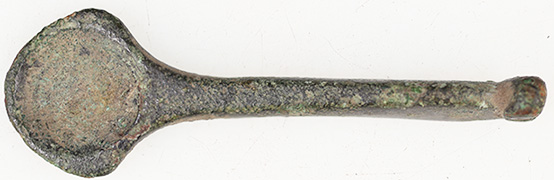
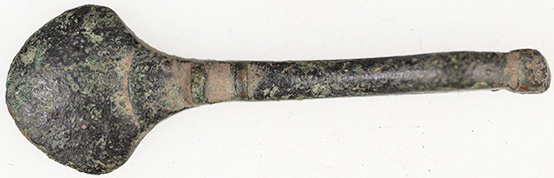
15thC Medieval silvered spoon handle
|
|||||
  |
|
||||
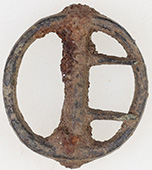
| Georgian watch winder | Wood handled pen knife | ||||
    |
|||||
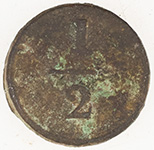
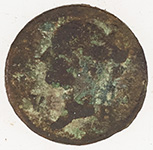
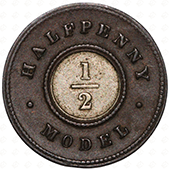
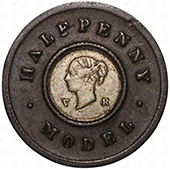
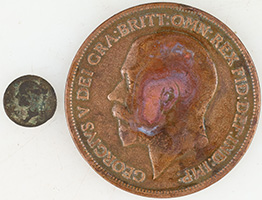
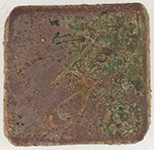
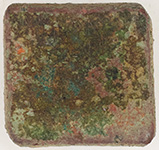
This is the centre of a 1840's Victoria Model Half Penny Token 8.07mm, 0.43g A Victoria model halfpenny token is a 19th-century miniature or bimetallic novelty piece—frequently produced around the 1840s by maker Joseph Moore in Birmingham—rather than an official legal-tender |
|||||
 |
  |
||||
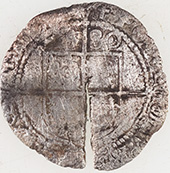
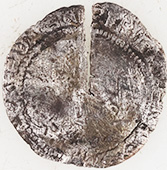
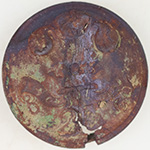
| Comparison George V penny and tiny Victorian half penny token | 18thC apothecary weight | ||||
  |
 |
 |
|||
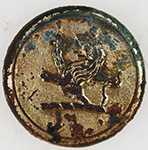
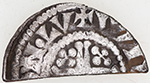
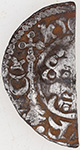
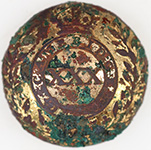
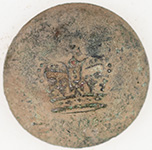
| 1580 Elizabeth 1st hammered silver three pence | 23rd Regiment of foot button 1855-1881 |
19thC livery button | |||
  |
  |
||||
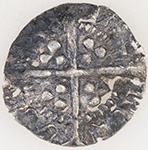
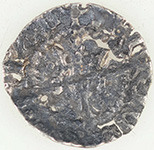
1216 Henry III hammered silver short cross half penny Rev N.LV+ W** - London mint |
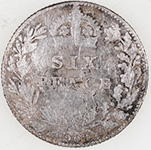
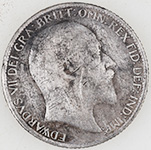
1908 Edward VII milled silver sixpence | ||||
 |
 |
 |
|||
Unrecorded type 30th (Cambridgeshire) Regiment of foot http://www.roll-of-honour.com/Regiments/30thRegimentofFoot.html |
Victorian button - possible post office Queens crown |
Post medieval button | |||
 |
  |
||||
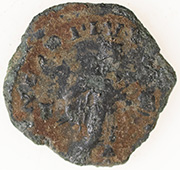
| Medieval pendant | 1413-22 Henry V hammered silver half penny Roundabout mint mark Rev CIVI/TAS/LON/DON - London mint |
||||
  |
  |
||||
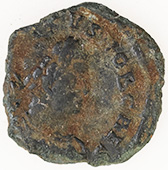
| 4thC Roman bronze coin - sent for ID | 16thC Elizabeth 1st hammered silver three pence | ||||
 |
 |
  |
|||
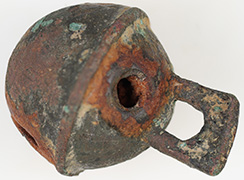
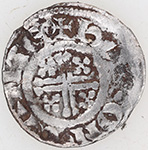
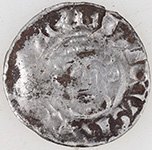
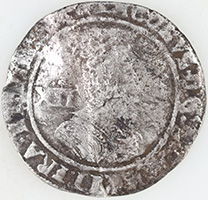
| 19thC buckle | 18thC crotal bell | 1216 Henry III hammered silver short cross penny Obv hENRICVS REX Rev + h** ON.CANTE - Canterbury mint |
|||
  |
  |
||||
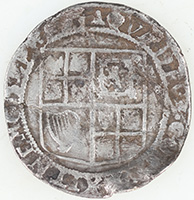
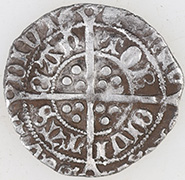
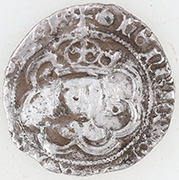
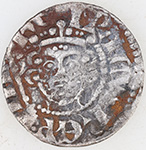
| 1610-11 James 1st hammered silver shilling - bell mint mark | 1498-9 Henry VII hammered silver half groat - Tun mint mark - double arched crown Obv hENRIC ***ANGLI Z F Rev CIVI/TAS/CAN/TOR - Caneterbury mint |
||||
  |
  |
||||
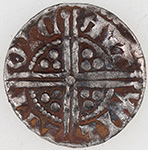
1247 Henry III hammered silver voided long cross penny Obv hENRICVS REX III Rev WIL/LEM/ ONC/ANT - Willem of Canterbury mint |
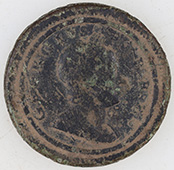
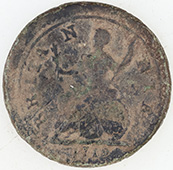
1719 George 1st milled copper 'dump' farthing | ||||
 |
 |
  |
|||
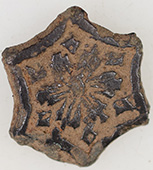
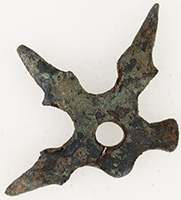
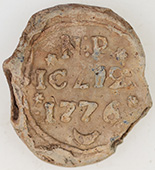
| 16thC mount | Late 14th-15th century spur rowell | 1776 Russian lead bale seal | |||
 |
 |
 |
|||
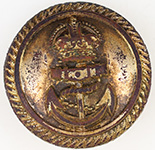
| 19thC livery button | RN Capt / Commander - 1901 Kings crown |
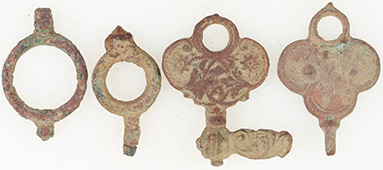
Georgian watch winders | |||
 |
 |
 |
 |
||
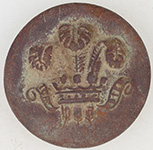
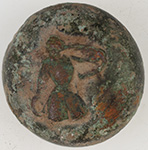
| 19thC livery button | Australian Militray Force button The Australian Military Forces (AMF) was the official designation for the Army of Australia from 1916 to 1980, covering both full-time and part-time forces across World War I, World War II, and subsequent eras |
Royal Fuseliers button | Georgian button | ||
  |
 |
||||
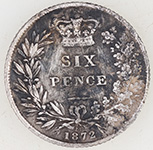
| 1872 Victoria milled silver sixpence | Georgian spur | ||||
 |
 |
 |
|||
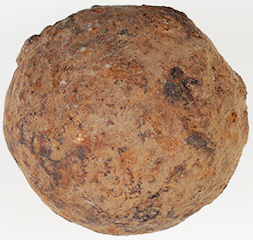
| 1500-1700 hooked mount | Victorian Great Eastern Railways button | 1640's Civil War cannon ball 120g, 4.3oz, 33mm dia, 1.3 inches |
|||
  |
  |
||||
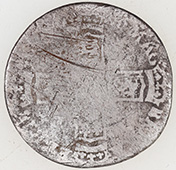
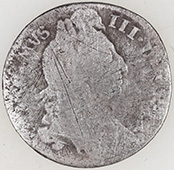
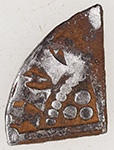
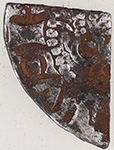
| 1696 William III milled silver shilling | 1247 Henry III hammered silver voided long cross farthing | ||||
  |
  |
||||
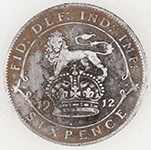
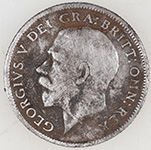
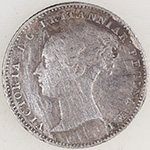
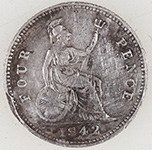
| 1912 George V milled silver sixpence | 1842 Victoria milled silver four pence | ||||
 |
 |
 |
 |
||
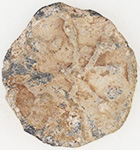
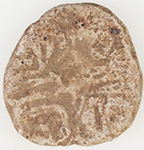
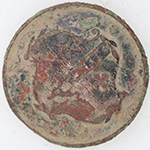
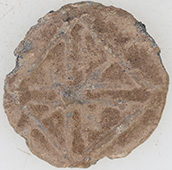
| 15thC lead token | 17thC lead token | Corporation button | Medieval lead token | ||
 |
 |
  |
|||
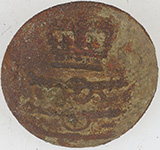
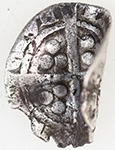
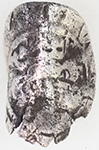
Royal Artillery button Post 1831 version - three cannons pointing left with the Royal crown over- The design was changed in 1840 with the addition of the 'Ubique' scroll below the lower cannon |
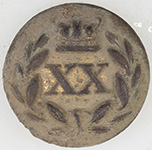
THE 20th REGIMENT OF FOOT East Devonshire Regiment pre 1800 This regiment was known as "Wolfe's Own" as Wolfe was once the colonel of this regiment. The regiment participated at both Louisbourg and Quebec during the Seven Years War in America. Governor Carleton also at one time served as a senior officer to this regiment. Description: Crowned XX within spray of leaves. Category: Regular Army; Type of button: Slightly convex 19mm ; Metal: Copper Alloy silvered; Backmark: Best Quality MS & ID; Date: 1800-1820 |
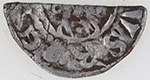
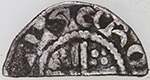
1216 Henry III hammered silver short cross half penny Obv **VS REX |
|||
  |
 |
 |
|||
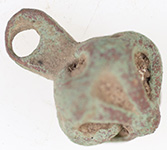
| 1279 Edward 1st hammered silver penny | 17thC Charles II silver button - reported as treasure | 18thC crotal bell | |||
 |
 |
 |
|||
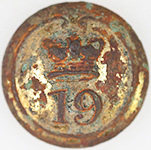
| 18thC toy cannon | Victorian 19th regiment of foot Officers tunic button |
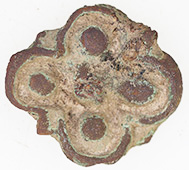
Medieval mount | |||
 |
 |
 |
 |
||
| 16thC Tudor fretwork button | Victorian Gt Eastern Railway and steam ship button | 1500-1700 mount | 18thC Apotheacry weight | ||
     |
|||||
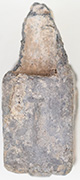
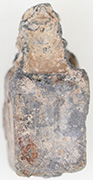
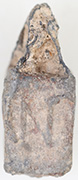
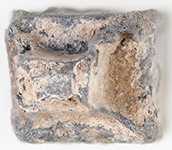
| A dreidel (Yiddish: דרײדל dreydl, Hebrew: סביבון Sevivon) is a four-sided top, played with during the Jewish holiday of Hanukkah. The dreidel is used for a gambling game similar to Teetotum. Each side of the dreidel bears a letter of the Hebrew alphabet: נ (Nun), ג (Gimel), ה (Hei), ש (Shin), which together form the acronym for "נס גדול היה שם" (Nes Gadol Haya Sham – "a great miracle happened there"). These letters also form a mnemonic for the rules of a gambling game played with a dreidel: Nun stands for the Yiddish word nit ("nothing"), Hei stands for halb ("half"), Gimel for gants ("all"), and Shin for shteln ("put"). In the state of Israel, the fourth side of most dreidels is inscribed with the letter פ (Pei), rendering the acronym, נס גדול היה פה, Nes Gadol Haya Po—"A great miracle happened here" referring to the fact that the miracle occurred in the land of Israel | |||||
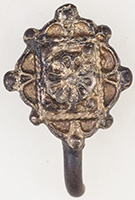
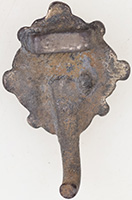
Unknown widget ? |
|||||
  |
  |
||||
| 16thC Tudor gilded silver clothing fastener - reported as treasure | 1205 Willam 1 The Lion - Scottish hammered silver half penny Obv WILAM Rev** WALTER Moneyer Walter of Perth, Edinburgh and Roxburgh mints |
||||
|
|||||
 |
  |
||||
One piece Navy buttons HONI SOIT QUI MAN Y PENSE PACKET Honi soit qui mal y pense (Old French: shame upon him who thinks evil of it) RN - Packet Service c.1800-1811 |
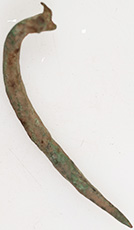
Unknown socketed widget | ||||
  |
  |
||||
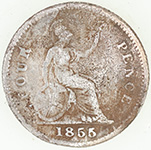
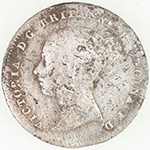
| 2ndC Roman fibular brooch | 1855 Victoria milled silver four pence | ||||
  |
 |
 |
|||
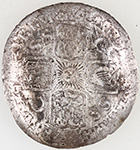
1714 -27 George 1st milled silver sixpence South seas |
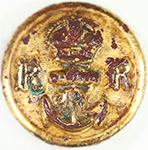
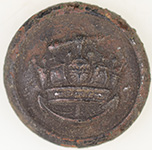
Small WW1 WW2 Sweetheart Brooch RNR button on Gold Bar
Crown Anchor RNR Kings crown |
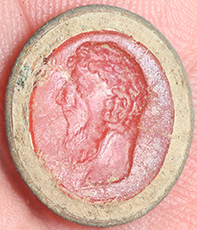
Georgian fob seal - bust facing left | |||
  |
 |
 |
|||
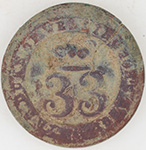
| Roman bronze decorated vessel mount | THE 33RD REGIMENT OF FOOT. / After 1881 :- 1st Battalion The Duke Of Wellington's (West Riding) Regiment Officer - 1848-1853 |
||||
 |
  |
||||
| Tiny hand made silver Essex regiment sweetheart badge | 17thC trade token | ||||
 |
 |
|
|||
| 1900's Generic Merchant Navy Officers | 43rd Regimnet of foot button c1820-1830 A later officers pattern that came in from 1803 onwards, to the 43rd when the unit became The Monmouthshire Light Infantry. |
18thC bayonet frog | |||
 |
 |
 |
 |
||
| RN Master buttons
RN Master - 1807-1825
|
Her Majesty's Indian Naval uniform: pattern
|
Victorian Sweetheart Brooch RNR button on Gold Bar
Crown Anchor RNR Queens crown |
16thC Tudor fretwork button | ||
 |
 |
  |
|||
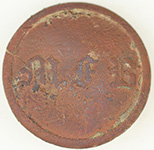
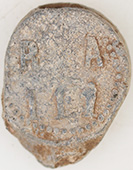
| 17thC lead token | 19thC Monogramed button MFB |
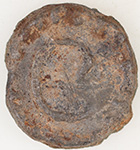
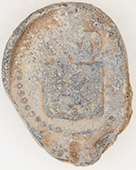
Post medieval lead bale seal | |||
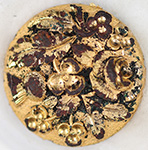
Unusual Tudor gold clothing fastener ? - reported tpo museum for their views |
|||||
 |
 |
 |
 |
||
| 15thC lead token | Early medieval lead token | 15thC lead token | Victorian gilded button | ||
  |
  |
||||
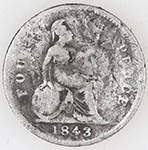
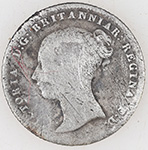
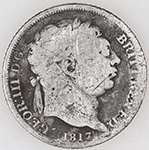
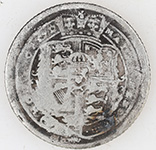
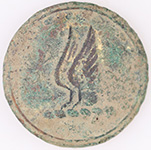
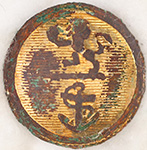
| 1843 Victoria milled silver four pence | 1817 George III milled silver sixpence | ||||
 |
 |
  |
|||
| 19thC livery button | Her Majesty's Indian Naval uniform: pattern
|
Crusty Roman silver coin | |||
 |
 |
 |
 |
||
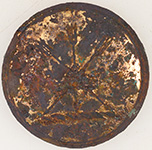
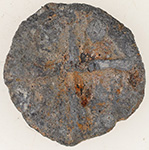
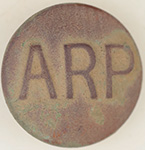
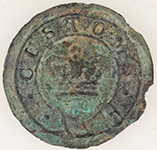
| 19thC livery button | 15thC lead token | World War II Air Raid Precautions uniform button | 19thC Customs button | ||
|
|
||||
| 17thC sword hanger | Pommel ? | ||||
  |
  |
||||
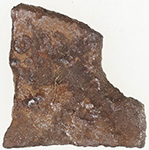
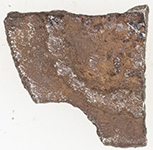
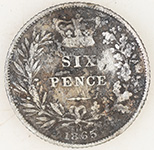
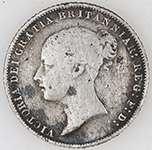
| 4thC Roman silver coin fragment | 1865 Victoria milled silver sixpence | ||||
|
|||||
 |
 |
 |
|||
| 15thC lead token | Victorian silver thimble | WWI Kings Own )Yorkshire Light Infantry) regiment cap badge | |||
  |
  |
||||
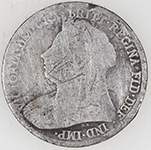
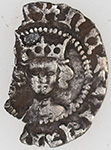
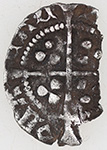
| 1894 Victoria milled silver sixpence | 1422-61 Henry VI hammered silver half penny - first issue Pinecone-mascle issue - Mascle before LA on reverse legend Obv +hENRIC REX ** Rev LA CAL IS - Calais mint |
||||
  |
 |
 |
|||
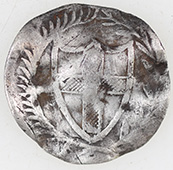
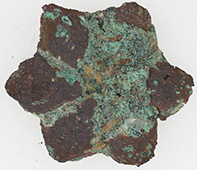
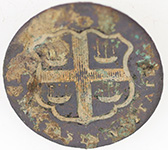
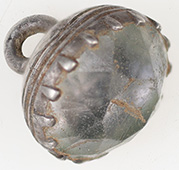
| 1649 Commonwealth hammered silver half groat | Medieval sexfoil mount | 19thC livery button | |||
 |
 |
 |
|||
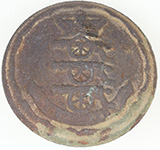
| Georgian silver button | Royal Artillery button Post 1831 version - three cannons pointing left with the Royal crown over- The design was changed in 1840 with the addition of the 'Ubique' scroll below the lower cannon |
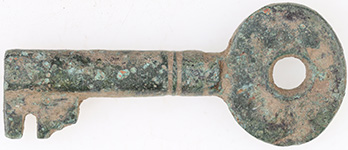
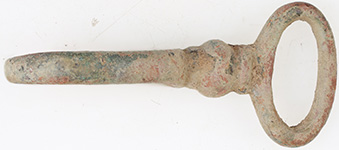
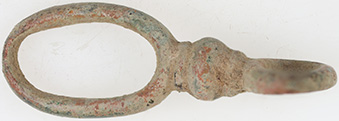
Georgian key | |||
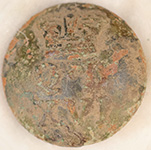
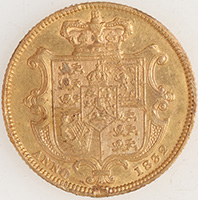
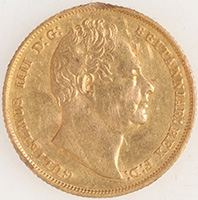
1832 William IV milled gold sovereign Rare first bust issue - nose facing 2nd N 7.91g, 22mm dia |
|||||
 |
 |
 |
|||
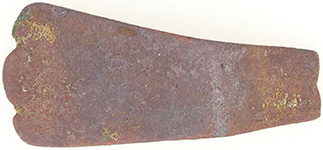
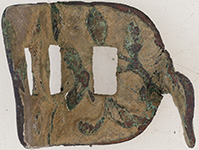
| 17thC spoon handle | 18thC clog fastener | Unrecorded 16th Regiment of fott button Crown XVI |
|||
  |
 |
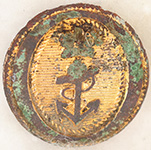 |
|||
| Medieval jester bell | Victorian Gt Eastern Railway and steam ship | RN Capt / Commander - 1787 RN Lieutenant - 1787 |
|||
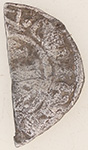 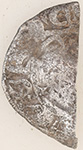 |
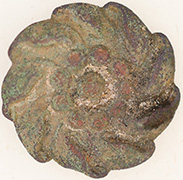 |
 |
|||
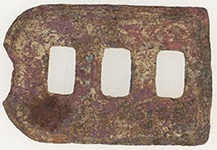
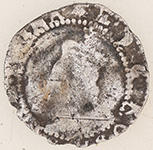
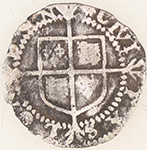
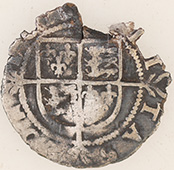
| 1216 Henry III hammered silver short cross half penny | 1500-1700 mount | 18thC clog fastener | |||
  |
  |
||||
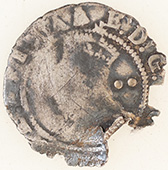
| 1584-6 Elizabeth 1st hammered silver penny - Escallop mint mark | 1582-3 Elizabeth 1st hammered silver half groat - bell mint mark | ||||
 |
 |
  |
|||
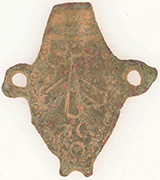
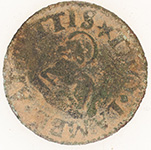
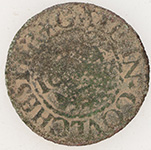
| 1500-1700 mount | 17thC clothing fastener | 1654 Theo Lambe of Colchester Essex hammered copper trade farthing
St Botolph's Gate neighbourhood AT BVTTIS GATE |
|||
 |
 |
 |
 |
||
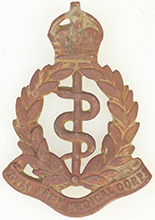
| Great Eastern railways button | 15thC lead token | 15thC lead token | WWII Royal Army medical corp badge | ||
  |
  |
||||
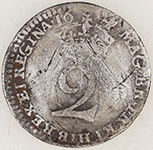
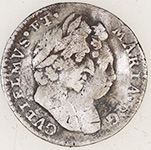
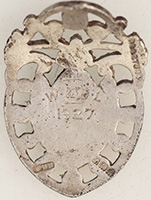
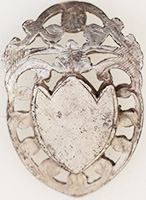
| 1694 William nad Mary milled silver maundy two pence | 1927 silver badge | ||||
  |
 |
||||
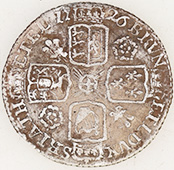
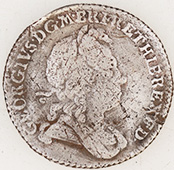
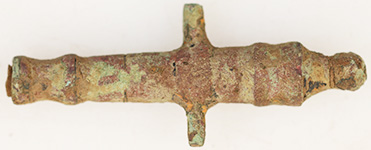
| 1726 George 1st milled silver sixpence | 18thC toy cannon | ||||
Roman lead dice |
|||||
 |
|
||||
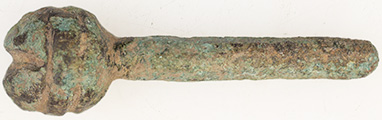
| Medieval purse bar | Post medieval handle mount | ||||
 |
 |
 |
|||
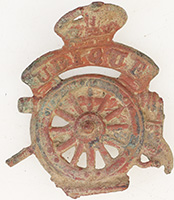
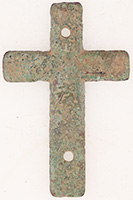
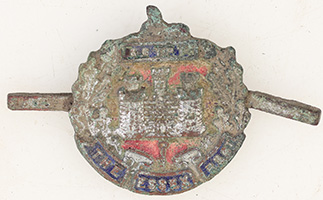
| WWII Royal Artillery cap badge | Copper crucifix | WWII Essex Regiment sweetheard badge | |||
Huge medieval lead trade weight 249g, 1/2 lb 55mm dia |
|||||
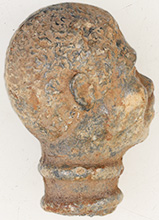
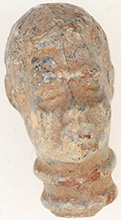
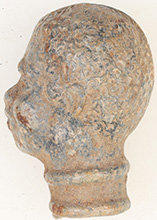
Cast alloy Moor's head hollow mount |
|||||
|
|||||
| Medieval harness fitting | |||||
18thC Royal Navy silver cufflink |
|||||
  |
  |
||||
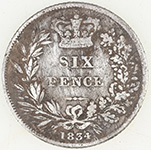
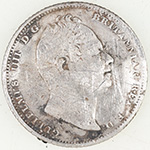
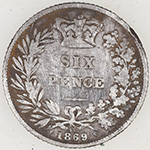
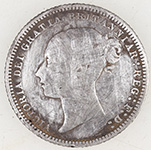
| 1834 William IV milled silver sixpence | 1869 Victoria milled silver sixpence | ||||
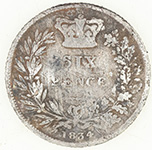 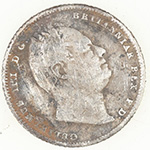 |
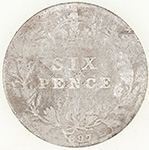 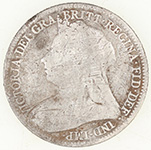 |
||||
| 1834 William IV milled silver sixpence | 1897 Victoria milled silver sixpence | ||||
 |
 |
  |
|||
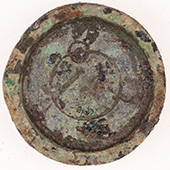
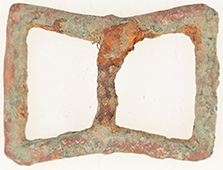
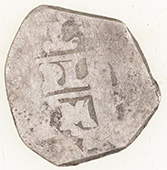
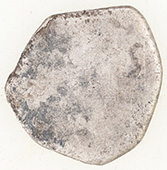
| Georgian trade weight - Crown G cipher | 1500-1700 buckle | 18thC Spanish cob silver coin Lima mint |
|||
|
|||||
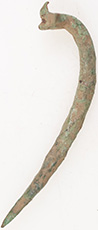
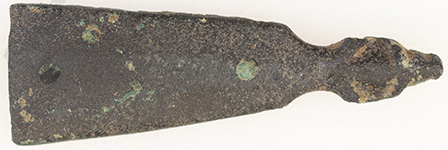
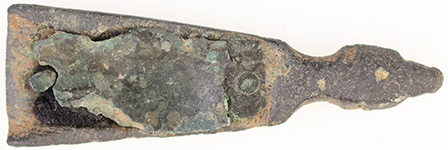
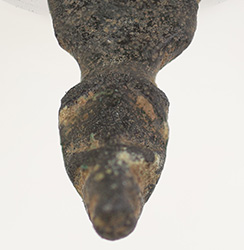
| c10thC Saxon zoomorphic strap end | |||||
  |
 |
 |
|||
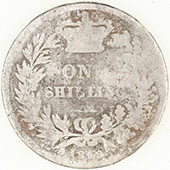
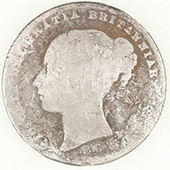
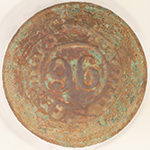
| 1863 Victoria milled silver snilling | Description: 96 crowned within buckled srap with order of garter motto. Category: Regular Army; Type of button: Convex 19mm ; Metal: Copper Alloy silvered; Backmark: CHARLES JENNENS LONDON (with PoW crest) Date: 1830-1881 |
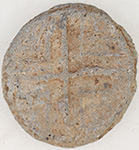
15thC lead token | |||
 |
 |
 |
 |
||
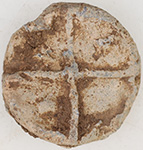
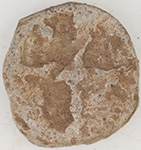
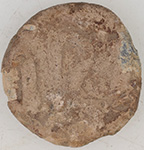
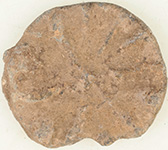
| 15thC lead token | 15thC lead token | 17thC token | 15thC lead token | ||
 |
  |
||||
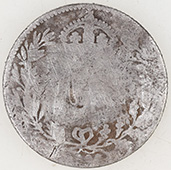
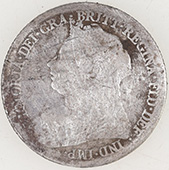
| Georgian trade weight | 1894 Victoria milled silver shillings | ||||
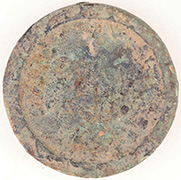
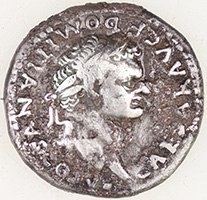
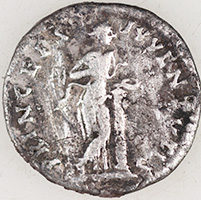
As dug crusty sucker - 'cooking' has removed most of the crud 81 AD Domitian Roman silver denarius Obverse CAESAR AVG F DOMITIANVS COS VI: Head of Domitian, laureate, right Rev PRINCEPS IVVENTVTIS: Salus, draped, standing right, resting left arm on column, holding snake in right hand and feeds it out of patera in left 2.82g, 18.02mm |
|||||
  |
  |
||||
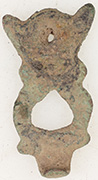
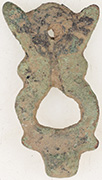
| Medieval hooked mount | Medieval harness pendant | ||||
  |
  |
||||
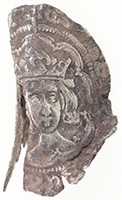
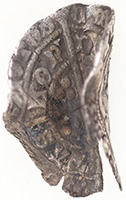
1471-83 Edward IV hammered silver groat Obv +EDWARD DX GRA REX ANGL Z FRANC Rev CIVI/TAS/LOM/DON - :pndon mint Mint mark- short cross fitchee
|
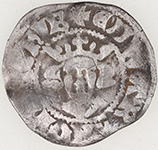
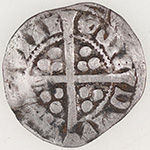
1279 Edward 1st hammered silver penny Obv +EDWAR ANGL DNS hYB Bury St Edmunds mint |
||||
 |
 |
 |
 |
||
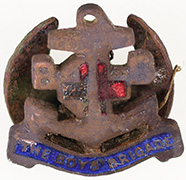
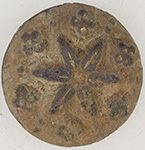
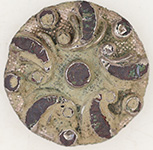
| Boys Brigade badge | Victorian Royal Engineers button | Georgian button | Georgian button | ||
17thC finger ring |
|||||
  |
  |
||||
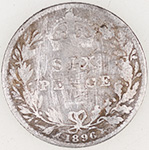
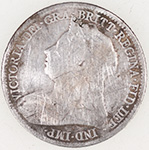
| 1896 Victoria milled silver sixpence | |||||
|
  |
||||
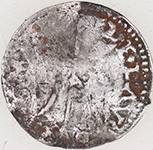
1501-1521Leonardo Lauredan, Doge milled silver Venetian soldino Type 2 |
17thC lead token | ||||
 |
 |
 |
|||
Loss Date: February 13, 1942 |
1500--1650 buckle | 18thC Royal Navy silver button | |||
Huge medieval lead steelyard weight 39mm dia, 59mm L, 448g, 8oz (1/2 lb) |
|||||
  |
  |
||||
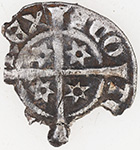
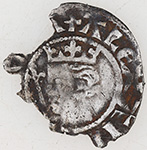
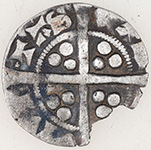
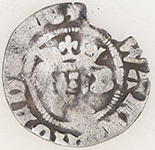
Scottish 1280-1286 Alexander III hammered silver penny - 2nd coinage Obv +ALEX** Rev REX SCOT*** |
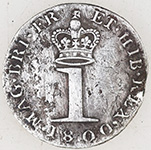
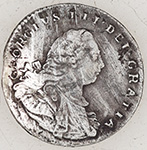
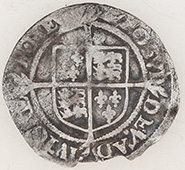
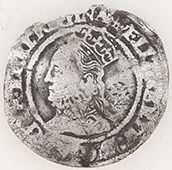
1800 George III milled silver maundy penny | ||||
  |
  |
||||
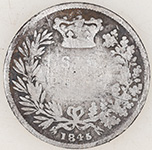
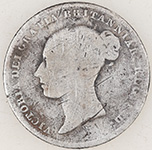
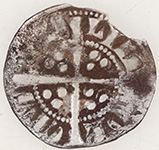
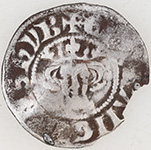
1279 Edward III hammered silver penny Obv + **WAR ANGL DNS hYB Rev CIVI/TAS/CAN *** - Canterbury mint |
1567-70 Elizabeth 1st hammered silver three pence - Coronet mint mark | ||||
  |
  |
||||
| 1845 Victoria milled silver ssixpence | 1279 Edward 1st hammered silver penny Obv + EDW** ANGL DNS hYB Rev CIVI/TAS/LIN/COL - Lincoln mint |
||||
  |
  |
||||
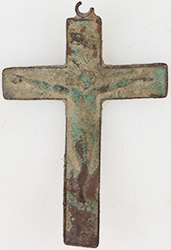
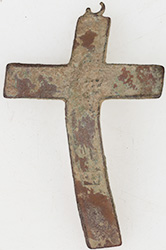
| 18thC silver clog fastener - Maker CB | Post medieval crucifix | ||||
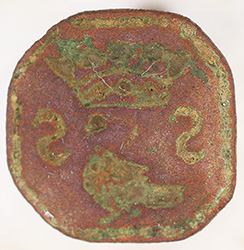
17thC seal matrix - Bird facving left - SS and crown |
|||||
 |
 |
|
|||
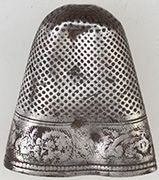
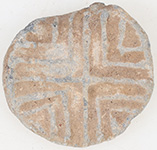
| Victrorian silver thimble | 15thC lead token | German 18thC Continental billion silver coin | |||
 |
 |
||||
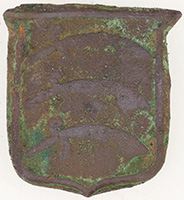
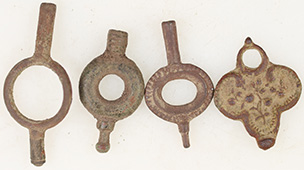
| Essex County badge | Georgian watch winders | ||||
 |
 |
||||
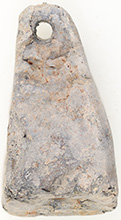
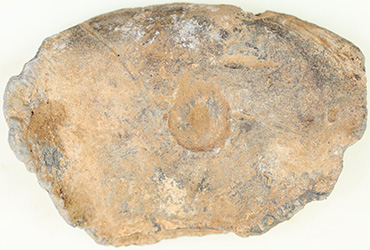
| Post medieval lead hanging weight | 18thC lead sewing palm guard | ||||
  |
  |
||||
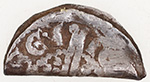
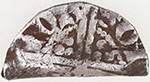
1279 Edward 1st hammered silver penny Obv + EDWR ANGL DN** Rev **/TAS/EBO -Bristol mint |
Taco'd 1247 Henry III hammered silver voided longcross penny Rav SEN/TED/IOh/S:ON - Moneyer IOhS of Bury St Edmunds mint
|
||||
  |
  |
||||
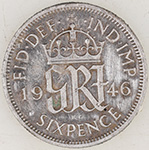
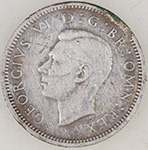
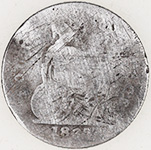
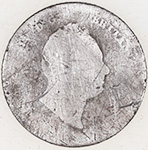
| 1946 George VI milled silver sixpence | 1935 William IV milled silver four pence | ||||
  |
  |
||||
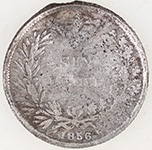
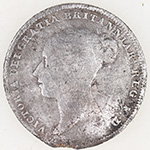
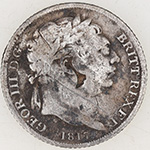
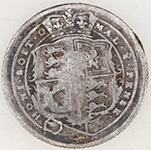
| 1856 Victoria milled silver sixpence | 1817 George III milled silver sixpence | ||||
  |
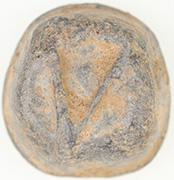 |
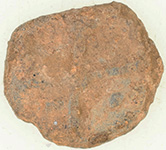 |
|||
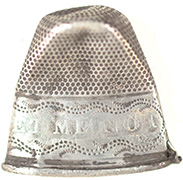
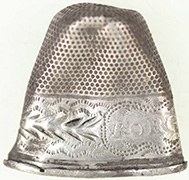
Victorian silver thimble FORGOT ME NOT |
17thC lead trade weight | 15thC lead token | |||
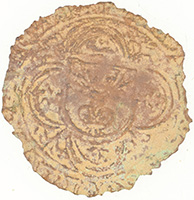 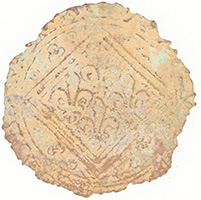 |
  |
||||
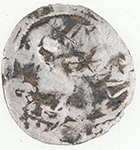
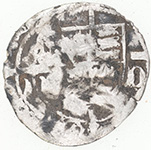
Jetton - Paris type -' lozenge containing 4 lis' design was introduced at Paris 1461-1497 Rev - small shield in tressure |
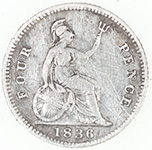
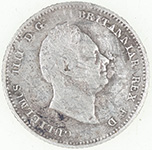
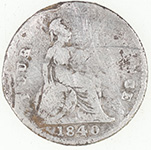
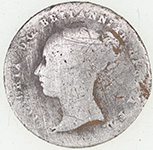
1836 William IV milled silver four pence | ||||
  |
  |
||||
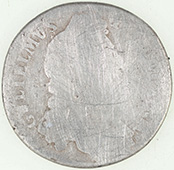
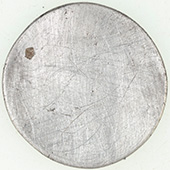
| 1493-5 Henry VII hammered silver sovereign penny - RD by shield -Durham mint - Bishop Sherwood | 1840 Victroia milled silver four pence | ||||
  |
  |
||||
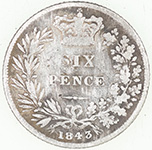
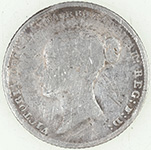
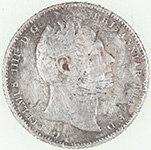
| 17thC William III milled silver shilling | 1843 Victroai milled silver sixpence | ||||
  |
  |
||||
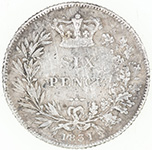
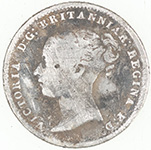
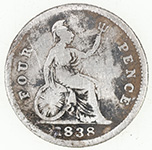
| 1831 William IV milled silver sixpence | 1838 Victroai milled silver four pence | ||||
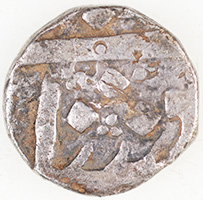
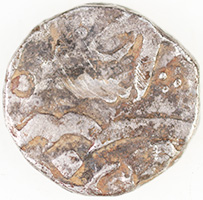
18thC Indian silver rupee coin - reseaching date - mega thick 11.2g,18.7 mm dia x 4.35mm T Rupees minted during the Mughal Empire and by various Princely States/the East India Company typically adhered to a weight standard of 11.2 to 11.6 grams The extreme thickness (4.35 mm ) relative to its small diameter (18.7 mm ) confirms that this is a "dump" style hand-hammered rupee . Before machine-milling expanded across India in the late 18th and early 19th centuries, mints sheared thick silver rods into heavy, stubby blanks rather than rolling out thin sheets. Because the coin blanks were much smaller than the hand-carved steel dies, only a fraction of the full Persian script or ruler's name ever made it onto the face of the coin |
|||||
  |
|||||
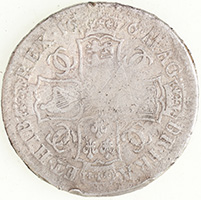
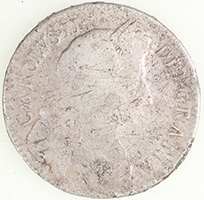
1667 Charles II milled silver half crown (30 pence) 32.9mm, 14.2g |
|||||
Roman bronze knife quillion 39.5mm W x19.93 mm H |
|||||
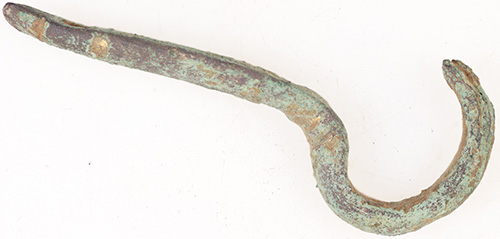
Medieval gilded hooked bar mount |
|||||
Medieval pendant |
|||||
|
|||||
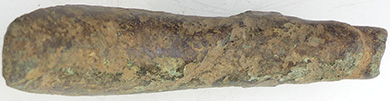
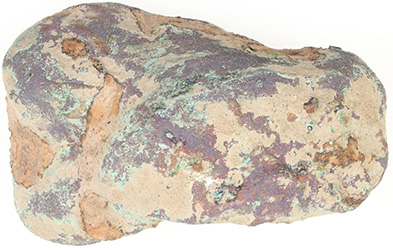
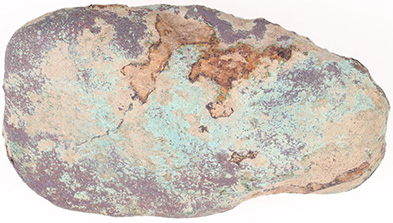
| Bronze Age foundry hoard addendum ingot - reported to museum | |||||


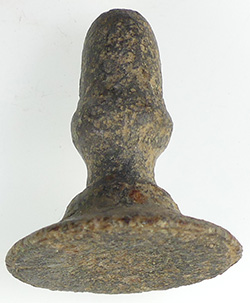
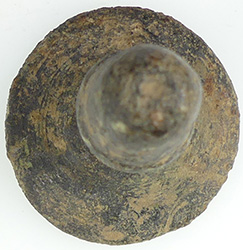
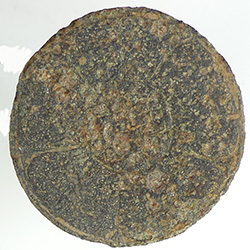
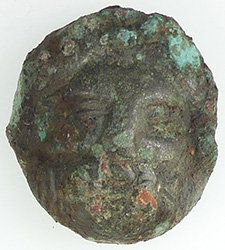
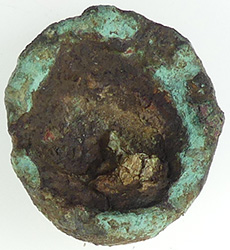


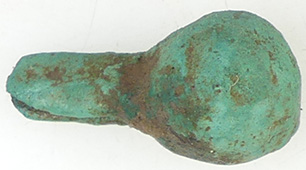
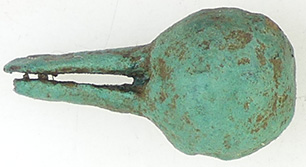
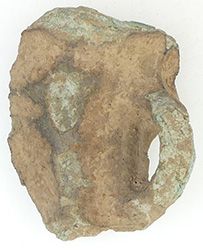
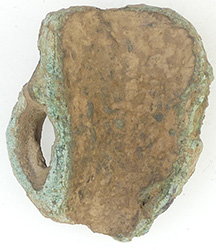
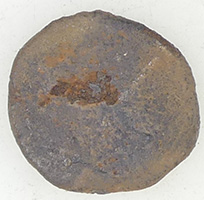
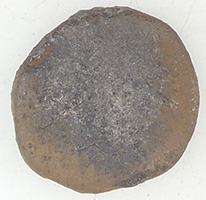
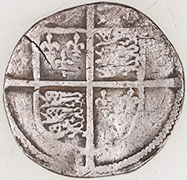
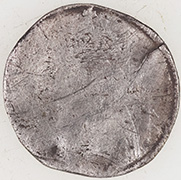
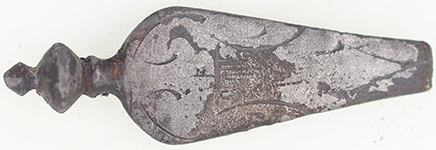
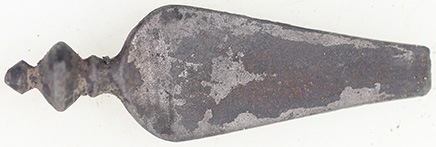
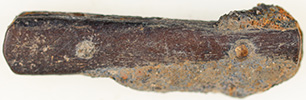
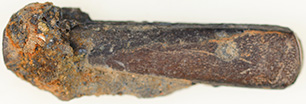
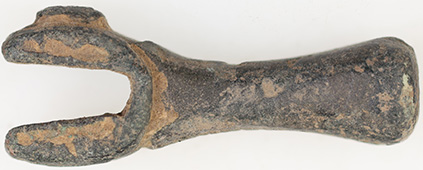
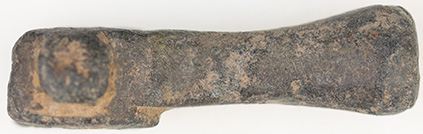
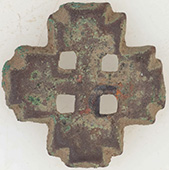
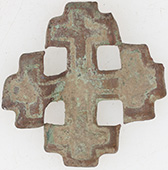
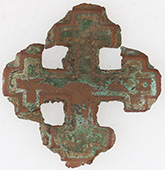
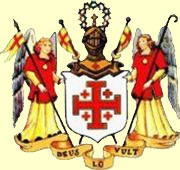 'A badge for a Knight of the Order of the Holy Sepulchre in bronze and dating somewhere around C13/14th possibly very slightly later . This is a very scarce item and it relates to The Equestrian Order of the Holy Sepulchre of Jerusalem being a Catholic chivalric order of Knighthood that traces its roots to Godfrey of Bouillon, principal leader of the First Crusade. According to reliable sources in the Vatican and Jerusalem, it began in historical reality as a mixed clerical and lay confraternity (association) of pilgrims which gradually grew around the most central of the Christian holy places in the Middle East, the Holy Sepulchre or the tomb of Jesus Christ.This would have been a pin for a member of the order , there is a mark on the reverse where the original pin would have been fixed '




2026 Sept finds page2026 March finds page2025 Oct finds page
|