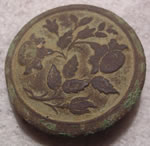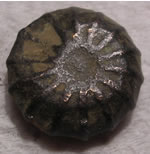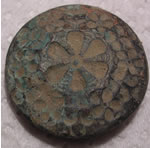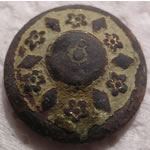
Metal detecting holidays in England with the World's most successful metal detecting club.20 years plus.
Twinned with Midwest Historical Research Society USA.
|
Dress
buttons |
|||
|
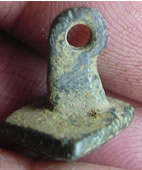
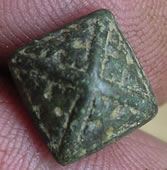
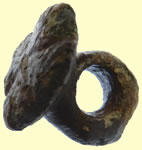
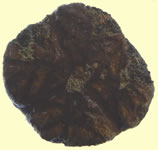
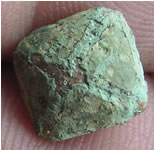
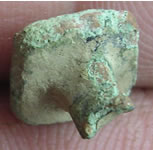
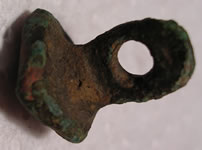
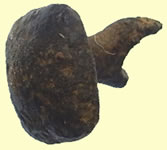
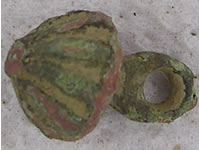
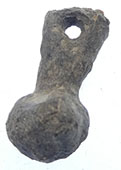
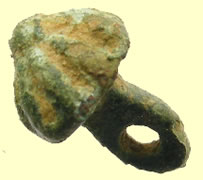
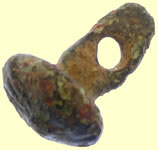
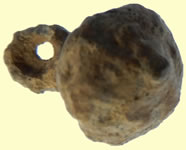
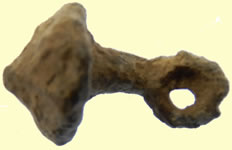
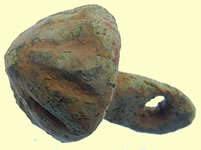
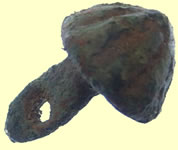
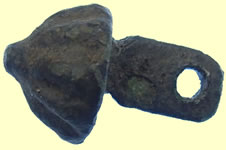
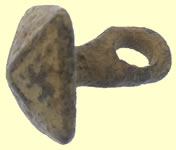
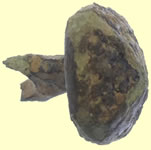
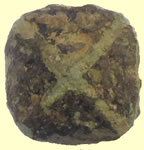
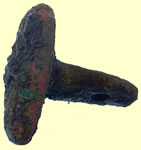
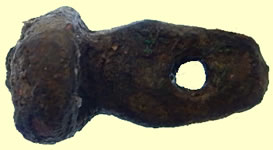
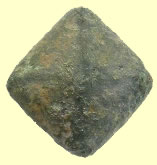
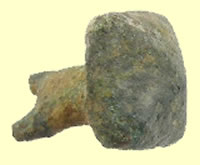
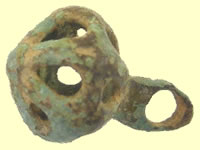
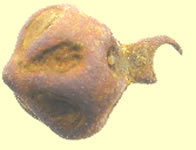
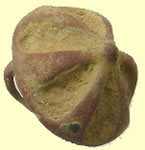
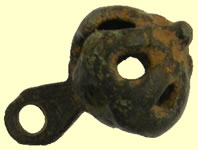
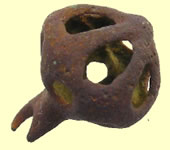
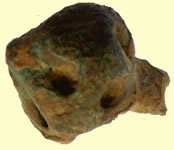
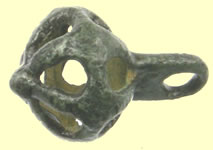
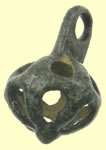
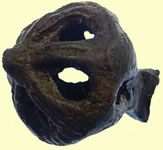
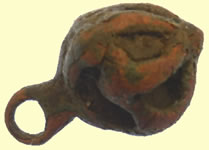
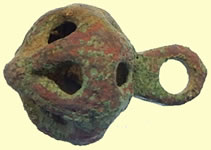
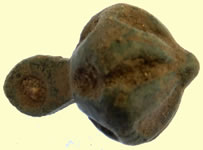
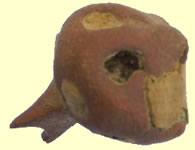
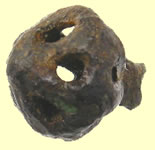
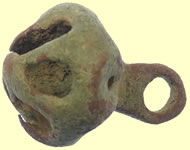
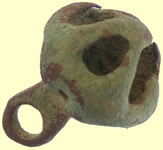
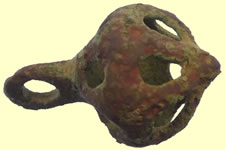
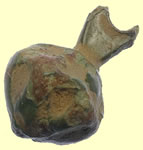
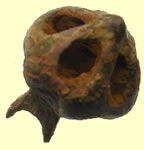
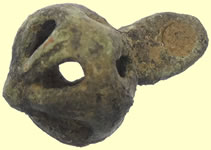
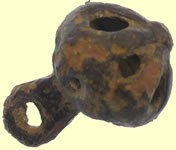
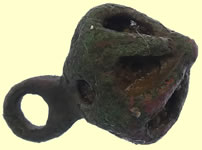
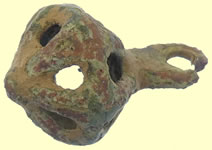
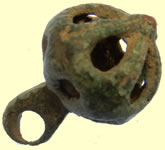
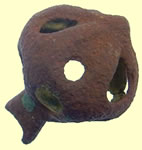
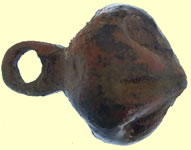
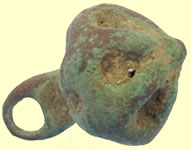
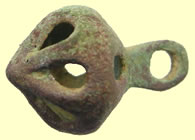
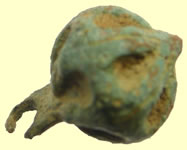
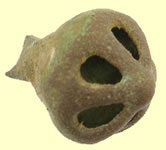
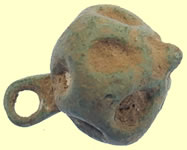
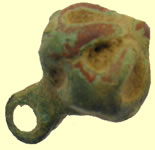
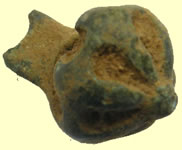
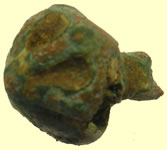
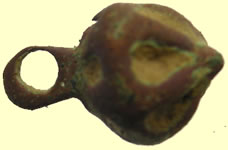
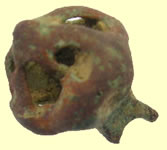
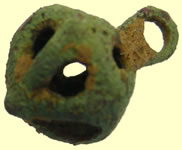
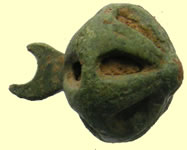
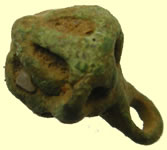
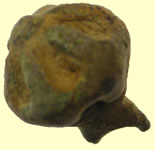
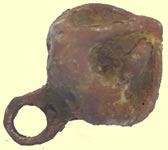
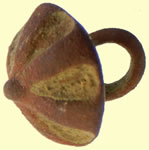
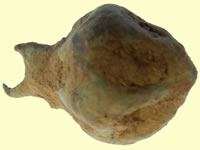
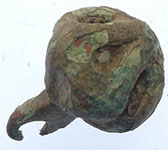
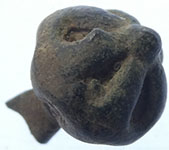
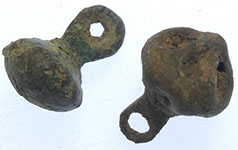
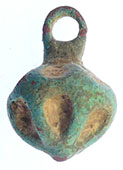
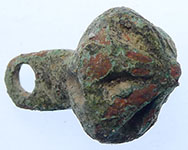
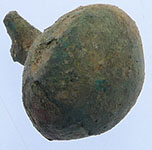
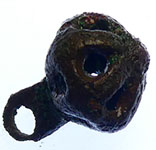
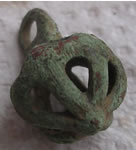
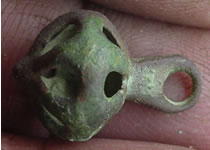
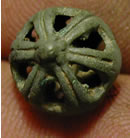
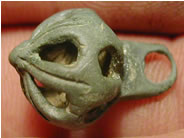
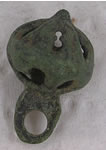
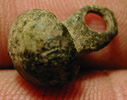
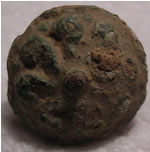
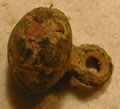
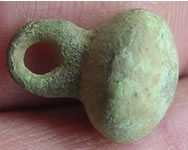
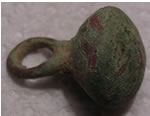
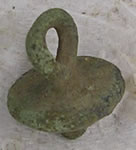
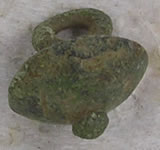
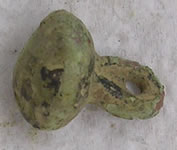
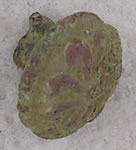
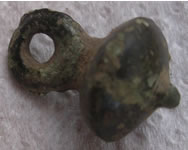
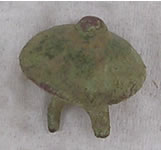
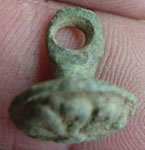
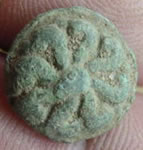
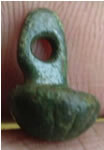
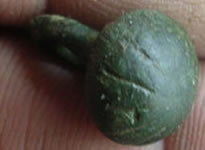
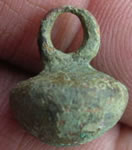
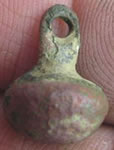
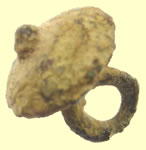
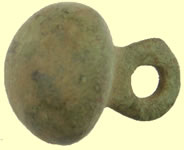
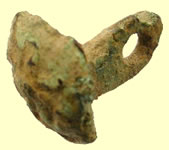
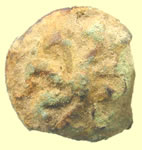
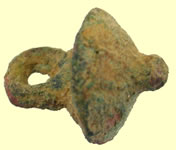
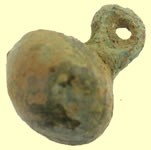
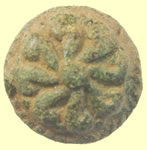
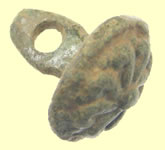
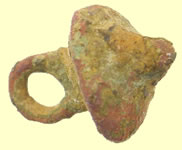
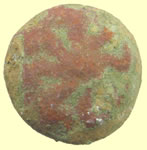
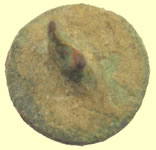
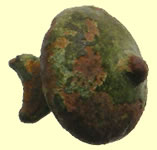
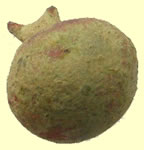
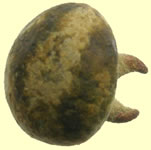
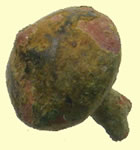
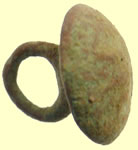
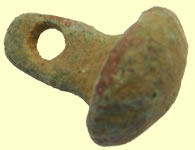
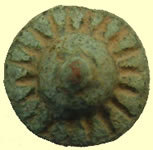
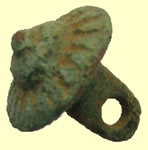
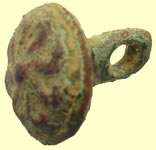
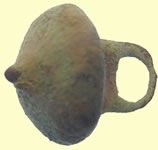
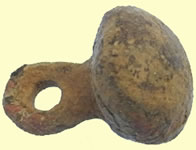
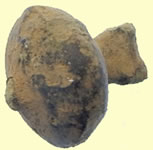
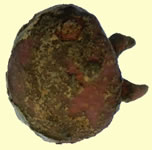
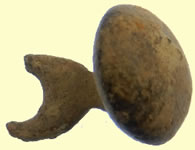
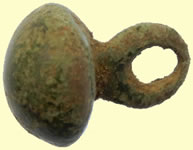
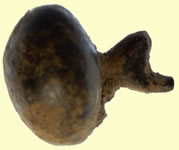
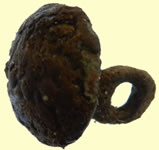
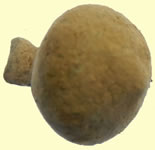
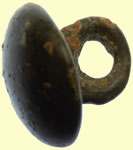
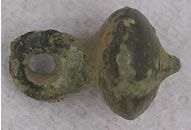
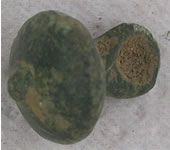
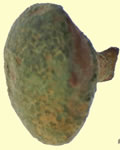
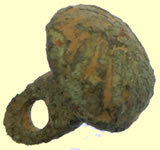
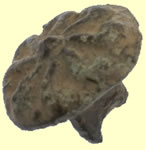
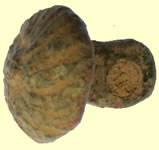
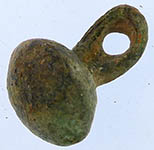
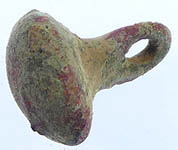
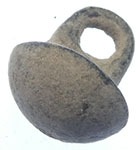
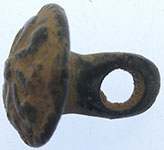
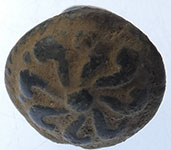
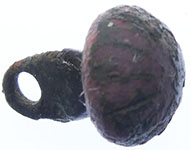
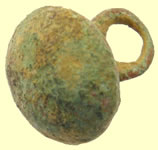
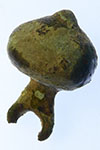
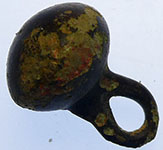
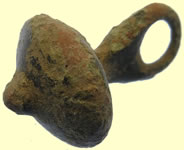
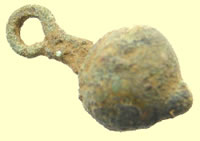
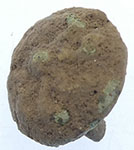
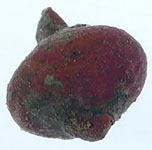
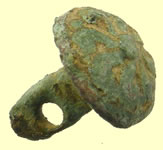
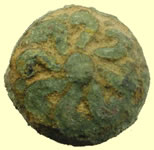
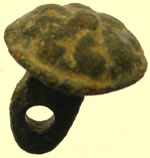
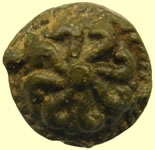
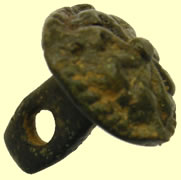
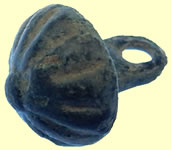
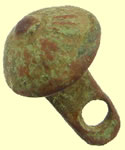
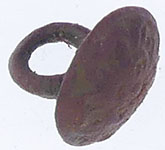
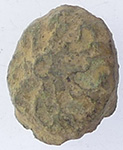
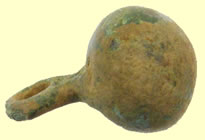
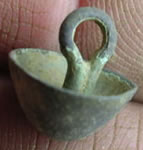
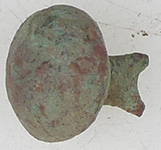
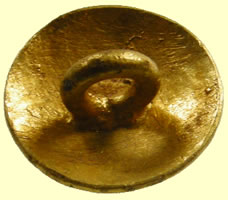
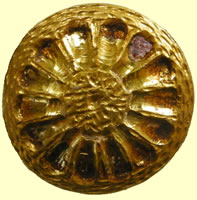
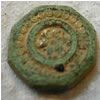
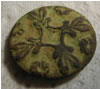
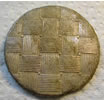
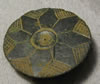
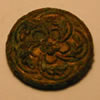
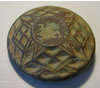
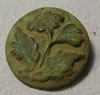
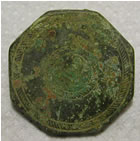
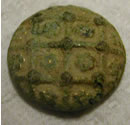
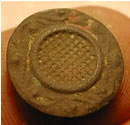
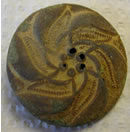
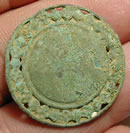
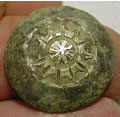
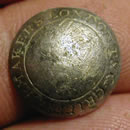
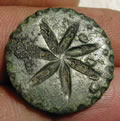
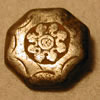
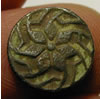
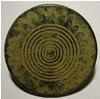
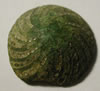
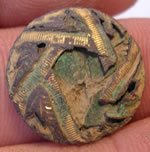
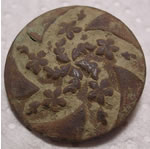
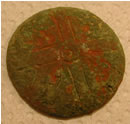
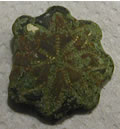
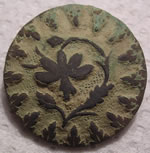
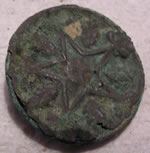
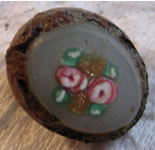
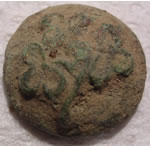
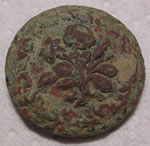
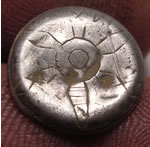
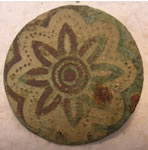
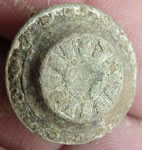
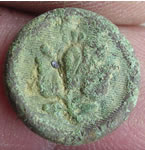
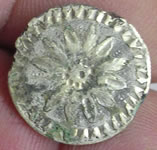
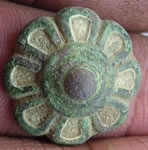
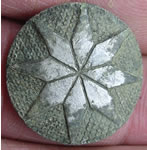
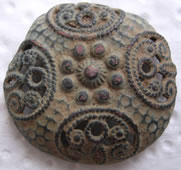
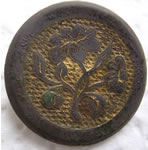
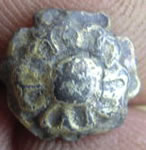
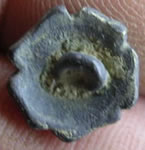
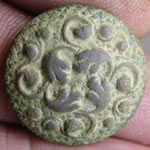
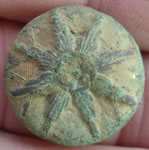
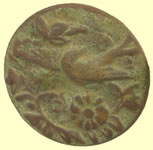
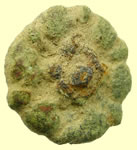
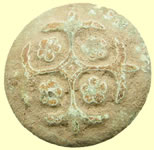
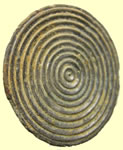
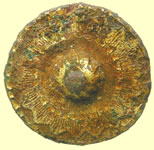
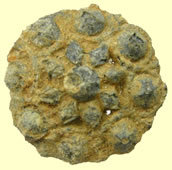
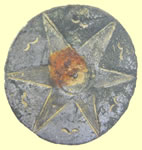
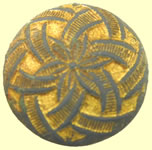
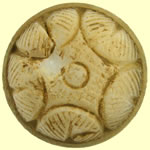
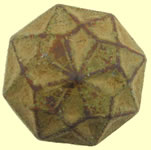
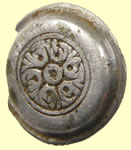
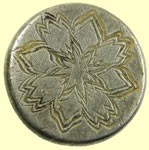
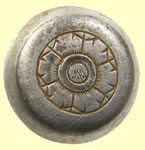
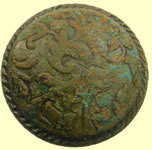
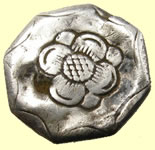
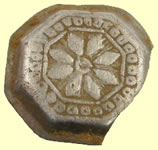
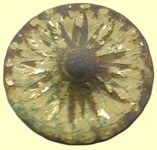
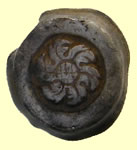
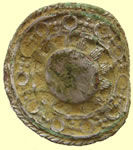
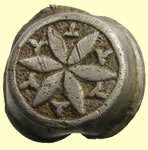
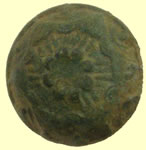
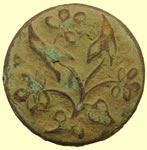
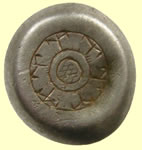
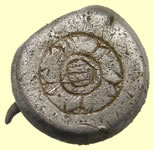
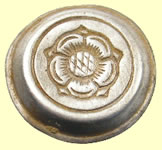
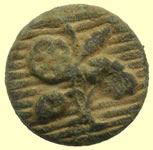
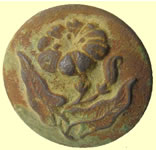
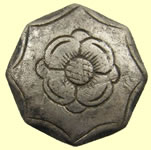
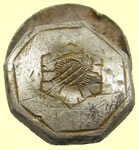
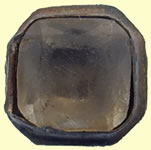
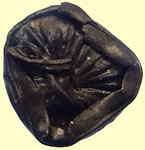
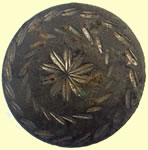
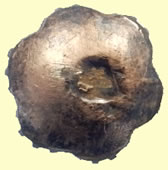
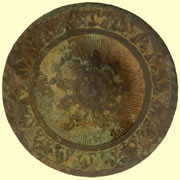
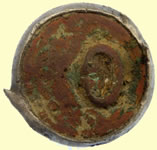
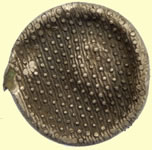
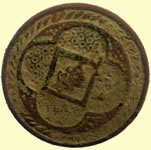
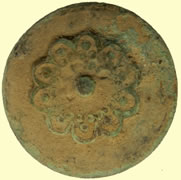
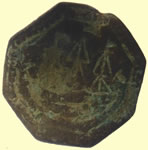
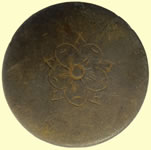
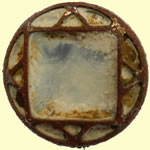
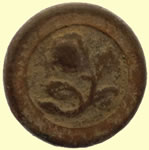
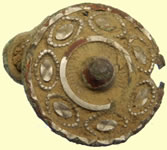
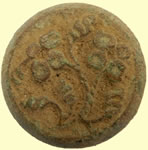
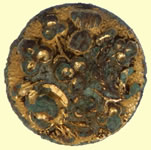
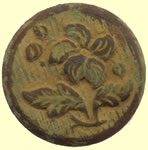
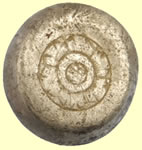
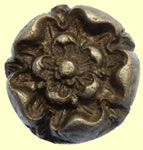
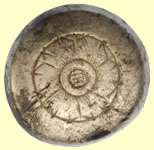
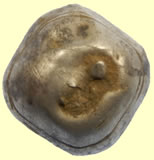
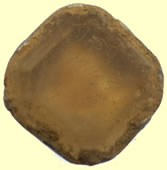
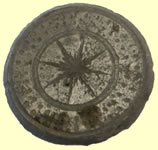
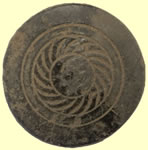
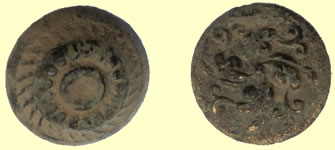
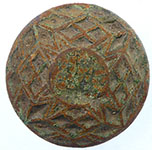
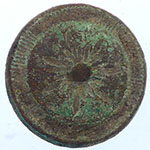
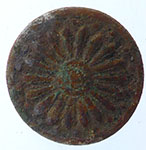
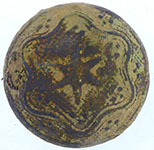
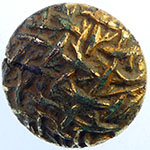
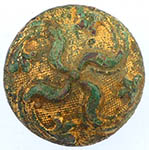
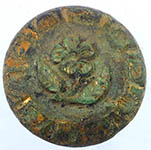
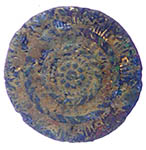
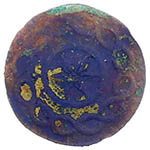
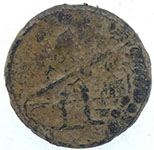
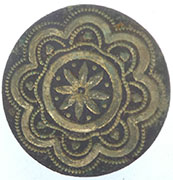
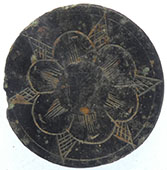
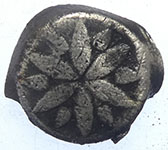
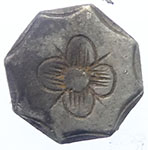
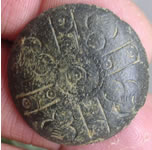
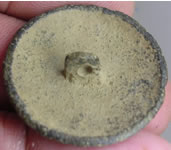
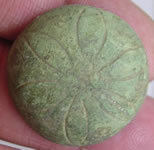
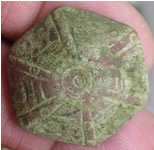
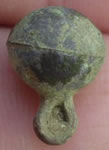
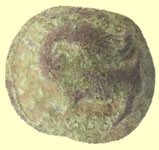
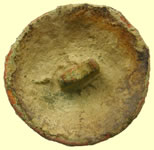
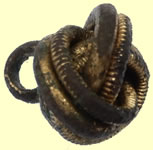
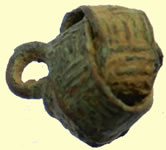
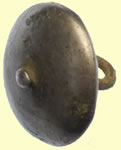
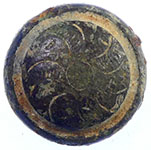
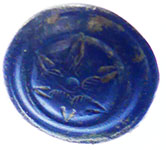
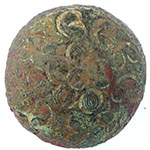
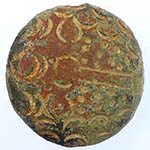
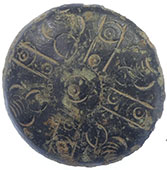
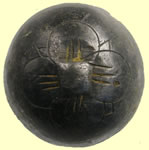
Late 15th/16thC buttons Buttons from this period were not only used for the practical purposes of fastening garments but also purely for decoration. Such false buttons were sewn onto various parts of the garments and even onto hats. Many of the Tudor buttons are primitive in form with crudely shaped loops or shanks. The buttons sometimes have loops that appear far too large for the button and long |
|||
|
|
|||
|
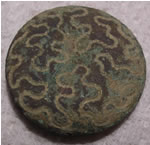
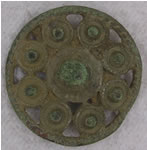
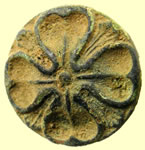
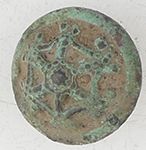
Late medieval buttons
|
|||
|
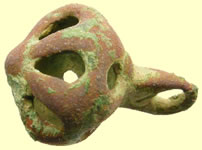
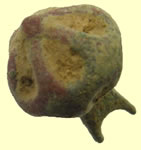
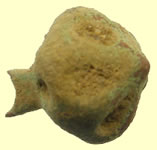
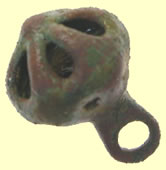
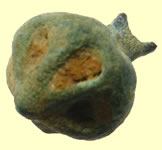
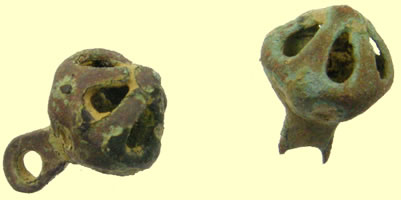
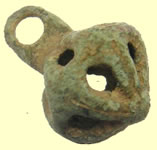
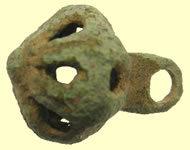
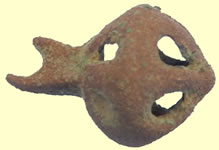
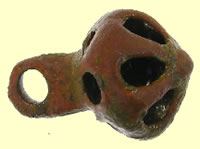
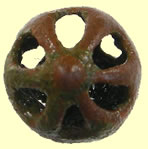
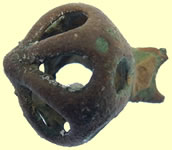
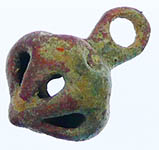
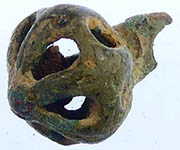
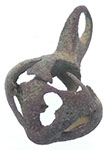
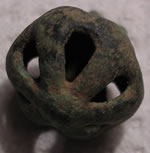
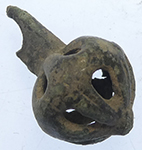
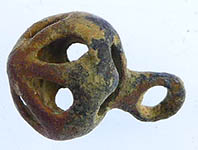
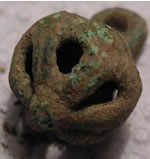
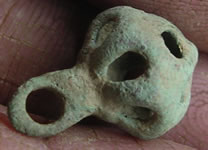
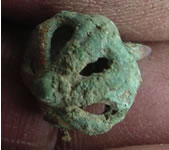
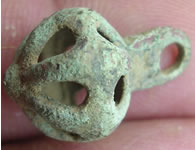
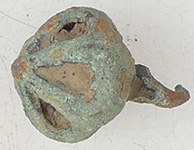
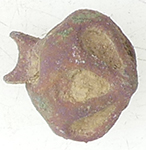
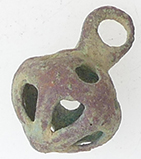
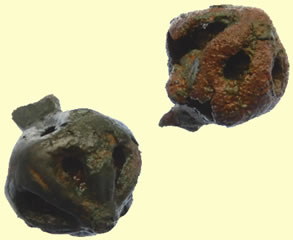
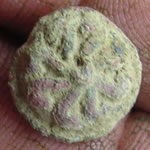
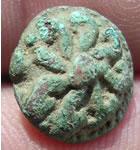
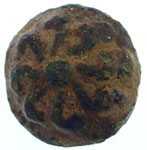
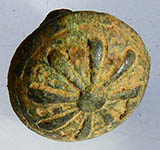
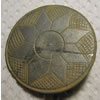
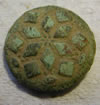
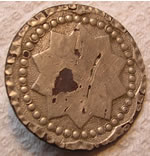
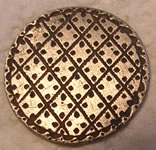
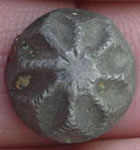
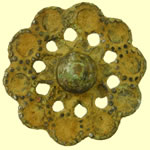
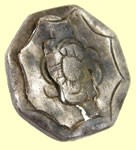
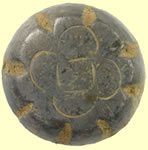
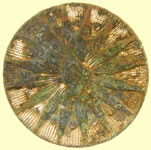
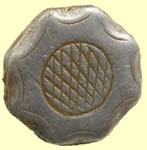
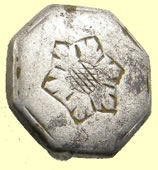
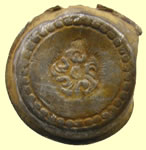
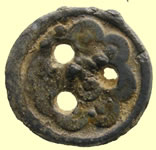
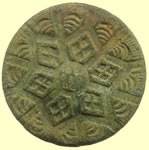
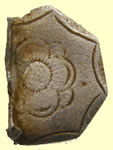
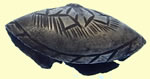
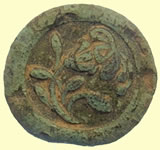
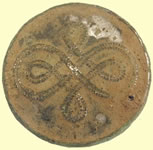
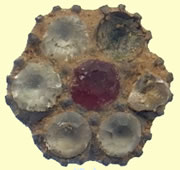
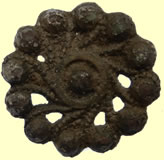
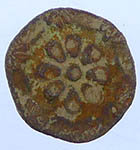
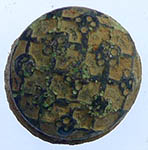
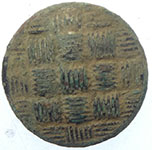
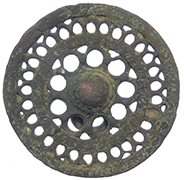
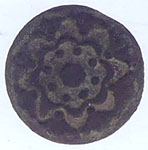
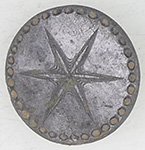
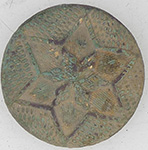
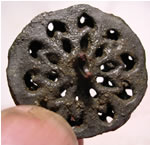
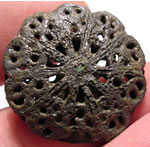
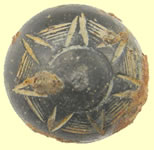
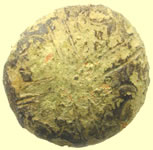
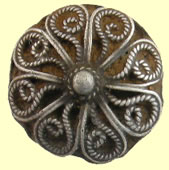
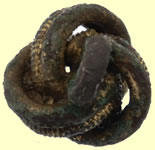
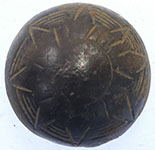
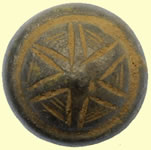
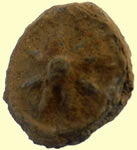
16thC Tudor fretwork buttons |
|||
|
|
|||
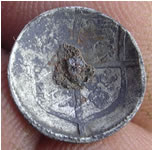
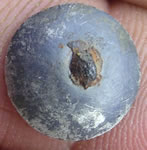
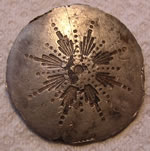
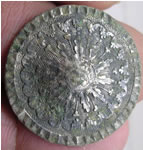
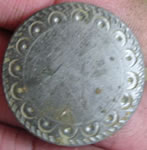
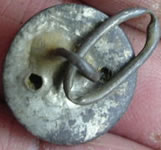
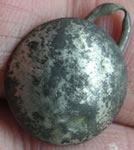
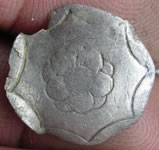
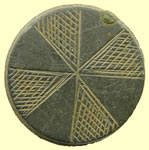
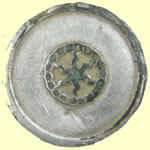
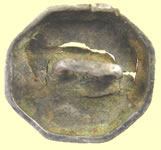
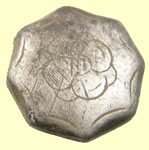
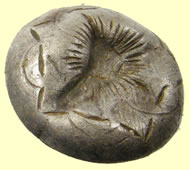
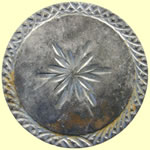
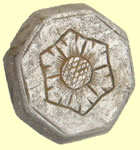
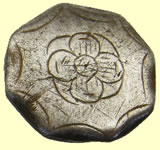
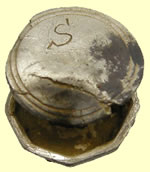
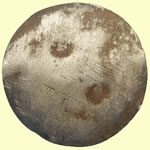
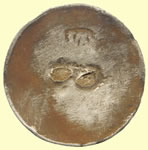
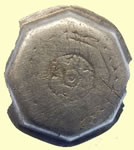
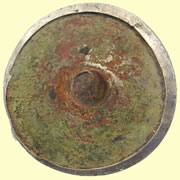
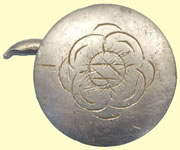
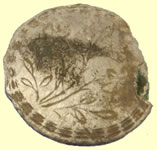
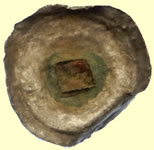
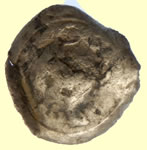
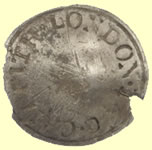
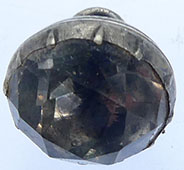
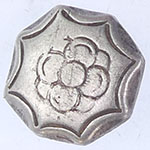
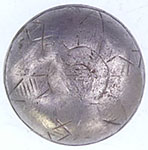
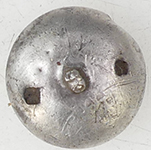
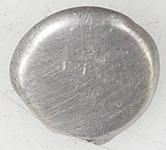
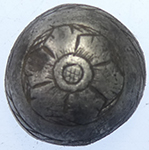
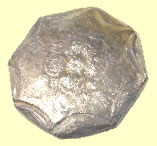
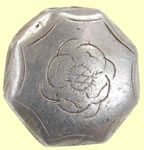
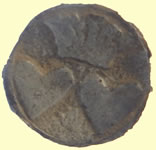
Unknown silver button |
|||
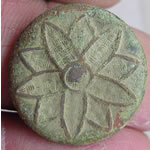
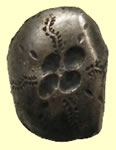
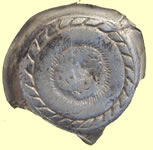
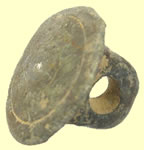
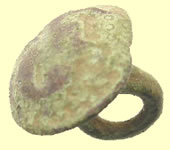
| 16thC Tudor buttons | |||
|
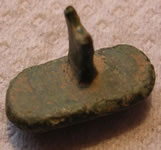
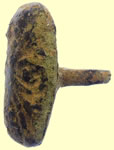
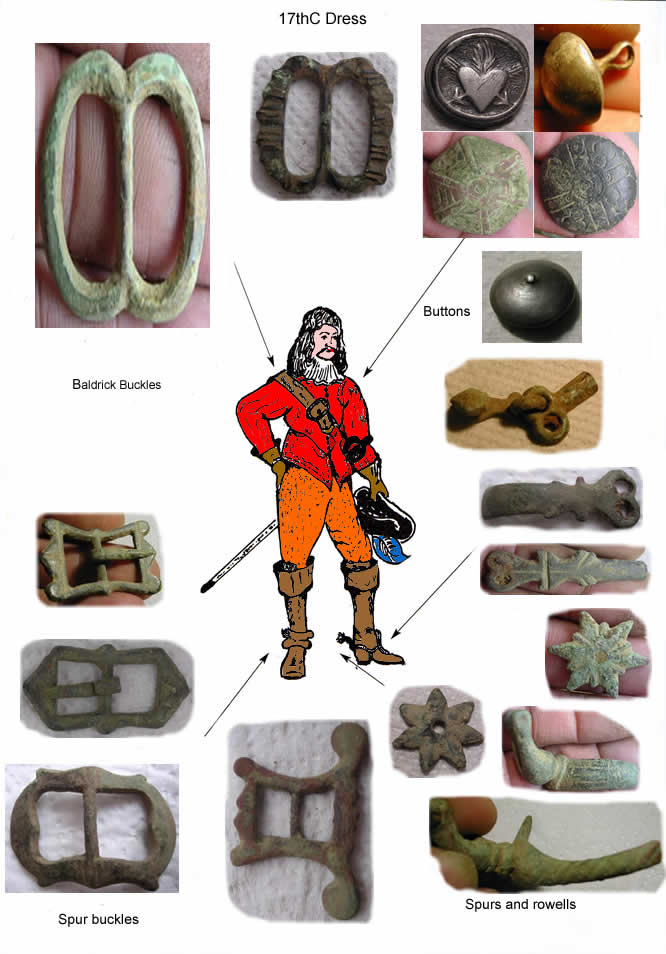
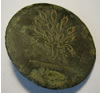
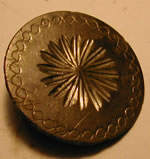
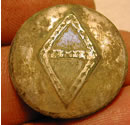
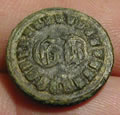
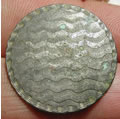
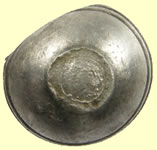
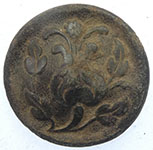
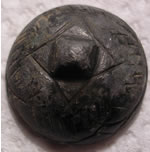
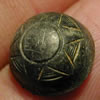
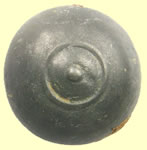
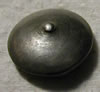
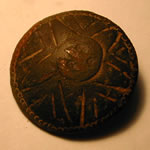
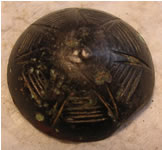
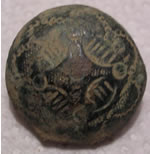
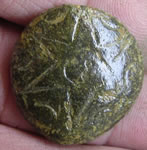
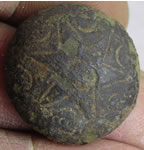
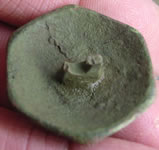
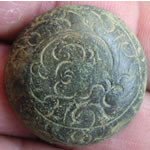
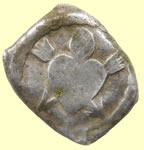
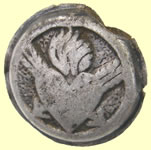
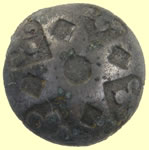
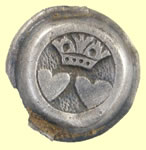
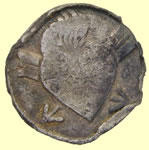
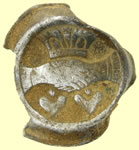
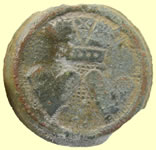
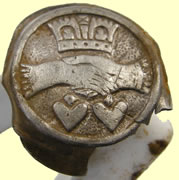
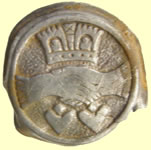
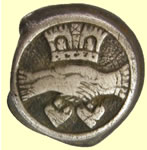
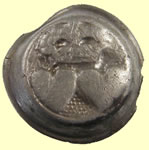
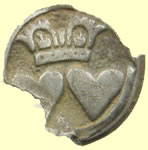
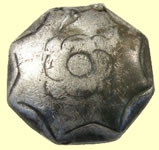
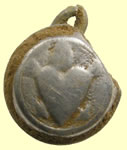
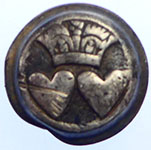
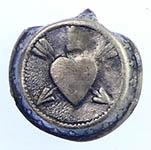
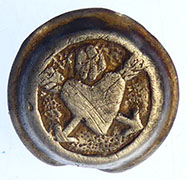
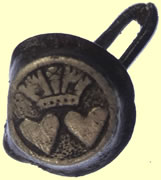
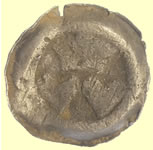
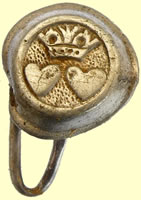
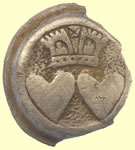
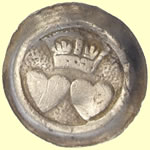
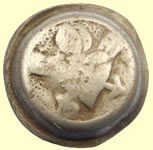
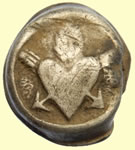
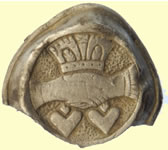
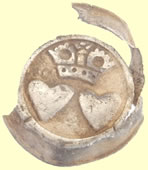
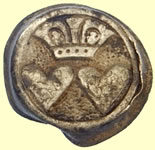
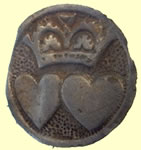
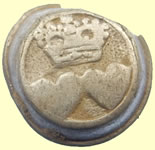
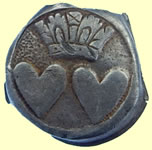
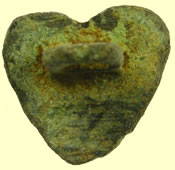
17thC buttons During the 17thC the favourite button was the flat backed nipple type. These are generally associated to the Civil war 1640's. Most are made from pewter and some were made from an alloy of metals known as tombac. The large ornate buttons were those worn by the wealthy. The silver two hearts below a crown appears to have been produced in the 1660's to celebrate the the restoration of the monarchy under Charles II. It is also suggested that the single heart with flame is the celebration of Charles 1st marriage. These are declared treasure and several have been purchased by the local museum for their collection
|
|||
 |
 |
 |
 |
 |
 |
 |
 |
 |
 |
 |
 |
 |
  |
 |
|
  |
  |
||
  |
 |
 |
|
 |
 |
  |
|
  |
 |
 |
|
 |
 |
 |
 |
 |
 |
 |
 |
 |
 |
 |
 |
 |
 |
 |
 |
 |
 |
 |
 |
 |
 |
 |
 |
 |
 |
 |
 |
 |
 |
 |
 |
 |
 |
 |
 |
 |
 |
 |
|
|
 |
 |
|
|
  |
 |
|
 |
 |
 |
 |
 |
 |
 |
 |
 |
 |
  |
|
 |
 |
 |
 |
 |
 |
 |
 |
  |
 |
 |
|
 |
 |
 |
 |
 |
|||
  |
|||
Excellent c 1603 James 1st button - Inscribed James Rex |
|||
|
17thCbuttons The golden age of button's |
|||
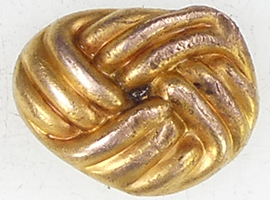
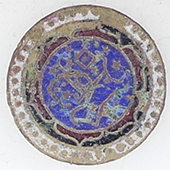
Stunning 17th/18thC enamelled solid gold button - disclaimed and returned to finder 2.78g,15.26mm
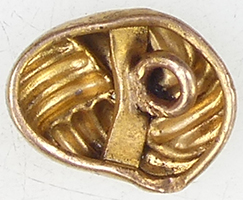
Georgian gold button 1.36g, 14.79mm L x 11.5 mm W
Georgian gold button
Georgian gold button |
|||
|
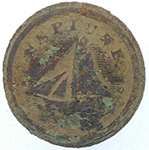
18th/19th C buttons |
|||
  |
 |
||
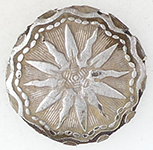
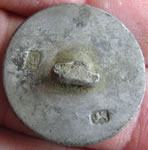
18thC solid silver button with Lion hallmark and markers initials |
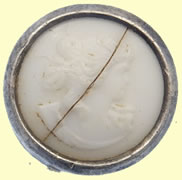
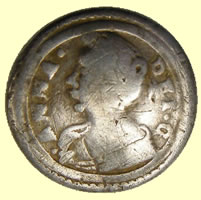
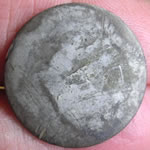
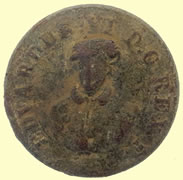
Curious button - clearly marked EDWARDUS VI D.G.REX with the Kings profile implying a date of 1461-1483 but the construction is 19thC
|
||
|
|||
20thC Buttons |
|||
 |
 |
 |
 |
  |
 |
||
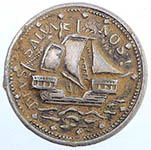
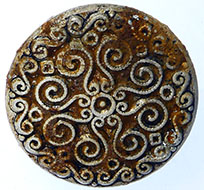
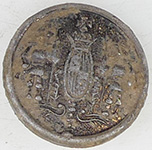
| 20thC buttons | |||