Metal detecting holidays in England with the World's most successful metal detecting club.
Twinned with Midwest Historical Research Society USA
Stone age
|
|
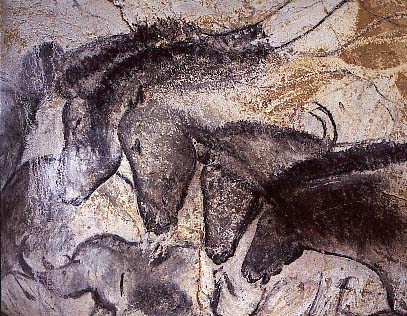
The last Ice Age ended about 10,000 years ago. At that time the British Isles formed a peninsula of continental Europe, and the English Channel was a broad plain. As the ice retreated, people and animals from southern Europe travelled across this plain and made their home in the forests that covered Britain. The first arrivals belonged to the earliest stage of civilisation, the Old Stone Age or Palaeolithic.
They moved over the damp green woodland, stone axe in hand, hunting horses, deer, wild ox, and the few remaining reindeer and mammoths. They lived in caves and temporary camps, had no domestic animals and grew no crops. Meanwhile in the Middle East, people began to experiment with methods of controlling their supply of food. This led to the beginning of farming. |
|
BC
|
Period |
Climate
|
Industry |
Artefacts |
Construction
|
| 12,000 |
End
of Old Stone Age(Palaeolithic) |
Cold |
Hunting |
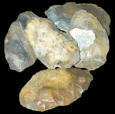
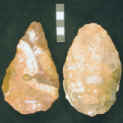
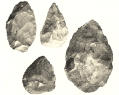
Axes |
Cave
burial |
 |
 |
 |
 |
||
| 11,000 |
Middle
Stone Age(Mesolithic) |
Warm
and dry |
Hunting |
Decorated
bones |
|
|
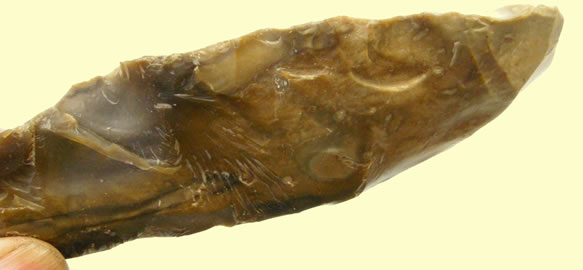
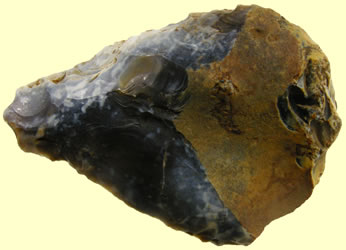
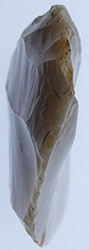
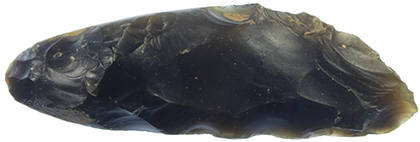
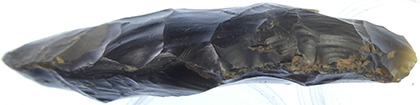
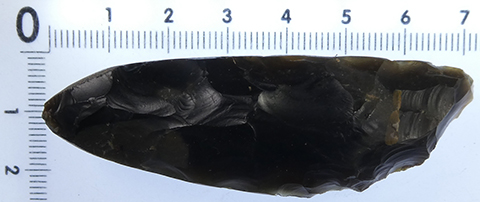
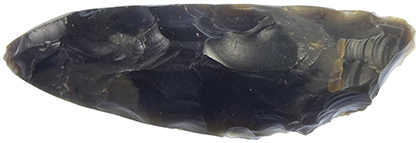
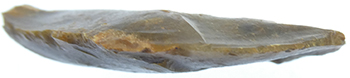
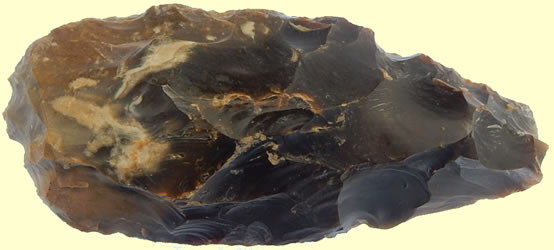
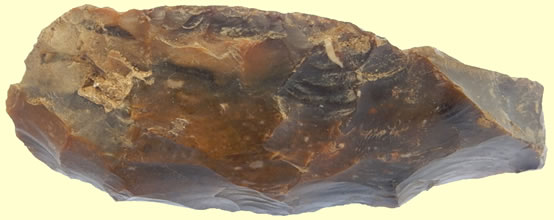
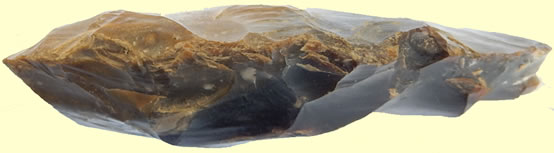
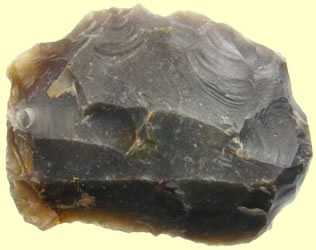
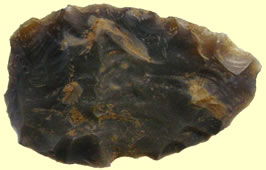
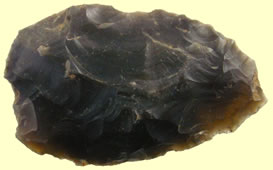
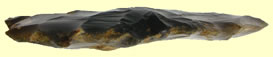
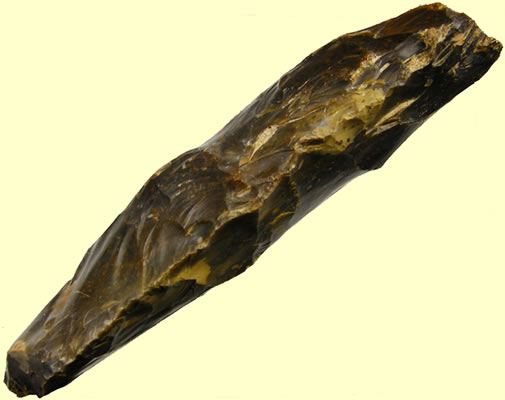
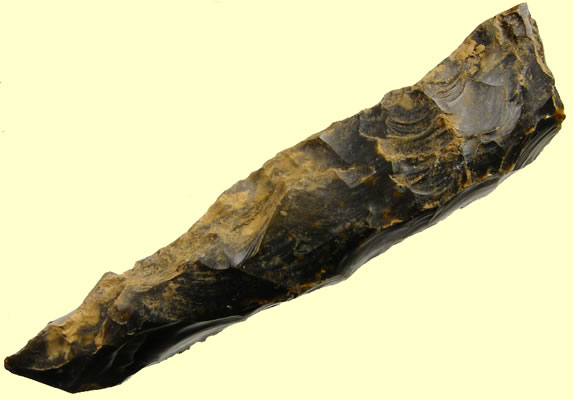
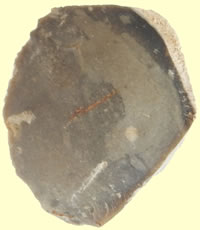
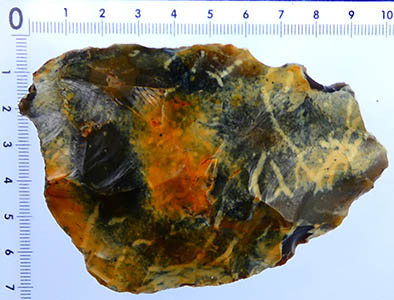
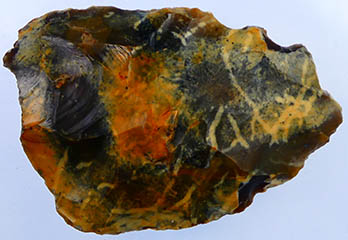
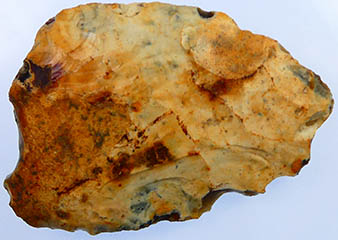
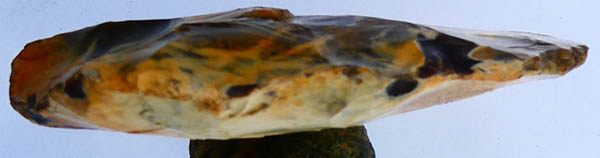
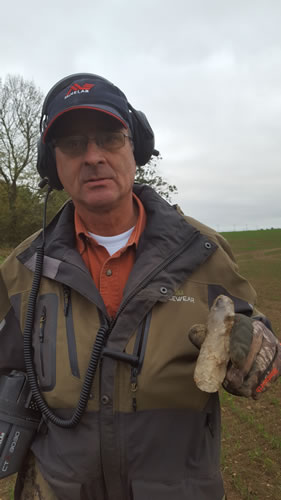
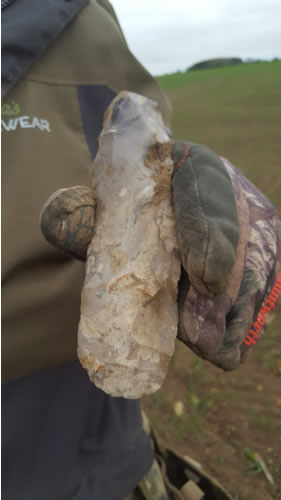
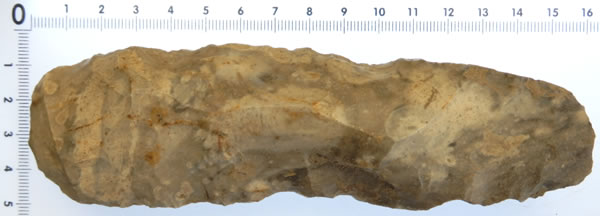
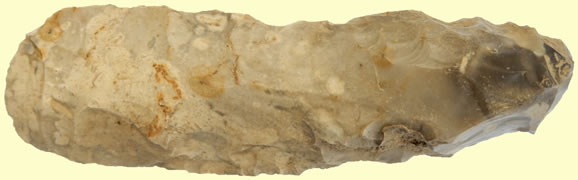
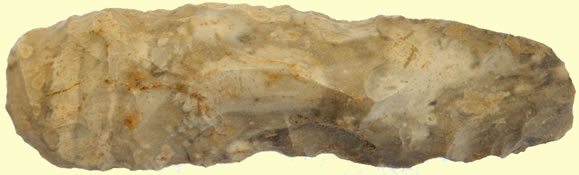
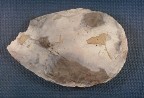
Circa 11000 BC Middle Stone Age (Mesolithic) flint axe head
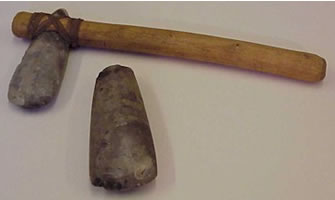
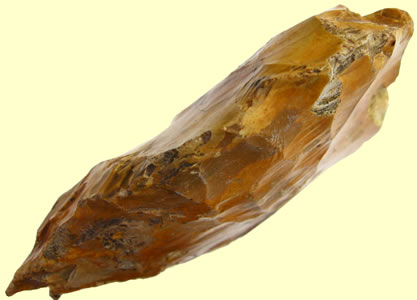
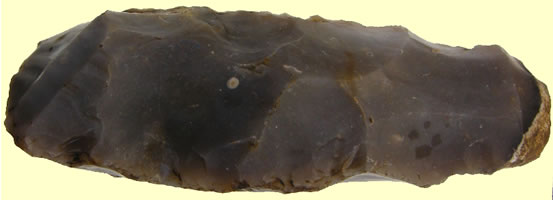
11,000 BC Stone Age axe
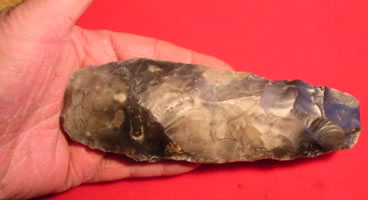
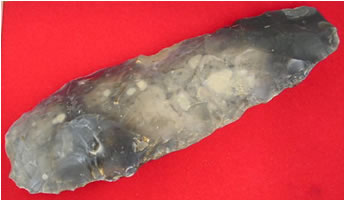
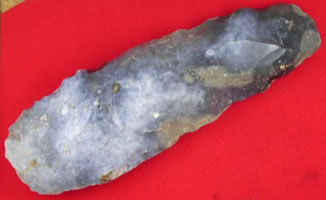
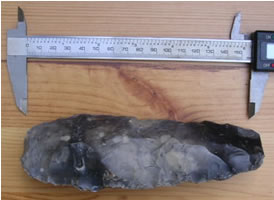
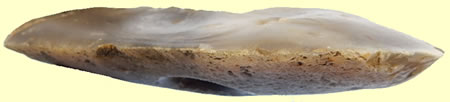
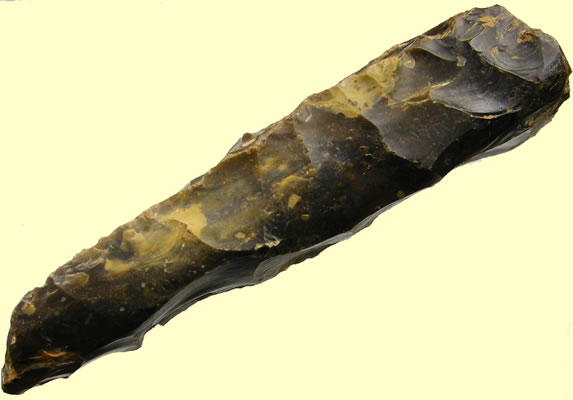
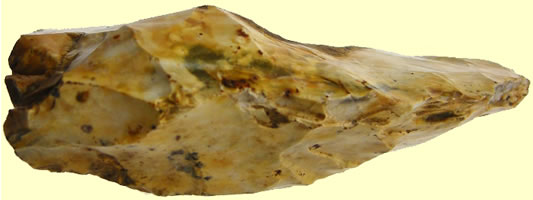
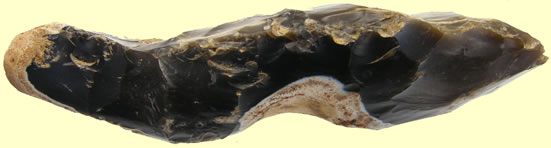
Amazing huge 11,000 Stone Age flint axe head - this is beautifully crafted with a thumb slot for easy holding 155mm L x 48.63mm W
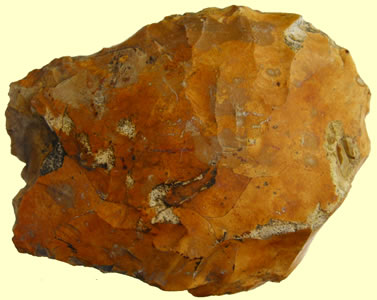
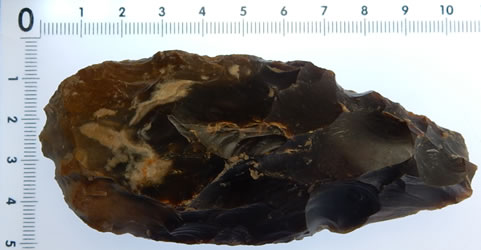
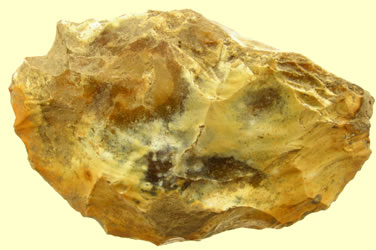
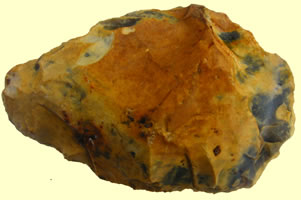
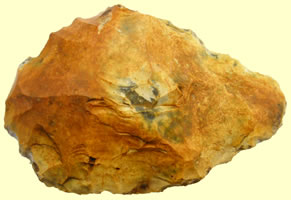
Large 11000 BC flint hand axe - 99mm L x 80mm W
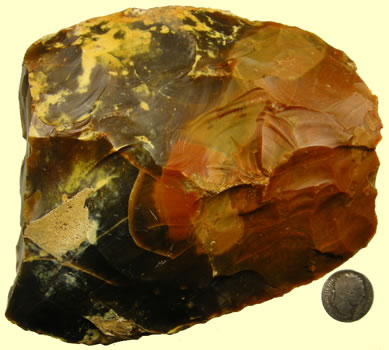
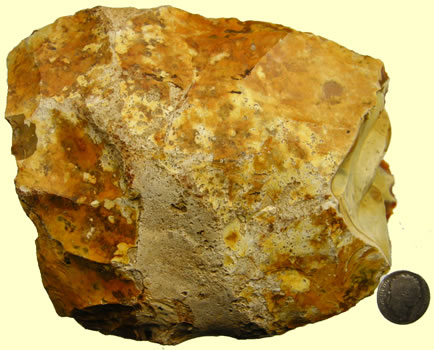
The biggest 11,000 BC Stone Age battle axe I have ever seen, that is a George III sixpence below to show you some idea of the scale of this find. Monster find 113.57mm Long x 105.72 mm W
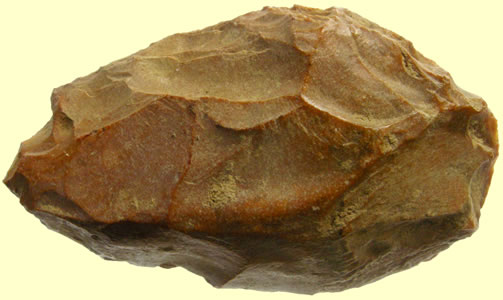
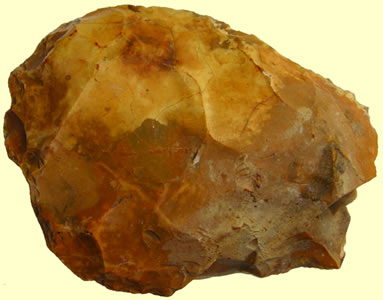
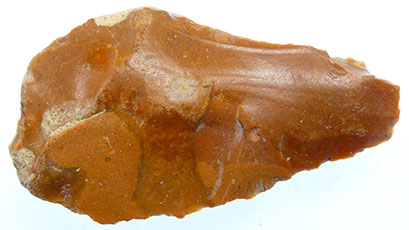
11,000 BC flint hand axe
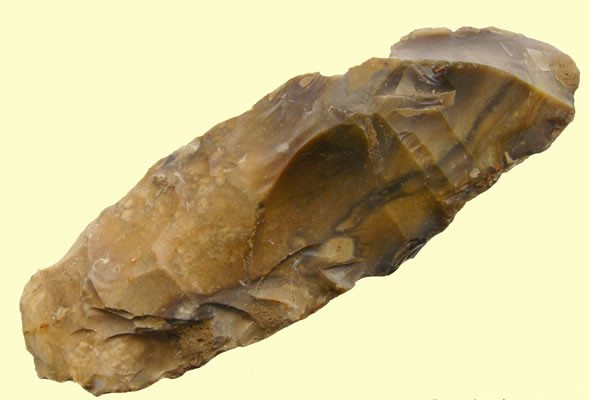
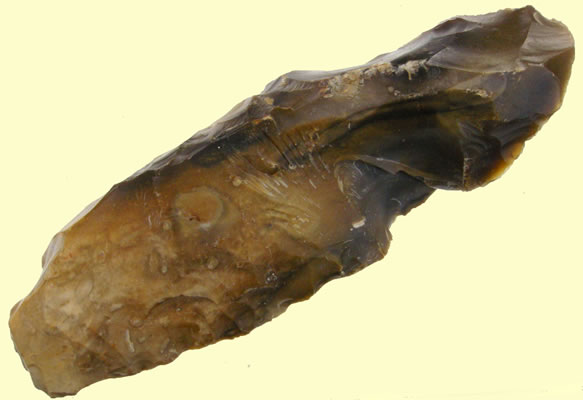
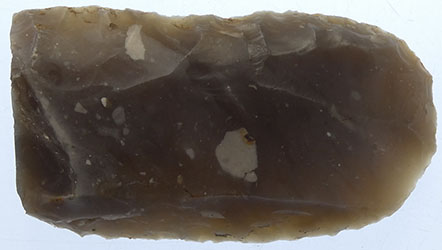
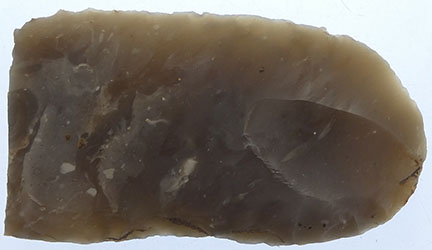
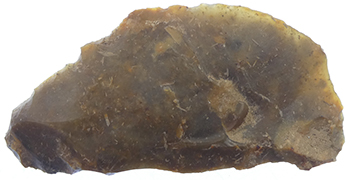
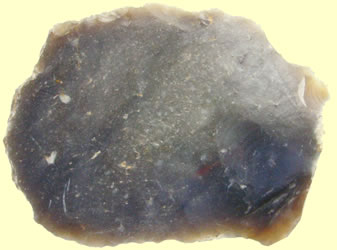
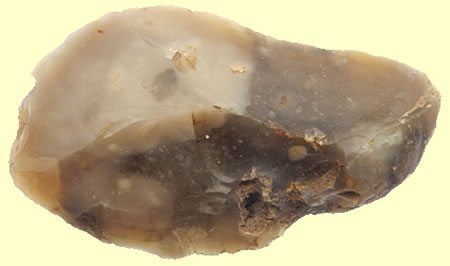
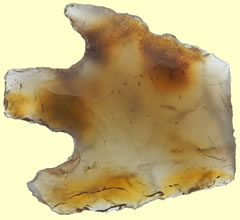
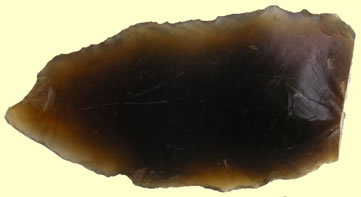
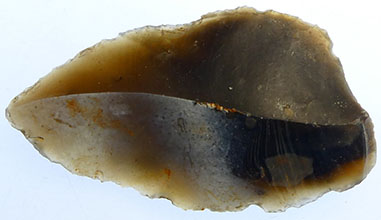
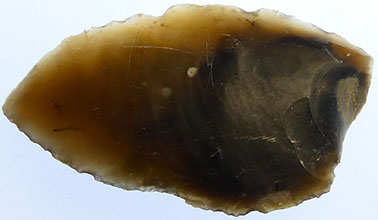
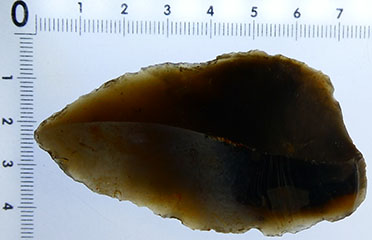
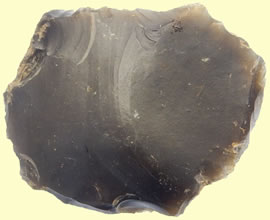
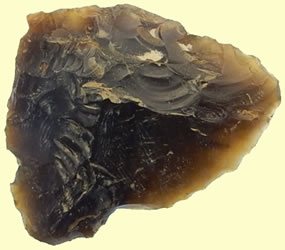
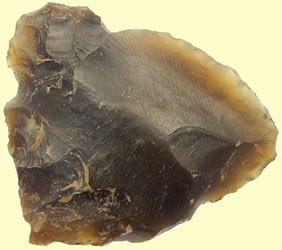
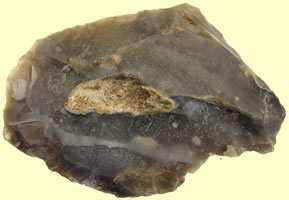
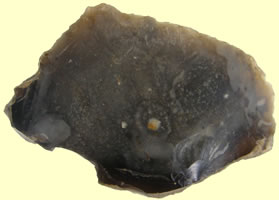
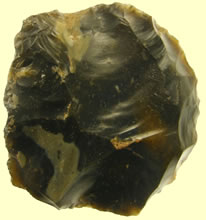
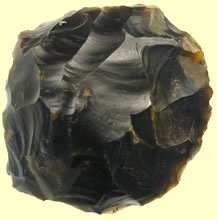
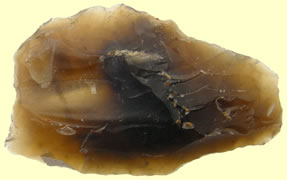
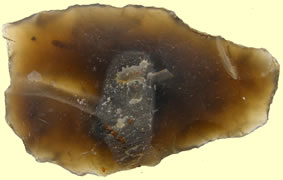
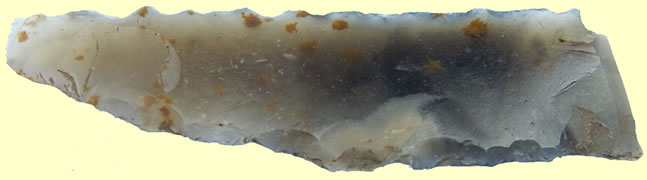
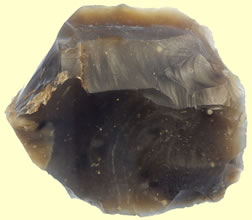
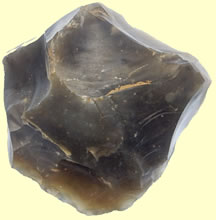
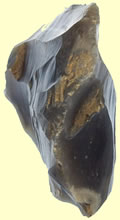
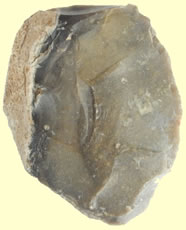
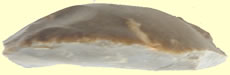
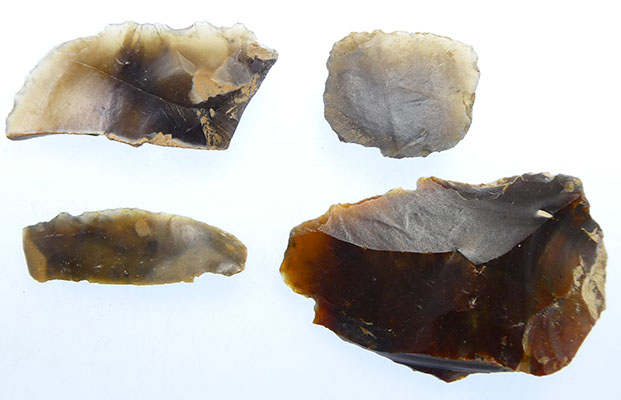
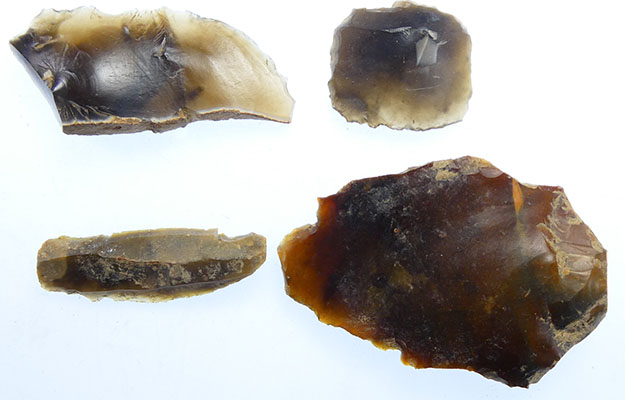
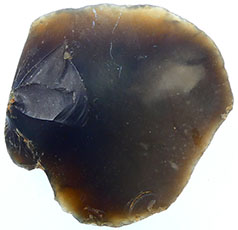
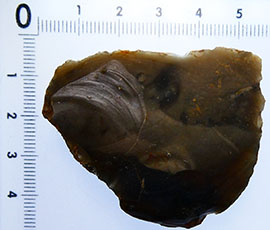
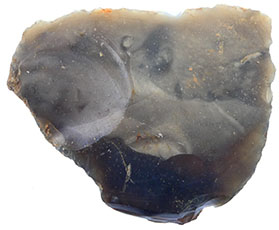
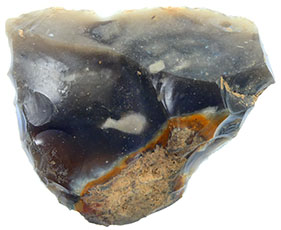
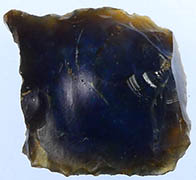
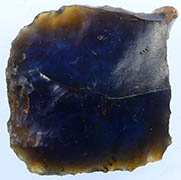
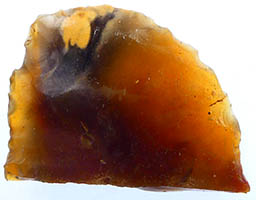
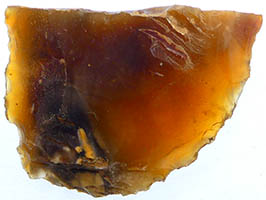
11,000 BC flint scraper
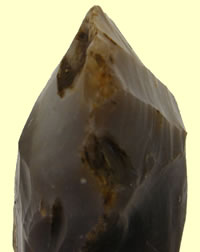
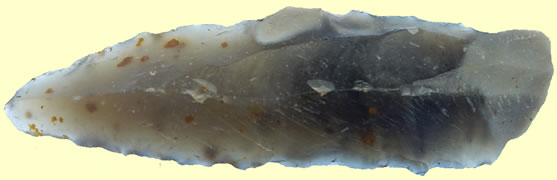
11,000 BC flint spear head
11,000 BC flint scraper
11,000 BC flint axe head
Large 11000 BC flint scrapers
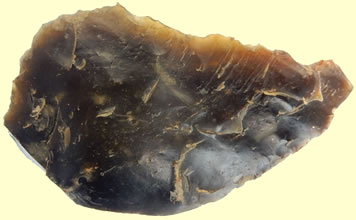
11,000 BC Stone Age flint scraper
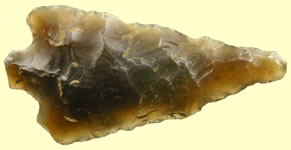
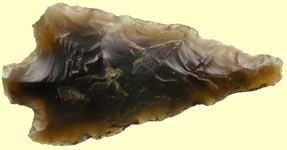
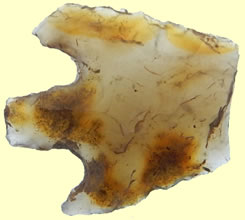
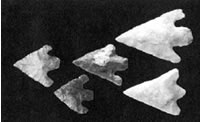
8000BC flint arrow heads
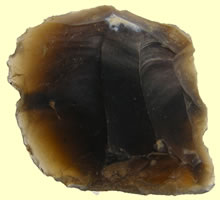
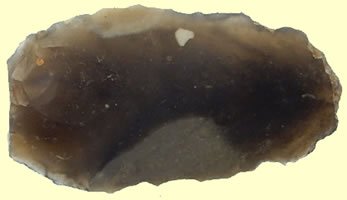
11,000 BC flint scraper
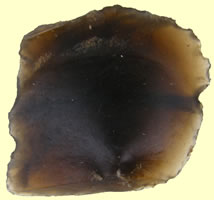
11,000 BC flint scraper
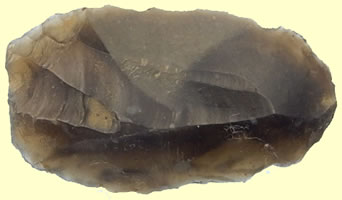
11,000 BC flint scraper
11,000 BC flint scraper
11000 BC Stone Age flint scraper
11000 BC Stone Age flint scraper
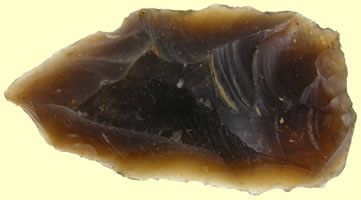
11,000 BC Stone age flint spear head 56.35mm L x 35.64mm W
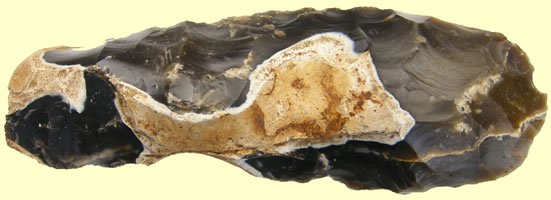
Biggest 11,000 BC flint axe head I have ever seen - it is a monster and weighs 580g, 220mm L x 54.6 mm W
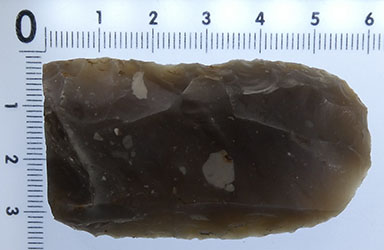
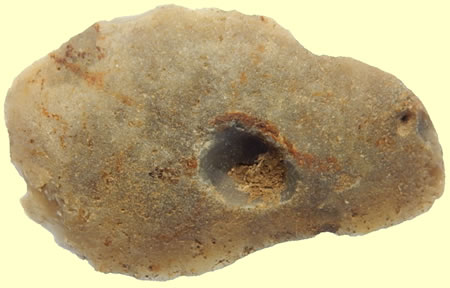
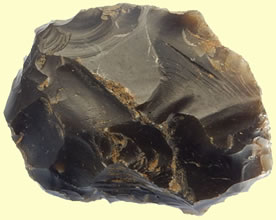
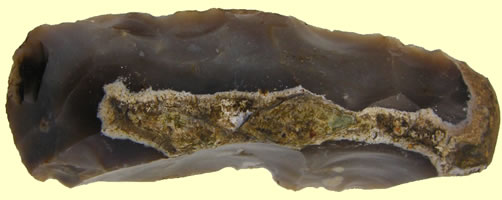
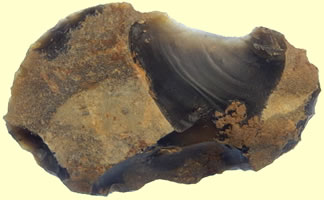
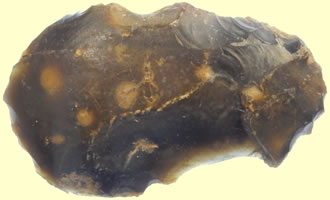
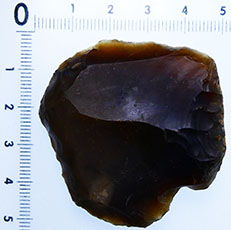
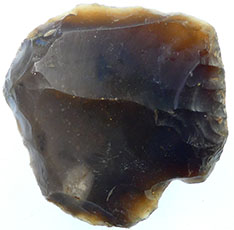
Large 11,000 BC flint core scraper 85.56mm L x 56.59 mm W
11,000 BC flint scraper
11,000 BC flint scraper 47.47mm L, 47.63g
11,000 Stone Age flint scraper
Huge 11,000 BC flint hand axe - 100 mm L x 70.49 mm W Middle Stone Age(Mesolithic)
Huge 11,000 BC flint axe head 1660 mm L x 54.82mm W x 29.22 mm T
Stunning 11,000 BC Stone Age flint axe head 1300 mm L x 50mm wide
11,000 BC flint scraper
11,000 flint scraper
11,000 flint scraper
11,000 flint scraper
11,000 BC flint scraper
11,000 BC flint scraper
11,000 BC flint scrapers
11,000 BC flint scrapers
11,000 BC flint axe head
11,000 BC flint scrapers
Miss Jeff eyeballed a Circa 11000 BC Middle Stone Age (Mesolithic) flint axe head
|
|||||
 |
 |
||||
| 8000 |
The
dog domesticated |
Warm
and dry |
|||
| 7500 Britain separated from Continent | |||||
|
Stone age 6000 BC core scraper found by Alaskan George |
|||||
| 4500 |
New
Stone Age (Early Neolithic) |
Warm
and dry |
Introduction
of farming |
Pottery , stone axeheads |
Monumental
tombs, Portal dolmens |
|
|
|||||
| 4300 Earliest causewayed camps and long barrows | |||||
| 3600 |
Middle Neolithic |
Warm
and dry |
Stone
quarrying |
Arrowheads |
Passage
graves |
| 3500 |
Earliest henges |
Warm
and dry |
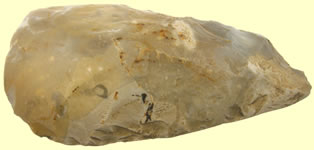
Canadian Rod's 3500 BC Neolitic stone axe |
||
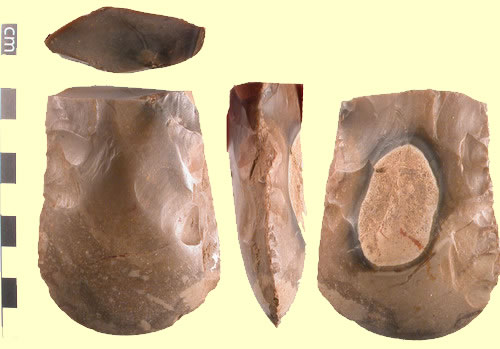
Neolithic (3500-2100BC) polished axe head, knapped from mid-grey flint. The surface of the axe is not fully polished, leaving a large amount of scaring along the edges of the axe from the shaping process. The butt end is damaged and incomplete, and the break appears worn. There is a partial hinged termination where the axe has been broken. The cutting edge is in good condition along most of its length, with a few small breaks to one side. The blade itself is not worn. The axe has a double convex cross section. In profile, the axe is widest towards the cutting edge, tapering in thickness towards the break. The axe is 78.74mm long, 57.08mm wide at the blade end and 44.85mm wide at the broken butt end. It has a maximum thickness of 22.56mm. Weight 124.31 grams. Found by Texas Rob |
|||||
| 2900 |
Late Neolithic |
Drier
and warm |
Pottery
and grooved ware |
Henges,
timber circles, early individual graves |
|
| 2800 Stonehenge first phase |
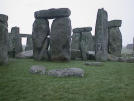 |
||||
 |
|||||