Metal detecting holidays in England with the World's most successful metal detecting club.20 years plus.
Twinned with Midwest Historical Research Society USA.
 |
||||||||||||||||||||||||||||||||||||||||||
|
Saxon/Viking History and artifact finds |
||||||||||||||||||||||||||||||||||||||||||
|
Saxon harness fittings now have their own page Saxon coin are now on a new page
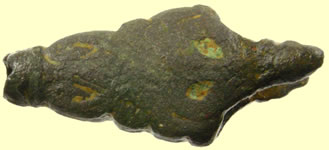
Saxon Bronze ornamental plate
The
Angle, Saxon, and Jute tribes who invaded Britain in the 5th and 6th
centuries are known as the Anglo-Saxons. They left their homelands in
northern Germany, Denmark and northern Holland and rowed across the
North Sea in wooden boats.
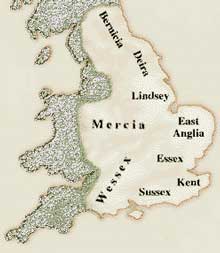
The Anglo-Saxons took control of most of Britain, although they never conquered Scotland, Wales and Cornwall. They divided the country into kingdoms, each with its own royal family. The stronger kingdoms often took control of the weaker kingdoms. By around AD 600 the five main Anglo-Saxon kingdoms were Northumbria, Mercia, Wessex, Kent and Anglia. |
||||||||||||||||||||||||||||||||||||||||||
|
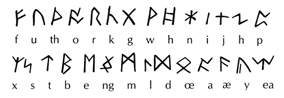
Early Anglo-Saxons wrote using letters called runes. They believed runes had magical powers. |
||||||||||||||||||||||||||||||||||||||||||
|
Anglo
Saxon England (597 - 687) |
||||||||||||||||||||||||||||||||||||||||||
|
Mercian
Rule
Wulfhere
658-675 Under Wessex Rule 828-830 Mercian Rule Wiglaf
(again) 830-840 Sub-Kings under Norse Rule Ceolwulf II 874-879 Mercian Rule Aethelred II 879-884
|
||||||||||||||||||||||||||||||||||||||||||
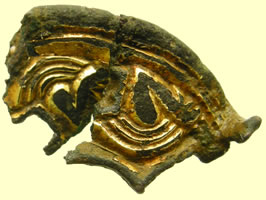
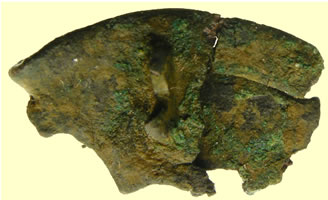
weight: 10.42 g Saxon (c.550-650AD) dagger pommel Late 6th or early 7th century gold sword pommel cap. High cocked hat form decorated with panels of beaded wire filigree in a zoomorphic pattern and quatrefoil knots. This pommel, a cap that sits on the end of a sword's handle, is made of gold and covered in an intricate filigree decoration. Filigree is the technique of adding twisted metal wire or droplets of metal to create a twisted design. It was found to the north of Colchester in Ardleigh. There is little archaeological evidence from the Anglo-Saxon period in Colchester, though we know people lived in and around the town. The Ardleigh pommel is an exceptional item that would have once belonged to a wealthy and important Anglo-Saxon leader. Discovered by a metal detectorist, it was purchased by the museum to preserve it. Because early Anglo-Saxon finds in the area are quite scarce, this piece serves as tangible proof of a wealthy, important leader. The Ardleigh Pommel is beautifully crafted and would have capped the end of a warrior's sword hilt, acting as an important decorative and functional counterbalance. Goldwork from this period in the UK is virtually unknown, making it one of the most treasured artifacts in the museum's early medieval collection On Display - Castle, Colchester
Cleaned up Saxon rope necklace end - single rivet fixing Beast with large bottom jaw, large nose, recessed eyes with his head resting on his paw left - rear shows curled up spiralled tail. Rope necklace is still embedded in end
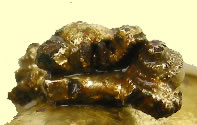
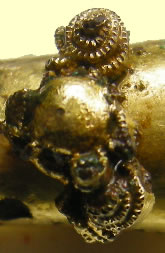
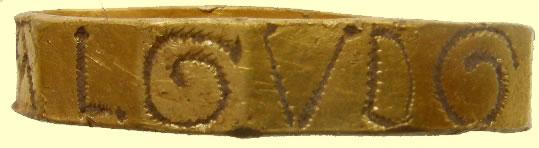
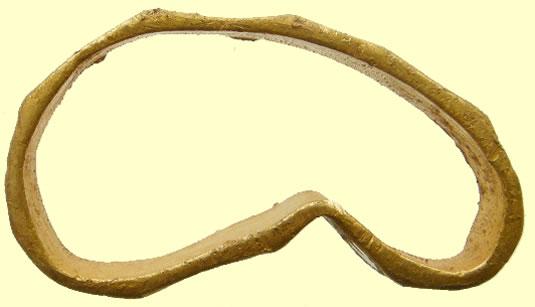
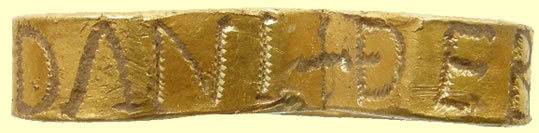
Monster find - Early medieval gold ring - reported as treasure to museum Interesting hand punched lettering which has a barred A with additional top bar like on short cross coins of Class7 and an unbarred A also on the ring. "DEBAL GUD GUDANI +" which is Gothic, meaning "God of Gods" G is classic Saxon design
4.22g, 4.49mm H x 22.59mm W
9th-10thC Viking gold finger ring - aquired by museum 2.05g, 10.33mm W
Gold bead found in 2022 and reported as treasure is ID'd as Saxon and aquired by museum - great find BEADUnique ID: ESS-E72093 Object type certainty: Certain A complete gold bead of probable early medieval date (c. 600-700). Description: The bead is lentoid and has a circular aperture running through its centre, length-wise. There are some small cracks to the surface. Measurements: length: 9.64mm; diameter: 7mm; weight: 1.09g Discussion: Biconincal beads are known from high status Anglo-Saxon burial contexts and acted as 'spacer' beads in necklaces. These are constructed from coiled wire however, with one example recorded on the database being constructed in this way and then polished mostly smooth (WMID-033CC3). This was dated to the 7th century and thus submitted for the consideration as Treasure on the basis that the material, form and method of manufacture was similar to the coiled wire examples. There is no apparent evidence that the head recorded here was made in the same way, but the form does suggest a similar date. BERK-5FD5D1 also recorded on the database and submitted for the consideration as Treasure has also been dated to the 7th century on this basis. Conclusion: It is therefore likely that this object was at least 300 years old at the time of discovery and as the object is made of more than 10% precious metals, it constitutes potential Treasure under the stipulations of The Treasure Act 1996.
Huge Saxon/Viking medallion 11.20g, 27.95mm
Stunning 11thC late Viking buckle - two biting beasts gripping the cross bar of the buckle
Viking Penannular Brooch Date: 10th–11th century Culture: Scandinavian or Baltic Medium: Copper alloy, cast (loop) - knopped ends 52.83mm H v x 42,5 mm W x 3.7mm T
Monster find - circa 8thC Anglo Saxon mount Black enamel with silver inlay 40.28mm high
Stunning enamelled Saxon mount
Saxon gold 'Flat type' pin head back- reported as treasure to museum 0.94g, 10.35mm
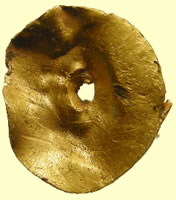
Ancient gold sheet - reported as potential treasure to museum 5.23g, 14mm L
C6thC Saxon gilded disc brooch Anglo-Saxon 'Class Ai' Button Brooch
What a stunning find - soaking to remove the soil - each raised section is 4mm deep Not an obvious fixing for a brooch, more like a mount. Nothing so far in my reference books, at a guess Early medieval in date 36.6mm high, 7.16mm thick, 16.17g Initial ID from the museum is early medieval also. |
||||||||||||||||||||||||||||||||||||||||||
Large C8thC Saxon mount
|
||||||||||||||||||||||||||||||||||||||||||
61.54mm L x 35.8mm W, 54.89g Stunning early medieval dagger quillion - finger guard is decorated with a runic inscription I checked all the runic styles and it matches Norwegian the best - one for the museum Norwegian Futhark
Saxon
|
||||||||||||||||||||||||||||||||||||||||||
  |
||||||||||||||||||||||||||||||||||||||||||
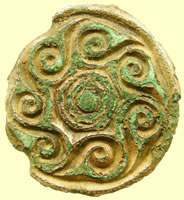
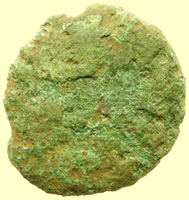
5th-6th century AD Saxon gilded saucer brooch - running spiral design East Anglian type- donated to Colchester museum |
||||||||||||||||||||||||||||||||||||||||||
|
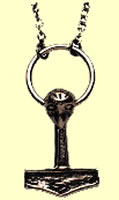
Thor's hammer pendant - silvered base metal 2.45g - 22.59mm L Museums feedback 'The pendant is Viking period, so 9th-11th century. It represents Thor’s hammer which was called Mjollnir. I would suggest that it is Scandinavian rather than a copy, as it is securely placed within Viking mythology.'
Viking Age 1000AD. This particular Thor's Hammer pendant was found in Mandemark on the island of Møn and is displayed in the National Museum, Copenhagen, Denmark. |
||||||||||||||||||||||||||||||||||||||||||
|
||||||||||||||||||||||||||||||||||||||||||
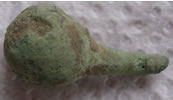
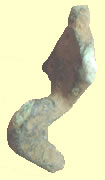
Saxon solid gold hanging pendant - 2.65g, 11.95mm H x 10.68mm dia x 11.68mm W ID'd as Roman gold button |
||||||||||||||||||||||||||||||||||||||||||
 |
  |
|||||||||||||||||||||||||||||||||||||||||
|
8thC
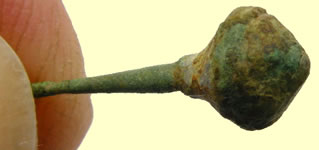
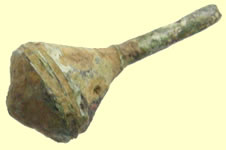
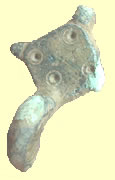
Saxon pin head- 4.05g, 9.47mm dia, 19.05mm L |
8thC
Saxon bronze brooch 3.80g, 25.46mm L 15.24mm W |
|||||||||||||||||||||||||||||||||||||||||
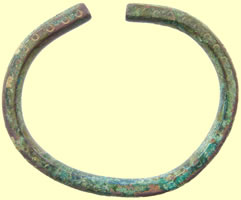
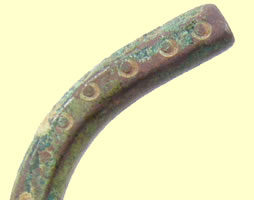
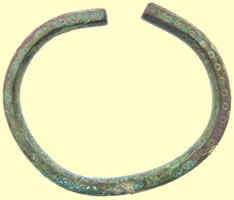
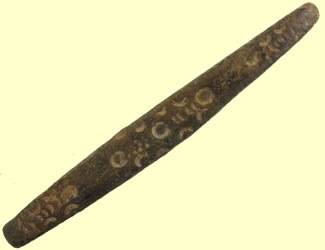
Saxon wrist band with punched circle design - 63.87mm W x 4.92mm T
Huge C 9thC Viking 'Ladder of life' strapend - theses are know for being unusually large 70.23mm L x 28.15mm W, 43.24g
|
||||||||||||||||||||||||||||||||||||||||||
|
|
||||||||||||||||||||||||||||||||||||||||||
|
9thC Viking engraved silver strap end 5.82g, 44.44mm L x 11.91mm W Decoration matches the bowl on the left which is part of a known Viking silver hoard |
||||||||||||||||||||||||||||||||||||||||||
|
C10thC Anglo Saxon strap end 18.48g, 34.41mmL x 18.33mmW x6.53mm H Only one of it's type found in Britain - donated to Colchester museum by NovaScotia Andy 'It is probably an insular copy of a Carolingian style, or it could even be the product of a workshop located on the fringes of the Carolingian continent, maybe somewhere like Domburg on the coast of Frisia. 10th - 11th century in date'. |
||||||||||||||||||||||||||||||||||||||||||
|
5thC bronze decorated dagger guard or quillion 42.87mmL ,10.85mm H |
||||||||||||||||||||||||||||||||||||||||||
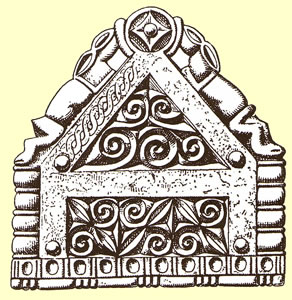
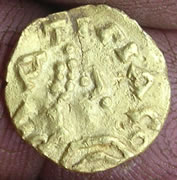
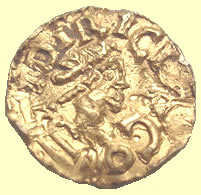
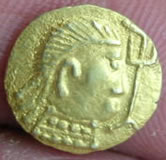
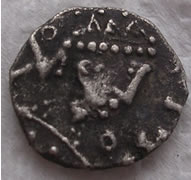
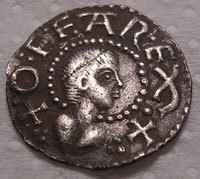

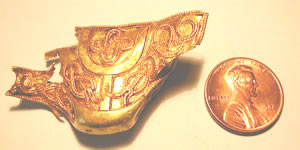
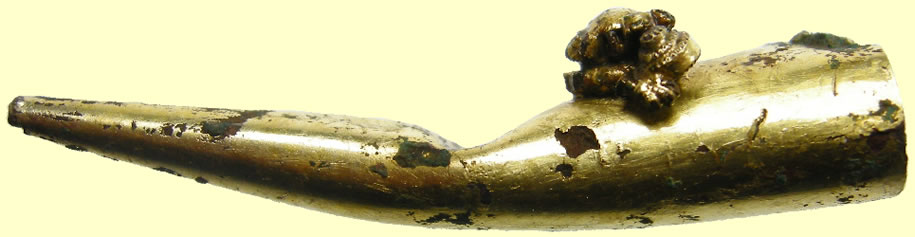
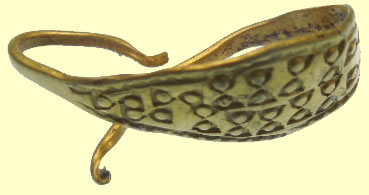
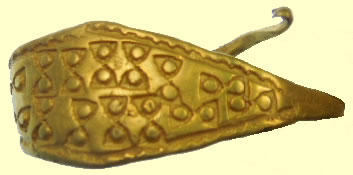
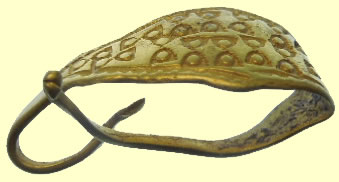

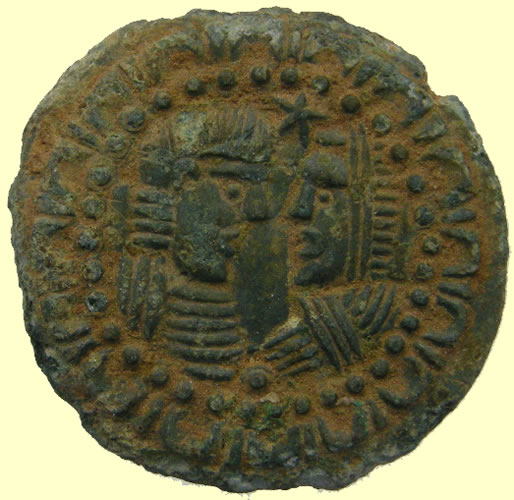
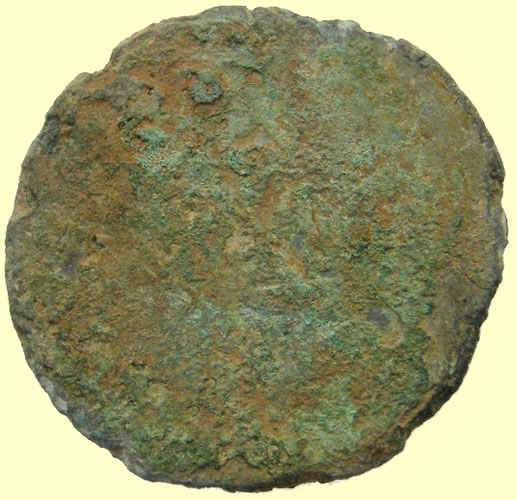
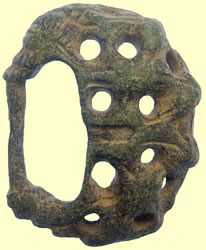
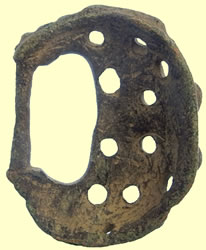


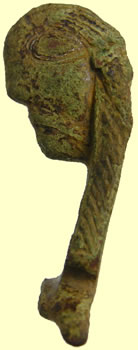
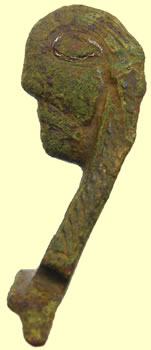
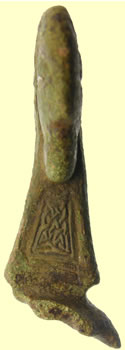
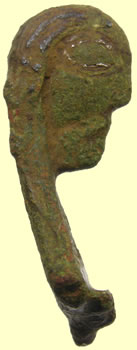
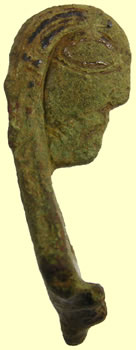
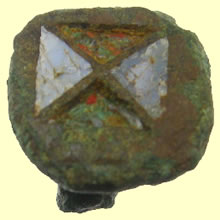
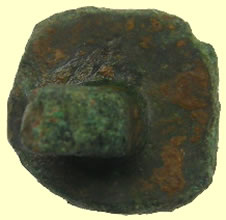
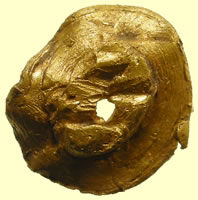
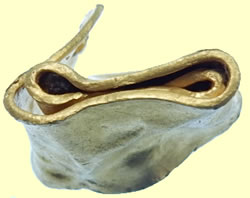
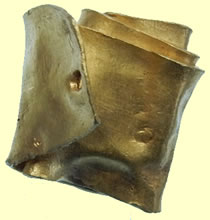
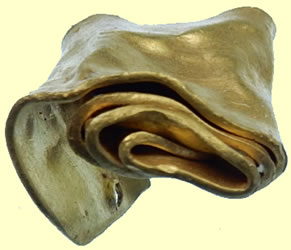
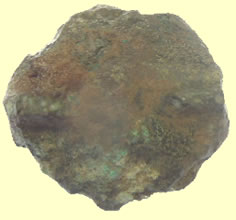
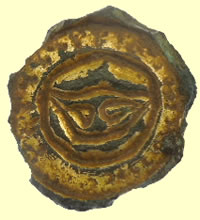
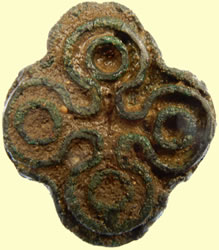
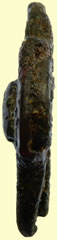

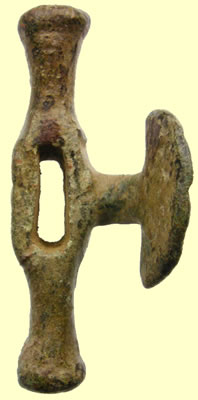
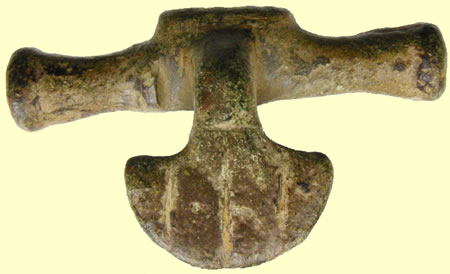

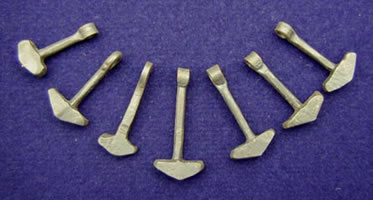
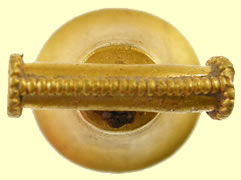
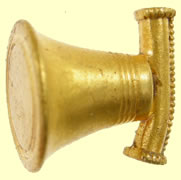
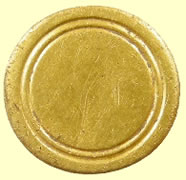
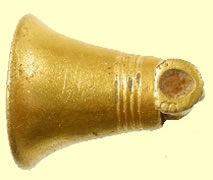
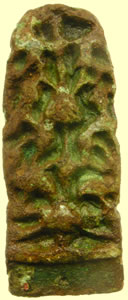
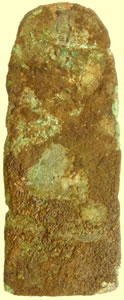
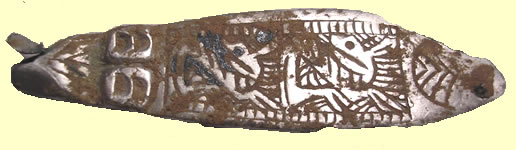
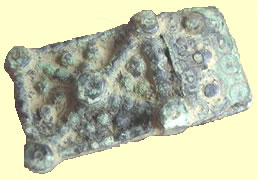
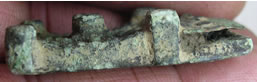
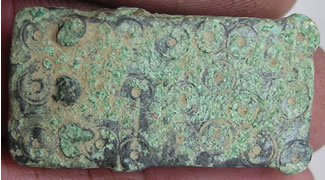
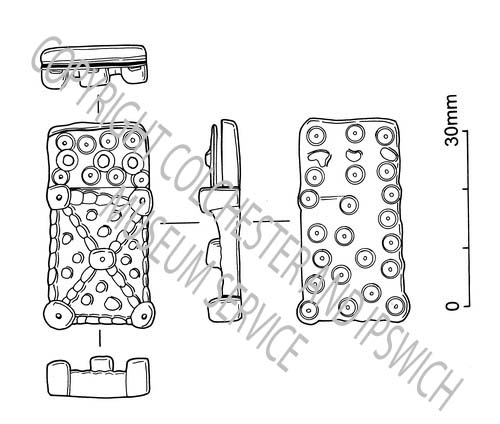
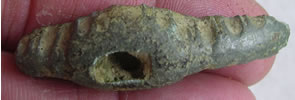
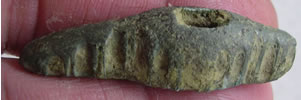
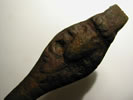
Saxon gilded and decorated hanger |
|||
 |
 |
 |
 |
|
9thC hanger
with face design(b) found by Essex Dave |
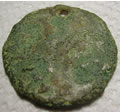
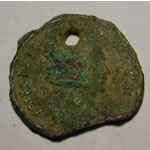
Roman coin
used as a Saxon pendant |
||
 |
 |
 |
|
|
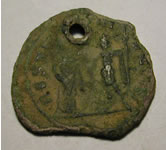
4thC Roman
bronze used by an 8thC Saxon as a pendant |
8thC
Saxon key found by Cal Shawn |
||
 |
 |
 |
|
|
Saxon period
decorated mount |
Saxon 8thC
pin head |
9thC Bronze
silvered Saxon strap end fragment 9.54g, 27.89mm L |
|
|
|||
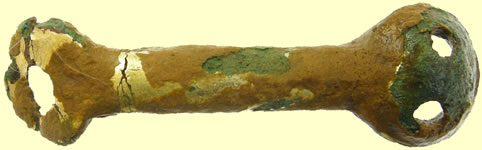
circa 10thC Saxon bronze key - decorated |
|||
 |
  |
||
|
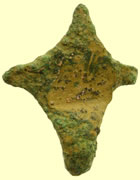
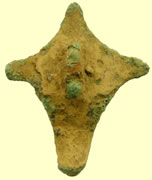
Saxon
equal ended brooch fragment |
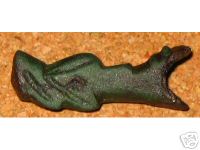
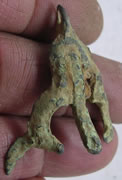
Saxon
equal ended brooch fragment |
||
  |
 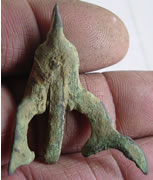 |
||
|
Viking
stirup terminal |
Anglo
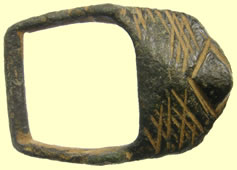
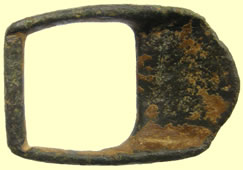
Saxon period buckle with central pivoted pin |
||
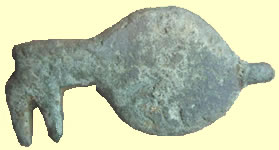 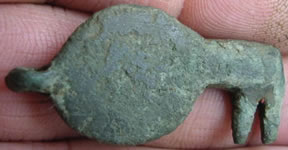 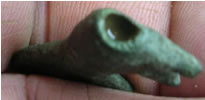 |
|||
|
C10thC
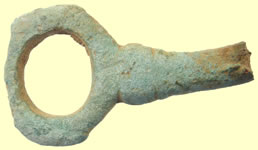
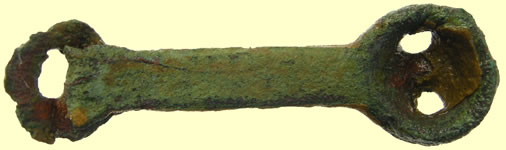
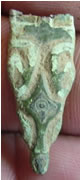
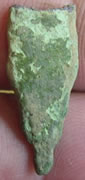
Saxon bronze key 10.41g, 40.88mm Lx19.58mm W x 6.30mm T |
|||
  |
|
||
|
C 8th/9thC
decorated Saxon strap end fragment - 3 rivet fixings 1.53g, 23.38mm
L x 9.97mm W
|
Saxon
period item - decorated with iron shaft running through it - possible
small knife handle - one for the museum
11.04g,
26.80mm L x 14.28mm dia |
||
  |
|||
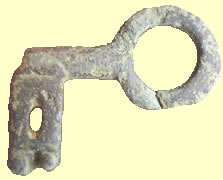
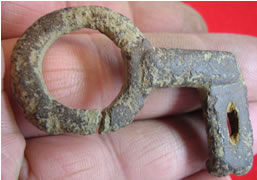
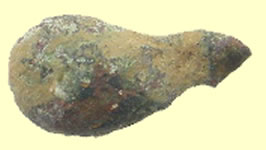
C 10thC Saxon key |
|||
 |
  |
||
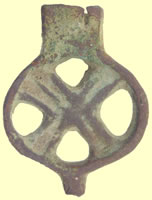
Saxon pin head - ridge on shaft |
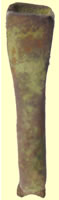
C10C Saxon key handle |
||
  |
  |
||
Saxon key - pendant type |
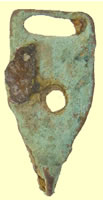
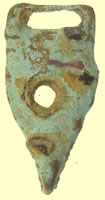
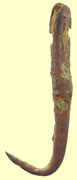
C 10thC Saxon clothing fastener - single rivet fixing | ||
  |
  |
||
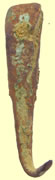
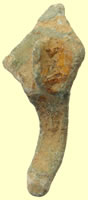
Crude Saxon hooked fastener - 2 rivet fixings |
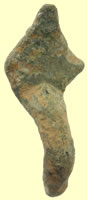
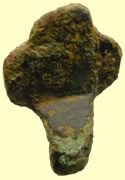
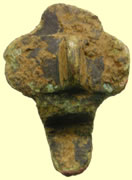
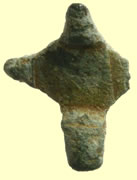
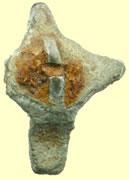
c10thC Saxon brooch |
||
  |
  |
||
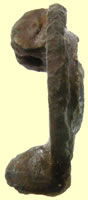
C10thC Saxon trefoil brooch |
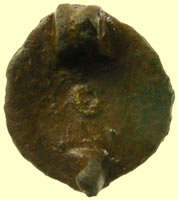
C10thC Saxon brooch |
||
   |
|||
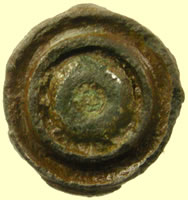
Anglo Saxon disc brooch of the Middle period C9thC - some silvering remains Hattatt Page 379 |
|||
Open mouthed beast zoomorphic type - red eyes
|
|||
Viking style zoomorphic dagger chape 54.08mm L, 29.85g - red and green enamel remains |
|||
|
|||
Saxon hanging heavily gilded pendant ?? 39.97mm L |
|||
  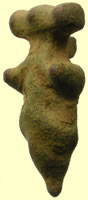 |
|||
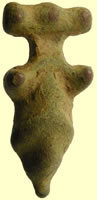
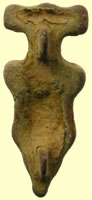
Very unusual zoomophic Saxon mount |
|||
  |
 |
||
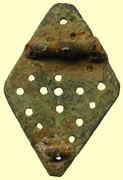
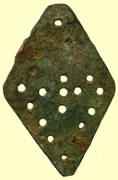
Saxon perforated brooch |
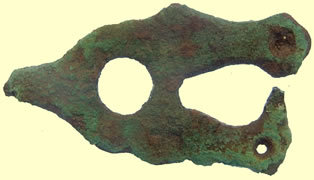
Saxon hooked clothing fastener - single rivet fixing |
||
  |
  |
||
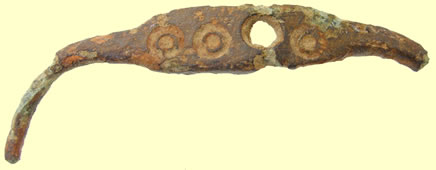
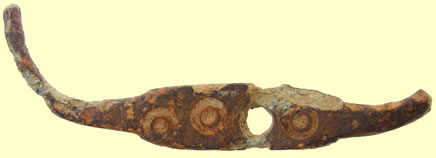
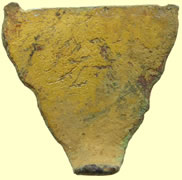
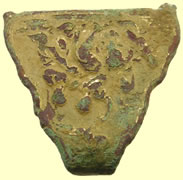
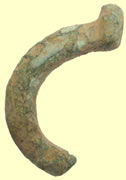
| C10th C Gilded Saxon hooked mount | C8thC Saxon bow brooch | ||
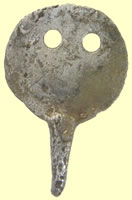 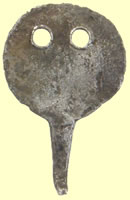  |
|||
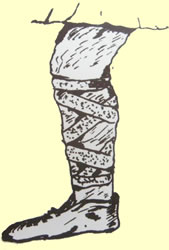
Staggeringly rare find - c8thC Saxon solid silver hooked fastener used on their leg bindings Reported as treasure to museum |
|||
 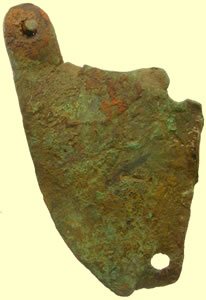 |
|||
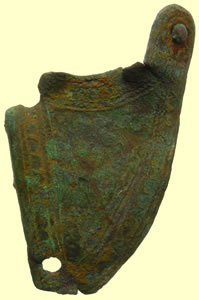
C4th to 8thC Decorated and gilded helmet cheek piece - could be Roman or Saxon - checking ref books 75.02mm L |
|||
|
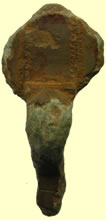 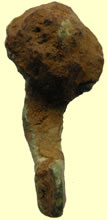 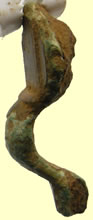 |
||
| Saxon pin | Saxon brooch | ||
  |
|||
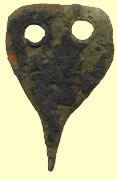
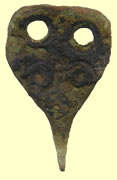
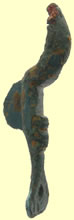
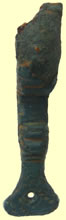
| th century AD. Hooked tags were used to fasten a variety of openings on Anglo-Saxon costume, including leg-bindings, purses and cuffs. - circule decoration | |||
C8thC Saxon cloak hook- circule design |
|||
    |
|||
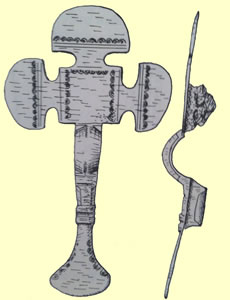
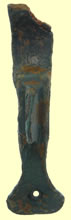
| Incredibly rare 6thC Saxon cruciform brooch - virtually non existent on the continent | |||
  |
|||
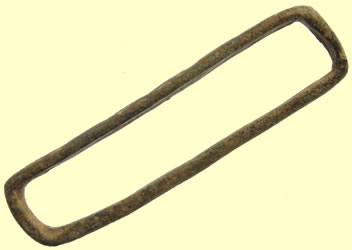
| c8thC circle decorated Saxon belt slide | |||
|
|||
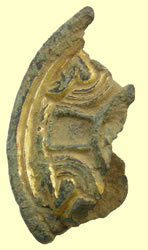
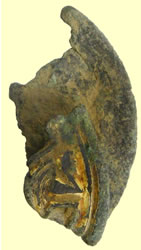
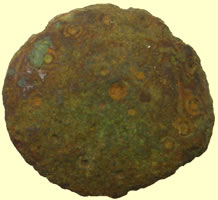
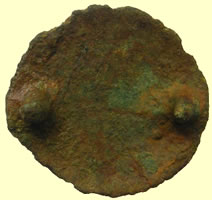
| c8thC Saxon gilded disc brooch fragment | |||
  |
|
||
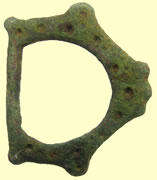
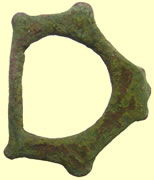
| C8thC Saxon mount with circle design | Anglo Saxon buckle | ||
Stunning decorated circa 8thC Saxon strap end
Stunning zoomorphic decorated circa 8thC Saxon strap end |
|||
  |
|||
| C 8thC Saxon buckle | |||
  |
|||
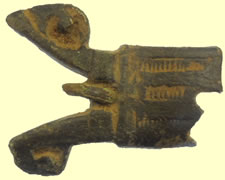
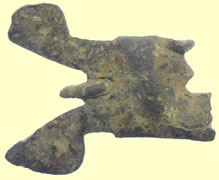
| Very unusual early medieval zoomorphic style buckle with integral plate | |||
Huge C10thC gilded Saxon plate |
|||
Early medieval copper animal headed buckle
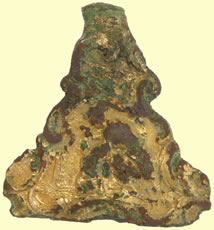
Very interesting gilded copper mount with woman prone facing left. Not sure of date yet as it has the material construction for typical gilded Anglo Saxon but the features of Roman design
Early medieval gilded mount
Early medieval gilded mount
c10thC Saxon gilded disc brooch
c10thC Saxon hook fastener
c 8thC Saxon bronze zoomorphic brooch 11.7g, 46.6mm L x 12.2mm W
Gilded Saxon harness pendant
Saxon zoomorphic strap end |
|||
|
|
|||