
Metal detecting holidays in England with the World's most successful metal detecting club.20 years plus.
Twinned with Midwest Historical Research Society USA.
|
Houses of Lancaster and York, 1377-1485
|
||
|
Henry
IV 1399-1413 |
||
In 1386 Henry joined a group of opposition leaders - the Lords Appellants
- who outlawed Richard's closest associates and forced the King to accept
their counsel. In 1398 Richard took revenge, banishing Henry after a
court struggle. The following year, John of Gaunt died. Richard seized
the family estates, depriving Henry of his inheritance and prompting
him to invade England. Richard surrendered in August and Henry was crowned
the following month. His first task was to consolidate his position. Most rebellions were quashed easily but the revolt of Owen Glendower was more serious. Glendower aimed to install the Earl of March, Richard II's legitimate heir, as king. He captured Edmund Mortimer, March's uncle, and persuaded him to join them. Glendower then allied himself with Henry Percy, Earl of Northumberland, and his son Henry, called Hotspur. Hotspur's brief uprising, Henry's most serious challenge, ended when the King's forces killed him in battle near Shrewsbury in July 1403. Northumberland's rebellion in 1408 was quickly suppressed and was the last armed challenge to Henry's authority. However, he also had to fight off Scottish border raids and conflict with the French. To finance these activities, Henry was forced to rely on parliamentary grants. From 1401 to 1406 Parliament repeatedly accused him of fiscal mismanagement and gradually acquired new powers over royal expenditures and appointments. As Henry's health deteriorated, a power struggle developed between his favourite, Thomas Arundel, archbishop of Canterbury, and a faction headed by Henry's half brothers and Prince Henry. From 1408 to 1411 the government was dominated first by Archbishop Arundel and then the Henry. Argument raged over the best strategy to adopt in France, where civil war was raging; Henry wanted to resume war in France, but the king favoured peace. In 1411 the king recovered and the Prince of Wales was dismissed from the council. Uneasy relations between the prince and his father lasted until Henry IV's death in 1413.
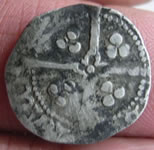
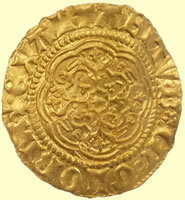
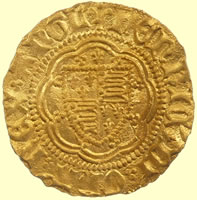
1412-13 Henry IV hammered gold qtr Nobel- Light coinage - Lis above shield, trefoils beside shield,Lis in centre of reverse. Obv +hENRIC'DI; GRA;REX ANGL - mm Fleur de Lis 1.80g,18mm
|
||
  |
  |
|
|
Rare
Henry IV 1399 AD hammered silver penny
|
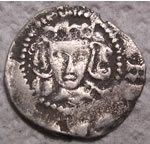
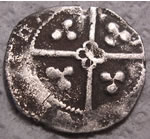
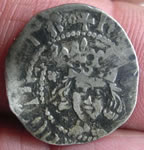
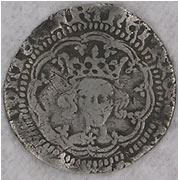
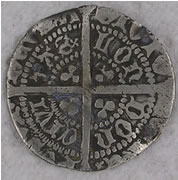
1399 - 1413 Henry IV hammered silver penny - Rare double struck crown Quatrefoil with pellet on reverse Rev CIVI/TAS/EBO/RACI - York mint 0.89g, 16.83mm |
|
  |
||
|
Very
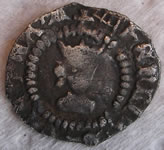
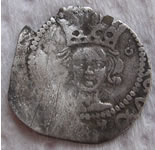
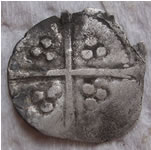
rare Henry IV 1399 - 1412 Heavy coinage Type F London mint hammered
silver half groat |
||
  |
  |
|
|
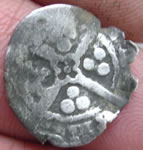
Henry
hammered silver halfpenny 0.40g, 12.78mm London mint, Initial mark cross
and extra pellets to two qtrs as Henry IV's 2nd reign 1470 but legend
does not match - needs more research |
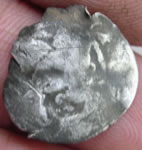
Possible
Henry IV hammered silver penny - annulet by crown type, Lis on neck |
|
  |
  |
|
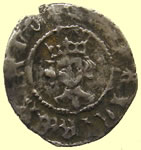
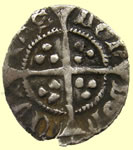
1399 - 1413 Henry IV hammered silver penny |
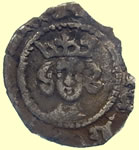
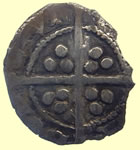
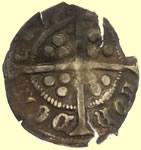
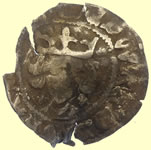
1399 1413 Henry IV hammered silver half penny - light coinage - Type 1 Obv + hENRIC x REXx ANGL' Rev CIVI/TAS/LON/DON - London mint 14.40mm,0.48g |
|
  |
  |
|
1399 - 1413 Henry IV hammered silver half penny Obv + *** IC REX ANGLx Rev CIVI/***DON - London mint |
1464-1470 Edward IV hammered silver penny Class VIII, Quatrefoil by neck- mm Crown Obv EDWARD DI GRA REX ANGL Rev CIVI/TAS/LON/DON |
|
1461 -1483 Edward IV |
||
King
Edward IV was was declared successor to Henry VI in 1460. Following
York's death that December, Edward defeated Henry's Lancastrian supporters
before being crowned Edward IV in June 1461. Until 1470 he concentrated on suppressing opposition to his rule. However, his real problem lay in the Earl of Warwick, 'the Kingmaker'. Warwick expected his support in 1461 to bring him power. However, Edward, while apparently interested only in women and pageantry, was determined to rule independently. In 1464 he embarrassed Warwick, who was planning a political marriage for Edward, by disclosing his secret marriage to Elizabeth Woodville, a commoner. By showering favours on Elizabeth's relatives, Edward began to build up a faction to counter Warwick. Gradually Warwick lost his influence. Humiliated, he allied himself to Edward's brother George, Duke of Clarence, and Henry VI's queen, Margaret of Anjou. Fleeing to France in October 1469, he and Margaret's Lancastrian forces gathered, invading England in September 1470. Edward fled to the Netherlands until March 1471, when he and his brother Richard, duke of Gloucester, returned to England. Taking London, he defeated and killed Warwick at Barnet before defeating the Lancastrians at Tewkesbury. Henry VI was put to death in the Tower. The second part of Edward's reign, from 1471 to 1483, was a period of relative order, peace, and security. He was popular, had a large personal income and was less in need of parliamentary grants than his predecessors, so levied fewer taxes and called Parliament only six times. Commercial treaties, external peace and internal order revived trade, benefiting customs duties and other revenues. Councils were set up to govern in the Marches of Wales and in the north. Edward
died in 1483 and Edward and Richard were left in the protection of their
uncle Richard, Duke of Gloucester. He housed them in the Tower of London,
where he probably had them killed. On the day after the date set for
Edward V's coronation Parliament unanimously requested the Duke to take
the throne. He accepted and was crowned Richard III. |
||
Groats (4 pence) |
||
  |
  |
|
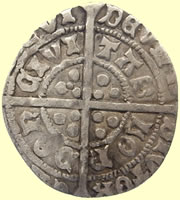
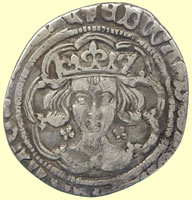
1464/5 -1470 Edward IV hammered silver groat, light coinage - im Crown/crown - tefoils on cusps North 1570 VII Rev CIVI/TAS/LON/DON - London mint |
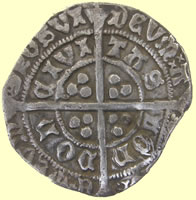
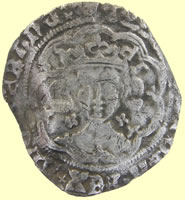
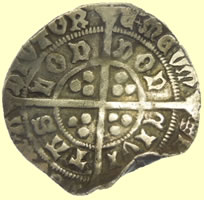
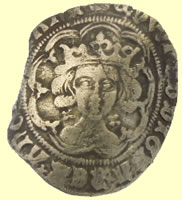
1461 -1464 Edward IV hammered silver groat - 9 arches to tressure - quatrefoils by neck - trefoils on cusps but not over crown Obv + EDWARD ** C Rev CIVI/TAS/LON/DON - London mint |
|
|
  |
|
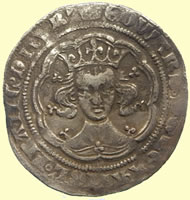
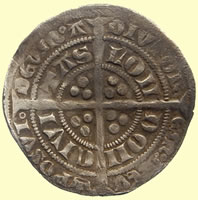
1461- 1485 Edward IV hammered silver groat -First reign Type VII - Quatrefoils at neck, Initial mark crown Rev EDWARD DI GRA REX x ANGL Z FRANC Rev CIVI/TAS/LON/DON - London mint |
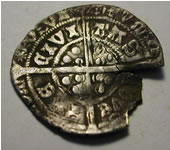
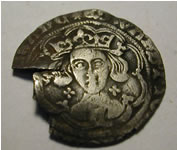
1464-70 Edward IV hammered silver groat - Light coinage - quatrefoils by neck - Mint mark crown - fleurs on cups Obv EDWARD DI GRA REX ANGL Z FRANC Rev CIVI/TAS/LON/DON - - London mint |
|
  |
  |
|
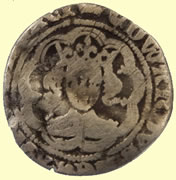
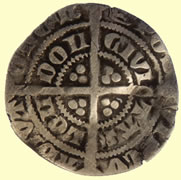
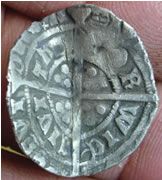
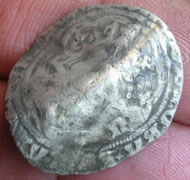
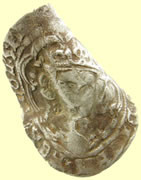
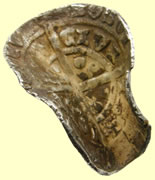
| 1465-6 Edward IV hammered silver groat - sun mint mark -quadrefoils by neck - light coinage | 1464- 1470 Edward IV hammered silver half groat - Crown mint mark Obv EDWARD' DI GRA REX ANGL Z *** Rev CIVI/TAS/LON DON - London mint |
|
  |
  |
|
1471-83 Edward IV second reign hammered silver half penny 0.37g,12.74mm obv EDWARD DEI GRA REX |
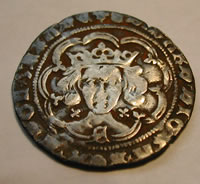
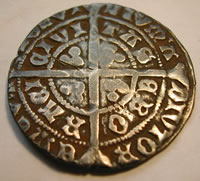
1472 Edward IV hammered silver groat Type 10 , initial mark sun both sides, trefoils by neck, long cross fitchee obv EDWARD DIA.REX.ANGL.Z.FRANC Rev CIVI/TAS/LON/DON - London mint 25.18mm, 2.79g |
|
  |
  |
|
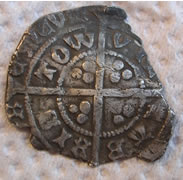
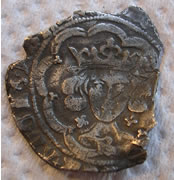
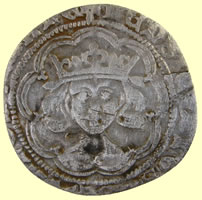
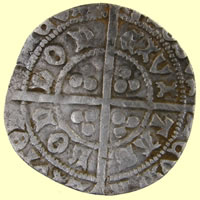
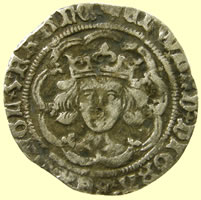
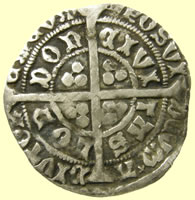
| Groat (4 pence) York mint(Civitas EboRaci) found by Canadian Don | Edward IV 1461- 1485 hammered silver groat ( 4 pence) | |
  |
  |
|
|
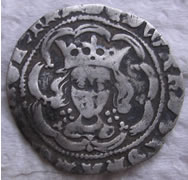
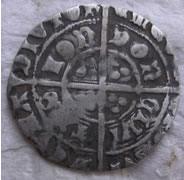
1461 Edward IV hammered silver groat-First reign -Initial mark Long cross fitchee Trefoils on cusps except above crown Obv EDWARD DI GRA REX ANGL Z FRANC Rev CIVI/TAS/LON/DON - London mint | 1471 Edward IV hammered silver groat Obv EDWARD DI GRA REX ANGL Z FRANC Rev CIVI/TAS/LON/DON - London mint |
|
|
|
  |
|
|
1464 Edward IV First reign light coinage Type VI Very clear London, Initial mark sun on both sides, Quatrefoils at neck, Fleur on cusps except over crown 3.01g, 25.03mm obV EDWARD DI GRA REX ANGL Z FRANC rev CIVITAS LONDON |
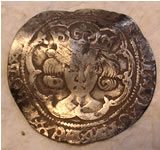
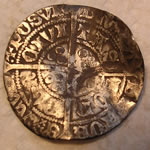
1464-5 Edward IV hammered silver half groat- Quatrefoils by neck- standard F type obv EDWARD DI GRA REX ANGL Z FRANC HIBERINE rev CIVITAS LONDON - London mint 18.50mm,1.11g |
|
  |
  |
|
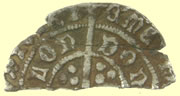
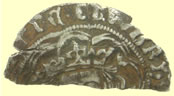
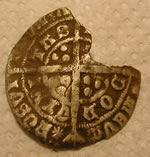
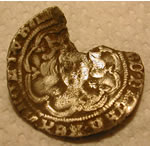
| Edward IV 1464 -70 London mint - Plain cross initial mark hammered silver groat 2.63g, 25.65 mm | 1471 -1483 Edward IV hammered silver groat - possible annulet and pellet initial mark Obv EDWARD ***** Rev CIVI/TAS/LON/DON - London mint |
|
  |
  |
|
1465-6 Edward IV hammered
silver groat - sun mint mark -quadrefoils by neck - light coinage |
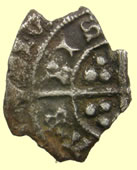
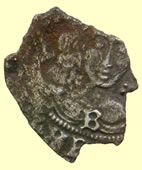
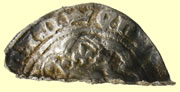
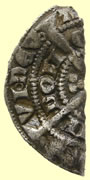
1471-1483 Edward IV hammered silver groat - 2nd reign, B on breast rev BBISTOW - Bristol mint |
|
|
  |
|
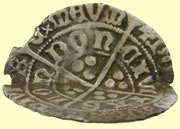
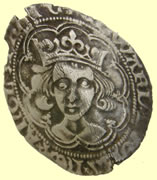
1461-85 Edward IV hammered silver groat - Crown mint mark London mint |
1471- 1483 Edward IV hammered silver groat (4 pence) - 2nd reign - Initial mark pierced cross Obv EDWARD DI GRA REX ANGL Z FRANC Rev CIVI/TAS/LOND/DON - London mint
|
|
Half Groat (2 pence) |
||
  |
  |
|
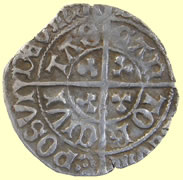
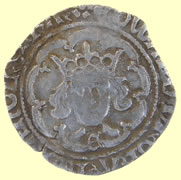
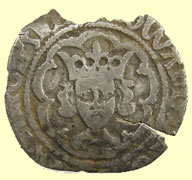
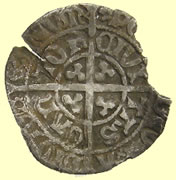
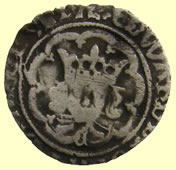
1477 Edward IV hammered silver half groat - Rose mintmark, C on breast Obv EDWARD DI GRA REX ANGL Z FRANCE Rev CIVI/TAS/CAN/TOR Canterbury mint |
1464 Edward IV hammered silver half groat - im Rose Obv EDWARD DI GRA REX ANGL Z FR Rev CIVI/TAS/CAN/TOR |
|
  |
  |
|
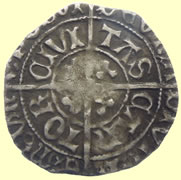
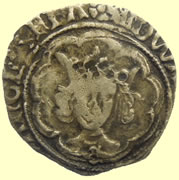
Edward IV hammered silver half groat - C on breast Trefoils over crown - IM Rose Large 2nd reign Canterbury April 1471 - April 1483 Obv EDWARD DI GRA REX ANGL Z FRA Rev CIVI/TAS/CAN/TOR Canterbury mint |
1464-1470 Edward IV hammered silver halfgroat - Rose mint mark Light Issue Royal Obv EDW *** ANGL Z FRA Rev CIVI/TAS/CAN/TOR - Canterbury mint |
|
  |
||
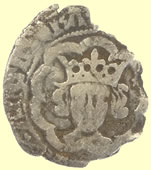
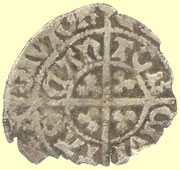
1464 Edward IV hammered silver half groat 9 Tressures - no Lis or trefoils on cusps Obv *****X ANGL Z FRA Rev CIVI/TAS/CAN/TOR - Canterbury mint |
||
Small coinage |
||
  |
  |
|
|
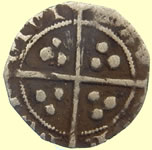
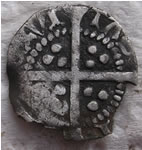
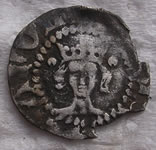
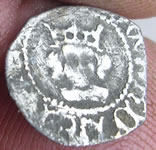
1461-4
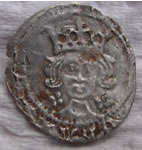
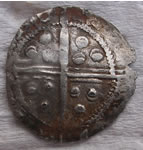
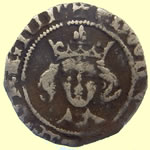
Edward IV hammerd silver penny |
1461 - 70 Edward IV hammered silver penny Obv + EDWARD REX ANGL Z FRA Rev CIVI/TAS/LOND/DON - London mint |
|
  |
  |
|
|
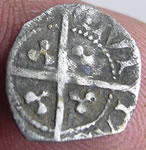
1461- 4 Edward IV hammered silver halfpenny - Heavy coinage Class 1a - extra pellets by crown - London mint, obv EDWARD REX ANG rev CIVITAS LONDON 0.47g,13.03mm |
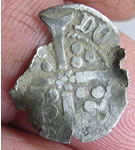
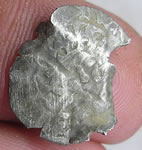
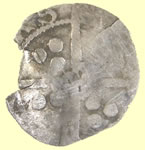
1471-83 Edward IV second reign hammered silver half penny 0.37g,12.74mm obv EDWARD DEI GRA REX |
|
  |
  |
|
|
Edward
IV 1461-1470 AD hammered silver penny Durham (CIVITAS DVNOLIN) Type
IV Rose in centre of reverse. |
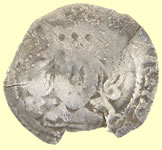
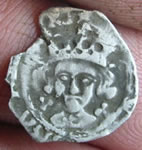
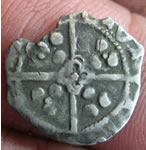
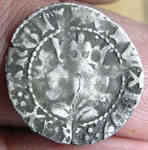
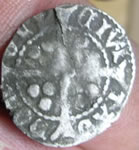
Another unpublished coin in Wren or North - Clearly an Archbishop or Archiepiscopal issue with quatrefoils on reverse and 5 sided star and key by bust. No coin has the combination of star and key. Should be T or B and key. Edward IV 1461 AD - I will send it off to the British Musuem expert for his views |
|
  |
  |
|
|
Edward
IV 1461-1470 hammered silver penny - Trefoils each side of neck - Quatrefoil-with-pellet
at centre of reverse
|
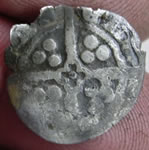
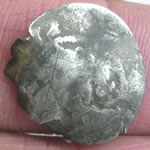
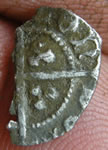
Unknown 1461 Edward IV DURHAM issue hammered silver penny obv EDWARD REX ANGLIE Note the 4 pellet stops both sides of REX on obv legend - not listed in refernence books, Legend EDWARD REX ANGLIE is an Edward IV Durham issue. |
|
  |
  |
|
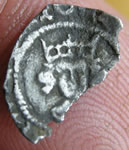
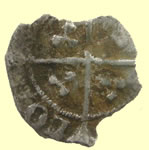
1480-1500 Archbishop Thomas Rotherham hammered silver penny Quartrefoil at the centre of reverse with pellet |
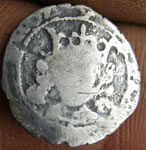
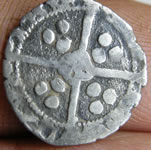
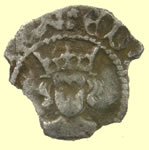
1471-83 Edward IV second reign type 2h hammered silver half penny Obv O EDWARD DI [G REX]AN Rev CIVI/TAS/LON/DON - London mint |
|
  |
  |
|
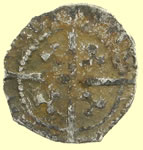
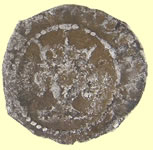
1461 Edward IV hammered silver penny - York Archiepiscopal Issue - Type VIIiii - quatrefoil each side of neck - Quatefoil - with-pellet at centre of reverse. Obv EDWARD+DI+GRA+REX+ANGL |
1472-6 Edward IV 2nd Reign - hammered silver halfpenny - Cross with 4 pellets initial mark - Obv EDWARD DEI GRA REX Rev R CIVI/TAS/LON/DON - London mint |
|
  |
  |
|
1465 Edward IV hammered silver half penny - Light coinage type - York mint July 1465 to Sept 1471- no trefoils by neck Obv - EDWARD DI GRA REX A Rev CIVI/TAS/EBO/RACI - York mint 11.77mm, 0.36g |
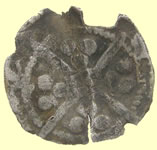
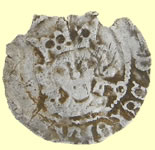
1461-83 Edward IV hammered silver penny - Rose at centre of reverse cross Durham mint |
|
  |
|
|
Sede Vacante 1472-75 Edward IV hammered silver (Archiepiscopal issue) penny G & key by bust Reverse plain cross Obv EDWARD DI GRA REX ANGL - York mint |
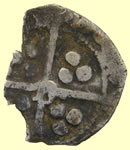
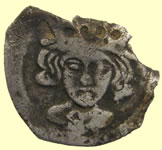
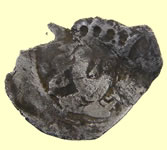
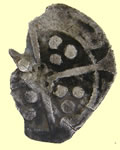
1464/5 Edward IV hammered silver penny - Type VIIi - 0.93g, 18.07mm obv EDWARD DI GRA RE ANGL Rev CIVI/TAS/EBO/RACI - York Mint - Archiepiscopal issue |
|
  |
  |
|
1476 Edward IV (Durham) hammered silver penny - D at centre of reverse cross |
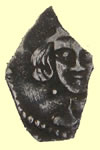
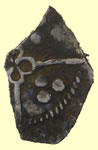
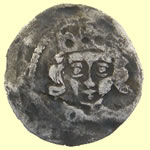
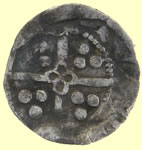
1461 -70 Edward IV hamnmered silver penny - G & key by bust - York mint - quatrefoil with pellet at centre of reverse cross |
|
|
|
|
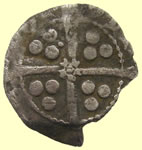
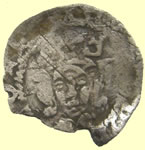
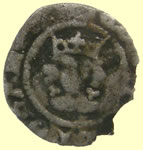
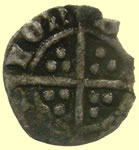
| 1461 Edward IV Irish hammered silver penny | ||
  |
|
|
1461- 70 Edward IV hammered silver penny - Class IV, Rose in centre of reverse cross im Cross - Extra pellet in one quadrent of reverse cross Obv EDWARD +REX+ANGLIE Z FR Durham mint |
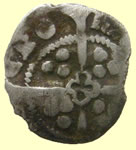
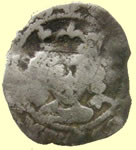
1464 -70 Edward IV hammered silver halfpenny - Trefoils by neck Rev CIVI/TAS/LON/DON - London mint |
|
|
  |
|
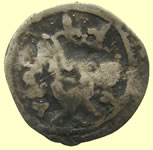
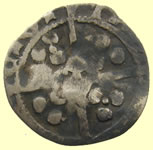
1464 Edward IV hammered silver penny - quatrefoil in reverse cross - Quatrefoils by neck Rev CIVI/TAS/EBO/RACI - York mint |
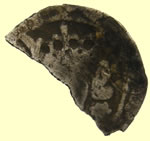
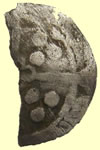
1461- 1470 Edward IV hammered silver penny Trefoils by neck - quatrefoil in centre of reverse cross Extra pellet (smaller) in two quadrants Rev CIVI/TAS/ ** - Durham mint |
|
  |
  |
|
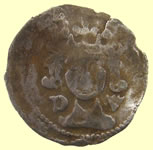
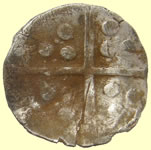
1476 Edward IV hammered silver penny - Type Dudley local - Durham IM Cinquefoil Bishop William Dudley 1476-1483 DV by bust - No D at centre of reverse cross is rare Obv EDWARD + DI + GRA REX ANGL
|
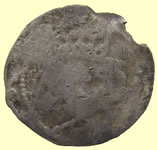
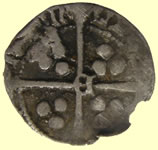
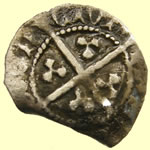
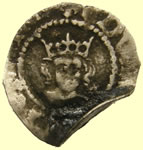
1465-1476 Edward IV hammered silver penny - York issue Type XVIiv Archiepiscopal issue Quadrefoil with pellet at centre of reverse cross - Rose by neck |
|
  |
  |
|
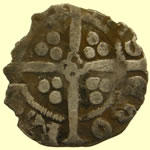
1461 Edward IV hammered silver penny - Durham mint B at centre of reverse cross |
1471 Edward IV hammered silver half penny - im short cross fitchee Obv + EDW *** REX Rev Rev CIVI/TAS/LON/DON- London mint 0.47g,12.77 |
|
  |
  |
|
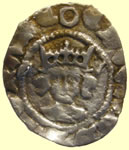
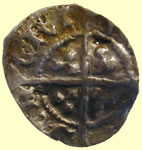
1461- 1483 Edward IV hammered silver penny - Quatrefoil with pellet at centre of reverse cross Rev CIVI/TAS/EBO/RACI - York mint |
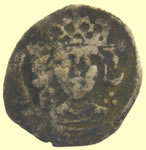
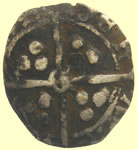
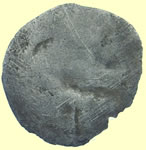
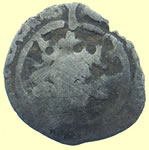
Rare find - our first ever annulet mint mark I have seen on a coin found here 1471-2 Edward IV hammered silver half penny - im annulet - Type 2h Obv EDWARD DI REX AN Rev CIVI/TAS/LON/DON- London mint 0.33g, 12.87mm |
|
  |
  |
|
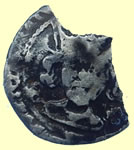
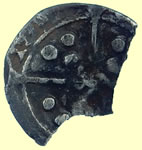
1471-1483 Edward IV hammered silver penny - XIII - XVa Durham mint D at centre of reverse cross- B & trefoil to side of neck |
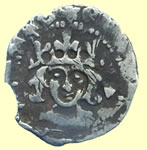
1461- 1470 Edward IV hammered silver penny - Type X - Cross Fitchee Long | |
  |
  |
|
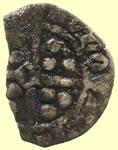
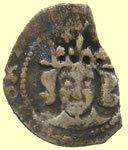
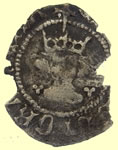
| 1461- 70 Edward IV hammered silver penny - Local (Durham) | 1471 Edward IV hammered silver penny - double satire stops in reverse legend - D at centre of reverse cross Ob EDW ***** LIE Obv CIVI/TAS |
|
  |
  |
|
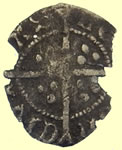
1471 -1470 Edward IV hammered silver penny - Class XII D at centre of reverse cross Rev DVNO/LIN - Durham mint |
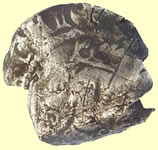
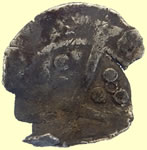
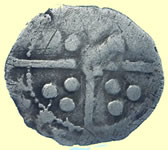
1464 - 70 Edward IV hammered silver half penny - Light coinage Type 6 Trefoils by neck I.m Long cross fitchee Obv + EDWARD DI GRA REX Rev CIVI/TAS/LON/DON - London mint |
|
  |
  |
|
1461 - 1483 Edward IV hammered silver penny - Durham mint Obv NGLIE + |
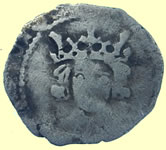
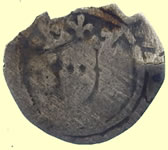
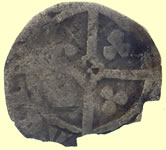
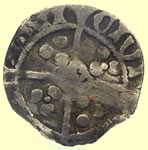
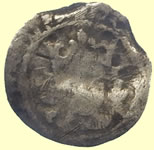
1461- 70 Edward IV hammered silver penny - D at centre of reverse cross | |
  |
  |
|
1464 -70 Edward IV hammered silver penny Dublin Ireland quadrefoil with pellet at centre of reverse cross Rev ACIE - Dublin mint |
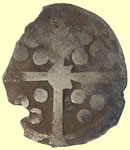
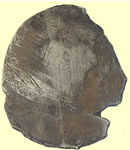
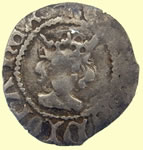
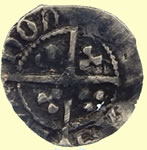
1461-70 Edward IV hammered silver long cross penny - quatrefoil to each side of neck - initial mark rose Quatrefoil with pellet in centre of reverse cross - York mint |
|
  |
  |
|
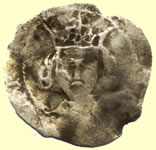
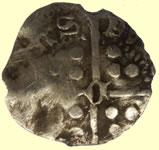
1462 Edward IV hammered silver long cross penny D at centre of reverse cross - Durham mint |
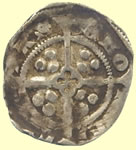
1464-70 Edward IV hammered silver half penny- Light coinage Obv EDWARD DI GRA REX Rev CIVI/TAS/LOND/DON - London mint 13.13mm, 0.34g |
|
  |
  |
|
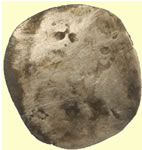
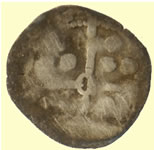
1471- 83 Edward IV hammered silver long cross penny - D at centre of reverse cross Rev TAS/DV = Durham mint |
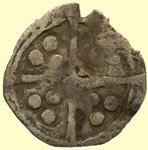
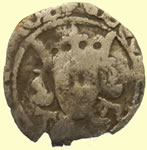
1468-9 Edward IV hammered silver penny - Crown mint mark - Royal Issue Quadrefoil with pellet at centre of reverse cross Obv EDWARDxDI **** Rev CIVI/TAS/EBO RACI - York mint |
|
  |
  |
|
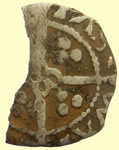
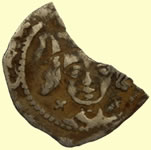
| 1461- 1470 Edward IV hammered silver penny - B at centre of reverse cross - Durham mint | 1465-76 Edward IV hammererd silver long cross penny -T and key by neck - Class XXIiv (York) Bishop George Neville - Quatrefoil at centre of reverse cross Obv EDW*********** |
|
  |
  |
|
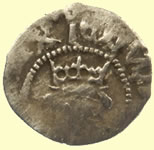
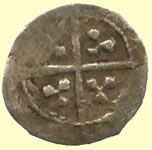
1472 -8 Irish Edward IV hammered silver long cross penny - Satires by neck - Quatrefoil in centre of reverse cross Rev TAS/WAR - Warterford mint |
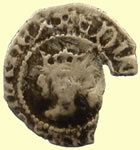
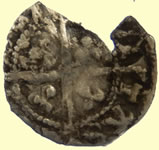
1469-70 Edward IV hammered silver half penny - Y mint mark - Type 3a Canterbury mint Archbishop Thomas Bourchier Obv + EDWA*** EX |
|
  |
  |
|
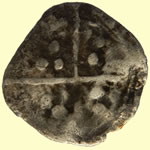
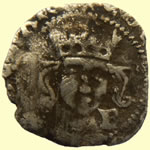
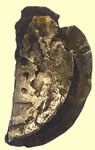
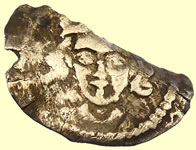
1480-3 Edward IV hammered silver half penny - Heradic cinquefoil mint mark - London mint Obv +EDW****A REX |
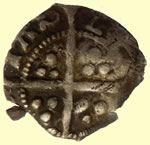
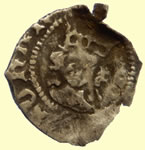
1461-1470 Edward IV hammered silver penny - B by neck , class XIII-XVa Durham | |
  |
  |
|
1461-4 Edward IV hammered silver half penny - Heavy coinage -Trefoils by neck both sides Obv *** DI GRA RE Rev TAS/L** London mint |
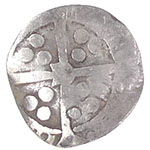
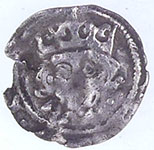
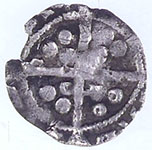
1471- 83 Edward IV hammered silver long cross penny | |
  |
  |
|
| 1461-1470 Edward IV hammered silver penny- D at centre of reverse cross | Irish 1461- 1470 Edward IV hammered silver penny 2 pellets by neck |
|
  |
||
1471-83 Edward IV hammered silver halfpenny - 2nd Reign - C in centre of reverse cross Rev CAN/TOR - Canterbury mint |
||
Edward V April to June 1483 |
||
The eldest surviving son of Edward IV, he was born when his father was in brief exile in Holland after being deposed by the Earl of Warwick. After Edward IV had reclaimed his crown, young Edward was made prince of Wales in June 1471. He was sent with his mother to Ludlow in 1473 to be titular ruler of Wales and the Welsh Marches, staying there for much of the rest of his father's reign. Upon Edward IV's death in April 1483, Edward became king, aged 12. His uncle Richard, Duke of Gloucester, was appointed protector. Conflict between Gloucester and the Woodville nobles who dominated Edward V soon led the duke to arrest the Woodvilles and gain possession of Edward and his younger brother, Richard. The two princes were housed in the Tower of London, then a royal residence as well as a prison. Edward V's brief reign came to an end on 26 June, when parliament accepted Gloucester's claim that Edward IV's marriage was invalid and his children illegitimate. It proclaimed Gloucester Richard III and, soon afterwards, the two princes disappeared from the Tower. It is possible they were murdered by Richard's agents in August 1483, but responsibility for the crime has also been attributed to Henry Stafford, Duke of Buckingham, and to Richard's successor, Henry VII. Skeletons found in the Tower in 1674 are thought to be those of Edward and his brother. |
||
  |
||
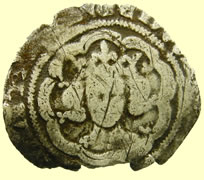
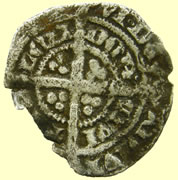
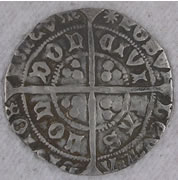
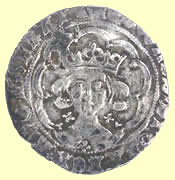
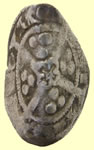
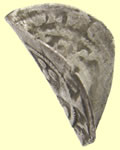
Very rare 1483 Edward V hammered silver groat - Halved sun and rose mint mark Obv EDWA *** Rev CIVI/TAS/LON/DON - London mint |
||
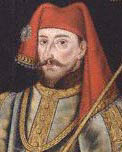
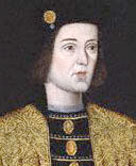
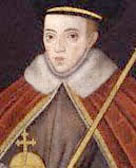 King of England from April to June 1483, he was deposed and probably murdered by Richard III, before his coronation.
 |