Metal detecting holidays in England with the World's most successful metal detecting club.20 years plus.
Twinned with Midwest Historical Research Society USA.
|
James I, King of England, VI of Scotland (1566 - 1625) Hammered silver and gold coins page
|
|
Other links The House of Stuart family and timeline of events
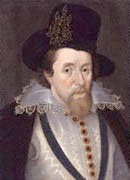
James was offspring of the doomed match between Mary Queen of Scots and Lord Darnley, who was murdered early in 1567 before James was one year old. Mary was forced to abdicate in favour of her son when he was only 13 months, and the infant king took up the Scottish throne. John Knox, Reformation leader, preached the sermon at James' coronation. James' childhood was turbulent, marred by a long and troubled minority which saw a succession of regents as well as civil war. A more positive influence came in the form of George Buchanan, who imparted intellectual curiosity in the young king that was to stay with him for life. James became the first Stuart king of England in 1603 under the terms of the Treaty of Berwick which he had signed with Elizabeth I in 1586. The Treaty pledged allegiance between the two countries and promised mutual help against invasion, thus protecting England from France. And so James acquiesced to his mother's execution and remained neutral when the Spanish Armada threatened English shores. As Scottish king he consented to an act of parliament establishing Presbyterianism in Scotland and with support he subdued the Roman Catholic earls. He married Anne of Denmark whom he loved and together they had nine children. The move to England came with the death of Elizabeth. On arrival he realised that he was considered an alien and his strong opinions about the divine right of kings earned him a reputation for narrow-mindedness and intellectual bullying. His tract Basilicon Doron (meaning 'the kingly gift') was intended as an instruction manual to his eldest son, Prince Henry, should the father die - after all, frequent attempts were made on James' life - but the text was leaked and used as an example of James' dogma. Yet despite his critics, James is considered a highly successful king. He made it clear that he intended to radically change the Elizabethan church, heralding his cause with the slogan, 'No bishop, no king!' Although this prompted Catholic reaction, such as the failed Gunpowder plot, James was able to make a lasting impression on church history, commissioning a version of the Bible that was to become the standard text for more than 250 years - the King James Bible. His run-ins with Parliament, which led for example to the Addled Parliament in 1614, did not lead to serious rebellion. And in foreign policy he was an arbitrator: he made peace with Spain and aspired to achieve even greater stability throughout Europe, but his efforts were thwarted by Protestant opinion in Britain and Spanish resistance. Further abroad, he reigned over the beginning of Empire and authorized the Evangelistic Grant Charter to settle the Colony of Virginia. As well as numerous attempts on his life, James I (VI of Scotland) suffered from ill-health and depression after the early death of Prince Henry in 1612. He was particularly distraught at the loss of his beloved wife in 1619. The King himself passed away on March 27th, 1625, and is buried in Westminster
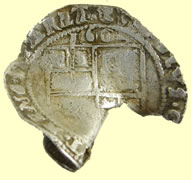
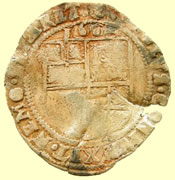
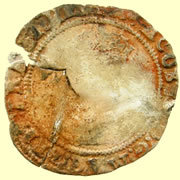
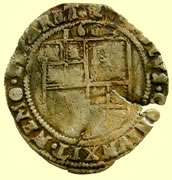
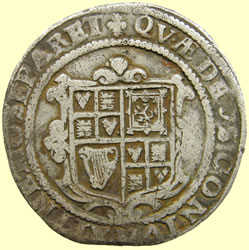
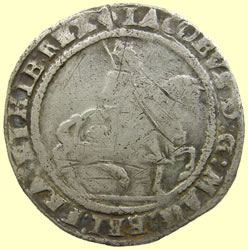
Monster find, rare - 1603 James 1st hammered silver half crown - 1st issue Lis mintmark 34.88mm - 14.79g
|
Gold
|
|||
|
|||
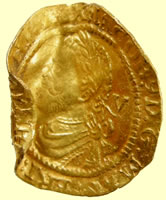
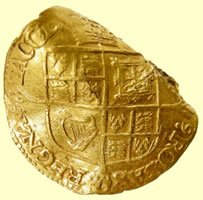
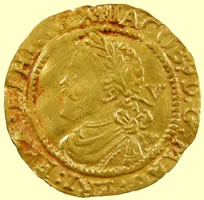
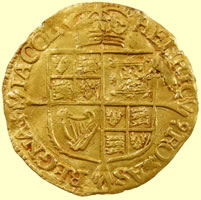
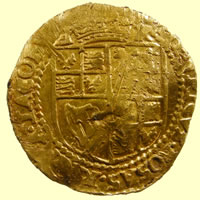
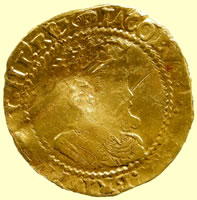
1619 -25 James 1st hammered gold Quarter-laurel - 2.24g, 19.46mm 2nd coinage
|
|||
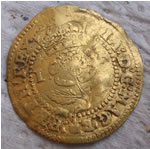
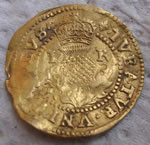
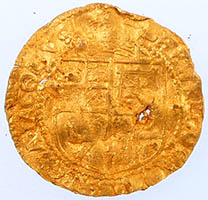
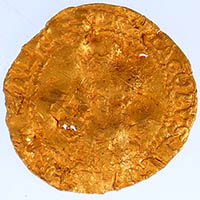
1605 James 1st hammered gold Thistle- Crown (4 shillings)
1615-16 James 1st hammered silver Britain crown - Tun mintmark 2.46g, 20.03mm
1604-5 James 1st hammered gold Britain crown - Lis mint mark 2.43g, 20.85mm
|
|||
Half penny
|
|||
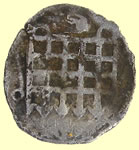
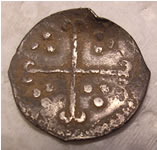
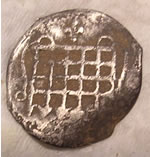
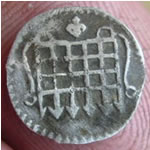
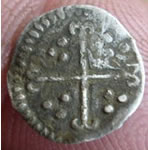
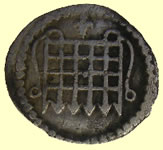
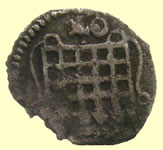
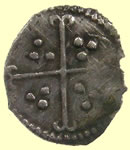
Tiny 1603 James 1st hammered silver halpenny penny - portcullis type
|
|||
|
|
  |
||
|
1605 James
1st hammered silver halfpenny |
1605 James
1st hammered silver halfpenny |
||
  |
  |
||
1605 James
1st hammered silver halfpenny |
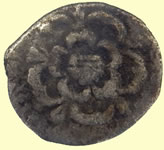
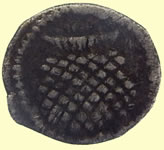
1603-4 James 1st hammered silver half penny | ||
  |
  |
||
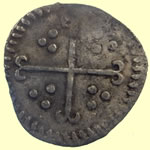
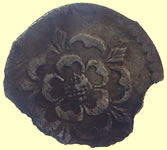
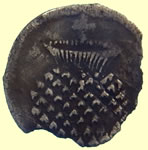
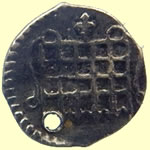
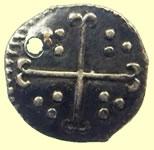
| 1603 James 1st hammered silver half penny | 1604-5 James 1st hammered silver half penny -Lis mint mark | ||
  |
  |
||
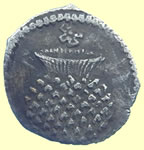
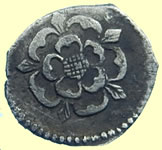
| 1613-15 James 1st hammered silver half penny - Trefoil mint mark | 1623-4 James 1st hammered silver half penny - Lis mint mark | ||
  |
  |
||
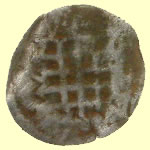
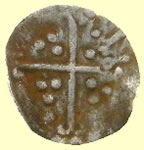
| 1613-15 James 1st hammered silver half penny - Cinquefoil mint mark | 1613-15 James 1st hammered silver half penny - Cinquefoil mint mark | ||
  |
  |
||
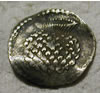
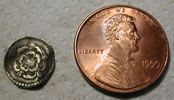
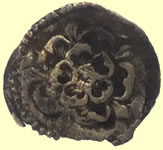
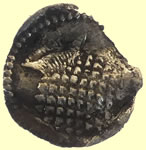
| James 1st 1603 hammered silver halfpenny | James 1st 1603 hammered silver halfpenny | ||
  |
  |
||
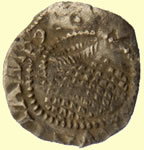
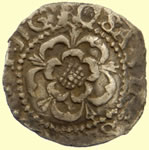
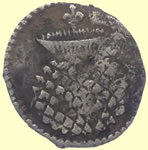
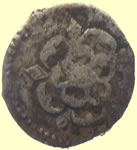
| James 1st 1603 hammered silver halfpenny | 1623-4 James 1st hammered silver half penny - Lis mint mark | ||
  |
  |
||
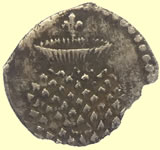
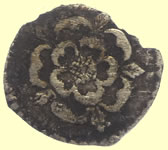
| 1604-5 James 1st hammered silver half penny - Lis mint mark | 1623-4 James 1st hammered silver half penny - Lis mint mark | ||
  |
  |
||
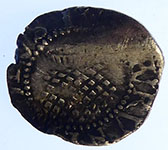
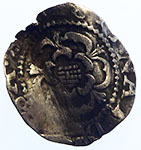
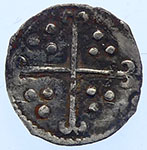
| 1623-4 James 1st hammered silver half penny - Lis mint mark | James 1st 1603 hammered silver halfpenny - Thistle mint mark | ||
Penny
|
|||
  |
  |
||
|
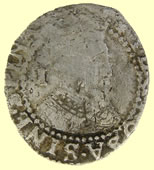
1603-4 James1st
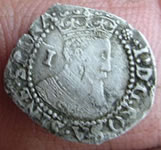
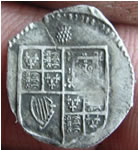
hammered silver penny - thistle mintmark 1st coinage
|
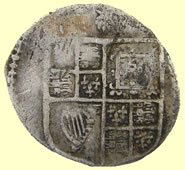
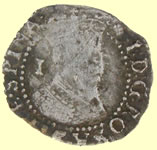
1603-4 James 1st hammered silver penny |
||
  |
  |
||
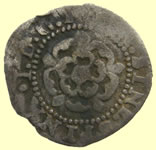
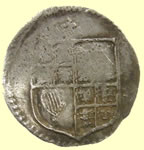
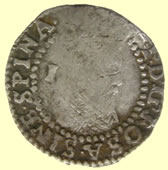
1603-4 James 1st hammered silver one pence |
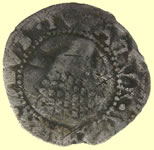
1603 James 1st hammered silver penny | ||
  |
  |
||
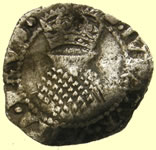
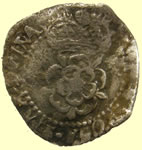
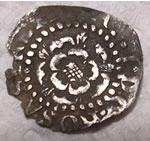
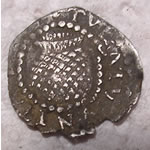
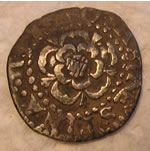
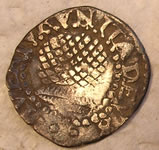
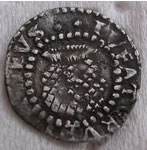
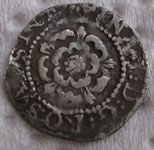
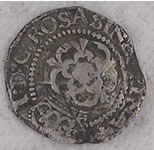
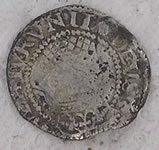
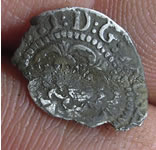
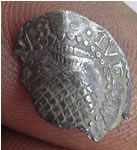
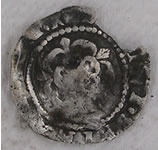
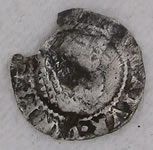
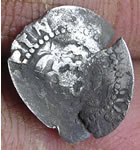
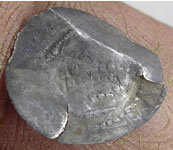
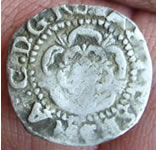
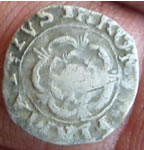
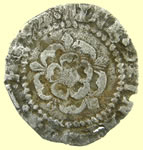
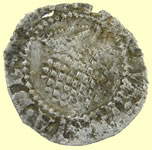
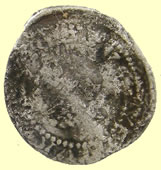
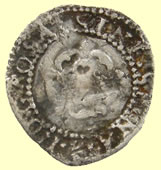
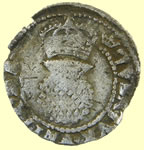
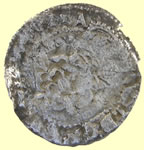
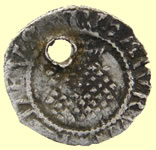
| 1603 -4 James 1st hammered silver penny | 1619-25 James 1st hammered silver penny | ||
  |
  |
||
  |
  |
||
  |
  |
||
  |
  |
||
  |
  |
||
  |
  |
||
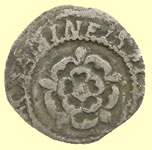 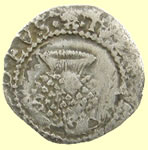 |
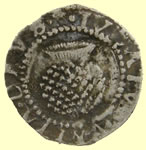 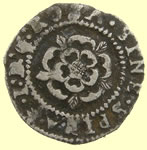 |
||
  |
  |
||
  |
  |
||
  |
  |
||
  |
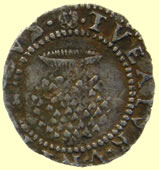 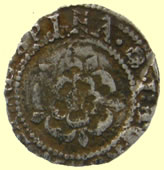 |
||
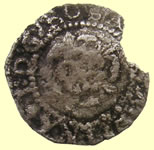 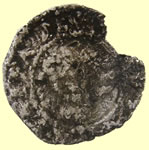 |
  |
||
  |
  |
||
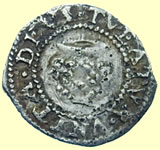
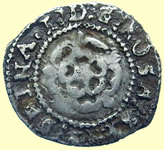
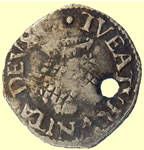
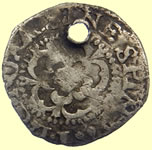
| 1619-25 James 1st hammered silver penny - two dots | 1604 -19 James 1st hammered silver penny | ||
  |
  |
||
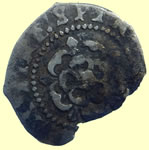
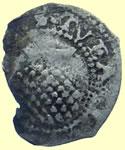
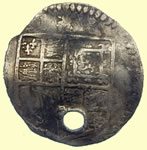
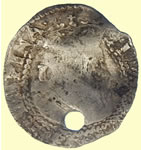
| 1604 -19 James 1st hammered silver penny | 1603 James 1st hammered silver penny | ||
  |
  |
||
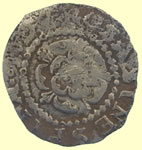
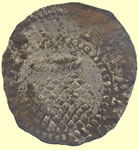
| 1603 -4 James 1st hammered silver penny | 1603 -4 James 1st hammered silver penny | ||
  |
  |
||
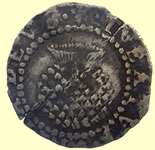
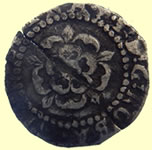
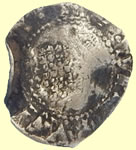
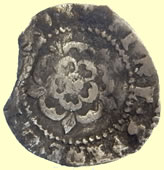
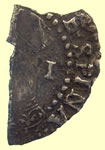
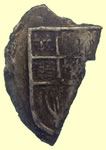
| 1613 James 1st hammered silver penny- Trefoil mint mark | 1603 James 1st hammered silver penny | ||
  |
  |
||
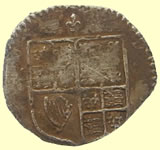
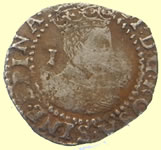
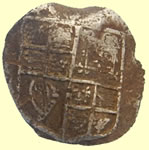
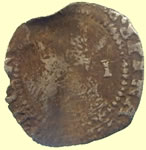
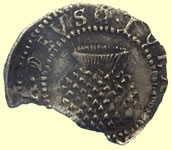
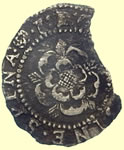
| 1623- 4 James 1st hammered silver penny - Lis mint mark | 1603 James 1st hammered silver penny | ||
  |
  |
||
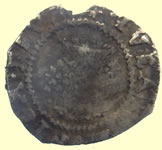
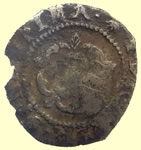
| 1603 James 1st hammered silver penny | 1603 -4 James 1st hammered silver penny | ||
  |
  |
||
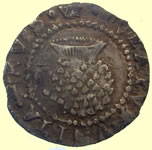
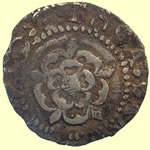
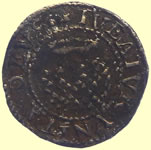
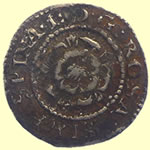
| 1611-12 James 1st hammered silver penny - Mullet mint mark | 1607-9 James 1st hammered silver penny - Coronet mint mark | ||
  |
  |
||
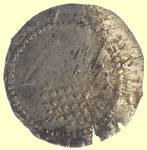
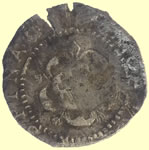
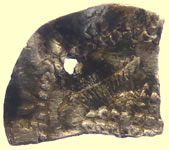
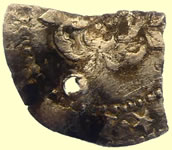
| 1605-6 James 1st hammered silver penny- Rose mint mark | 1603 -4 James 1st hammered silver penny | ||
  |
  |
||
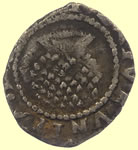
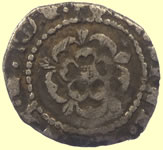
| 1603 James 1st hammered silver penny | 1603 James 1st hammered silver penny | ||
  |
  |
||
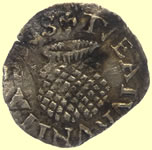
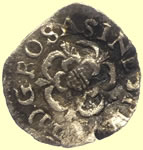
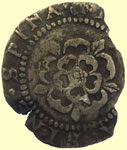
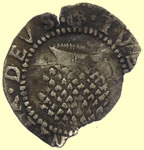
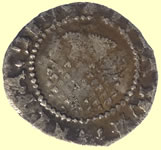
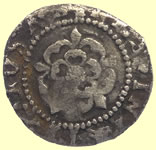
| 1604-5 James 1st hammered silver penny - Lis mint mark | 1605-6 James 1st hammered silver penny- Rose mint mark | ||
  |
  |
||
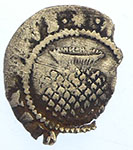
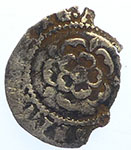
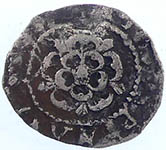
| 1603 James 1st hammered silver penny | 1619-20 James 1st hammered silver penny- spur rowel mint mark | ||
  |
  |
||
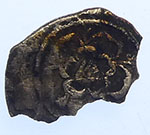
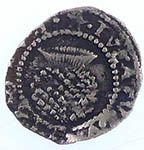
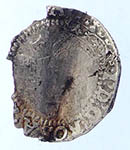
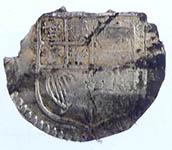
| 1603 James 1st hammered silver penny | 1611-12 James 1st hammered silver penny - mullet mint mark | ||
  |
  |
||
| 1603-4 James 1st hammered silver oen pence - first issue | 1603 James 1st hammered silver penny | ||
  |
  |
||
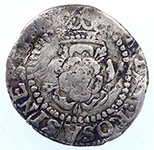
| 1619-20 James 1st hammered silver penny -Spur rowel | 1602 James 1st hammered silver penny | ||
  |
  |
||
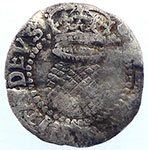
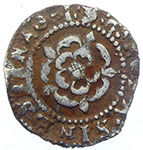
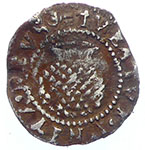
| 1603 James 1st hammered silver penny | 1603 James 1st hammered silver penny | ||
  |
  |
||
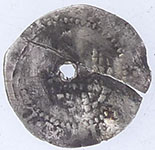
| 1603 James 1st hammered silver penny | 1603 James 1st hammered silver penny | ||
  |
  |
||
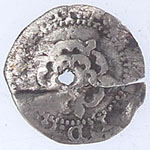
| 1603 James 1st hammered silver penny | 1603 James 1st hammered silver penny | ||
  |
  |
||
| 1605-6 James 1st hammered silver penny - rose mint mark | 1603 James 1st hammered silver penny | ||
Half groat (2 pence)
|
|||
  |
 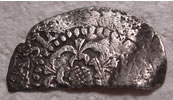 |
||
|
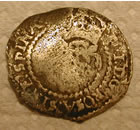
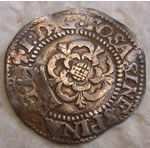
1604-5
James 1st hammered silver half groat ( 2 pence)(d) |
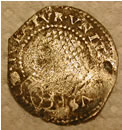
1604-5
James 1st hammered silver half groat |
||
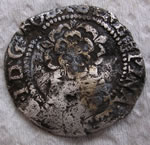 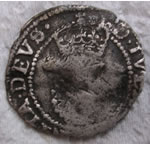 |
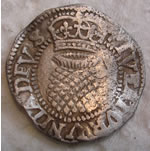  |
||
|
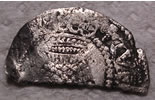
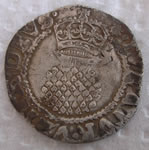
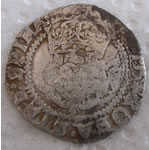
1604-5
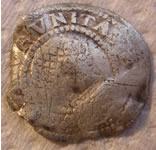
James 1st hammered silver half groat (2 pence) 0.90g |
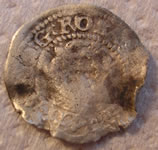
1604-5
James 1st hammered silver half groat (2 pence) |
||
  |
  |
||
|
1604-
19 James 1st
hammered silver half groat (2 pence ) Second
coinage
|
1604-5
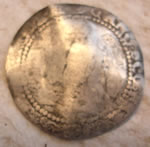
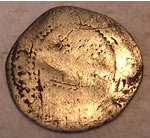
James 1st hammered silver half groat (2 pence)
|
||
  |
  |
||
|
1605 James
1st Irish hammered silver half groat (2 pence)
|
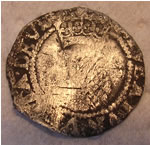
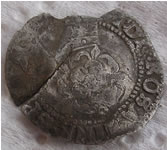
James 1st
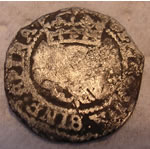
1604-5 hammered silver half groat (2 pence)
|
||
  |
 |
||
|
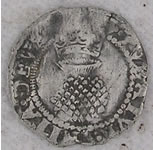
1604-5
James 1st hammered silver half groat ( 2 pence) |
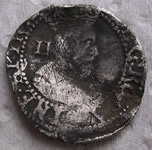
1605 James
1st hammered silver half groat ( 2 pence) |
||
  |
  |
||
|
1605 James
1st hammered silver half groat ( 2 pence) |
1603-4
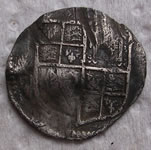
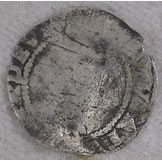
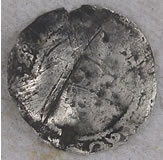
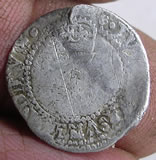
James 1st hammered silver half groat (2 pence) |
||
  |
  |
||
|
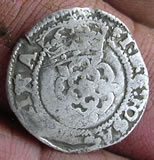
1603
James 1st hammered silver half groat |
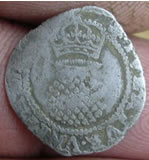
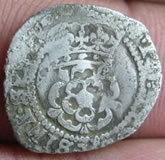
1613-
15 James 1st hammered silver half groat ( 2 pence ) Cinquefoil mint
mark |
||
  |
  |
||
|
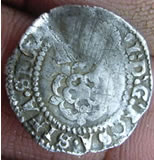
1618-19
James 1st hammered silver half groat - Plain cross mint mark 2nd coinage
|
1603
James 1st hammered silver half groat (2 pence) |
||
  |
  |
||
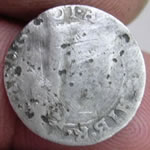
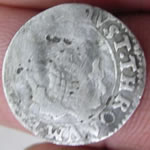
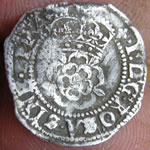
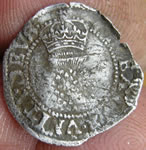
1603 James 1st hammered silver half groat (2 pence) |
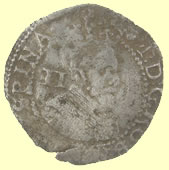
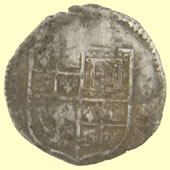
1604 - 5 James 1st hammered silver half groat (2 pence) First coinage Lis mintmark 1.26g, 18.28mm |
||
  |
  |
||
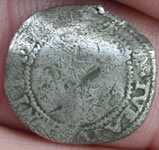
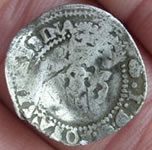
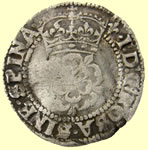
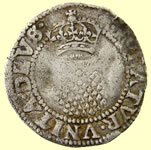
1603-4 James 1st hammered silver half groat - first issue 0.96g, 16.80mm |
1615 -16 James 1st hammered silver half groat - 2nd issue Tun mintmark - 0.69g, 16.17mm |
||
  |
  |
||
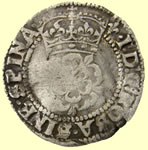
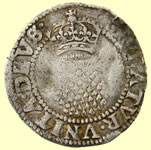
1604-19 James 1st hammered silver half groat |
1623-4 James 1st hammered silver half groat - 3rd coinage Lis mintmark |
||
  |
  |
||
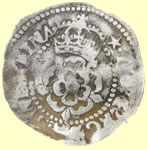
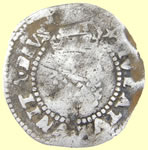
1619-20 hammered silver half groat - spur rowell mintmark 3rd coinage |
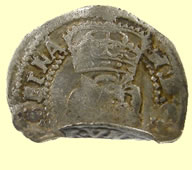
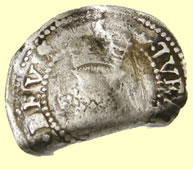
1607-9 James 1st hammered silver half groat- Coronet mint mark 2nd coinage |
||
  |
  |
||
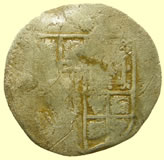
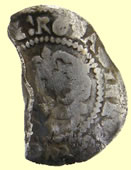
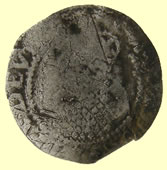
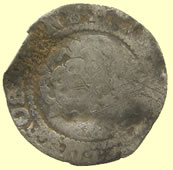
1603 -4 James 1st hammered silver half groat - 1st issue |
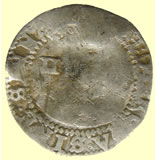
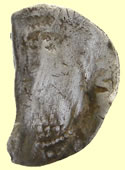
1603 James 1st hammered silver half groat |
||
  |
  |
||
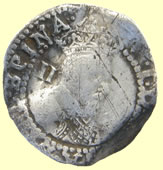
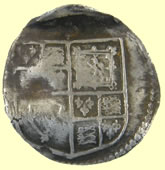
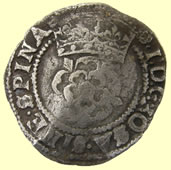
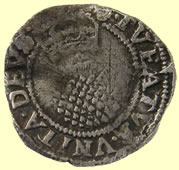
1603 James 1st hammered silver half groat |
1603 James 1st hammered silver half groat |
||
  |
  |
||
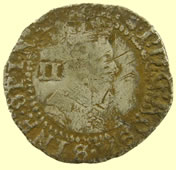
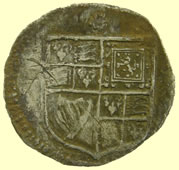
1607 -9 James 1st hammered silver half groat |
1604-19 James 1st hammered silver half groat |
||
  |
  |
||
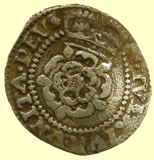
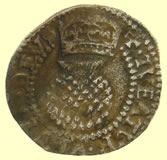
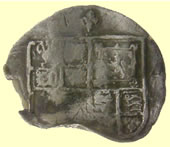
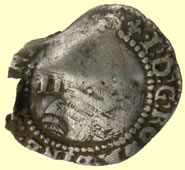
1618-19 James 1st hammered silver half groat - Plain cross 2nd coinage |
1604-5 James 1st hammered silver half groat |
||
  |
  |
||
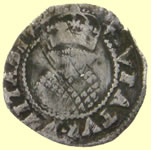
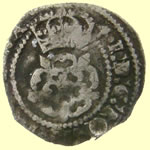
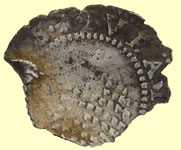
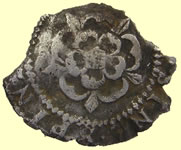
1618-19 James 1st hammered silver 2 pence |
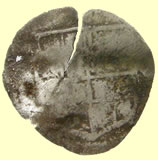
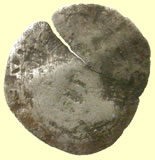
1603 James 1st hammered silver half groat |
||
  |
  |
||
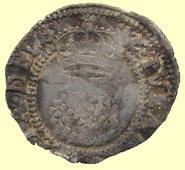
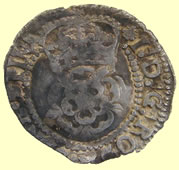
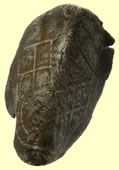
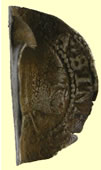
1603 James 1st hammered silver half groat |
1606-7 James 1st hammered silver half groat |
||
  |
  |
||
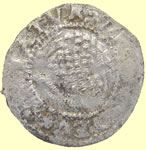
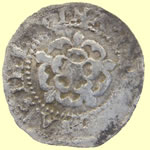
1603 James 1st hammered silver hlaf groat |
1603 James 1st hammered silver half groat |
||
  |
  |
||
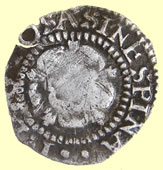
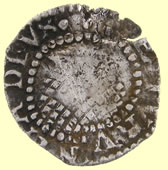
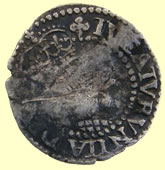
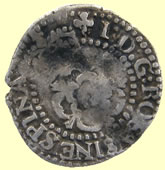
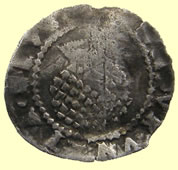
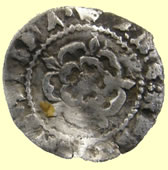
| 1630 James 1st hammered silver half groat | 1613 James 1st hammered silver half groat - Trefoil mint mark | ||
  |
  |
||
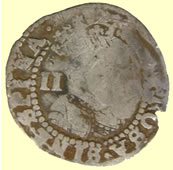
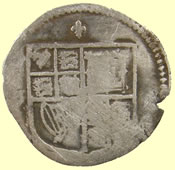
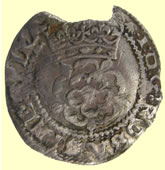
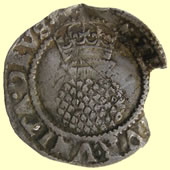
| 1607-9 James 1st half groat - Crown mint mark | 1604-5 James 1st hammered silver half groat - First coinage Lis mint mark | ||
  |
  |
||
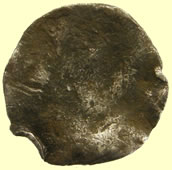
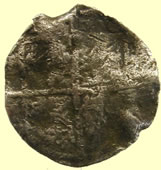
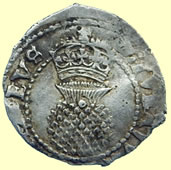
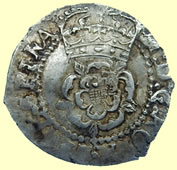
| 1603 James 1st hammered silver half groat | 1603 James 1st hammered silver half groat | ||
  |
  |
||
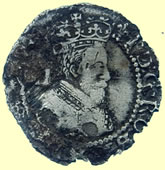
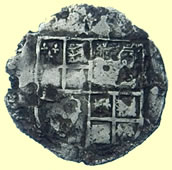
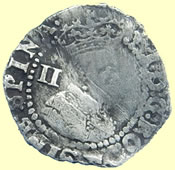
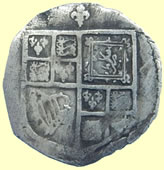
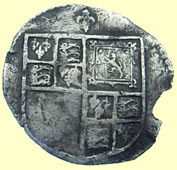
| 1603 James 1st hammered silver half groat | 1604 -5 James 1st hammered silver half groat - First issue - Lis mint mark | ||
  |
  |
||
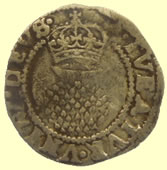
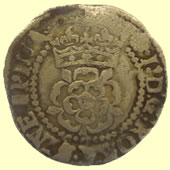
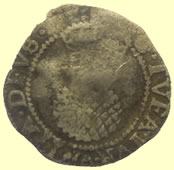
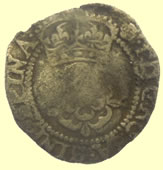
| 1623- 4 James 1st hammered silver half groat - Lis mint mark | 1604 -5 James 1st hammered silver half groat - Lis mint mark | ||
  |
  |
||
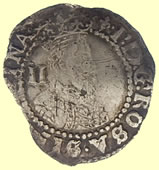
| 1603 James 1st hammered silver half groat | 1605-6 James 1st hammered silver half groat - Rose mint mark | ||
  |
  |
||
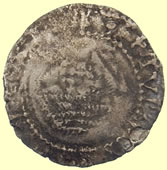
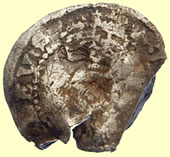
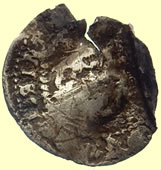
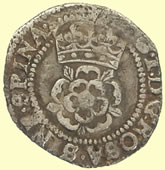
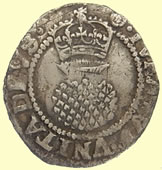
| 1604 -5 James 1st hammered silver half groat - Lis mint mark | 1618-19 James 1st hammered silver half groat | ||
  |
  |
||
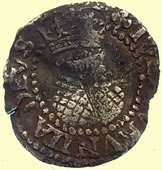
| 1604 James 1st hammered silver half groat | 1603 James 1st hammered silver half groat | ||
  |
  |
||
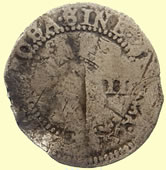
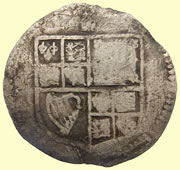
| 1613 James 1st hammered silver half groat - Trefoil mint mark | Possible 1603 James 1st hammered silver half groat | ||
  |
  |
||
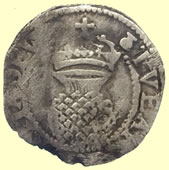
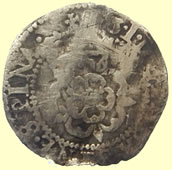
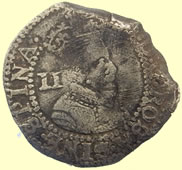
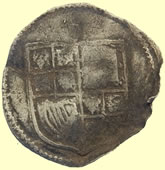
| 1621-3 James 1st hammered silver half groat - Thistle mint mark | 1603- 4 James 1st hammered silver half groat- Thistle mint mark | ||
  |
  |
||
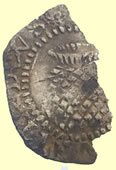
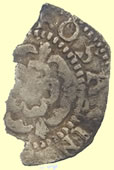
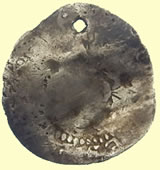
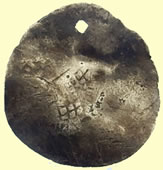
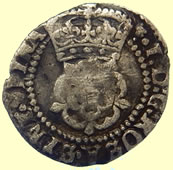
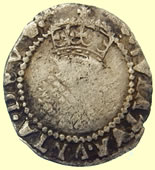
| 1603 James 1st hammered silver half groat | 1603 James 1st hammered silver half groat | ||
  |
  |
||
| 1603 James 1st hammered silver half groat | 1603 James 1st hammered silver half groat | ||
  |
  |
||
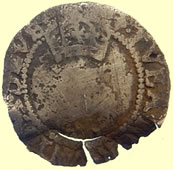
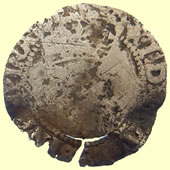
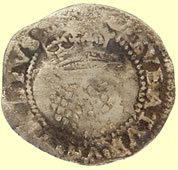
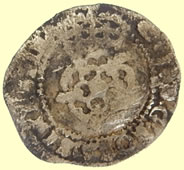
| 1604-5 James 1st hammered silver half groat - Lis mint mark | 1607-9 James 1st hammered silver half groat - Coronet mint mark | ||
  |
  |
||
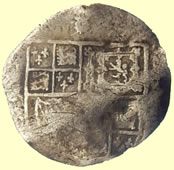
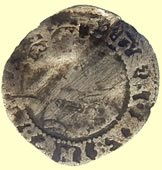
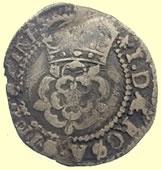
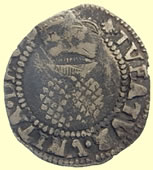
| 1603-4 James 1st hammerted silver half groat- Thistle mint mark | 1606-7 James 1st hammered silver half groat - Escallop mint mark | ||
  |
  |
||
| 1603 James 1st hammered silver half groat | 1603 James 1st hammered silver half groat | ||
  |
  |
||
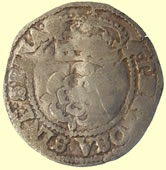
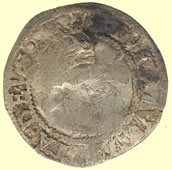
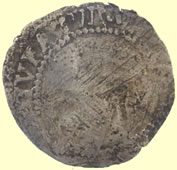
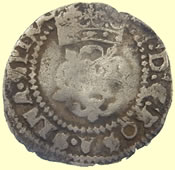
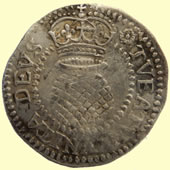
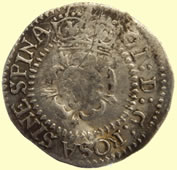
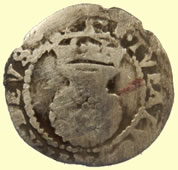
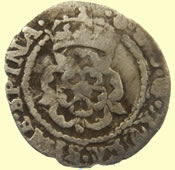
| 1604-5 James 1st hammered silver half groat (2 pence) | 1603 James 1st hammered silver half groat | ||
  |
  |
||
| 1620-1 James 1st hammered silver half groat- Rose mint mark | 1606 James 1st hammered silver half groat-escallop mint mark | ||
  |
  |
||
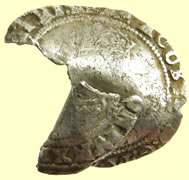
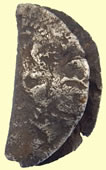
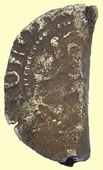
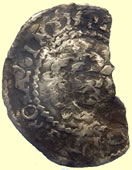
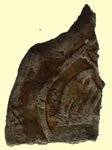
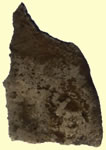
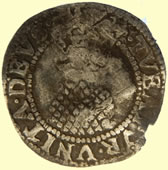
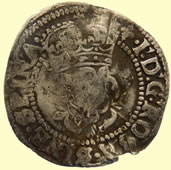
| 17thC James 1st hammered silver half groat fragment | 1623-4 James 1st hammered silver half groat - Lis mint mark | ||
  |
  |
||
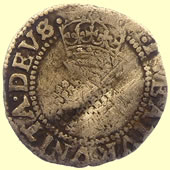
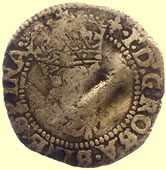
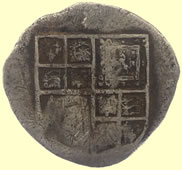
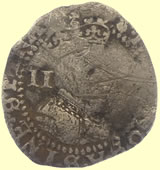
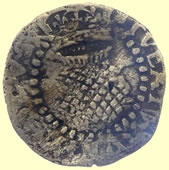
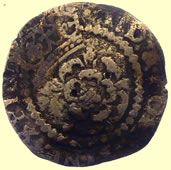
| 1604-5 James 1st hammered silver half groat - Lis mint mark | 1606-7 James 1st hammered silver half groat - Escallop mint mark | ||
  |
  |
||
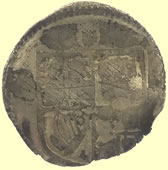
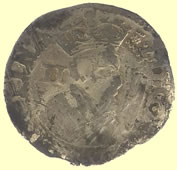
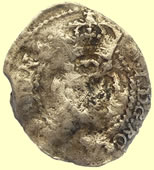
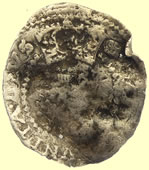
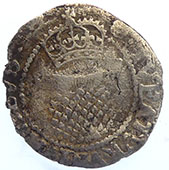
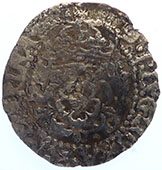
| 1603 James 1st hammered silver half groat | 1621- 3 James 1st hammered silver half groat - Thistle mint mark | ||
  |
  |
||
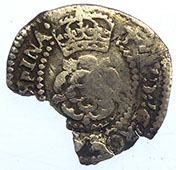
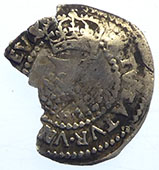
| 1603 James 1st hammered silver half groat | 1605-6 James 1st hammered silver half groat- rose mint mark | ||
  |
  |
||
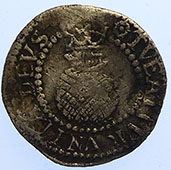
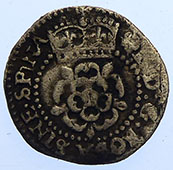
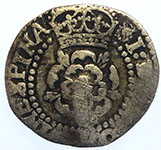
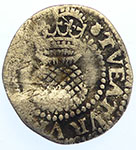
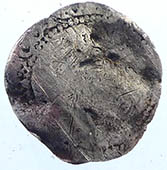
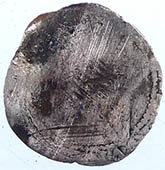
| 1624 James 1st hammered silver half groat | 1605 -6 James 1st hammered silver half groat - Rose mint mark | ||
  |
  |
||
| 1621- 3 James 1st hammered silver half groat - Thistle mint mark | 1603 James 1st hammered silver half groat | ||
  |
  |
||
| 1603 James 1st hammered silver half groat | 1606-7 James 1st hammered silver half groat - Escallop mint mark | ||
  |
|||
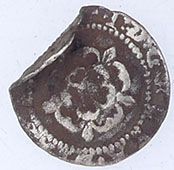
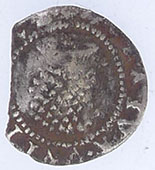
| 1603 James 1st hammered silver half groat | |||
Groat (4 pence)
|
|||
  |
|||
|
Irish 1605
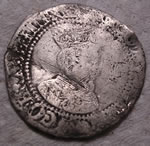
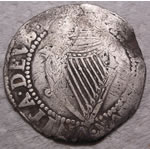
James 1st hammered silver groat (4 pence)
|
|||
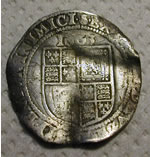
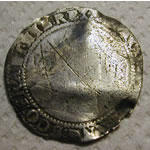
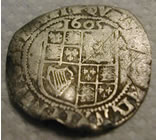
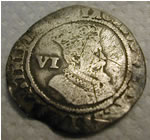
Six pence
|
|||
 |
 |
 |
 |
|
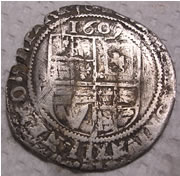
1603 James
1st hammered silver sixpence |
1605 James
1st hammered silver sixpence(y) |
||
 |
 |
||
|
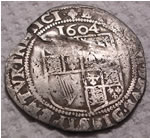
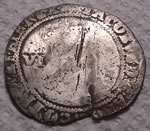
1609 James
1st hammered silver six pence third bust |
|||
 |
 |
 |
 |
|
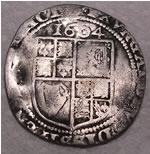
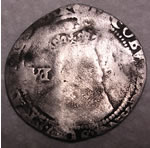
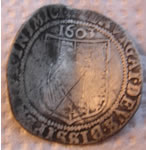
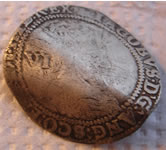
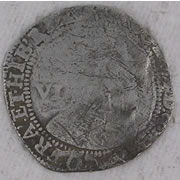
1604 James
1st hammered silver sixpence(y) |
1604 James
1st hammered silver 6 pence
|
||
 |
 |
 |
 |
|
1603 James
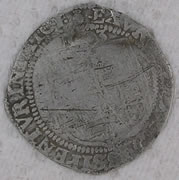
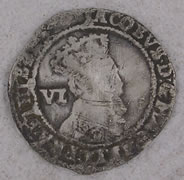
1st hammered silver sixpence - first bust |
1603 James
1st hammered silver sixpence |
||
 |
 |
 |
 |
|
1605 James 1st hammered
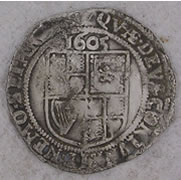
silver sixpence |
1604 James
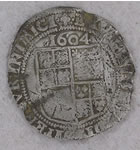
1st hammered silver sixpence |
||
  |
  |
||
|
1603
James 1st hammered silver sixpence |
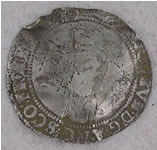
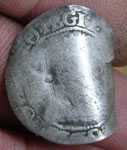
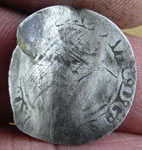
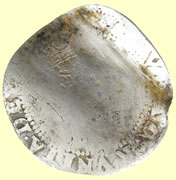
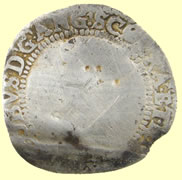
1603 James 1st hammered silver six pence - 1st issue Obv JACOBVS D G ANG SCO FRAN ET HIBER REX |
||
Fixed 1603 James 1st hammered silver sixpence |
|||
1606 James 1st hammered silver sixpence |
1605 James 1st hammered silver sixpence |
||
  |
 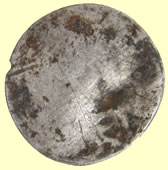 |
||
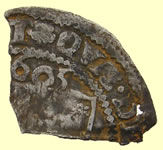
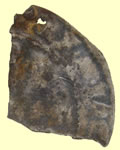
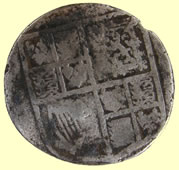
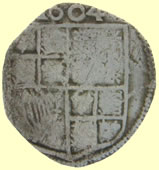
1605 James 1st hammered silver sixpence qtr |
1603 James 1st hammered silver sixpence |
||
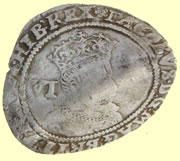 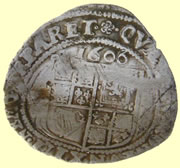 |
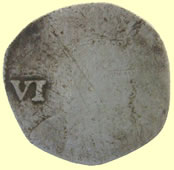  |
||
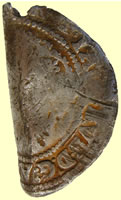
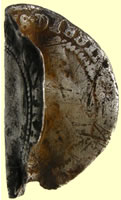
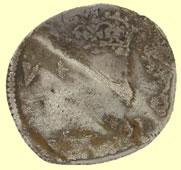
1605 -6 James 1st hammered silver 6 pence |
1604 James 1st hammered silver sixpence |
||
  |
  |
||
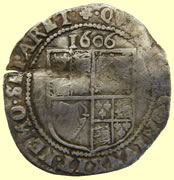
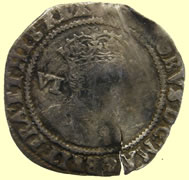
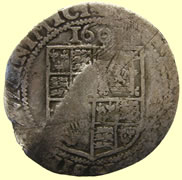
| 1603 James 1st hammered silver sixpence | 1604 James 1st hammered silver sixpence | ||
  |
  |
||
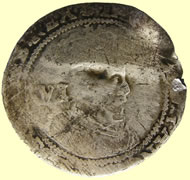
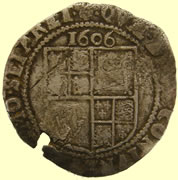
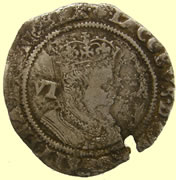
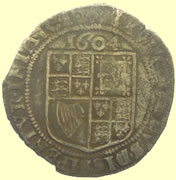
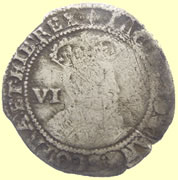
| 1606 James 1st hammered silver sixpence | 1607 James 1st hammered silver sixpence | ||
  |
  |
||
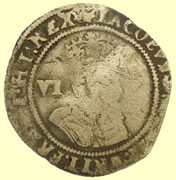
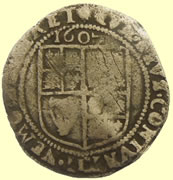
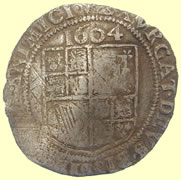
| 1606 James 1st hammered silver sixpence | 1604 James 1st hammered silver sixpence | ||
  |
  |
||
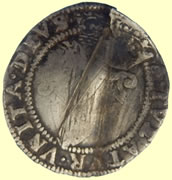
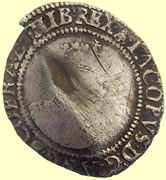
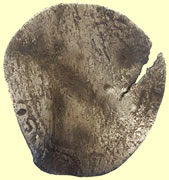
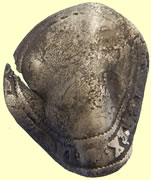
| 1607 James 1st hammered silver sixpence | 1604 Jams 1sat hammered silver six pence | ||
  |
  |
||
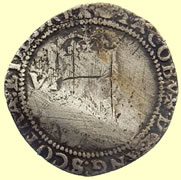
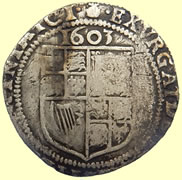
| 1610- 11 Irish James 1st hammered silver sixpence - Bell mint mark | 1613 - 15 James 1st hammered silver sixpence - Cinquefoil mint mark | ||
  |
  |
||
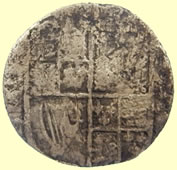
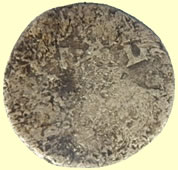
| 1603 James 1st hammered silver sixpence | 1603 James 1st hammered silver sixpence | ||
  |
  |
||
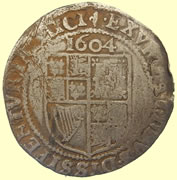
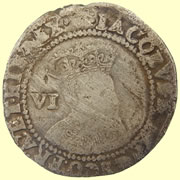
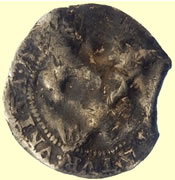
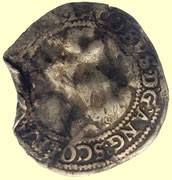
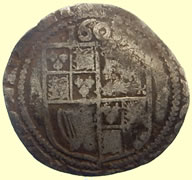
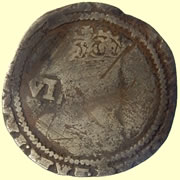
| 1603 James 1st hammered silver clipped sixpence | 1604 James 1st hammered silver sixpence - Lis mint mark | ||
  |
  |
||
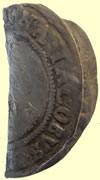
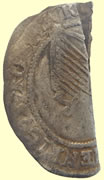
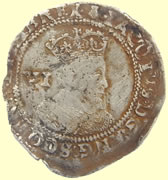
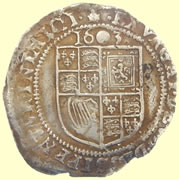
| Irish 1603 James 1st hammered silver sixpence | 1605 James 1st hammered silver sixpence | ||
  |
  |
||
| Irish 1605 - 5 James 1st 1st hammered silver sixpence - Rose mint mark | 1603 James 1st hammered silver sixpence - Thistle mint mark | ||
  |
  |
||
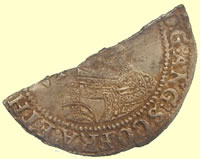
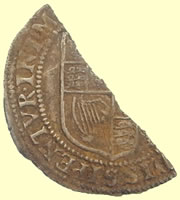
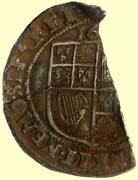
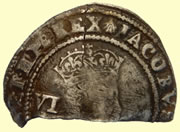
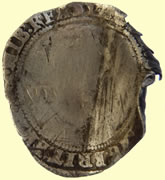
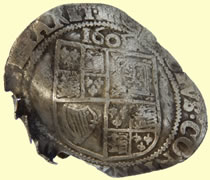
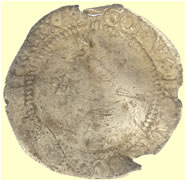
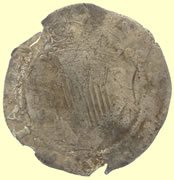
| 1603-4 James 1st hammered silver hammered silver sixpence - First coinage | 1606-7 James 1st hammered silver sixpence - Escallop mint mark | ||
  |
  |
||
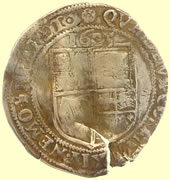
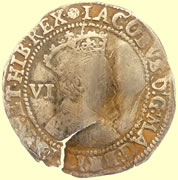
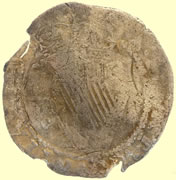
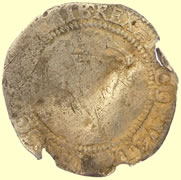
| 1605 James 1st hammered silver sixpence | 1610-11 Irish James 1st hammered silver sixpence - Bell mint mark | ||
  |
  |
||
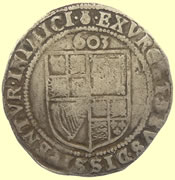
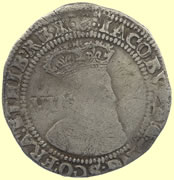
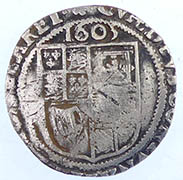
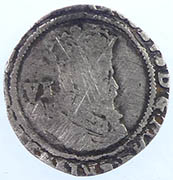
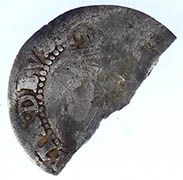
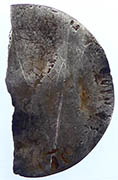
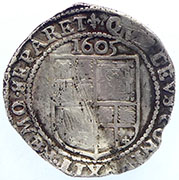
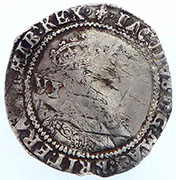
| 1605 James 1st hammered silver sixpence - Rose mint mark | 1610-11 Irish James 1st hammered silver sixpence - Bell mint mark Obv JACOBUS D.G. ANG SCO FRA ET HIB REX Rev TUEATUR UNITA DEUS |
||
  |
  |
||
| 1603 James 1st hammered silver sixpence -Thistle mint mark | 1605 James 1st hammered silver sixpence | ||
  |
  |
||
| 1610- 11 Irish James 1st hammered silver sixpence | 1605 James 1st hammered silver sixpence - Lis mint mark | ||
  |
  |
||
| 1604 James 1st hammered silver sixpence | 1603 James 1st hammered silver sixpence | ||
Shilling (12 pence)
|
|||
|
  |
||
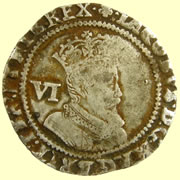
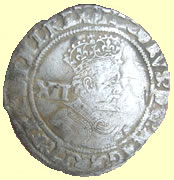
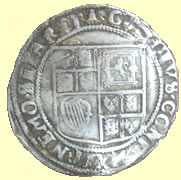
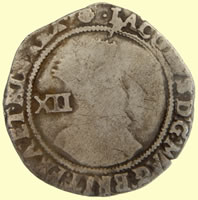
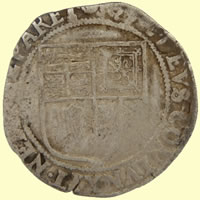
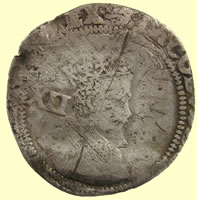
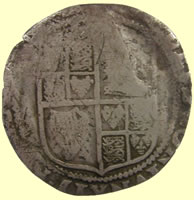
1610-11 James 1st hammered silver shilling (12 pence) Bell mint mark 3rd coinage 6th bust- very rare coin as it should have 5th bust with this year and mint mark 5.87g, 32.02mm |
1605-6 James 1st hammered silver shilling - Rose mint mark 5.65g,29.83mm |
||
  |
  |
||
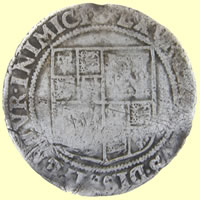
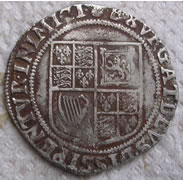
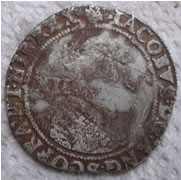
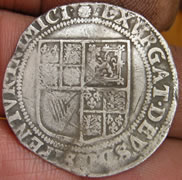
1619-25 James 1st hammered silver shilling (XII pence) 3rd coinage |
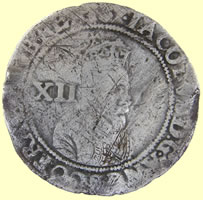
1619 -25 James 1st hammered silver shilling ( 12 pence) curly hair bust - 3rd coinage | ||
  |
  |
||
|
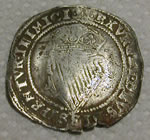
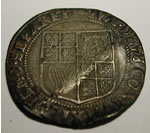
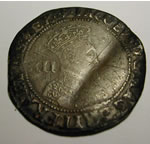
1606-7
James 1st hammered silver shilling |
1605 James 1st hammered silver sixpence | ||
  |
  |
||
|
James 1st
1605 Irish hammered silver shilling |
1603-4
James 1st hammered silver shilling |
||
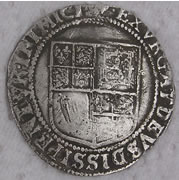 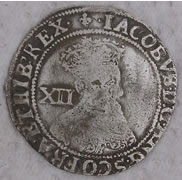 |
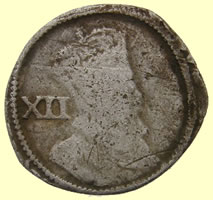 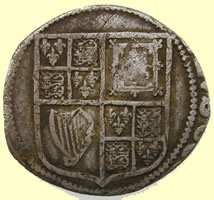 |
||
|
1604-5 James 1st hammered silver shilling (12 pence) 2nd bust First coinage Obv IOCOBUS D G ANG SCO FRAN ET HIBER REX Rev EXURGAT DEUS DISSIPENTUR INIMICI |
1603 James 1st hammered silver shilling (12 pence) | ||
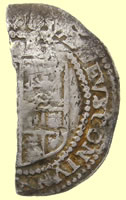 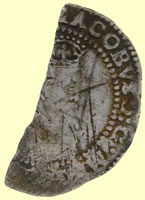 |
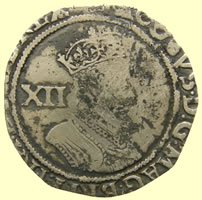 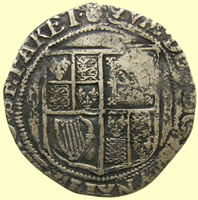 |
||
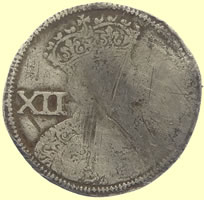
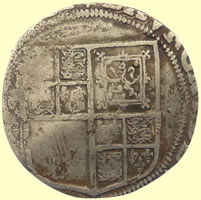
| 1603 James 1st hammered silver shilling (12 pence) | 1621-3 James 1st hammered silver shilling (12 pence) | ||
  |
  |
||
| 1603 James 1st hammered silver shilling | 1603 James 1st hammered silver shilling - 12 pence | ||
  |
  |
||
| 1623-4 James 1st hammered silver shilling- Lis mint mark | 1618-19 James 1st hammered silver shilling - Plain cross | ||
  |
|||
| Irish 1603-1604 James 1st hammered silver shilling - Bell mint mark - First coinage | |||