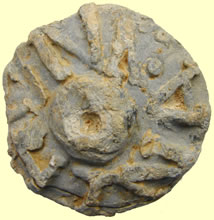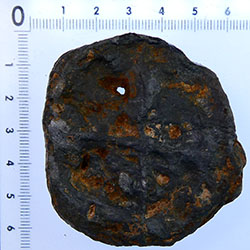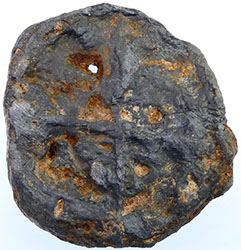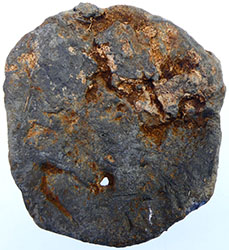
Metal detecting holidays in England with the World's most successful metal detecting club.20 years plus.
Twinned with Midwest Historical Research Society USA.
Trade weights |
|
The basic traditional unit of weight, the pound, originated as a Roman unit and was used throughout the Roman Empire. The Roman pound was divided into 12 ounces, but many European merchants preferred to use a larger pound of 16 ounces, perhaps because a 16-ounce pound is conveniently divided into halves, quarters, or eighths. During the Middle Ages there were many different pound standards in use, some of 12 ounces and some of 16. The use of these weight units naturally followed trade routes, since merchants trading along a certain route had to be familiar with the units used at both ends of the trip. In traditional English law the various pound weights are related by stating all of them as multiples of the grain, which was originally the weight of a single barleycorn. Thus barleycorns are at the origin of both weight and distance units in the English system. The oldest English weight system has been used since the time of the Saxon kings. It is based on the 12-ounce troy pound, which provided the basis on which coins were minted and gold and silver were weighed. Since Roman coins were still in circulation in Saxon times, the troy system was designed to model the Roman system directly. The troy pound weighs 5760 grains, and the ounces weigh 480 grains. Twenty pennies weighed an ounce, and therefore a pennyweight is 480/20 = 24 grains. The troy system continued to be used by jewelers and also by druggists until the nineteenth century. Even today gold and silver prices are quoted by the troy ounce in financial markets everywhere. Since the troy pound was smaller than the commercial pound units used in most of Europe, medieval English merchants often used a larger pound called the "mercantile" pound (libra mercatoria). This unit contained 15 troy ounces, so it weighed 7200 grains. This unit seemed about the right size to merchants, but its division into 15 parts, rather than 12 or 16, was very inconvenient. Around 1300 the mercantile pound was replaced in English commerce by the 16-ounce avoirdupois pound. This is the pound unit still in common use in the U.S. and Britain. Modeled on a common Italian pound unit of the late thirteenth century, the avoirdupois pound weighs exactly 7000 grains. The avoirdupois ounce, 1/16 pound, is divided further into 16 drams. Unfortunately, the two English ounce units don't agree: the avoirdupois ounce is 7000/16 = 437.5 grains while the troy ounce is 5760/12 = 480 grains. Conversion between troy and avoirdupois units is so awkward, no one wanted to do it. The troy system quickly became highly specialized, used only for precious metals and for pharmaceuticals, while the avoirdupois pound was used for everything else. Since at least 1400 a standard weight unit in Britain has been the hundredweight, which is equal to 112 avoirdupois pounds rather than 100. There were very good reasons for the odd size of this "hundred": 112 pounds made the hundredweight equivalent for most purposes with competing units of other countries, especially the German zentner and the French quintal. Furthermore, 112 is a multiple of 16, so the British hundredweight can be divided conveniently into 4 quarters of 28 pounds, 8 stone of 14 pounds, or 16 cloves of 7 pounds each. The ton, originally a unit of wine measure, was defined to equal 20 hundredweight or 2240 pounds. During the nineteenth century, an unfortunate disagreement arose between British and Americans concerning the larger weight units. Americans, not very impressed with the history of the British units, redefined the hundredweight to equal exactly 100 pounds. The definition of the ton as 20 hundredweight made the disagreement carry over to the size of the ton: the British "long" ton remained at 2240 pounds while the American "short" ton became exactly 2000 pounds. (The American hundredweight became so popular in commerce that British merchants decided they needed a name for it; they called it the cental.) Today, most international shipments are reckoned in metric tons, which, coincidentally, are rather close in weight to the British long ton.
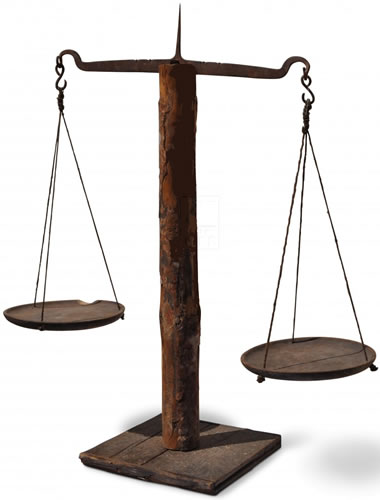
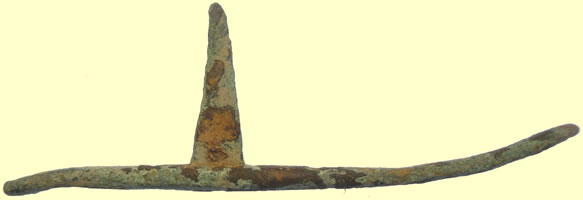
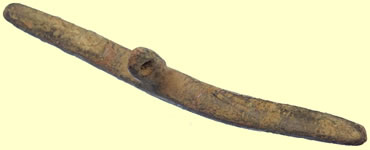
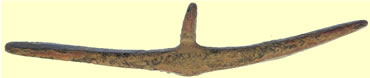
Medieval balance scale arms
|
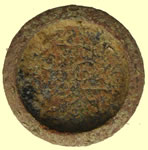
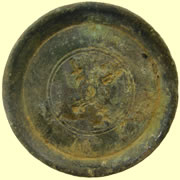
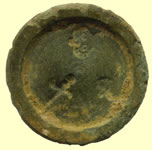
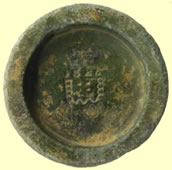
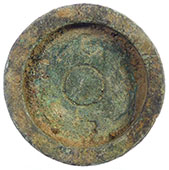
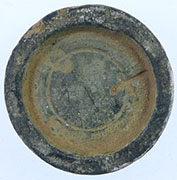
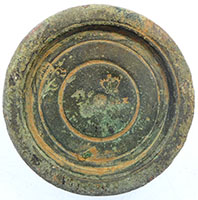
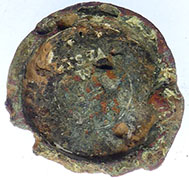
Circular trade weights -c1422 AD to Victorian |
|||
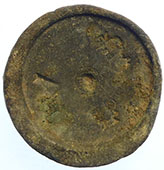
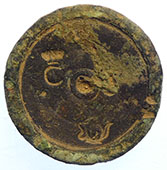
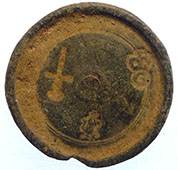
Marks on weightsCommercial weights have always been regulated by some authority or other, and generally exhibit marks showing when, and by whom, they were tested. Cast-iron weights generally have either a lead plug underneath, into which a stamp can be made, although older weights can have copper, brass, or lead plugs in the top of the weight. Brass weights can be stamped into directly, or can have a lead plug. Where lead is used, adding more or less weight allows the weight to be adjusted be the tester. The marks on a weight usually consist of:
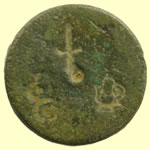
Other marks you may see on weights include: A large letter A - meaning Avoirdupois, a small 'chequer board' - meaning that the weight was used to check other weights, a dagger - meaning that it was stamped in London , and a ewer (looks like a coffee-pot) and the date 1826 - which means it was assayed between 1826 and 1892.
Stunning 16thC Tudor Elizabeth 1st trade weight - Crown EL London hall mark.
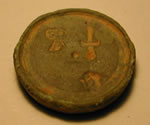
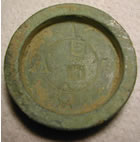
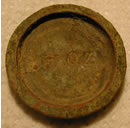
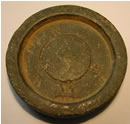
Huge Victorian 8oz (1/2 lb) trade weight The four districts of Middlesex were allocated the numbers 28-31 in the new system. The mark shown here was used in District 1 (the Tower Hamlets area) from 1879 to 1889, after which the district came under the jurisdiction of the new London County Council. |
|||
 |
 |
 |
 |
|
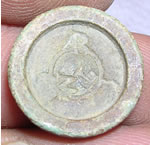
Rare
1700 nicely hallmarked Queen Ann trade weight |
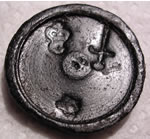
London
hallmarked George III trade weight(b) |
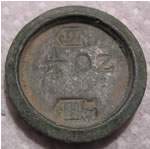
1/2
Oz trade weight(y) |
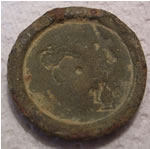
Trade
weight probably William III or IV (b) |
 |
 |
 |
 |
|
George
1st London hallmark trade weight |
George
1st trade weight |
1/4 Oz trade weight Middlesex mark 1850's |
Trade
weight hallmarked William 1696 |
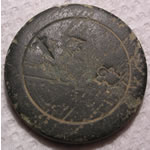 |
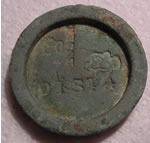 |
 |
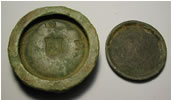 |
|
Hallmarked
London trade weight (b) |
Essex
hallmarked trade weight |
Huge
George 1st 1714 AD London hallmarked trade weight |
2-
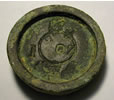
trade weights with a hallmark that is not in the reference book |
 |
 |
 |
 |
|
One
once trade weigh |
London
hallmarked trade weight |
George
II trade weight |
Trade
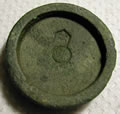
weight(c) |
 |
 |
 |
 |
|
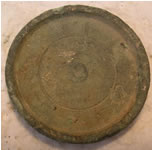
19thC London trade weight Middlesex mark 1850's(r) |
20thC
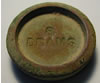
2 oz trade weight |
George
III London hallmark trade weight |
8 Drams
weight |
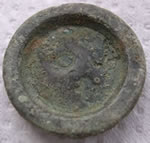 |
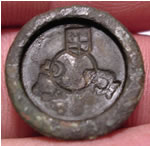 |
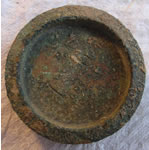 |
 |
|
George
1st London trade weight |
George
1st trade weight Lincoln Hallmark |
1 oz
Victorian trade weight |
George
II London hallmarked trade weight |
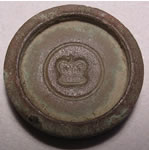 |
 |
 |
 |
|
Trade
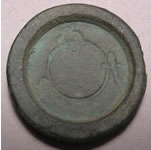
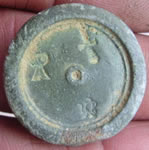
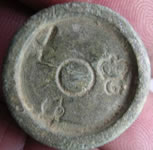
weight not in the reference books - possible Post Office |
George
II London hallmarked trade weight |
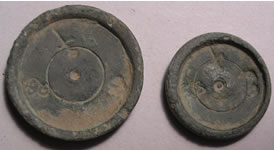
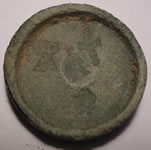
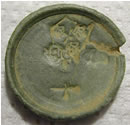
1704 Queen Anne trade weight - Crown A London |
1714 George 1st trade weight - Crown G mark - London |
 |
 |
 |
|
2 George
II trade weights London mint |
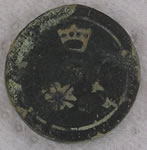
1705 Queen Anne trade weight London mint | Georgian trade weight, , Crown G London hallmark | |
 |
 |
 |
 |
17thC
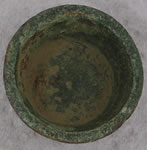
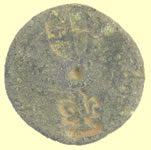
bronze cup type bullion weight |
Interesting
bronze trade weight - possibly Dutch |
George 1st trade weight - Crown G London mark |
19thC London Guildhall hallmark trade weight |
 |
 |
 |
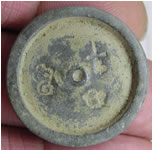 |
| 1690's William and Mary trade weight with London hall mark sword and ewer | George 1st trade weight - Cown G cipher London | Georgian
coin weight - Portcullis type - Westminster mark |
George
II trade weight - London hall mark 1.84 g |
 |
 |
 |
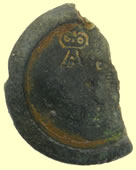 |
Victorian 2oz trade weight - Crown VR mark |
1670's Charles II trade weight - Crown C cipher London | Victorian 2oz trade weight - Cown VR mark |
1704 Anne trade weight - Crown A cipher |
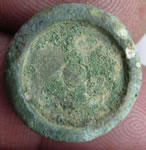 |
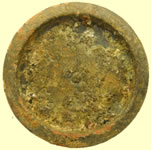 |
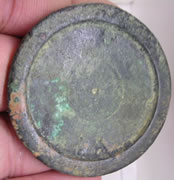 |
|
George 1st trade weight |
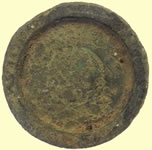
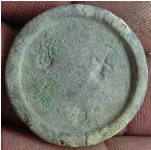
Victorian trade weight - Crown VR cipher | 1509-47 Henry VIII trade weight - London hallmark, Crown h - 1.9oz 48.9mm dia |
|
|
 |
 |
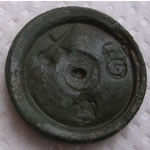 |
George 1st trade weight |
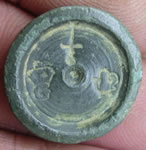
Georgian trade weight | George
III trade weight - London mint |
George
III trade weight - London mint |
 |
 |
 |
|
3 -
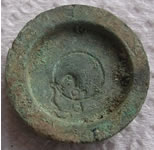
Trade weights - need more cleaning but the bottom one is a George 1st
London mint |
George III trade weight with London hallmarks
|
George III trade weight with London hallmarks
|
|
 |
 |
 |
 |
1696
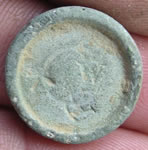
William III trade weight - London mint mark, crown with W |
Victorian
trade weight - Crown VR - 12.73g |
George III trade weight with London hallmarks |
Victorian
trade weight with full hall marks |
  |
 |
||
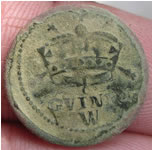
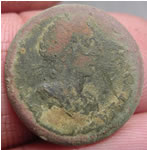
1696 William III weight - NOT a coin weight but market traders weight Crown above GVINEA W type |
1509
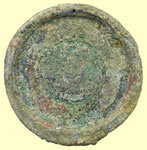
AD Monster sized trade weight with Crown h mint mark indicating Henry
VIII |
||
 |
 |
 |
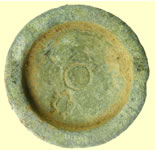 |
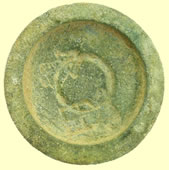
1509 - 47 AD Henry VIII trade weight - Crown h mintmark |
1826 William IIII trade weight - London Crown W 6.87g |
1704 Queen Anne trade weight - London mintmark Crown A |
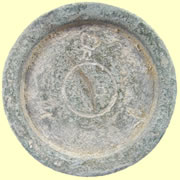
Georgian trade weight - London hallmark |
  |
 |
 |
|
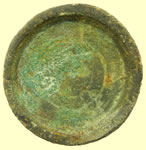
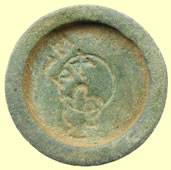
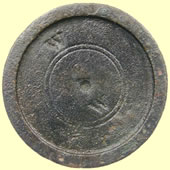
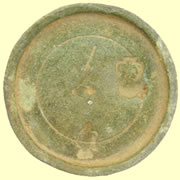
16th C Henry VIII trade weight - Crown h mark London Interesting marks on reverse to lighten the weight ? |
Georgian trade weight - London hallmark |
1830's trade weight - London guildhall hallmark |
|
 |
 |
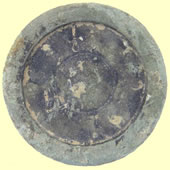 |
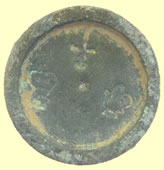 |
17thC William III trade weight |
George II trade weight - Crown G London mint |
George II trade weight - Crown G and London hallmark 53.03g,36.12mm |
George II trade weight - Crown G London mint |
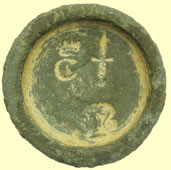 |
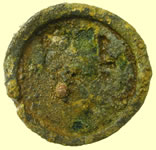 |
 |
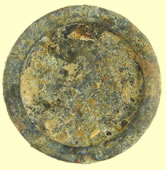 |
Stunning 17thC Charles 1st trade weight - Crown C with London hallmarks |
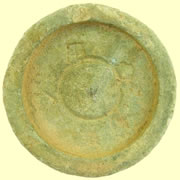
George III trade weight - Crown G hall mark |
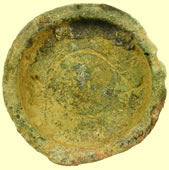
17thC William III traxde weight - Crown W london hall mark |
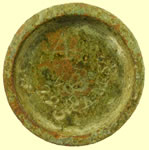
George II trade weight - Crown G London mint |
 |
 |
 |
 |
1830 London guildhall trade weight |
Georgian trade weight- Crown G mark |
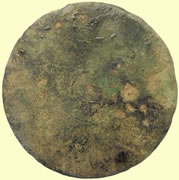
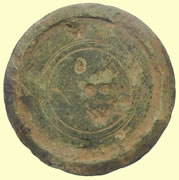
Trade weight - need more cleaning for date marks |
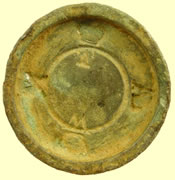
20thC 4 grams trade weight |
 |
  |
||
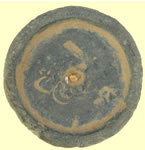
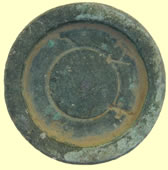
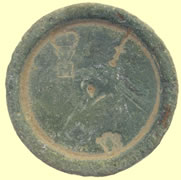
Facinating London trade weight - Stamped Crown W for 1696 William III and both Crown A for Queene Anne 1704 - Restamped after Williams death |
17thC William III trade weight - 'W' markings | ||
 |
 |
 |
 |
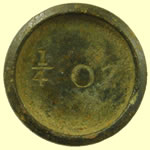
Victorian 1/4 oz trade weight |
George II trade weight - London hallmarks |
George 1st trade weight - Crown G London hall mark |
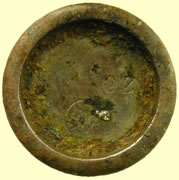
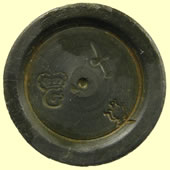
Excellent 17thC William and mary trade weight - Crown WM cipher London hallmarks |
 |
 |
 |
 |
20thC Elizabeth II 4oz trade weight |
George 1st trade weight - Crown G cypher - London hall mark |
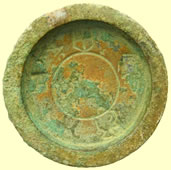
Imitation weight, forgery ? |
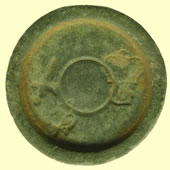
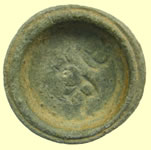
1835 London Guildhall trade weight |
 |
 |
 |
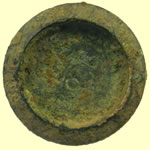 |
1835 London Guildhall trade weight |
George II trade weight - Crown G cypher - London hall mark |
George 1st trade weight - Crown G cypher - London hall mark |
Victorian 1/2 oz trade weight |
  |
 |
 |
|
Georgian trade weight - Crown G London mark |
George II trade weight - Crown G cypher - London hall mark |
George II trade weight - Crown G cypher - London hall mark |
|
 |
 |
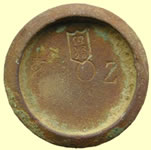 |
 |
1634 Charles 1st trade weight - Crown CR cipher |
George II trade weight - Crown G cypher - London hall mark |
Victorian trade weight - Crown VR 28 cipher The four districts of Middlesex were allocated the numbers 28-31 in the new system. The mark shown here was used in District 1 (the Tower Hamlets area) from 1879 to 1889, after which the district came under the jurisdiction of the new London County Council. |
First totally unmarked trade weight we have ever found |
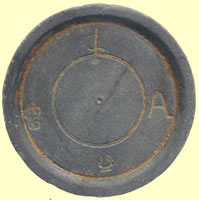 |
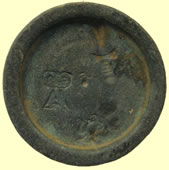 |
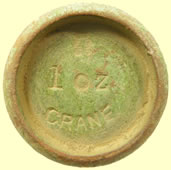 |
|
Huge George 1st trade weight - Crown G cipher London |
1704 Queen Anne trade weight - Crown A cipher |
20thC Elizabeth II 1oz trade weight - Crown ER cipher |
|
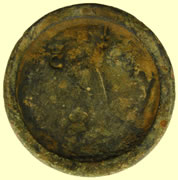 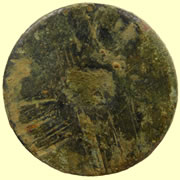 |
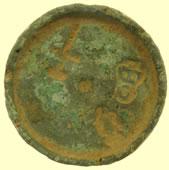 |
 |
|
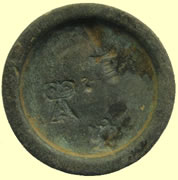
17thC Charles 1st trade weight - Crown C cipher
|
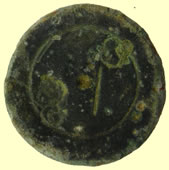
George II trade weight - Crown G cipher London |
1704 Anne tarde weight - Crown A cipher |
|
  |
 |
 |
|
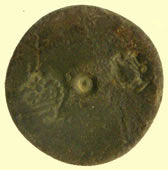
Georgian trade weight - Crown G cipher |
Georgian trade weight - Crown G cipher | 17thC William III trade weight - Crown W cipher | |
 |
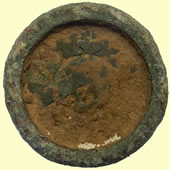 |
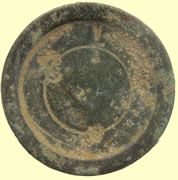 |
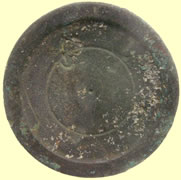 |
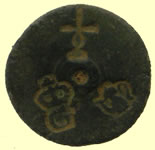
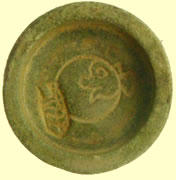
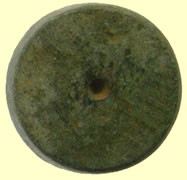
| 1634 Charles 1st weight - crown C cipher | 1830's London guildhall trade weight | George III trade weight - Crown G cipher London | George 1st trade weight - crown G cipher |
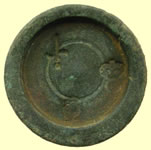 |
 |
  |
|
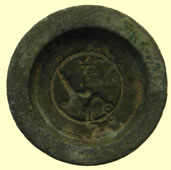
| George 1st trade weight Crown G cipher London | George II trade weight - Crown G cipher | 1830's - trade weight - London mark | |
 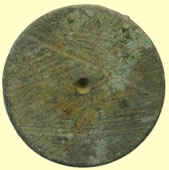 |
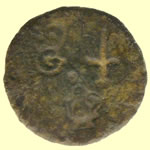  |
||
| George II trade weight - Crown G cipher London | George 1st trade weight - Crown G London cipher | ||
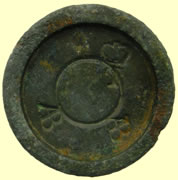 |
 |
 |
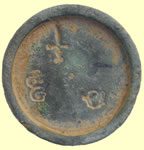 |
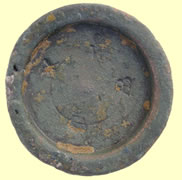
| 1603 James 1st trade weight | 1696 William III trade weight - Crown W cipher London | 1830 London guildhall trade weight | George II trade weight - Crown G cipher London |
 |
 |
 |
 |
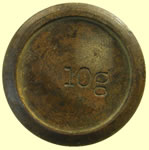
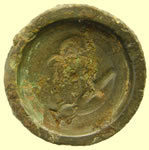
| 20thC 10g trade weight | Georgian trade weight - London | 2oz Victorian trade weight | 15thC Henry VIII trade weight - Crown h cipher - London mint |
 |
 |
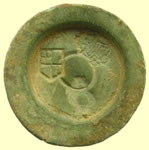 |
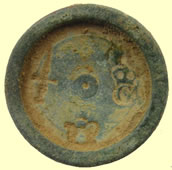 |
| George II trade weight | 1826 London trade weight | 1830's Guild hall London trade weight | George II trade weight - Crown G London |
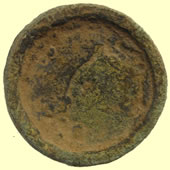 |
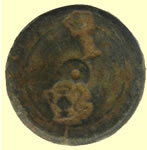  |
 |
|
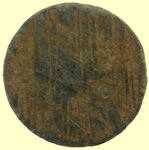
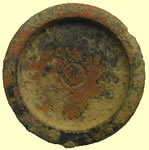
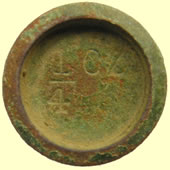
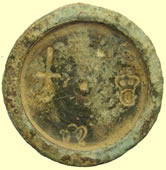
| Georgian trade weight | 1603 James 1st trade weight - Crown I cipher - London mint | Victorian trade weight | |
 |
 |
 |
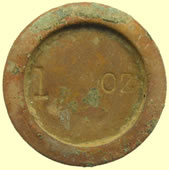 |
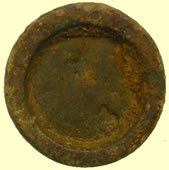
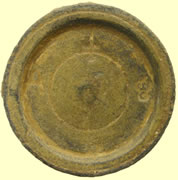
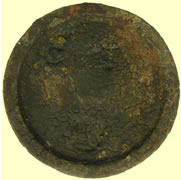
| Victorian 1/4 oz trade weight | George 1st trade weight - Cown G cipher London | George III trade weight - London hall mark | Victorian 1 oz trade weight |
 |
 |
 |
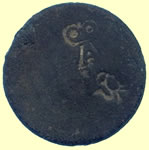 |
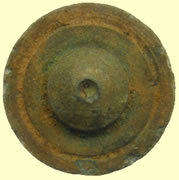
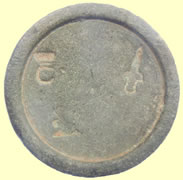
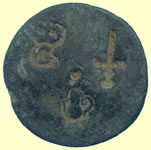
| Georgian trade weight - Crown G cipher London | 17thC Charles 1st/2nd trade weight - Crown C cipher | 17thC Charles 1st/2nd trade weight - Crown C cipher | 1704 Anne trade weight - Crown A cipher London |
  |
 |
 |
|
| Georgian trade weight | 17thC Charles 1st trade weight - Crown C cipher London | George 1st trade weight - Crown G cipher London | |
  |
 |
 |
|
| 1830's Georgian London Guildhall coin weight - Crown G and shield | Georgian trade weight Crow G cipher London |
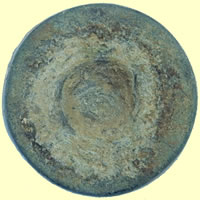
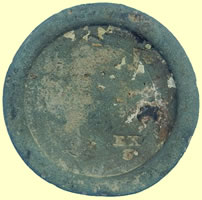
1485 Henry VII trade weight - Crown h mark | |
  |
 |
 |
|
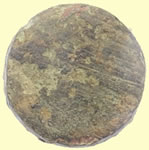
| Unknown trade weight - EX 6 marking ? | George 1st trade weight - Crwon G cipher London | George II trade weight - Crwon G cipher London | |
  |
 |
 |
|
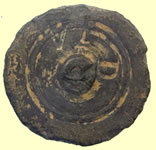
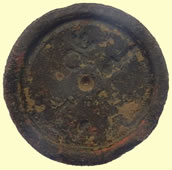
| Georgian trade weight | Unknown trade weight - Averdepois mark under I - London 1590-1826 Obv V I D - 6 pennyweights ? |
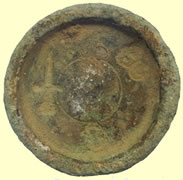
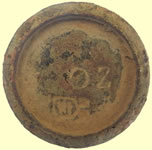
17thC Charles II trade weight - Crown C cipher London | |
 |
 |
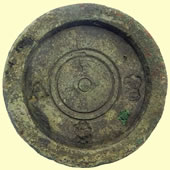 |
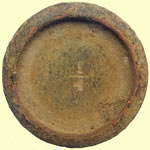 |
| George 1st trade weight - London Crown G cipher | Victorian Oz trade weight | George II trade weight - Crown G London | Victorian 1/4 oz trade weight |
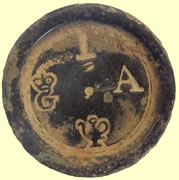 |
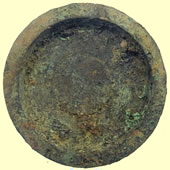 |
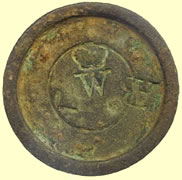 |
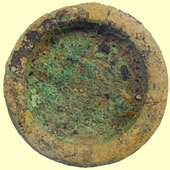 |
| George II trade weight - Crown G London cipher | Victorian trade weight | 17thC Willian III trade weight - Crown W cipher London | Victorian trade weight |
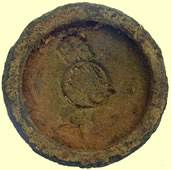 |
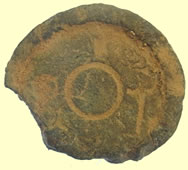 |
 |
 |
| 1830's London Guildhall trade weight | Post medieval trade weight | Georgian trade weight - Crown G London cipher | Georgian trade weight - Crown G London cipher |
  |
  |
||
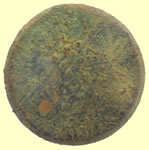
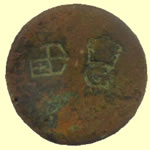
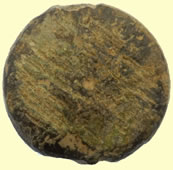
1500-1550 Henry VII to Henry VIII trade weight 40mm dia, 21.8g (0.769oz) Obv Crown h |
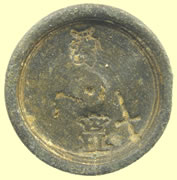
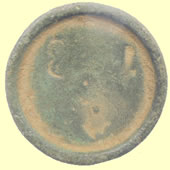
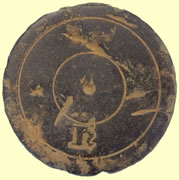
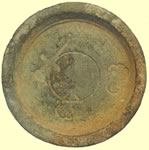
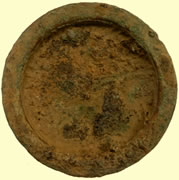
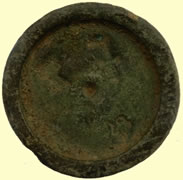
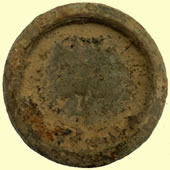
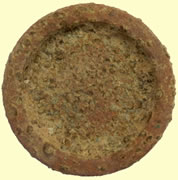
c1422 trade weight - earliest example with single crown stamped incuse | ||
 |
 |
 |
 |
| Georgian trade weight | 1703 Queen Anne trade weight Crown A cipher |
Victorian 1 oz trade weight | Georgian trade weight |
 |
 |
 |
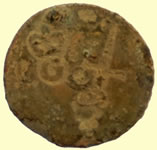 |
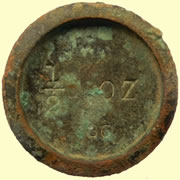
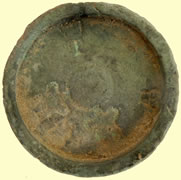
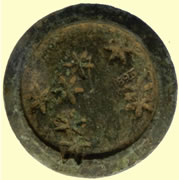
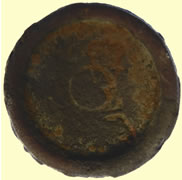
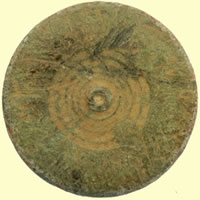
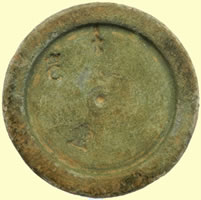
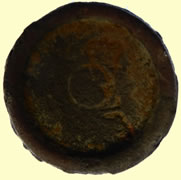
| Victorian half ounce trade weight | 1603 James 1st trade weight - Crown I cipher | Unusual trade weight - stars and 895 inscription ?? | Tiny George 1st trade weight - Crown G cipher |
 |
  |
 |
|
| 17thC William III trade weight - Crown W cipher | 17thC Charles 1st trade weight - Crown C cipher | 17thC William III trade weight - Crown W cipher | |
 |
 |
 |
 |
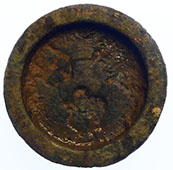
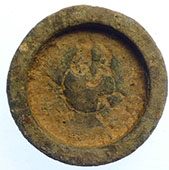
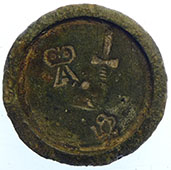
| 1704 Anne trade weight - Crown A cipher | Georgian trade weight | Georgian trade weight | Georgian II trade weight - Crown G cipher |
 |
 |
 |
 |
| 1704 Queen Anne trade weight - Crown A cipher | Georgian trade weigh - Crown G cipher | 17thC Charles II trade weight - Crown G cipher | Georgian trade weight - Crown G cipher |
 |
 |
 |
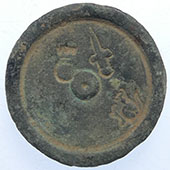 |
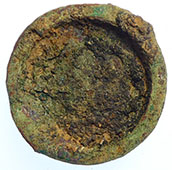
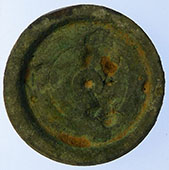
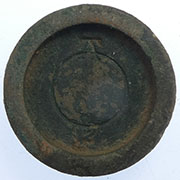
| Henry VIII trade weight | Georgian trade weight | Georgian trade weight | 17thC Charles II trade weight - Crown C cipher |
 |
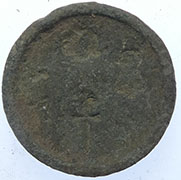 |
 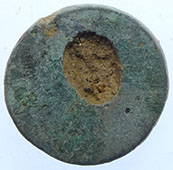 |
|
| 1700's Queen Anne trade weight - Crown A cipher | Georgian trade weight - Crown G cipher | Medieval trade weight | |
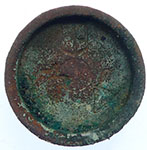 |
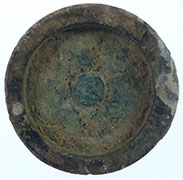 |
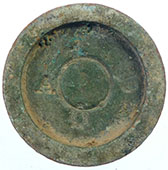 |
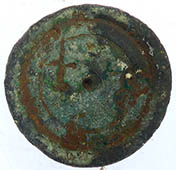 |
| 1830's London Guildhall trade weight | Georgian trade weight | Georgian trade weight | 17thC coin weight |
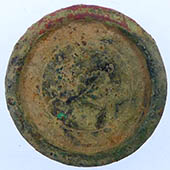 |
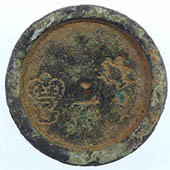 |
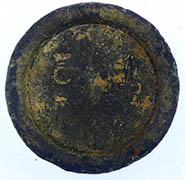 |
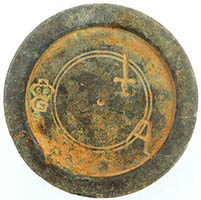 |
| Georgian trade weight | Georgian trade weight | 17thC Charles trade weight - Crown C cipher | Large Georgian trade weight - Crown G cipher |
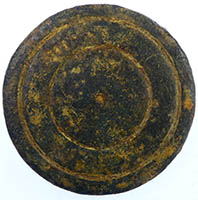 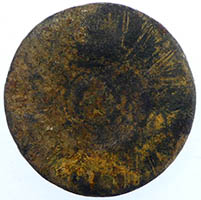 |
 |
 |
|
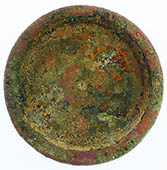
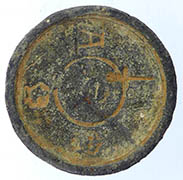
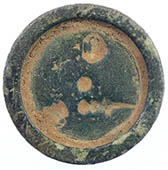
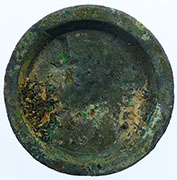
| 16thC trade weight | Georgian trade weight | Georgian trade weight | |
 |
 |
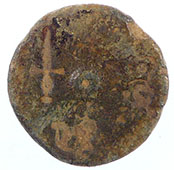  |
|
| Georgian trade weight | Georgian trade weight | Georgian trade weight | |
  |
 |
 |
|
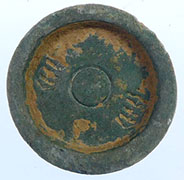
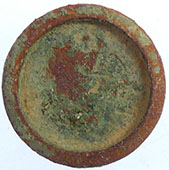
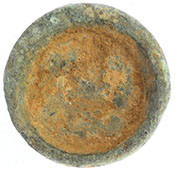
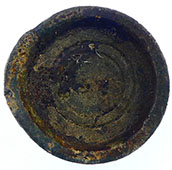
| Georgian trade weight | Georgian trade weight | Victorian half once trade weight | |
 |
 |
 |
 |
| Georgian trade weight | Georgian trade weight | Georgian trade weight | Georgian trade weight |
 |
 |
 |
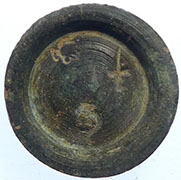 |
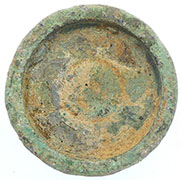
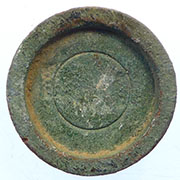
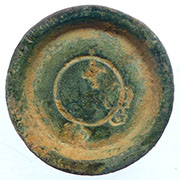
| Georgian trade weight - Crown GR cipher | Victorian trade weight | Unknown trade weight -LYSTA ? | Georgian trade weight |
 |
 |
 |
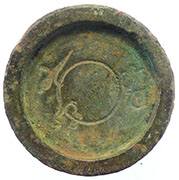 |
| Georgian trade weight | Georgian trade weight | Georgian trade weight - crown G cipher | Georgian trade weight - Crown G cipher |
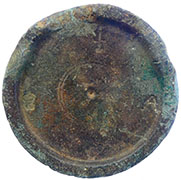 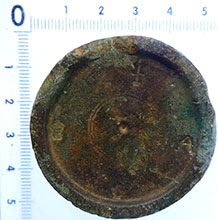 |
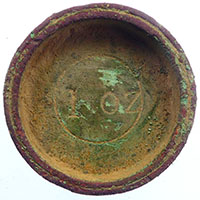 |
 |
|
| Georgian trade weight - Crown G cipher | Victorian 1oz trade weight | Georgian trade weight | |
 |
 |
 |
 |
| 16thC Henry trade weight - Crown h cipher | 16thC Henry trade weight - Crown h cipher | Georgian trade weight | Georgian trade weight |
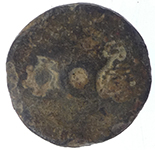
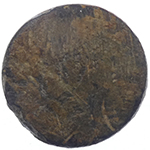
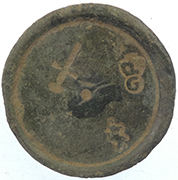
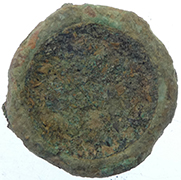
Massive 16thC Henry VII/VIII trade weight Crown H cipher |
|||
  |
 |
 |
|
| 17thC London trade weight | Georgian trade weight - London Crown G | Georgian trade weight | |
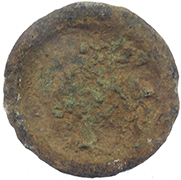 |
 |
  |
|
| Georgian trade weight | Georgian trade weight | Victorian 1/2 Lb standing trade weight - 72mm high, 8.08oz | |
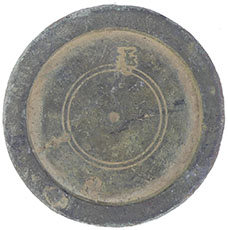 |
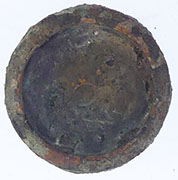 |
 |
 |
| Georgian trade weight - London mark | Victorian Oz trade weight | Georgian trade weight | Georgian trade weight |
 |
 |
 |
 |
| Georgian trade weight | 18thC trade weight | Victorian 2oz ytafe weight | Georgian trade weight - Crown G cipher |
 |
 |
 |
 |
| 17thC Charles tarde weight - Crown C cipher | 1704 Anne tarde weight - Crown A cipher | Georgian trade weight | Georgian trade weight |
 |
 |
 |
 |
| Victorian trade weight | Victorian trade weight | Georgian trade weight | Georgian trade weight |
 |
 |
 |
 |
| Georgian trade weight | Georgian trade weight | Victorian trade weight | Victorian one oz trade weight |
 |
 |
 |
 |
| Geogian trade weight | Georgian trade weight | Georgian trade weight | Georgian trade weight |
 |
 |
 |
 |
| Georgian trade weight - Crown G cipher | 17thC Charles trade weight - Crown C cipher | Victorian 1oz trade weight | Georgian trade weight |
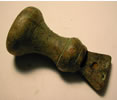
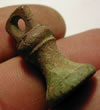
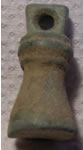
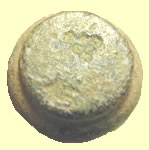
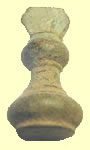
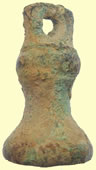
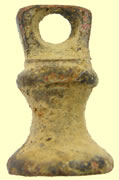
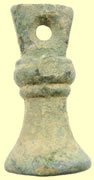
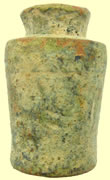
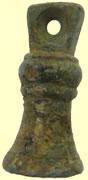
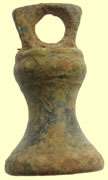
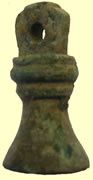
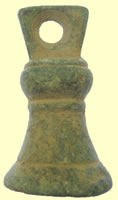
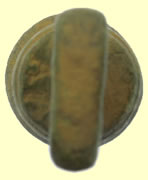
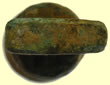
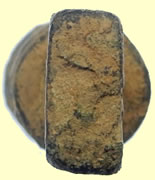
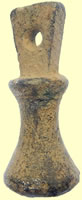
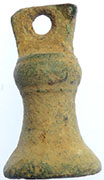
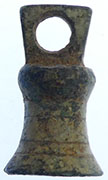
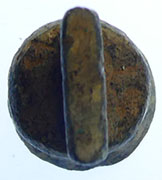
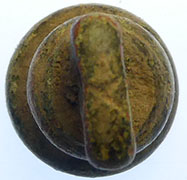
Bell type trade weights - Hallmarks are generally on the collar |
|||
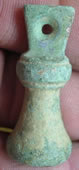   |
|||
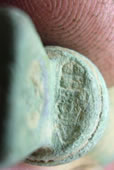
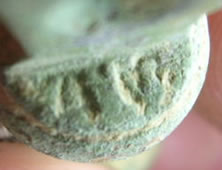
19thC bell trade weight - crown V hallmark - London |
|||
 |
 |
 |
 |
|
18thC
1 Oz bell shaped trade weight |
18th
C Bell type trade weight |
18th
C Bell type trade weight |
William
III cast c/a trade weight 1694-1702 |
 |
 |
 |
|
|
18th
C Bell type trade weight |
18th
C Bell type trade weight
|
Georgian
bell trade weight 53.35g, |
|
 |
  |
 |
 |
|
Georgian
bell trade weight 13.52 g, |
Georgian trade weight, unusally hallmarked on the base, Crown G |
Georgian bell trade weight |
Georgian bell trade weight |
  |
 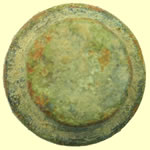 |
||
Georgian bell trade weight - hallmark Crown G |
Interesting trade weight - no hallmarks |
||
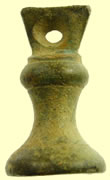 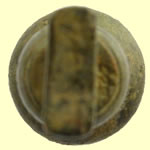 |
 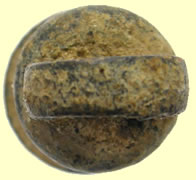 |
||
19thC Victoria hall marked 1/2 oz bell type trade weight VA522 |
Very unusual Geogian bell type trade weight |
||
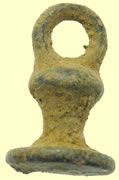 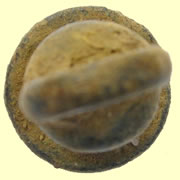 |
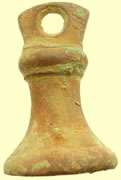 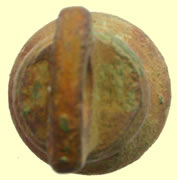 |
||
Georgian bell type trade weight |
Georgian bell type trade weight |
||
 |
 |
  |
|
| Georgian bell type trade weight | Georgian bell type trade weight | Georgian bell trade weight - Crown G mark | |
  |
  |
||
| 1704 Queen Anne hall marked bell trade weight | Georgian bell trade weight | ||
  |
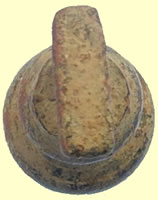  |
||
| Georgian bell trade weight | Georgian bell trade weight | ||
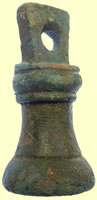 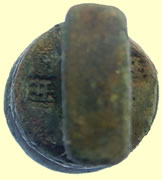 |
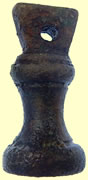 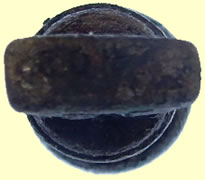 |
||
| Georgian bell type trade weight | Georgian bell trade weight | ||
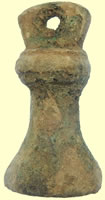  |
  |
||
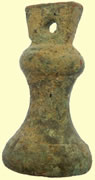
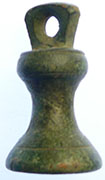
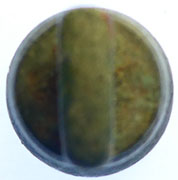
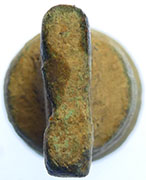
| Georgian bell type trade weight | Georgian bell weight | ||
  |
  |
||
| Georgian bell type trade weight | Georgian bell type trade weight | ||
  |
  |
||
| Georgian bell type trade weight | Georgian bell type trade weight | ||
  |
  |
||
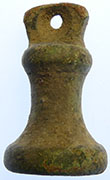
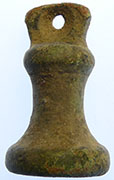
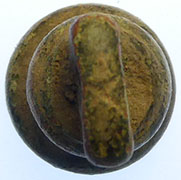
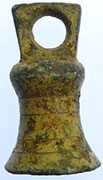
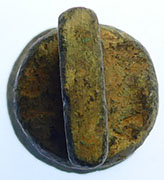
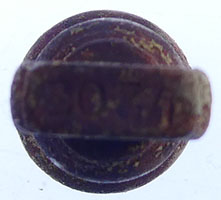
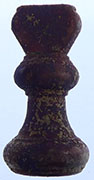
| Georgian bell type trade weight | |||
  |
|
||
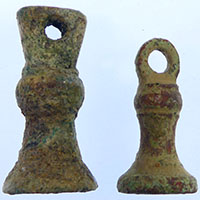
| Victorian bell weight - marked 1/2 oz | Georgian bell type trade weight | ||
 |
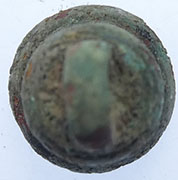 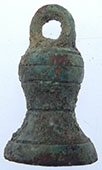 |
||
| Georgian bell type trade weight | Georgian bell type trade weight | ||
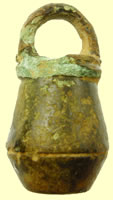 |
 |
||
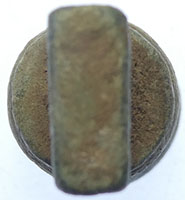
| Medieval bell type trade weight | Georgian trade weight | ||
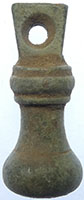  |
|||
| Georgian bell type trade weight | |||
Lead trade weights
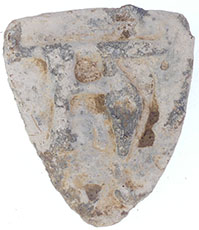
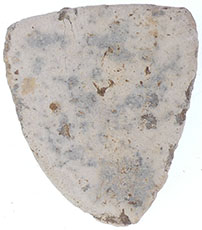
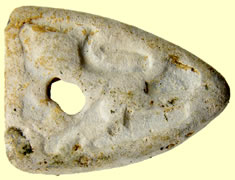
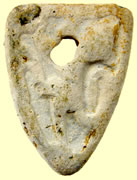
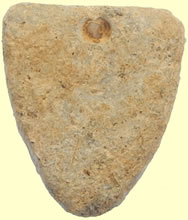
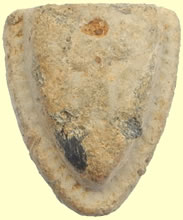
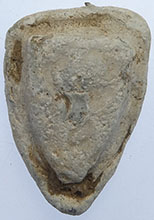
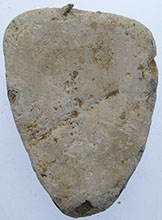
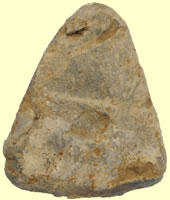
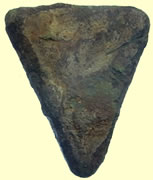
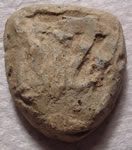
Medieval heraldic lead shield trade weight 41.17mm H x 35.2mm W, 48.8g- 1.7oz
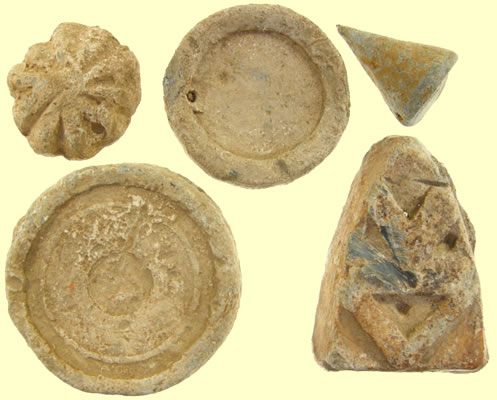
Roman to modern lead trade weights
Stunning early medieval lead shield trade weight - Lion pracing right - first of that type we have found
c12thC Medieval heraldic shield type lead trade weight - hammer symbol
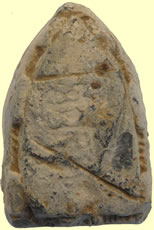
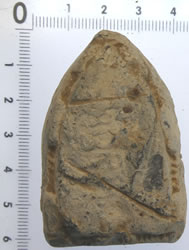
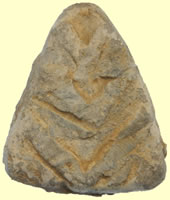
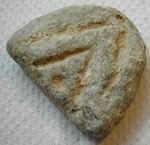
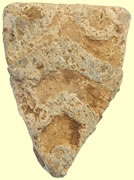
Huge medieval heraldic shield type lead trade weight Chevrons
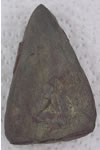
Medieval lead heraldic shield type trade weight
Medieval lead heraldic shield type trade weight
|
|||
 |
 |
 |
 |
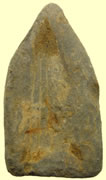
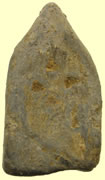
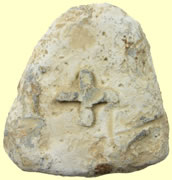
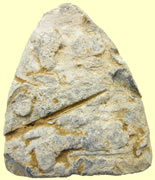
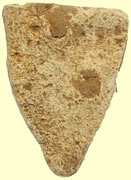
| Medieval shield type trade weight | 15th C shield-shaped lead weight with cheverons x 2 pointing down, rounded bottom. 101 grms. Common to city of London variant 122 Rogers Lead Weights. | Large prism standing weight which appears to have an undefined hallmark | Medieval
lead trade shield weight 49.87g (1.75 oz) 27.04 mm L x 25.57 mm W |
 |
 |
  |
|
| Medieval lead heraldic shield type trade weight | Medieval lead heraldic shield type trade weight | Medieval lead heraldic shield type trade weight | |
 |
 |
 |
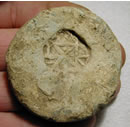 |
|
17thC
William and Mary trade weight |
Lead
trade weight London mark |
Lead
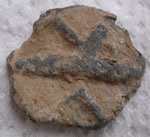
weight with shield and crest mark, not in books(c) |
Lead
weight/seal with weave imprint |
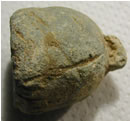 |
 |
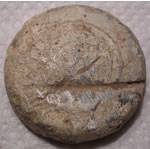 |
 |
|
Large
bell shaped lead weight |
Hanging
weight |
Post
Medieaval trade weight |
Saxon period coin weight N.Biggs |
 |
 |
 |
 |
|
Queen
Anne 1704 trade weight |
1700's
Lead George trade weight hallmarked(y) |
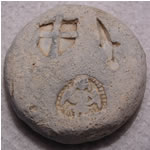
Circular
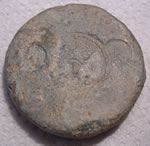
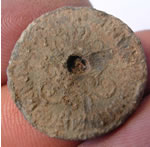
lead weight, needs more cleaning to make out legends
|
|
 |
 |
 |
 |
|
Spectacular
Plummer mark 1/4 pound trade weight, not in reference books, 1588 possibly |
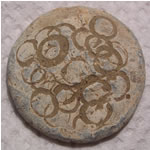
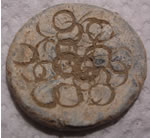
Lead
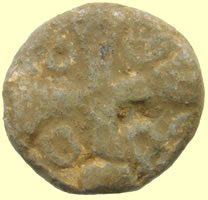
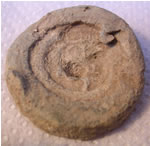
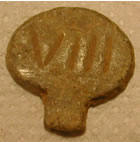
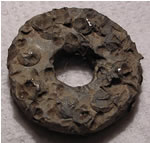
weight with circular designs - not ID'd |
Post medieval lead weight |
|
 |
 |
 |
 |
|
Earlier
lead find Id'd as Roman coin weight - Eight scriptula(x) |
Medieval spindle whorl |
15thC
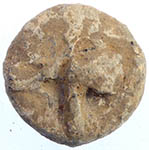
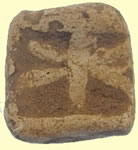
Long cross trade weight |
|
 |
 |
 |
|
|
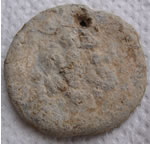
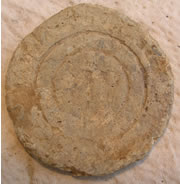
lead
coin weight |
Large
very early Medieval bullion weight- N.Biggs |
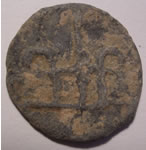
Roman
lead 3oz weight, 49.38 mm with III mark ref N.Biggs - |
|
 |
|
 |
 |
|
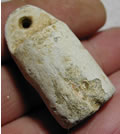
Small
stnaing weight |
Standing
lead weight |
Saxon
lead weight ref N.Biggs |
Medieval
lead standing weight |
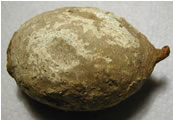 |
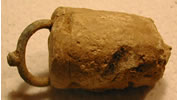 |
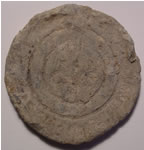 |
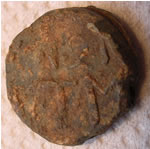 |
| Possible Roman hanging weight | Georgian hanging weight |
Roman
lead 3oz weight, 49.12 mm with III mark ref N.Biggs |
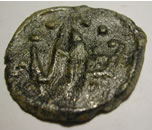
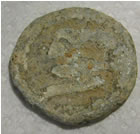
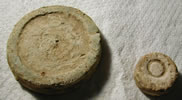
?? |
 |
 |
 |
 |
|
Saxon
lead weight ref N.Biggs |
??? |
Roman
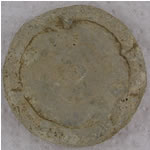
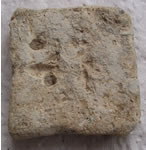
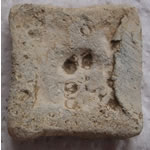
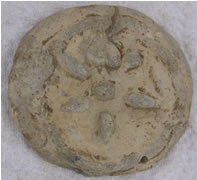
lead weights |
|
 |
  |
 |
|
|
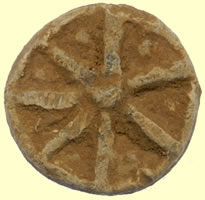
Lead
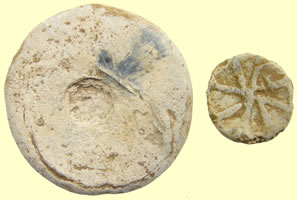
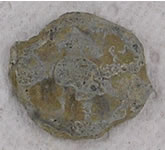
weight - circle design possibly Roman |
Medieval
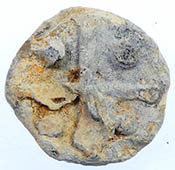
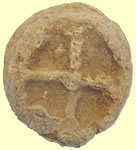
lead weight with templers cross impression |
Huge
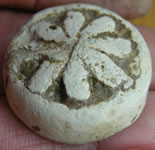
medieval lead trade weight with petal design 42.11mm x772mm T |
|
 |
 |
 |
 |
|
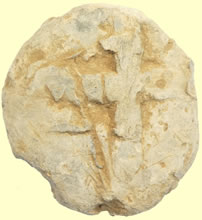
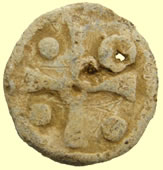
Medieval
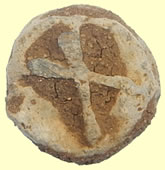
lead coin weight - cross design |
1704
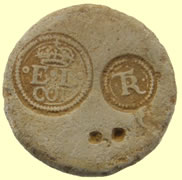
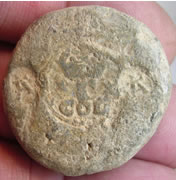
Queen Anne Lead circular trade weight 54.18g - double A mark with Crown |
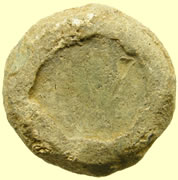
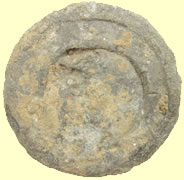
Roman circular lead trade weight |
3/4
oz lead trade weight |
 |
  |
||
|
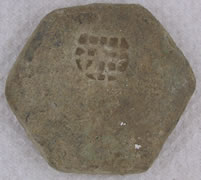
Hexangonal
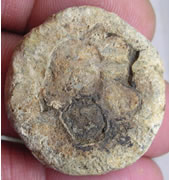
lead trade weight with punched shield design - unclassified - 200g |
Viking gaming pice 813.g, 25.79mm dia x11.65mm T |
||
  |
 |
 |
|
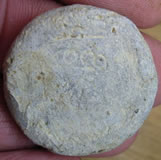
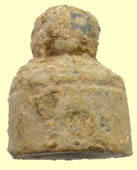
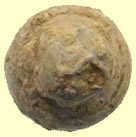
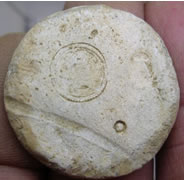
Roman lead trade weight with curious circle mark and MXC on obverse |
1603
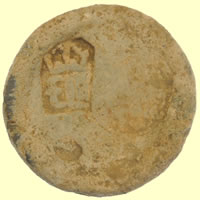
AD Norwich Series James 1st 1.74oz lead trade weight - shield M mark |
||
  |
 |
||
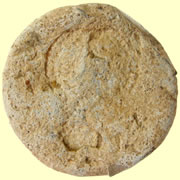
| Medieval lead weight | 1690 William III circular lead trade weight – Bust and Averdepois mark, 0.86 oz |
||
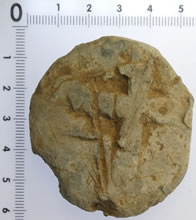
15th Long cross lead trade weight |
|||
 |
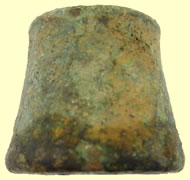 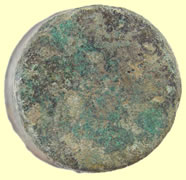 |
||
17thC Angel Plummer mark 1/4 pound trade weight, |
Curious trade weight shape - Georgian ? |
||
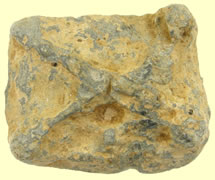 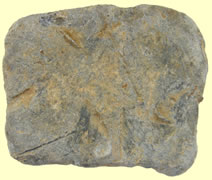 |
|||
C10thC Saxon lead trade weight |
|||
 |
 |
  |
|
| Medieval lead hanging weight | Post medieval lead hanging weight | Medieval lead hanging weight |
|
|
|||
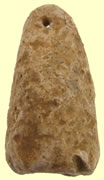
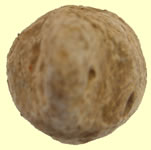
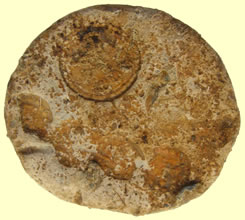
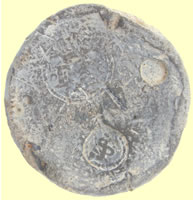
Lead trade weights- Roman to medieval
|
|||
  |
 |
||
Roman lead hanging weight |
17thC Norwich series lead 1/4 pound trade weight |
||
 |
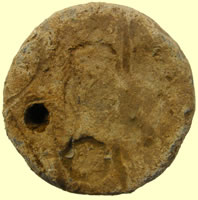 |
||
Huge 16thC Elizabeth 1st lead trade weight - Crown E cipher |
17thC Plummers company hallmarked trade weight - this weighes exactly 1Ib (16 ozs) on my digital scales - amazing accuracy to make this lump of lead within 3 decimal places |
||
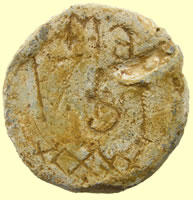 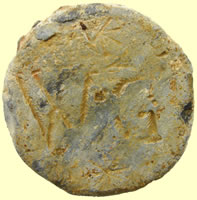 |
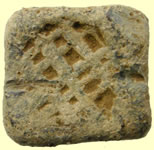 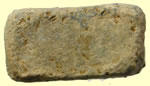 |
||
Superb dated 1751 lead trade weight - inscribed WG on obv |
Saxon lead trade weight |
||
|
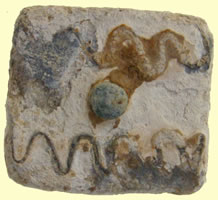 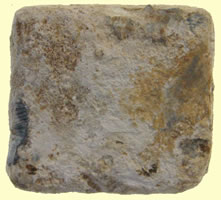 |
||
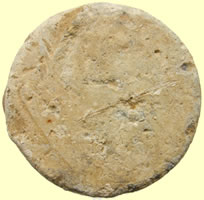
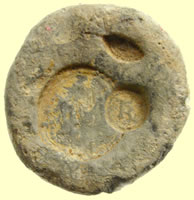
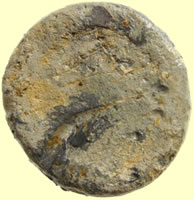
| 18thC weight | C 9thC Saxon lead trade weight - snake design | ||
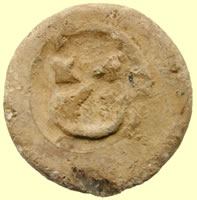  |
  |
||
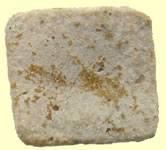
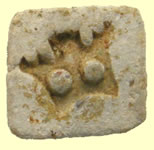
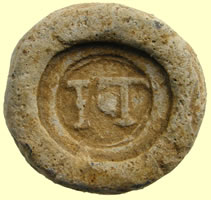
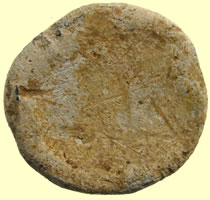
| Lead trade weight with clear cipher marks - not one in my ref books | 1680's James II lead trade weight - IR - Plumbers Company mark | ||
  |
  |
||
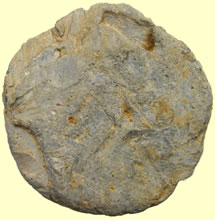
| Interesting lead coin weight - no looked it up in ref books yet | 17thC lead trade weight | ||
|
 |
||
| 16thC lead trade weights - Elizabeth 1st | Huge c10thC Anglo Scandinavian trade weight with runic inscription - one for the museum The inscription on the weight seems to read YN[A?}HINAA:, which does not make much sense on a first reading. You could ask Prof. Norman Biggs Dr Martin Allen |
||
 |
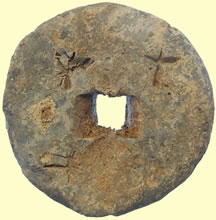 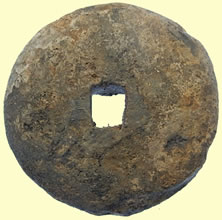 |
||
|
Post medieval lead hanging trade weight - interesting markings not known | ||
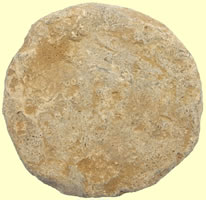 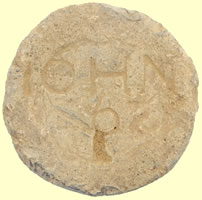 |
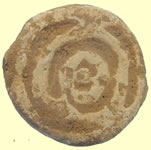 |
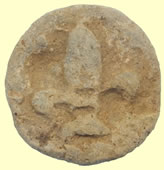 |
|
| Post medieval trade weight | Early medieval lead trade weight | Medieval weight | |
  |
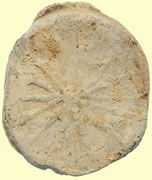 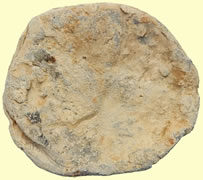 |
||
| Interesting medieval lead trade weight with copper plug | Medieval lead trade weight | ||
| Early medieval trade weight | |||
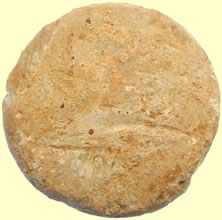 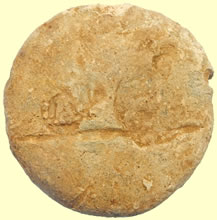 |
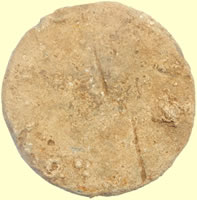 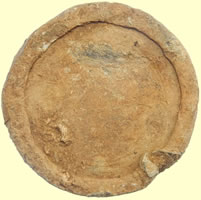 |
||
| 1704 Anne lead trade weight | Medieval trade weight | ||
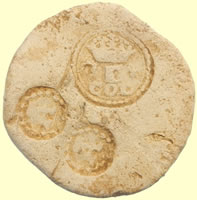  |
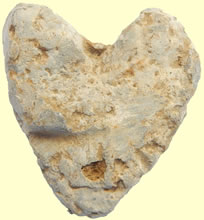 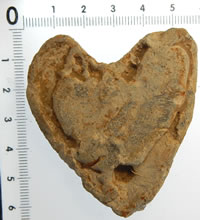 |
||
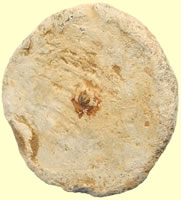
| 16thC Elizabeth 1st Lead trade weight - Crown E | Huge medieval lead hanging trade weight | ||
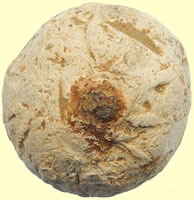  |
  |
||
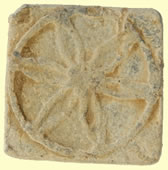
| Medieval lead steelyard weight | 17thC lead trade weight | ||
 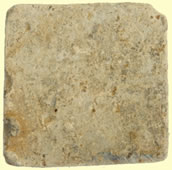 |
  |
||
| Medieval lead trade weight | Post medieval lead trade weight | ||
|
|||
Medieval trade weights - Long cross and pellets
Huge medieval trade weight - Long cross and pellets |
|||
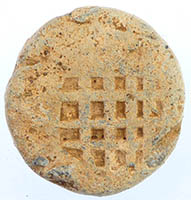 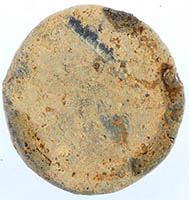 |
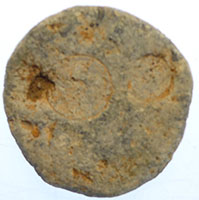 |
||
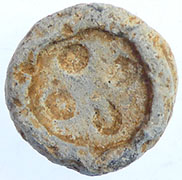
| Medieval lead trade weight - Portcullis design | 17thC Angel Plummers mark lead trade weight | ||
  |
  |
||
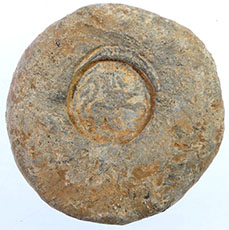
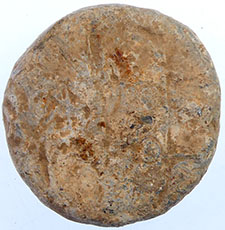
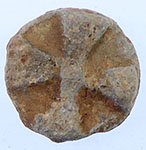
| Early medieval lead trade weight | Uknown lead trade weight with with Lion mark | ||
 |
  |
||
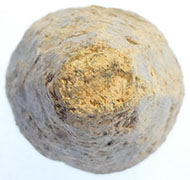
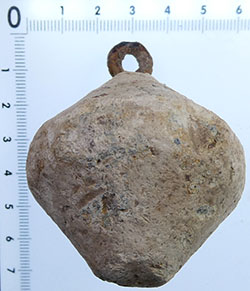
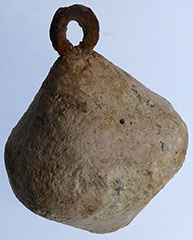
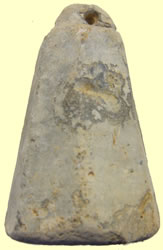
| Medieval lead trade weight | Post medieval lead hanging prism weight | ||
  |
 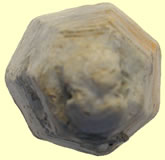 |
||
| Huge post medieval steelyard weight | Post medieval lead hanging weight | ||
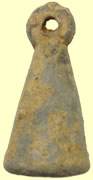 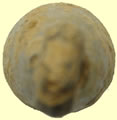 |
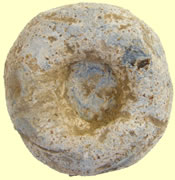 |
||
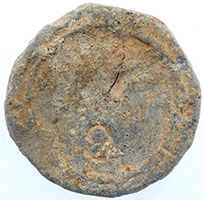
| Post medieval lead hanging weight | Post medieval trade weight | ||
  |
 |
||
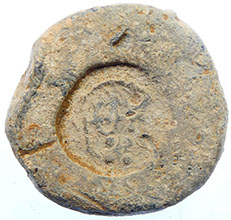
| Post medieval lead trade weight - weave impression | Post medieval lead trade weight | ||
  |
  |
||
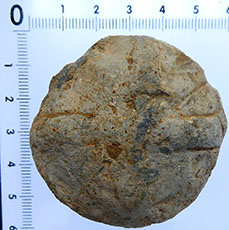
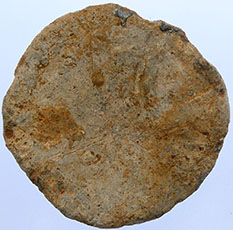
| Post medieval lead trade weight | Medieval lead long cross trade weight | ||
 |
  |
||
| Post medieval lead trade weight | 17thC William III lead trade weight Obv Fleur over WR |
||
  |
 |
||
| 16thC Elizabeth 1st lead trade weight | Early medieval lead trade weight - 47g, 33mm x 29mm | ||
  |
  |
||
| 16thC Tudor rose lead trade weight | Post medieval lead trade weight | ||
  |
 |
||
| Post medieval lead trade weight | Roman lead trade weight | ||
 |
|||