Metal detecting holidays in England with the World's most successful metal detecting club.20 years plus.
Twinned with Midwest Historical Research Society USA.
The Tudor Period 1485-1603 Timeline link
|
Henry VII 1485-1509 Edward VI 1547-1553 Mary 1553 to 1558 coins with some history click here Elizabeth 1st 1558 - 1603 coins with some history click here |
|
House
of Tudor, 1485-1603 |
Henry VII 1485-1509
|
|
Henry
VII was the founder of the Tudor dynasty and the king who succeeded in
ending the Wars of the Roses. 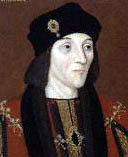
The son of Edmund Tudor, Henry was born after his father's death. He was brought up by his uncle, Jasper Tudor, who fled with Henry to France after the Lancastrian defeat in 1471. Following Richard III's usurpation of the throne in 1483, Henry promised to marry Elizabeth of York, eldest daughter of Edward IV. This united Richard's opponents and, in 1485, Henry landed at Milford Haven. He killed Richard at the Battle of Bosworth and was crowned in October 1485. Having secured parliamentary recognition of his title, he married Elizabeth of York in January 1486. His throne was far from secure. His Lancastrian blood was illegitimate and he was constantly plagued with conspiracies. He consolidated his position by a treaty with France that provided both recognition and a handsome pension. Trade agreements with the Netherlands and a marriage treaty with Scotland cut off European support for Perkin Warbeck, a challenger for the throne. Finally, Henry secured a marriage treaty between his eldest son, Arthur, and the Spanish princess, Catherine of Aragon, in 1501. Although Arthur died the next year, the marriage went ahead, this time between Catherine and Henry's second son, the future Henry VIII. Yet Henry had also to boost his finances: he knew he needed financial independence to free him from Parliament and creditors. Henry avoided war and increased administrative efficiency, promoted trade and enforced royal fiscal rights to the point of ruthlessness, leaving a fortune to his successor and a legacy of hatred for some of his financial ministers. Money could buy power, but only the law brought respect. The royal council was reborn as the Court of Star Chamber and dealt with judicial matters. Special arrangements were made to promote better order in Wales and the North by setting up special councils and more powers were entrusted to the justices of the peace. Medieval rule, in which local law and custom dominated, was slowly being transformed into a single state subject to royal decrees. When he died in 1509, Henry left something quite new: a safe throne, a solvent government and a prosperous and reasonably united kingdom.
|
|
 |
|
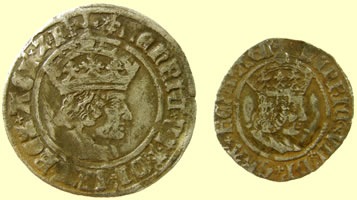
Henry VII groat and half groat size comparison- 4 pence and 2 pence |
|
Groats |
|
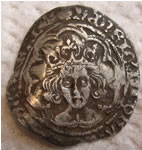
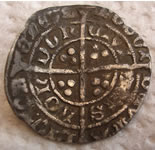
1507-9 Henry VII Regular profile issue hammered silver groat - Triple banded crown - Pheon initial mark 2.90g, 27.51mm Obv HENRIC VII DI GRA REX ANGL Z FRA Rev POSUI DEUM ADIUTO(R)E MEU(M) |
  |
1493-5 AD Henry VII Class 1 hammered silver groat (4 pence). 2.6g - 25.21mm |
|
|
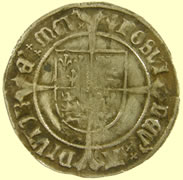 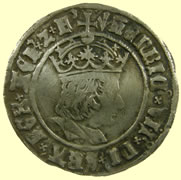 |
1504-9 Henry VII hammerd silver groat |
1505-9 Henry VII hammered silver groat - Pheon mintmark |
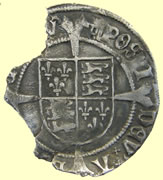  |
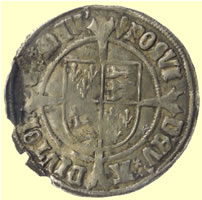 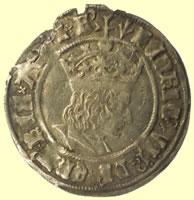 |
| 1485-7 Henry VII hammered silver groat | 1505-9 Henry VII hammered silver groat - Pheon mintmark |
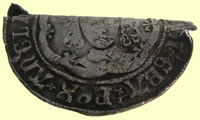 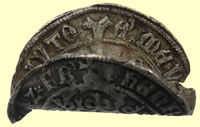 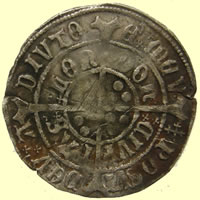 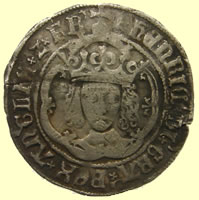 |
|
Fixed by our goldsmith 1504- 7 Henry VII hammered silver groat - two arches unjewelled to crown, Crosslet im Obv hENRIC DI GRA REX ANGLIE Z FR Rev CIVI/TAS/LOND/DON - London mint |
|
1485 Henry VII hammered silver groat - Two arches to crown, only outer jeweled - Bust 3 (pupils to eyes, realistic hair) Mint mark Rose - trefoil stops - trefoil stops to reverse legend Obv + hENRIC DI*GRA* ****** Rev *CIVI/TAS*/*LON/DON- London mint 22.5mm, 2.58g |
|
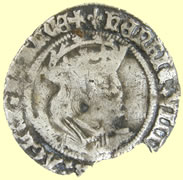 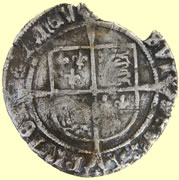 |
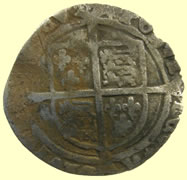 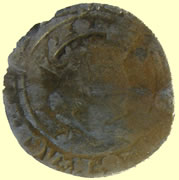 |
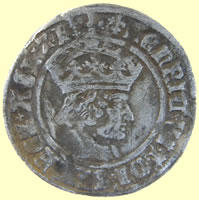
| 1493-5 Henry VII hammered silver groat - Lis mintmark | 1487-8 Henry VII hammered silver groat |
  |
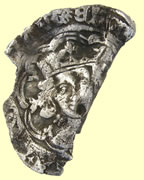 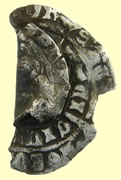 |
1504 Henry VII hammered silver groat - Crosslet mint mark - Tentaive issue - Double band to crown Obv HENRIC VII DI GRA REX AGL Z F Interesting Obv legend not in JJ North with AGL instead of ANGL - It matches half groat legend of the period 2.90g, 26.41mm |
1485 - 90 Henry VII hammered silver groat - Satires by neck - Halved sun and rose initial mark - Open crown - Type 1b |
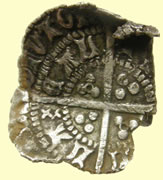 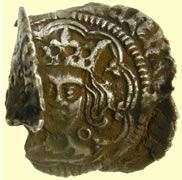 |
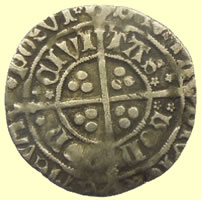 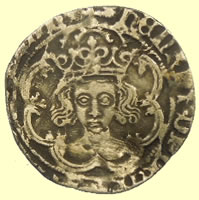 |
1422 Henry VI hammered silver groat - annulets by neck Rev VIL/LA/CAL/IS - Calais mint |
1485-90 Henry VII hammered silver groat - Two arches jewelled crown - Class IIIb - pansy Obv hENRICVS DEI ***** Rev CIVI/TAS/LON/DON - London mint |
|
|
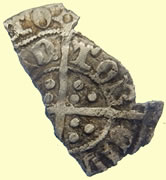
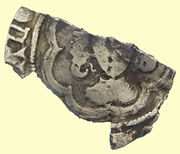
Interesting coin dug in pastureland so one face exposed to oxygen- one face has horn silver crust that needs 'cooking' to remove crust 1493- 1498 Henry VII hammered silver groat- Two arches unjewelled - Type 3b I.m pansy, new bust Rev CIVI/TAS/LON/DON - Satire stops - London mint |
1485 Henry VII hammered silver groat |
|
  |
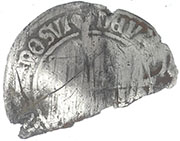
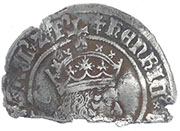
1485-1509 Henry VII hammered silver groat - type 2 Obv hENRIC **** Rev CIVI/TAS/LON/DON- London mint - Double rosette stops |
1485 Henry VII hammered silver groat |
  |
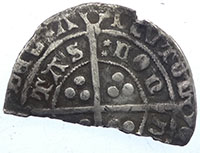 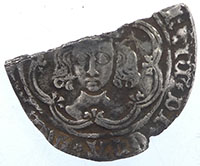 |
| 1504-5 Henry VII hammered silver groat Cross-crosslet | 1485-1509 Henry VII hammered silver groat -Type 3c Crozier ends on cross Obv DI+GRA*REX*** Rev TAS/*LON/D - London mint |
Half groats |
|
  |
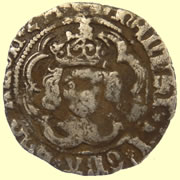 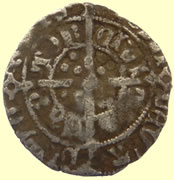 |
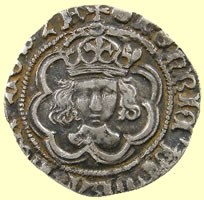
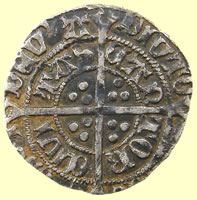
1490-1500 Henry VII hammered silver half groat - Class IIIc, Tun mintmark, one arch jewelled one arch unjewelled Obv HENRICUS DEI GRACIA REX ANGLIE ET FRANC DNS IBAR Rev CIVI/TAS/CAN/TOR - Canterbury mint 19.80mm, 1.57g |
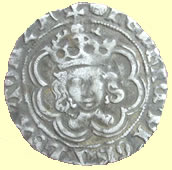
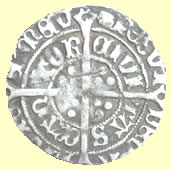
1486-1500 Henry VII hammered silver half groat King and Archbishop Morton jointly - rosette stops Double arched crown - Class IIIb Obv HENRICVS DI GRA REX AGL Z A Rev CIVI/TAS/CAN/TOR - Canterbury mint |
  |
|
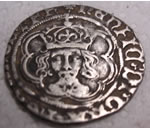
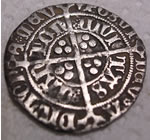
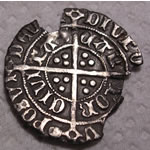
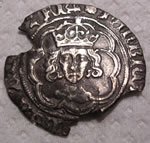
Henry VII 1486- 1504 hammered silver half groat Obv HENRIC DI GRA REX A** Z FR- Tun Mintmark - Class II Rev CIVI/TAS/CAN/TOR - Canterbury mint 1.37g, 18.94 |
1485 Henry VII hammered silver half groat Archb Savage - keys by neck , no tressure:ornate lettering, mm martlet Rev CIVI/TAS/EBO/RACI - York mint |
  |
  |
| Mint condition hammered silver half Groat, Looks like a Henry VII 1485 but I cannot ID it exactly in the book- drop me a mail if you are a hammered buff and can help(y) | 1485 Henry VII hammered silver half groat |
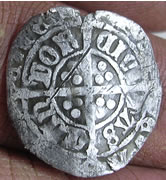 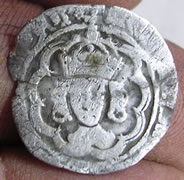 |
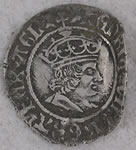 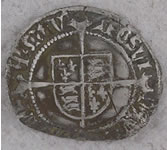 |
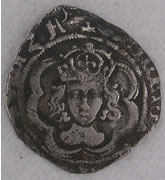
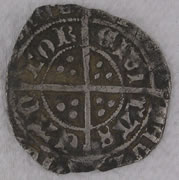
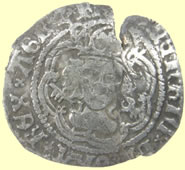
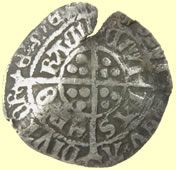
| 1485 Henry VII hammered silver half groat 1.21g 19.05mm | 1508 Henry VII hammered silver half groat - York Archb Bainbridge |
  |
  |
1485-90 Henry VII hammered silver half groat One jewelled, one unjewelled arch Type 3c rev CIVITASCANTOR (Cantebury mint) |
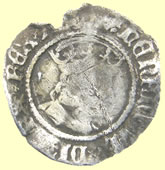
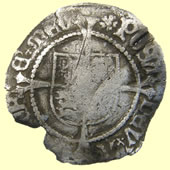
1501 -1507 Henry VII hammered silver half groat - York Episcopal mint, Archbishop Savage, key each side of bust , double arched crown 1.24g, 18.26mm Obv HENRICUS DEI GRACIA REX Rev CIVI/TAS/EBO/RACHI - York |
  |
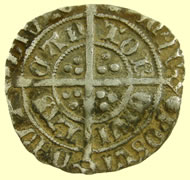 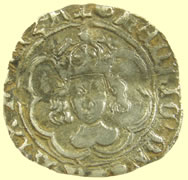 |
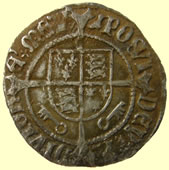
| 1490-4 Henry VII hammered silver half groat - F type London broken tressure to crown - Rose mint mark | 1485 -90 Henry VII hammered silver half groat 19.80, 1.49g CIVI/TAS/CAN/TOR - Canterbury mint Class II Archbishop Morton |
  |
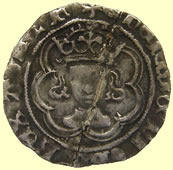 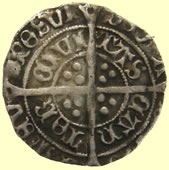 |
1508 Henry VII hammered silver half groat - Archbishop Bainbridge - cross keys below shield - Marlett mintmark - York mint 19.93mm, 1.38g |
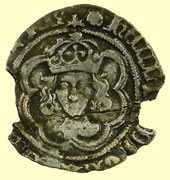
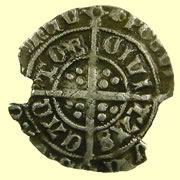
1485-1509 Henry VII hammered silver half groat - Episcopal issue - King and Bishop jointly, Initial mark Tun, arched crown, plain reverse cross. Ornamental terminal Obv + hENRIC DI GRA REX ANGLIE Rev CIVI/TAS/CAN/TOR - Canterbury mint |
  |
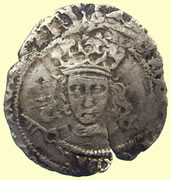 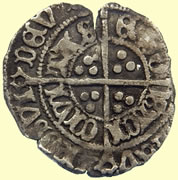 |
1490 - 1500 Henry VII hammered silver half groat - Two arches unjewelled - Class IIIc King and Archbishop Morton jointly ? Obv HENRICVS DI GRA REX AGL Z Rev CIVI/TAS/CAN/TOR - Canterbury mint |
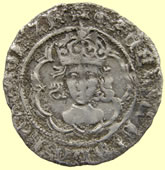
Double struck 1485 Henry VII hammered silver half groat Archb Savage - keys by neck , no tressure:ornate lettering, mm martlet Rev CIVI/TAS/EBO/RACI - York mint |
  |
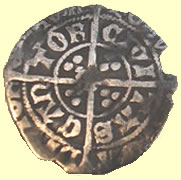 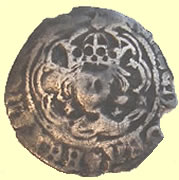 |
1493 -1498 Henry VII hammered silver half groat - crown, one arch jewelled, one arch unjewelled - Type 3b Rev CIVI/TAS/CAN/TOR - Canterbury mint |
1485 -1509 Henry VII hammered silver half groat Rev CIVI/TAS/CAN/TOR - Canterbury mint |
|
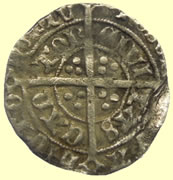 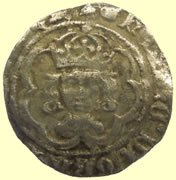 |
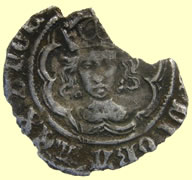
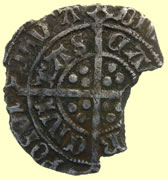
1490 - 1500 Henry VII hammered silver half groat - two arches jewelled - no lis to 7 tressures, Tun mint mark King and Archbishop Morton jointly - no stops Obv hENRIC DI *** ANGL ZF Rev CIVI/TAS/CAN/TOR - Canterbury mint |
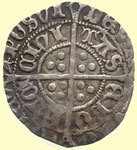
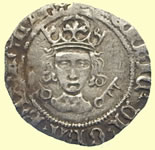
1490 - 1500 Henry VII hammered silver half groat- Two arches unjewelled crown King and Archbishop Morton Class IIIc Rev CIVI/TAS/CAN/TOR - Canterbury mint |
  |
  |
1485 - 1509 Henry VII hammered silver half groat - Archb Savage Keys by neck Obv HENRIC DI GRAxREXxANGL Rev CIVI/TAS/EBO/RACI - York mint |
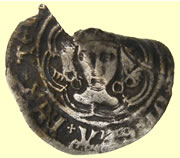
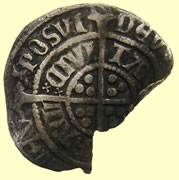
1485 Henry VII hammered silver half groat - Two arches jewelled to crown - Type 3 Rev CIVI/TAS/CAN/TOR - Canterbury mint |
  |
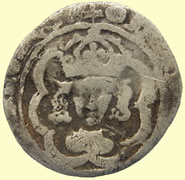 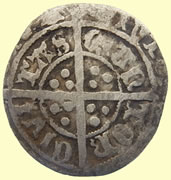 |
1485 - 1509 Henry VII hammered silver half groat - Archb Savage Keys by neck Obv *** GRAxREXxANG ** Rev CIVI/TAS/EBO/RACI - York mint |
1483-5 Henry VII hammered silver half groat - double arched jeweled- Tun mint mark CIVI/TAS/CAN/TOR - Canterbury mint |
|
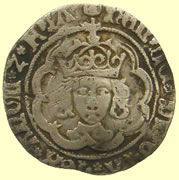 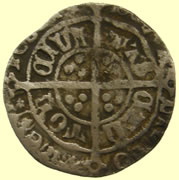 |
| 1493-5 Henry VII hammered silver half groat | 1493-5 Henry VII hammered silver half groat - rosette stops - Tun mint mark Rev CIVI/TAS/CAN/TOR - Canterbury mint |
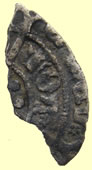 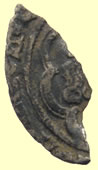 |
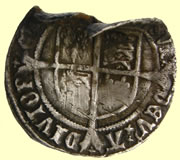  |
1485- 1509 Henry VII hammered silver half groat - Long cross forchee Archbishop Morton - rosette stops in legend Rev /TOR/ - Canterbury mint |
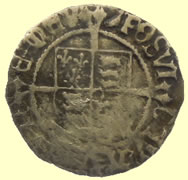
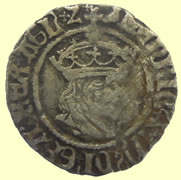
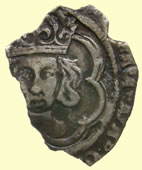
1526-44 Henry VIII hammered silver groat - Lis mint mark |
  |
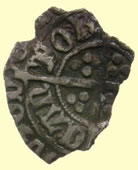  |
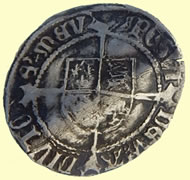
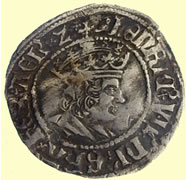
1502-4 Henry VII hammered silver half groat - Marlet mint mark York |
1485 Henry VII hammered silver half groat - Two arches unjewelled Rev CIVI/TAS/CAN/TOR - Canterbury mint |
  |
|
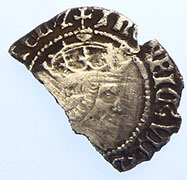
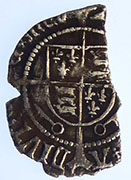
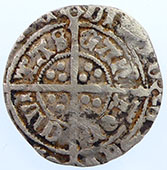
| 1502- 4 Henry VII hammered silver half groat - Marlett mint-mark | Mint 1498-9 Henry VII hammered silver half groat - Tun mint mark - double arched crown Obv HENRIC ***ANGLI Z FR Rev CIVI/TAS/CAN/TOR - Canterbury mint |
  |
 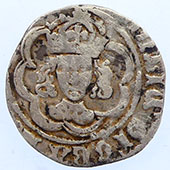 |
1502-4 Henry VII hammered silver half groat - Martlet mint mark York - keys below shield - Archbishop Bainbridge |
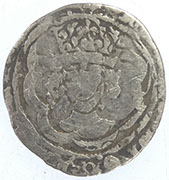
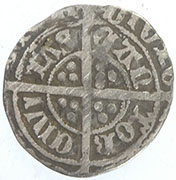
Henry VII 1486- 1504 hammered silver half groat Obv hENRIC DI'GRA *** Rev CIVI/TAS/CAN/TOR - Canterbury mint |
  |
  |
1485-1509 Henry VII hammered silver half groat - double stuck crown Rev CIVI/TAS/CAN/TOR- Canterbury mint |
1495-8 Henry VII hammered silver half groat - Tun mint mark Obv +hENR******ANGL Rev CIVI/TAS/CAN/TOR - Canterbury mint |
  |
|
1495-8 Henry VII hammered silver half groat - Tun mint mark - Double arched crown Obv +hENRIC******ANGL Rev CIVI/TAS/CAN/TOR - Canterbury mint |
|
Sovereign Penny |
|
  |
|
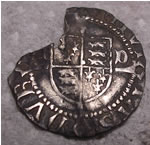
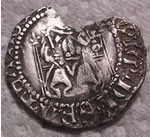
| 1485 Henry VII hammered silver penny | 1485
AD Henry VII Sovereign penny - York, Archbishop. Rotherham, keys below
shield type |
|
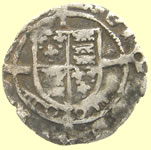 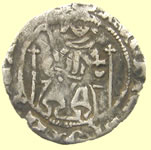 |
| 1485 Henry VII hammered silver sovereign penny - Archbishop Rotherham - Keys below shield - York | 1490-1504 Henry VII hammered silver sovereign penny, No initial mark Archbishop Rotherham issue - key beneath shield Obv King entroned holding septre and orb,two double pillars Rev York mint |
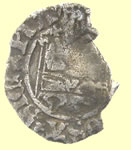 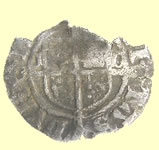 |
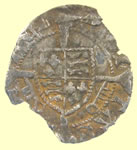 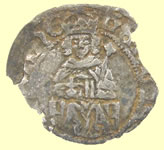 |
1490-1504 Henry VII hammered silver sovereign penny, Pansy mintmark Bishop Richard Fox issue - letters by shield (1494-1501) Obv King entroned holding septre and orb Rev CIVI/TAS/DVR/REM - Durham mint 14.69mm, 0.50g |
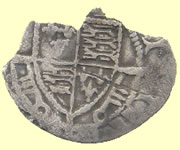
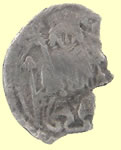
1485 Henry VII hammered silver penny - York Archb Rotherham. Key below shield , no pillar to throne. |
  |
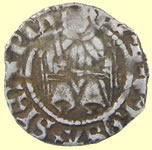 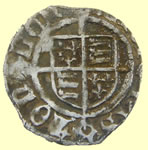 |
1485-90 Henry VII hammered silver sovereign penny York Archb Rotherham Keys below shield - single pillar |
1485-90 Henry VII hammered silver sovereign penny - Halved lis and Rose initial mark Obv King enthroned holding orb and sceptre - two double pillars 0.66g, 13.64mm |
  |
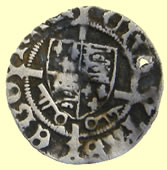 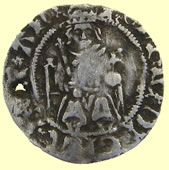 |
1490-1504 Henry VII hammered silver sovereign penny, No initial mark Archbishop Rotherham issue - key beneath shield Obv King entroned holding septre and orb,two double pillars Rev York mint |
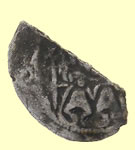
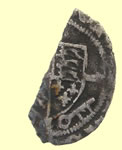
1485 Henry VII hammered silver sovereign penny - Keys by shield - Archbishop Rotherham - pillars to throne York mint |
  |
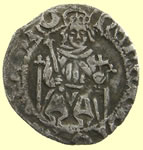 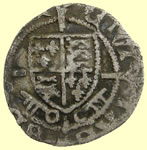 |
1485 Henry VII hammered silver sovereign penny - Keys by shield - Archbishop Rotherham - no pillars to throne York mint |
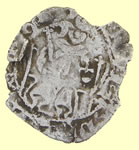
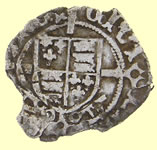
1485 Henry VII hammered silver sovereign penny - Keys by shield - Archbishop Rotherham - no pillars to throne York mint |
  |
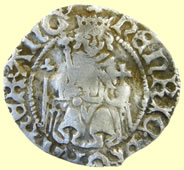 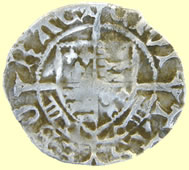 |
1485 AD Henry VII Sovereign penny - York, Archbishop. Rotherham, keys below shield type |
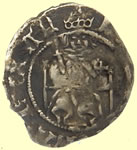
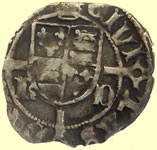
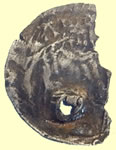
1485 Henry VII hammered silver sovereign penny - keys below shield - Archb Rotherham Obv CIVI/TAS/EBO/RACI - York mint |
  |
 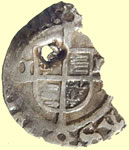 |
1485 -1509 Henry VII hammered silver sovereign penny - RD by shield Throne has one pillar Bishop Fox - Durham mint |
1485 Henry VII hammered silver sovereign penny |
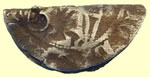 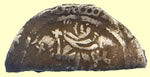 |
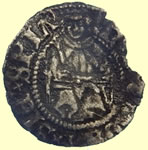 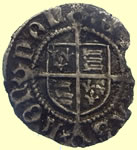 |
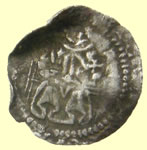
| 1485 Henry VII hammered silver sovereign penny | 1485-90 Henry VII hammered silver sovereign penny - Halved lis and Rose initial mark Obv King enthroned holding orb and sceptre - two double pillars Rev CIVI/TAS/LON/DON - London mint |
  |
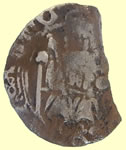 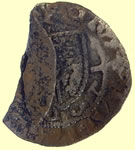 |
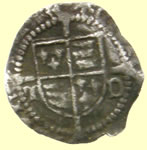
1493-5 Henry VII hammered silver sovereign penny - RD by shield -Durham mint - Bishop Sherwood |
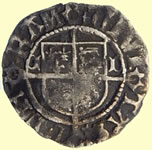
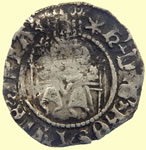
1485 Henry VII hammered silver sovereign penny - Keys by shield - Archbishop Rotherham - no pillars to throne York mint |
|
  |
1485 - 1509 Henry VII hammered silver sovereign penny - DR by shield Bishop Sherwood |
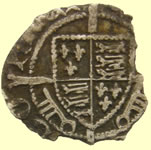
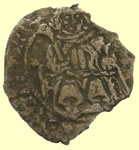
1526 - 1544 Henry VIII hammered silver sovereign penny - Star both sides, radiant star Obv only CD besides shield - Bishop Cuthbert Tunstall |
  |
|
1485 Henry VII hammered silver sovereign penny - Keys by shield - Archbishop Rotherham - no pillars to throne York mint |
1485 Henry VII hammered silver sovereign penny - Keys by shield - Archbishop Rotherham - no pillars to throne York mint |
1485 Henry VII hammered silver sovereign penny - Archbishop Rotherham - no pillars to throne |
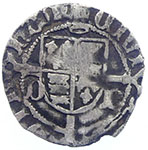
1490-1504 Henry VII hammered silver sovereign penny |
  |
|
1485 - 1509 Henry VII hammered silver sovereign penny - DR by shield Bishop Sherwood |
|
Long cross penny |
|
  |
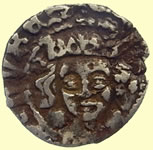 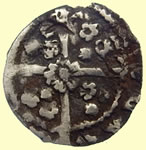 |
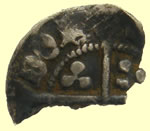
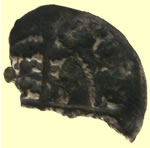
| 1485 Henry VII hammered silver penny fragment | Amazing find - ex rare Irish 1496-1505 Henry VII hammered silver penny- Late portrait issue. Large rose to centre of reverse cross. Rose as pellets in reverse cross and rose to left side of crown - unknown type These are crudely made and no example exists with a legend as they are so poor This example has a partial legend of hYB EZ or badly formed REX. |
Half penny
Tiny 1485 Unrecorded Henry VII 'brushed hair' type hammered silver halfpenny - legend does match any known Henry's 10.88mm, 0.35g Obv HENRICVS A / SIE x H** Rev CIVI/TAS/LON/DON
|
|
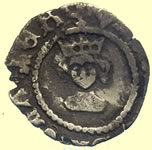 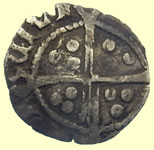 |
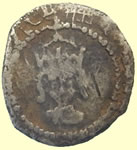 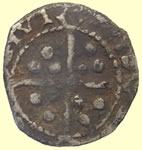 |
1485 Henry VII hammered silver half penny - Cross furchee - Open crown Obv HENRIC DI GRA REX Rev CIVI/TAS/LON/DON - London mint |
1485 Henry VII hammered silver half penny - Cross furchee - Single arched crown Obv HENRIC *** REX Rev CIVI/TAS/LON/DON - London mint |
  |
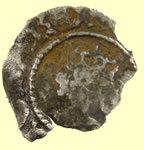 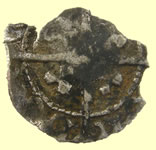 |
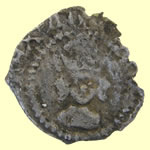
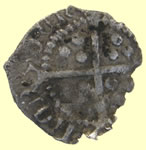
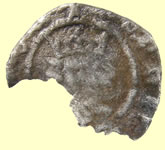
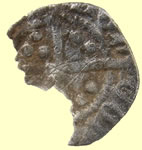
Tiny 1485 Henry VII hammered silver halfpenny - rev cross fourchee - wide hair bust - Type 3 single arched crown Obv HENRIC DI GRA REX A Rev CIVI/TAS/LON/DON - London mint |
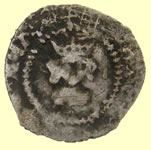
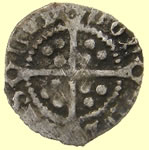
1485 Henry VII hammered silver half penny - wide hair, wide cleft reverse cross end Obv HENRICVS REX Rev **** ON/DON - London mint |
  |
  |
|
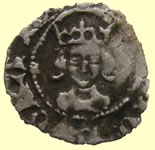
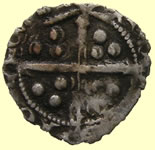
1485 Henry VII hammered silver half penny - Cross furchee - Open crown Obv HENRIC *** REX Rev CIVI/TAS/LON/DON - London mint 0.39g,12.55mm |
1485 Henry VII hammered silver halfpenny - open crown Obv HENRICVS ***** Rev - CIVI/TAS/LON/DON - London mint 12.04mm, 0.29g |
  |
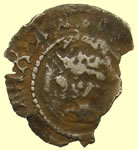  |
1485 Henry VII hammered silver farthing - double arched crown Obv CIVI/TAS/EBO /RACI -York mint |
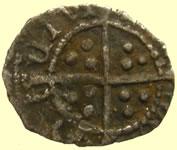
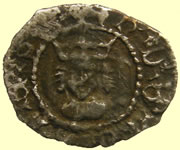
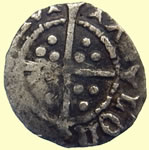
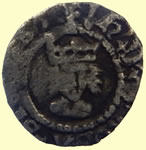
1485 Henry VII hammered silver halfpenny - rev cross fourchee - wide hair bust - Type 3 single arched crown Obv HENRIC DI GRA REX A Rev CIVI/TAS/LON/DON - London mint |
  |
 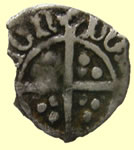 |
1485 Henry VII hammered silver half penny- Brush hair - single arched crown Obv hENRIC DI GRA REX Rev CIVI/TAS/EBO/RACI - York mint 0.32g, 11.79 |
1485 Henry VII hammered silver halfpenny - Single Arched crown- Cross ends fourchee Obv hENRIC DI GRA REX Rev CIVI/TAS/LON/DON -London mint |
  |
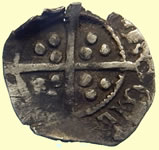 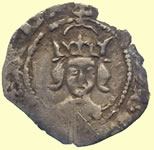 |
1485 Henry VII hammered silver half penny- Brush hair - single arched crown- im.Pheon Obv hENRIC DI GRA REX Rev CIVI/TAS/LON/DON - London mint |
1485- 1509 Henry VII hammered silver half penny -single arched crown, long cross fourchee, wide hair Rev AS/CA - Canterbury mint |
|
1485 Henry VII hammered silver halfpenny - Single Arched crown- Cross ends fourchee Obv hENRIC DI GRA REX Rev CIVI/TAS/LOND/DON- London mint |
| 1485 Henry VII 'brushed hair' type hammered silver halfpenny | |
|
|
1485 Henry VII hammered silver half penny - Cross furchee - Open crown im.Pheon: 'brushed hair' type Obv HENRIC DI GRA REX A Rev CIVI/TAS/LON/DON - London mint |
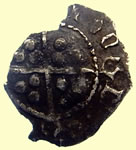
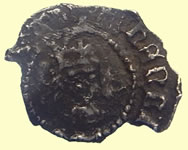
1485 Henry VII hammered silver halfpenny - rev cross fourchee - wide hair bust - Type 3 single arched crown Rev CIVI/TAS/CAN/TOR - Canterbury mint |
  |
  |
1485 Henry VII hammered silver halfpenny - rev cross fourchee - wide hair bust - Type 3 single arched crown Obv HENRIC DI GRA REX A Rev CIVI/TAS/LON/DON - London mint |
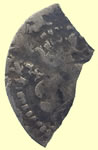
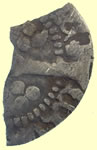
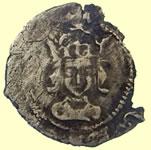
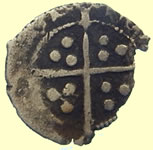
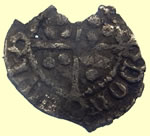
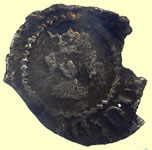
1485 Henry VII hammered silver penny fragment - Archiepiscopal issue - York mint, Cross ends fourchee Long cross |
  |
  |
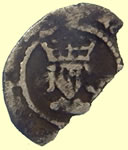
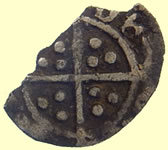
| 1485 Henry VII hammered silver halfpenny - single arched crown -Cross furchee | 1485 Henry VII hammered silver half penny - Cross furchee - Open crown Obv RIC *** Rev CIVI/TAS/LON/DON - London mint |
  |
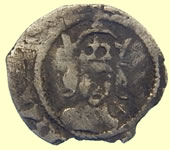 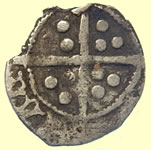 |
1485 Henry VII hammered silver halfpenny - single arched crown 'brushed hair' type Obv h ***** |
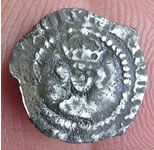
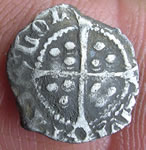
1485 Henry VII hammered silver halfpenny - single arched crown |
  |
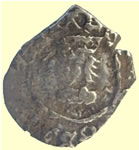 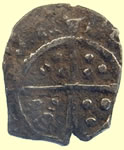 |
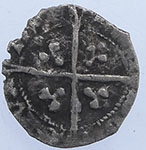
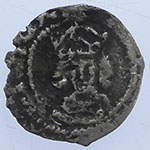
1485 Henry VII hammered silver halfpenny - Single Arched crown- Cross ends fourchee Obv hENRIC DI GRA REX Rev CIVI/TAS/LON/DON -London mint |
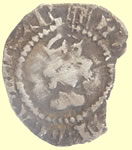
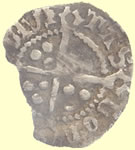
1485- 1509 Henry VII 'brushed hair' type hammered silver halfpenny Rev CIVI/TAS/LON/DON |
  |
  |
Tiny 1485 Henry VII hammered silver halfpenny - rev cross fourchee - wide hair bust - Type 3 single arched crown Obv HENRIC DI GRA REX A Rev CIVI/TAS/LON/DON - London mint |
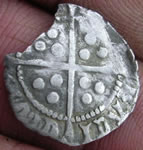
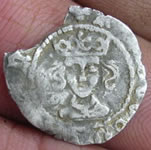
1485 Henry VII hammered silver halfpenny - single arched crown -Cross furchee |
  |
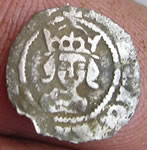 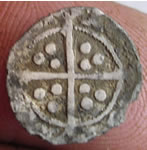 |
1485 - 1509 Henry VII hammered silver penny - uncertain initial mark - star on brest Rev CIVI/TAS/EBO/RACI - York mint |
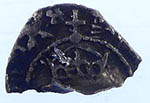
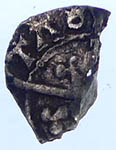
1485
Henry VII hammered silver halfpenny - single arched crown 0.34g, 11.95g |
  |
  |
1485 Henry VII hammered silver half penny - Cross furchee - Single arched crown Obv HE *** REX |
1485 Henry VII hammered silver halfpenny - single arched crown -Cross furchee |
  |
|
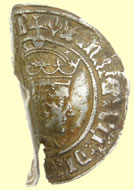
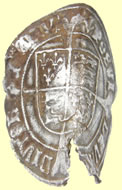
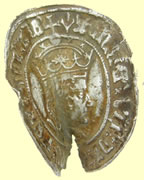
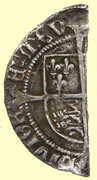
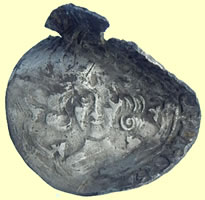
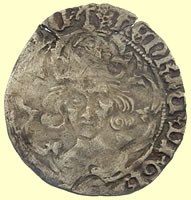
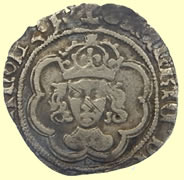
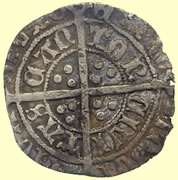
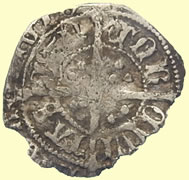
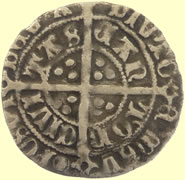
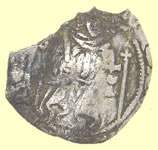
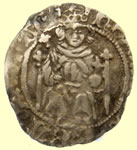
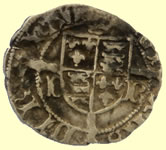
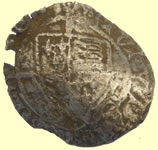
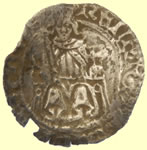
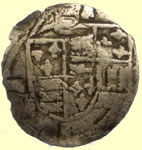
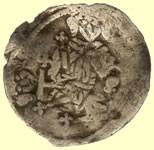
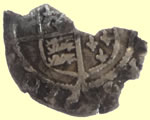
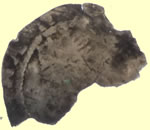
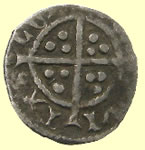
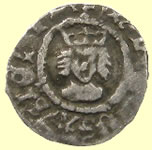
| 1485-1509 Henry VII hammered silver half penny - double arched crown - satires by neck | |


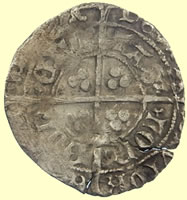
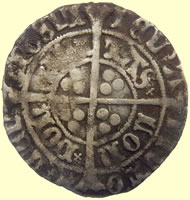
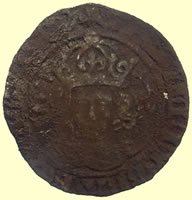
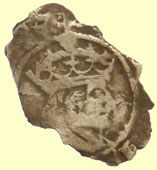
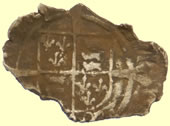

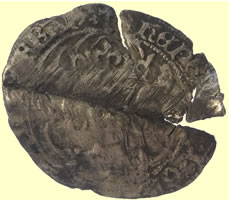
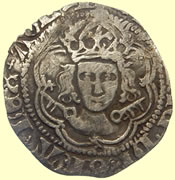
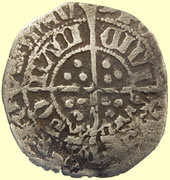

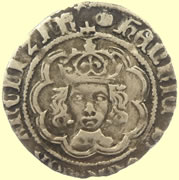
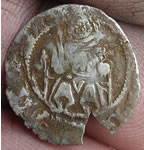
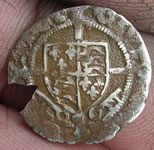
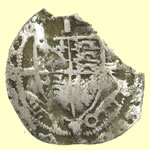
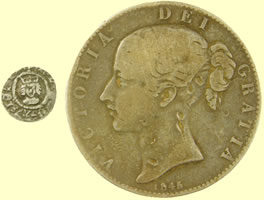
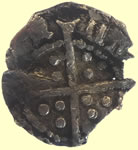
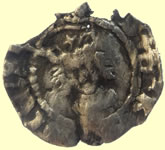
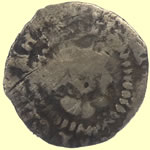
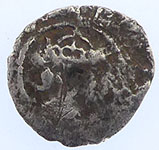 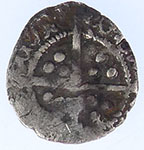 |
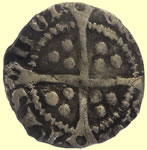
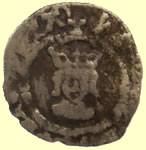
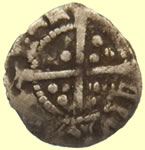
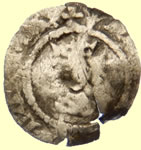
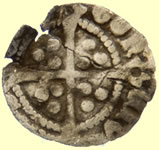
1485 Henry VII hammered silver halfpenny - rev cross fourchee - wide hair bust - Type 3 single arched crown Obv HENRIC DI GRA REX A
|
1485 Henry VII hammered silver halfpenny - single arched crown -Cross furchee |
Edward VI 1547 1553
|
|
|
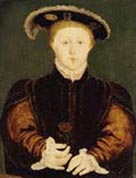
Edward
V was the only legitimate son of Henry VIII whose mother and Henry's
third wife, Jane Seymour, died 12 days after his birth. He became king
on his father's death in January 1547, but government fell to a council
of regency arranged by Henry VIII before his death. In the event, Edward's
uncle, Edward Seymour, duke of Somerset, wielded almost supreme power
as regent, with the title of protector.
Somerset's
first attempts to repeal treason and heresy laws brought a state of
religious and social discord and he was forced to introduce the Prayer
Book of 1549 and an Act of Uniformity to enforce it. Written by Thomas
Cranmer, the Prayer Book hedged around the nature of the mass - service
or sacrament - and just antagonised Protestants and Roman Catholics
alike. This unrest was worsened by an inflationary crisis that saw prices double between 1547 and 1549. In the summer of 1549, peasants in Cornwall and Devonshire revolted against the Prayer Book, while those in Norfolk rose up against economic and social injustices. When Somerset then agreed to an unsuccessful war with Scotland and France, he was arrested in October 1549 and executed for treason two years later. Somerset's fall was engineered largely by the man who succeeded him - John Dudley, Duke of Northumberland. He pulled England out its wars and ruthlessly cracked down on social dissent. Like Edward, he sympathised with the more extreme Protestant reformers, imprisoning Henry VIII's more conservative bishops and looting the church. The new Prayer Book of 1552 was avowedly Protestant; altars were turned into tables, clerical vestments were downgraded and religious orthodoxy was enforced by a new and more stringent Act of Uniformity. However,
in January 1553 Edward showed the first signs of tuberculosis. In May
it had become evident that he was dying. Edward's legal successor was
Mary, who would undo all of Northumberland's work. With Edward's support,
Northumberland devised a new order of succession. They declared Mary
illegitimate and passing the throne to Northumberland's daughter-in-law,
Lady Jane Grey, and her male heirs. It was a nice try but, following
Edward's death on 6th July 1553, Lady Jane Grey was Queen for just nine
days before Mary, daughter of Catherine of Aragon, won the kingdom's
support and was crowned Mary I. |
|
|
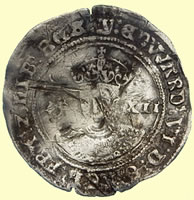
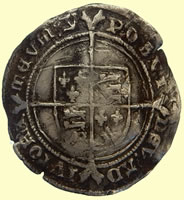
1551-3 Edward VI hammered silver shilling (12 pence) - mint mark 'y' 5.68g, 33mm 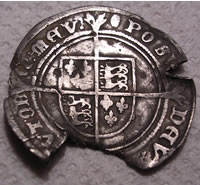 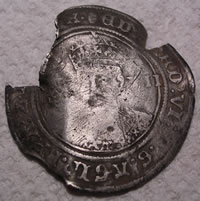 |
|
|
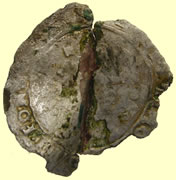
Huge Edward
1547 AD VI hammered silver shillling (12 pence)
|
|
  |
  |
|
Edward
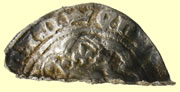
VI 1550 AD hammered silver penny |
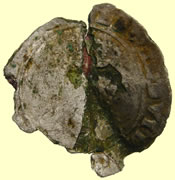
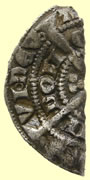
1547-53 Edward VI hammered silver sixpence forgery |
  |
|
1461-85 Edward VI hammered silver groat - Crown mint mark London mint |
|
 |
|